

Does cleaning baby bottles while traveling really keep feeds safe?
Yes — cleaning baby bottles while traveling can keep feeds safe when you remove milk residue, wash parts properly, use safe water, and sanitize when needed. You do not always need a full sterilizer on every trip, but a reliable routine for how to clean baby bottles while traveling helps reduce contamination risks in hotels, airplanes, road trips, and outdoor situations. With a compact travel bottle cleaning set or portable baby bottle cleaning kit, parents can maintain good bottle hygiene travel habits without carrying a full kitchen setup.
⏱ 8 min read
How to Clean Baby Bottles on Travel for Germ-Free Feeding in Any Situation
Traveling with a baby creates unique feeding challenges. A clean kitchen sink, bottle sterilizer, and drying rack may not always be available, leaving many parents wondering how to clean baby bottles while traveling safely. The good news is that practical preparation matters more than perfection. Whether you are staying in a hotel, flying across the country, taking a road trip, or camping outdoors, a simple cleaning routine with the right tools can help keep bottles ready for the next feed.
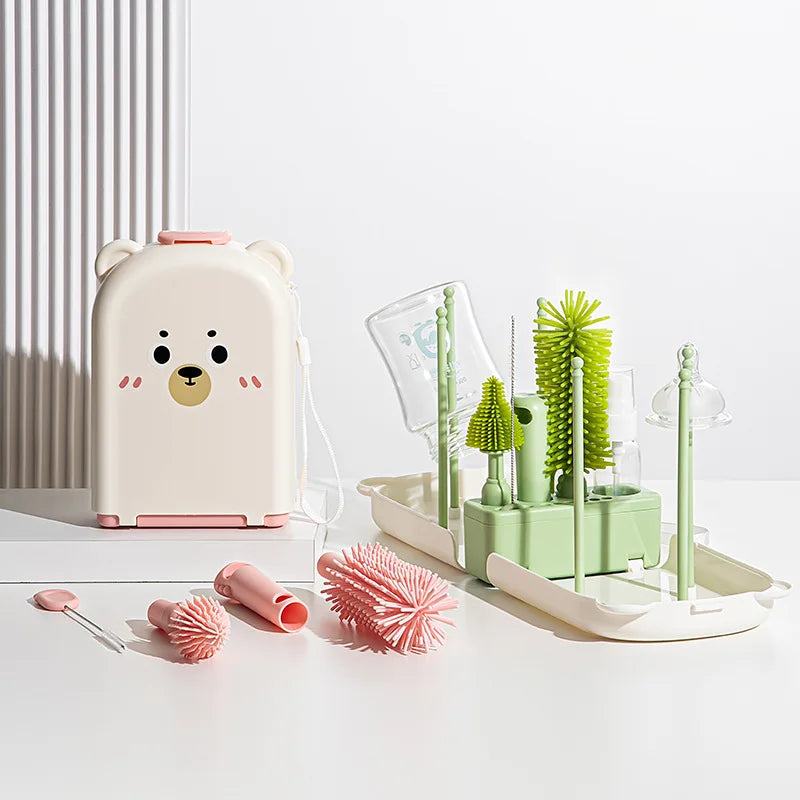
how to clean baby bottles while traveling + travel bottle cleaning set — See it in action.
Why keeping bottles clean matters during travel
Travel can increase bottle contamination risks because parents often have limited access to clean sinks, sterilizers, and dedicated drying areas. Leftover breast milk or formula residue can allow bacteria to multiply, especially when bottle parts remain wet or are stored incorrectly.
Babies have developing immune systems, so maintaining safe feeding habits away from home is important. Travel baby bottle cleaning does not need to become complicated: remove milk residue quickly, wash every component carefully, and sanitize when the situation requires it.
Daily washing removes visible milk and residue, while sterilization provides an extra level of protection when recommended by healthcare providers or when traveling with younger infants or babies with specific health needs.
Quick answer: the safest way to clean baby bottles on the go
The safest way to clean baby bottles on the go is to rinse immediately after feeding, wash all parts with clean water and baby-safe soap, sanitize when necessary, and allow bottles to fully air dry before storage.
- Rinse bottles, nipples, rings, and valves as soon as possible after feeding.
- Wash every part using a bottle brush, clean water, and mild baby-safe soap.
- Sanitize with boiling water, steam, or sanitizing tablets when needed.
- Air dry completely on a clean drying mat, rack, or storage pouch.
For emergency situations where washing supplies are unavailable, parents can use pre-sterilized bottles or disposable liners temporarily, then return to normal cleaning routines as soon as possible.
Travel baby bottle cleaning kit checklist: what to pack
A lightweight portable baby bottle cleaning kit makes feeding during travel easier because every cleaning item has a specific purpose. Pack supplies in a small waterproof pouch and separate clean items from used ones.
Compact bottle cleaning kit for carry-ons and diaper bags
- Collapsible bottle brush for narrow bottle openings.
- Small nipple brush for cleaning bottle teats, valves, and small parts.
- Baby-safe dish soap in a travel container.
- Foldable drying mat or clean drying pouch.
- Storage bags for separating clean and used bottle parts.
- Sanitizing tablets or approved sterilizing solution when needed.
A travel bottle cleaning set should be compact enough for daily outings while still covering the essential steps of washing and drying.
Optional items for longer trips
- Portable bottle washer or cleaning tool for frequent travelers.
- Extra bottle parts to reduce washing frequency during busy travel days.
- Collapsible cup for soaking or sanitizing small parts.
- Portable electric bottle warmer for convenient feeding preparation.
For additional baby feeding tools, explore Feeding & Nursing or browse Baby Care Essentials .
A compact option such as the Travel Baby Bottle Brush Set can help parents clean bottles efficiently without adding much weight to luggage.
How to clean baby bottles while traveling step by step
To clean baby bottles while traveling, remove leftover milk quickly, wash every bottle component with clean water and soap, sterilize when necessary, and dry everything completely before storing.
Step 1 — Remove milk residue immediately
Rinse bottles right after feeding whenever possible. Milk residue becomes harder to remove once it dries, especially inside bottle threads, nipples, and small valves.
Step 2 — Wash every bottle part with clean water and soap
Disassemble the bottle completely before washing. Clean the bottle body, nipple, collar, sealing rings, and any anti-colic valves separately.
Use a dedicated bottle brush rather than a shared household sponge, especially in unfamiliar locations. Pay close attention to small openings where milk residue can collect.
Step 3 — Sterilize when necessary
- Boiling water: Useful when safe hot water is available. Follow bottle manufacturer instructions because some materials may not tolerate repeated high heat.
- Steam sterilizing: Portable steam bags or sterilizing devices can work when electricity and suitable equipment are available.
- Sanitizing tablets: A practical option for travel because they require minimal space and no stove.
Step 4 — Dry and store bottles safely
Allow bottle parts to air dry completely. Avoid wiping with hotel towels or unknown cloths because they may introduce new contaminants. Once dry, store bottles in a clean bag or container until the next feeding.
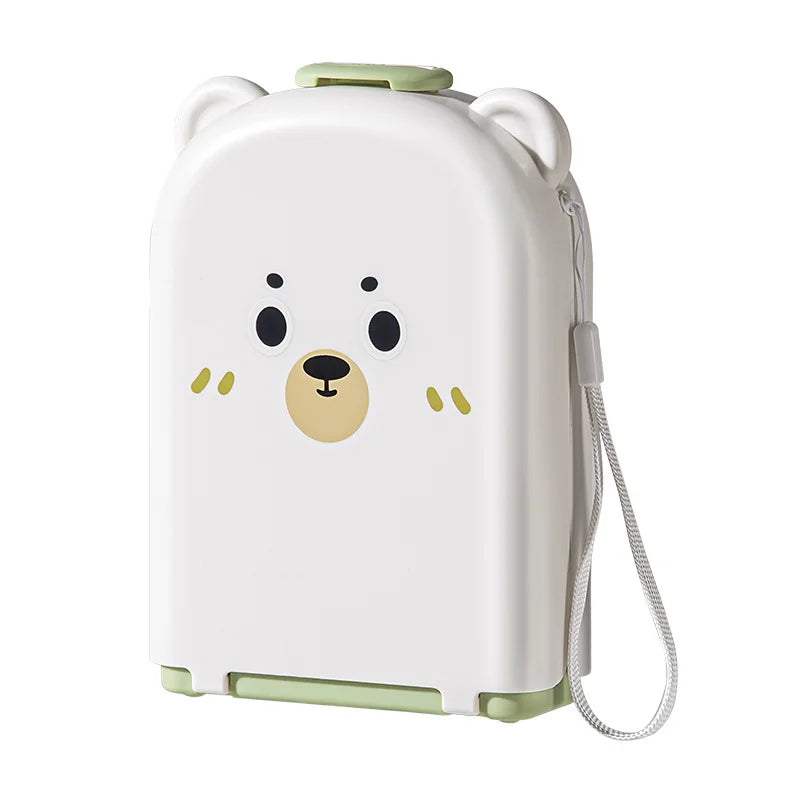
travel bottle cleaning kit — how to clean baby bottles while traveling safely.
Cleaning baby bottles in different travel situations
How to wash baby bottles in a hotel room
- Wash your hands before handling bottle parts.
- Use a clean basin liner, dedicated container, or freshly cleaned sink area.
- Ask the hotel for hot water or a kettle if needed.
- Dry bottles away from bathroom humidity when possible.
How to clean bottles at airports and on airplanes
- Use family restrooms when available because they usually provide more space.
- Carry sanitizing tablets or cleaning wipes for emergencies.
- Use prepared backup feeding options if cleaning conditions are limited.
Road trip bottle cleaning methods
- Keep a small bottle cleaning pouch within easy reach.
- Carry extra bottles to reduce pressure during long drives.
- Use rest stops with clean facilities whenever possible.
Camping and outdoor bottle hygiene tips
- Bring enough clean water for washing if local water quality is uncertain.
- Store used bottles separately from clean equipment.
- Use lightweight drying solutions to avoid moisture buildup.
International travel and safe water considerations
When traveling internationally, consider water quality before washing bottles. If tap water safety is uncertain, use bottled water or properly treated water for cleaning and rinsing bottle components.
When do you need sterilization while traveling?
Many families can maintain safe bottle hygiene through thorough washing, but sterilization may be useful in certain situations. Parents traveling with newborns, premature babies, or infants with specific medical concerns should follow healthcare guidance.
For many older infants, consistent washing with clean water and soap may be sufficient. Portable sterilizers can be helpful for families who travel frequently, but they are not always necessary for every trip.
Travel bottle cleaning methods compared: manual washing vs portable tools
| Method | Best for | Advantages | Limitations |
|---|---|---|---|
| Travel bottle cleaning set | Short trips and daily outings | Lightweight, affordable, easy to pack | Requires manual cleaning |
| Portable baby bottle cleaning kit | Family vacations | Includes multiple cleaning supplies in one package | Takes slightly more luggage space |
| Portable cleaning tools | Frequent travelers | Can reduce cleaning effort | May require charging or extra accessories |
How to dry and store baby bottles safely after cleaning
Drying is an important part of baby bottle hygiene travel tips because moisture left inside bottle parts can encourage bacterial growth.
- Place washed parts on a clean drying mat or rack.
- Keep clean and used bottles in separate bags.
- Do not assemble bottles until all parts are completely dry.
- Store dry bottles in a protected container during flights or road trips.
Common mistakes when cleaning baby bottles while traveling
- Using unsafe water: Always consider local water quality before rinsing feeding equipment.
- Reusing wet bottle parts: Moist storage can create hygiene problems.
- Skipping nipple cleaning: Milk residue often hides inside small openings.
- Mixing clean and dirty supplies: Use separate storage areas to prevent cross contamination.
Pack and organize your bottle cleaning routine before travel
- Prepare your travel bottle cleaning kit before departure.
- Keep cleaning supplies in the same diaper bag pocket.
- Pack extra soap, brushes, and storage bags for unexpected delays.
- Create a simple routine: rinse, wash, sanitize if needed, dry, store.
Planning ahead reduces stress because parents know exactly how to clean baby bottles on the go, even when travel conditions change.
Mini-FAQ
-
Q: Can you clean baby bottles while traveling without a sterilizer?
A: Yes. Cleaning baby bottles without sterilizer is possible by rinsing immediately, washing with clean water and soap, and drying completely. Sterilization is an additional step used when needed.
-
Q: How do you wash baby bottles in a hotel room?
A: Wash your hands first, use a clean sink area or container, clean each bottle part with baby-safe soap, and allow parts to air dry away from bathroom moisture.
-
Q: Do baby bottles need to be sterilized after every use while traveling?
A: Not always. The need for sterilization depends on your baby's age, health needs, and healthcare recommendations. Thorough washing is essential for everyday bottle care.
-
Q: What should be included in a portable baby bottle cleaning kit?
A: A portable baby bottle cleaning kit typically includes a bottle brush, nipple cleaner, baby-safe soap, drying mat, storage bags, and optional sanitizing supplies.
-
Q: How do you clean baby bottles on an airplane?
A: Rinse and wash bottles when facilities allow, use portable sanitizing options when needed, and carry backup feeding supplies for situations where cleaning is not practical.
Final thoughts: keep bottle hygiene simple while traveling
Knowing how to clean baby bottles while traveling helps parents feel prepared in unfamiliar environments. The goal is not creating a perfect home setup everywhere — it is building a consistent routine that removes residue, prevents contamination, and keeps feeding supplies safe.
With a portable baby bottle cleaning kit, a travel bottle cleaning set, and smart organization, parents can handle hotel stays, flights, road trips, and outdoor adventures with greater confidence.
FAQ (schema-ready)
Can you clean baby bottles while traveling without a sterilizer?
Yes. Wash bottles with clean water and baby-safe soap, rinse thoroughly, and dry completely. Sterilization is an additional step when needed.
How do you wash baby bottles in a hotel room?
Use a clean sink area or container, wash each bottle part separately, and allow parts to air dry in a clean location.
Do baby bottles need to be sterilized after every use while traveling?
Not always. The need depends on baby's age, health considerations, and professional recommendations.
What should be included in a portable baby bottle cleaning kit?
A portable baby bottle cleaning kit should include a brush, nipple cleaner, soap, drying supplies, storage bags, and optional sanitizing products.
How do you clean baby bottles on an airplane?
Use available facilities for washing, carry portable cleaning supplies, and prepare backup feeding options for emergencies.
Pillar Article: Sanitary Baby Bottle Concerns Explained: Solutions for Every Feeding Routine
Other Related Articles:
Explore More:





