

Does the PP baby nipple cleaning tool really remove stubborn residue?
Yes — a PP baby nipple cleaning tool helps remove milk residue trapped inside narrow nipple openings, vents, and internal channels that standard bottle brushes often cannot reach. Its slim design and targeted bristles help loosen dried milk film before rinsing and sterilizing, creating a more complete bottle-cleaning routine for everyday feeding hygiene.
⏱ 8 min read
PP Baby Nipple Cleaning Tool Uses: Best for Stubborn Residue and Daily Hygiene
Bottle nipples may look simple, but their tiny openings, anti-colic valves, and internal grooves can collect milk residue after repeated feeds. A PP baby nipple cleaning tool is designed specifically for these hard-to-reach areas, helping parents remove buildup more effectively than using a general bottle brush alone. For families managing multiple bottles each day, the right cleaning tool can make feeding accessory care faster, easier, and more consistent.
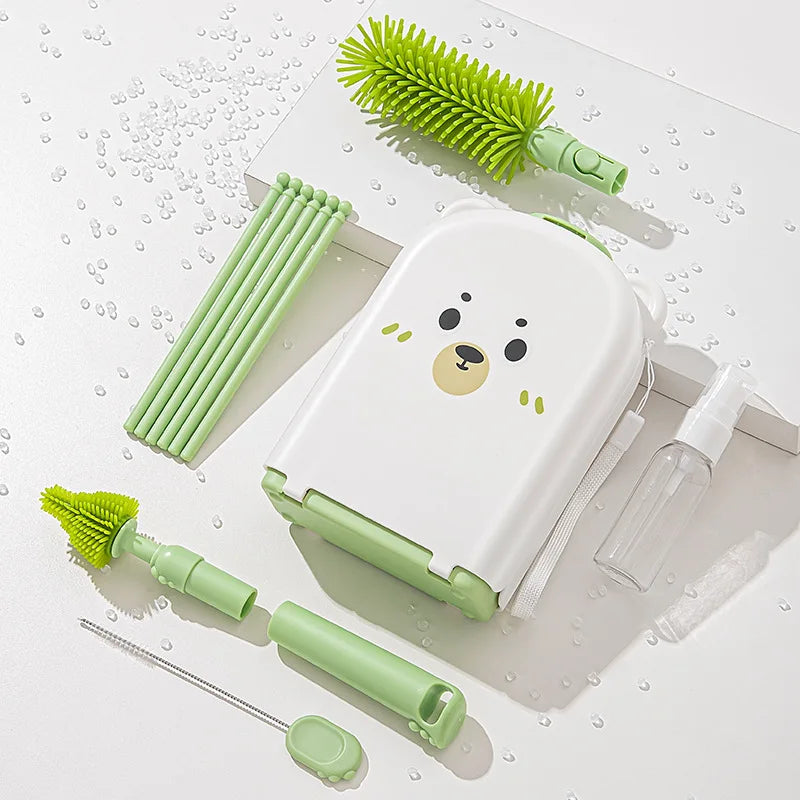
PP baby nipple cleaning tool and bottle nipple cleaner designed for detailed cleaning.
Why this tool helps where brushes fail
Most bottle brushes are designed for larger surfaces such as bottle walls and bases. While they are useful for everyday bottle washing, they often cannot reach the narrow passages inside nipples, tiny air vents, or anti-colic valve systems where milk residue can remain.
A dedicated baby bottle nipple cleaner uses a smaller profile to target these areas directly. The tool helps loosen dried milk particles, reduce lingering odors, and improve cleaning consistency without requiring repeated soaking or aggressive scrubbing that may damage delicate nipple materials.
How the PP baby nipple cleaning tool works
The PP baby nipple cleaning tool uses a slim shaft and specially shaped cleaning surface to reach inside nipple openings and internal grooves. Parents typically insert the tool gently, rotate it to loosen residue, then rinse thoroughly before sanitizing the nipple according to their normal cleaning routine.
This approach combines physical residue removal with proper rinsing and sterilization. Cleaning first is important because sterilizing methods work best when visible milk buildup has already been removed.
Benefits of Using a Baby Nipple Cleaning Brush
A baby nipple cleaning brush is especially useful for parents who wash multiple bottles every day or use nipple designs with smaller internal spaces. Compared with relying only on a standard bottle brush, a specialized cleaner provides more precise cleaning where residue commonly hides.
- Reaches narrow nipple channels: Helps clean openings, vents, and internal areas that larger brushes may miss.
- Reduces milk buildup and odors: Removes leftover residue before it hardens and becomes more difficult to wash away.
- Supports safer feeding accessory hygiene: Adds an extra cleaning step for frequently used bottle nipples.
- Saves time during daily washing: Reduces repeated soaking and re-cleaning caused by missed residue.
- Works with common nipple materials: Designed for careful cleaning of silicone and similar feeding accessories when used properly.
Step-by-step: clean a nipple in under 60 seconds
Following a consistent cleaning process helps remove residue while protecting the nipple material.
- Rinse immediately after feeding: Flush the nipple with warm water to prevent milk from drying inside narrow channels.
- Disassemble the nipple: Separate removable parts, including valves or inserts if your bottle system includes them.
- Use the nipple cleaning tool: Insert the tool gently into openings and move it carefully to loosen trapped residue.
- Rinse thoroughly: Wash away loosened milk particles with clean running water.
- Sanitize and dry: Follow your preferred sterilization method, then place components on a clean drying rack.
How it compares to other cleaners
| Tool | Best for | Limitations |
|---|---|---|
| PP baby nipple cleaning tool | Internal nipple channels, vents, and stubborn milk residue | Designed for small parts and should be paired with a bottle brush for full bottle cleaning |
| Long-handle bottle cleaning brush | Bottle interiors, wide surfaces, and bottle bases | May not reach narrow nipple openings or internal grooves |
| Soaking and sterilizer systems | Sanitizing cleaned feeding accessories | May not physically remove dried milk film without scrubbing first |
Pros and Cons
- ✅ Reaches small nipple openings and internal channels
- ✅ Lightweight and easy to store with other baby bottle cleaning tools
- ✅ Complements sterilization rather than replacing it
- ❌ Not designed to clean full bottle surfaces
- ❌ Requires replacement when bristles become worn or damaged
Why do kids hate brushing teeth so much?
Kids hate brushing teeth because it often feels boring, uncomfortable, or forced during busy daily routines. Sensory sensitivity, a desire for independence, fear of unfamiliar tools, and interruptions to playtime all contribute to resistance. The good news is that with a playful approach, consistent routines, and child-friendly tools, brushing can become a positive habit instead of a daily struggle.
Kids Hate Brushing Teeth? Try These Proven Fixes
⏱ 6 min read
If brushing time ends in tears, negotiations, or tantrums, you're far from alone. When kids hate brushing teeth, the issue is usually not laziness—it often comes down to comfort, control, and motivation. Understanding why your child resists and using age-appropriate strategies can turn brushing into a routine that feels safe, predictable, and even fun.
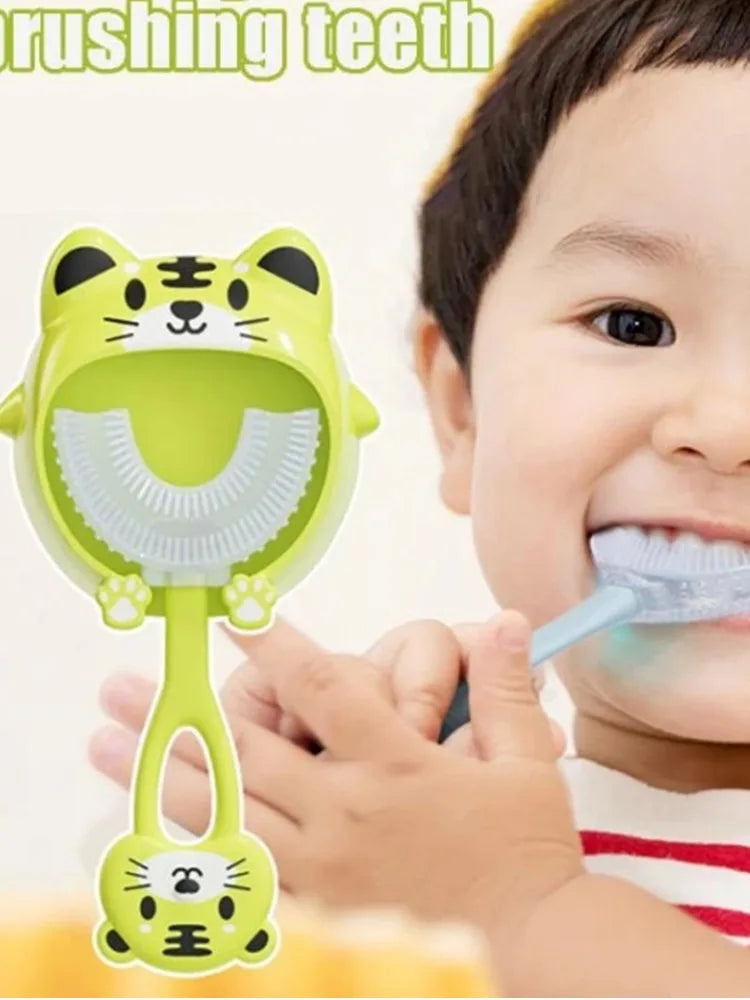
When kids hate brushing teeth, the right tools and playful routine can change everything. See it in action.
Why does my toddler refuse to brush their teeth?
If your toddler refuses to brush teeth, you're dealing with a common developmental phase. Most children begin testing independence between ages 1 and 4, making everyday routines—including tooth brushing—a frequent source of resistance.
Common behavioral reasons
- Strong toothpaste flavors or foamy textures feel overwhelming.
- The toothbrush feels too large, stiff, or unfamiliar.
- Brushing interrupts a favorite activity.
- They want to do everything themselves.
- A previous painful experience, such as sore gums or teething, creates negative associations.
When refusal is developmentally normal
Occasional resistance is expected for toddlers and preschoolers. Children are learning autonomy while still needing parental help. Rather than forcing cooperation, focus on creating predictable routines, offering simple choices, and keeping brushing calm. These approaches reduce conflict while helping children develop lifelong oral care habits.
How to get a toddler to brush their teeth without a battle
When your child won't brush teeth, consistency works better than pressure. The goal is to make brushing a normal part of the day rather than a negotiation.
Build a predictable routine
- Brush at the same times every morning and evening.
- Let your child hold the toothbrush first.
- Help finish the job with gentle circular motions.
- Celebrate completion with praise, hugs, or a high-five.
Many parents combine brushing with calming bedtime habits from Sleep & Comfort to create smoother evenings.
Offer choices instead of pressure
- Choose between two toothbrush colors.
- Pick the brushing song.
- Decide whether to brush before or after pajamas.
- Let them brush first, then allow you to finish.
Use positive reinforcement
Focus on effort instead of perfection. Sticker charts, verbal praise, and celebrating consistency are often more effective than punishment or rewards based solely on perfect brushing.
Parents also find that pairing brushing with familiar routines from Baby Care Essentials helps children feel secure and confident.
Fun ways to encourage brushing teeth
One of the best ways to make brushing teeth fun for kids is to turn it into play rather than a chore.
Brushing teeth games for preschoolers
- Sugar Bug Rescue: Pretend every tooth has tiny sugar bugs that need gentle cleaning.
- Mirror Challenge: Take turns copying funny brushing faces.
- Treasure Hunt: Count every tooth while brushing each section.
- Superhero Mission: Every brushing session helps protect "super teeth."
Brushing teeth games for preschoolers help make brushing enjoyable while building healthy daily habits.
Songs, timers, and rewards
- Play a favorite two-minute song.
- Use a colorful sand timer or digital timer.
- Create a weekly sticker chart.
- Brush together so children can copy your movements.
Pairing these activities with sensory-friendly tools from Baby Hygiene Gadgets may further reduce resistance.
Do character toothbrushes and favorite themes really help?
Yes. Familiar characters and favorite themes increase motivation because they make brushing feel personal rather than something imposed by adults. Giving children ownership over their toothbrush often improves cooperation.
| Standard Toothbrush | Child-Friendly Toothbrush |
|---|---|
| Looks like a routine tool | Feels familiar and inviting |
| Less child involvement | Encourages independence |
| Can feel intimidating | Supports positive daily habits |
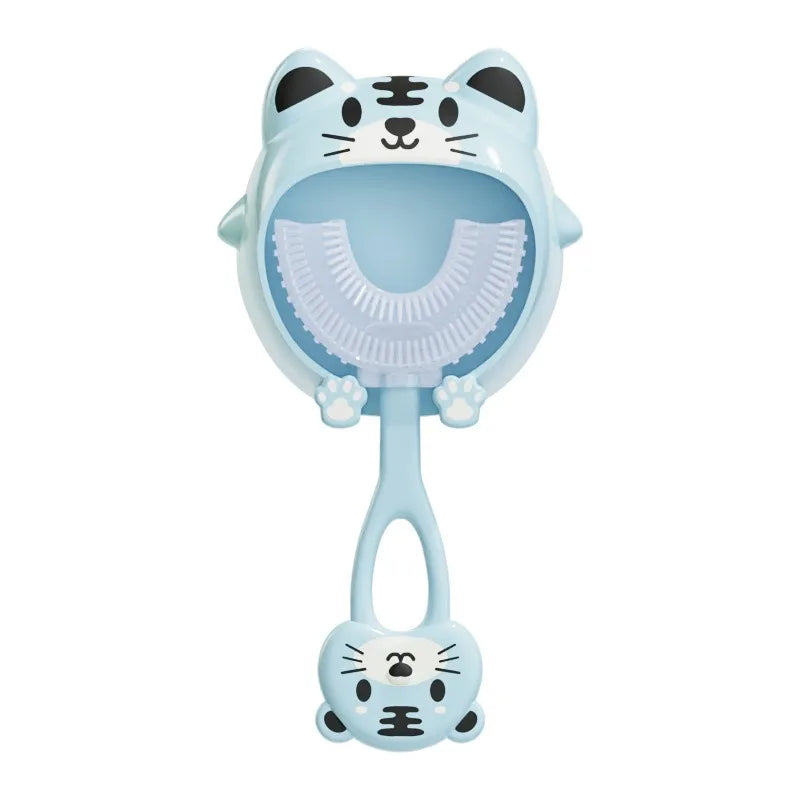
The U-Shape Kids Toothbrush is designed to fit comfortably around young teeth, helping reduce brushing time while encouraging children to participate more willingly.
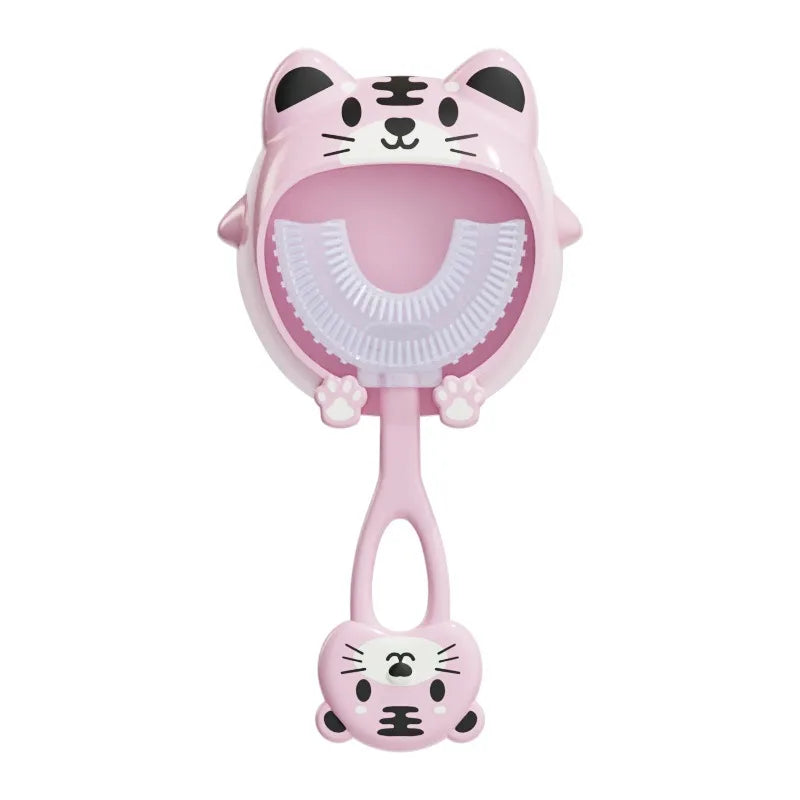
Child-friendly toothbrushes can help toddlers feel more involved in brushing time.
What to avoid when your child refuses to brush teeth
Some well-intended approaches can increase resistance instead of solving it.
- Avoid turning brushing into a power struggle.
- Skip punishment or threats for missed brushing sessions.
- Don't rush the routine when your child is already upset.
- Recognize stress triggers such as fatigue, hunger, or overstimulation.
- Avoid expecting perfect brushing immediately—progress matters more than perfection.
Troubleshooting common brushing challenges
Toddler clenches mouth shut
Stay calm and wait for a relaxed moment. Singing, making silly faces, or letting your child brush a stuffed animal first often encourages cooperation.
Only wants to chew the toothbrush
Chewing is normal for many toddlers. Allow a few seconds of exploration before gently demonstrating brushing motions and helping them finish.
Cries every brushing session
Consider whether toothpaste flavor, brush texture, or timing is causing distress. Switching to a softer brush or milder toothpaste can make brushing much more comfortable.
How long should brushing take and what should parents expect by age?
Ages 1–2
- Brush twice daily using a smear of fluoride toothpaste.
- Parents should perform nearly all brushing.
- Focus on building familiarity rather than perfect technique.
Ages 3–5
- Aim for about two minutes twice each day.
- Children can begin brushing independently but still need adult supervision and assistance.
- Gradually encourage responsibility while checking that all tooth surfaces are cleaned.
When brushing refusal becomes a dental concern
Most children occasionally resist brushing, but persistent refusal may indicate an underlying problem.
Schedule an evaluation with a pediatric dentist if your child:
- Complains of tooth pain or sensitivity.
- Has swollen or bleeding gums that don't improve.
- Consistently refuses brushing for several weeks despite routine changes.
- Shows visible spots, holes, or discoloration that may indicate cavities.
Early treatment can prevent discomfort from making brushing even more difficult.
Frequently Asked Questions
At what age should kids start brushing their teeth?
Begin brushing as soon as the first tooth erupts using a soft infant toothbrush and a tiny amount of fluoride toothpaste appropriate for your child's age.
How long should kids brush their teeth?
Most children should brush for about two minutes twice daily. Younger toddlers may gradually build up to that goal as they become comfortable.
What if my child refuses every toothbrush?
Try different brush sizes, softer bristles, silicone options, or child-friendly designs. Sometimes changing toothpaste flavor can also improve acceptance.
Should I force my toddler to brush their teeth?
No. Gentle persistence, routines, and positive reinforcement are generally more effective than force, which may increase anxiety around brushing.
What if my toddler only brushes for a few seconds?
Allow your child to practice first, then finish brushing for them. Over time, their participation and brushing duration will naturally improve.
Can sensory issues make brushing difficult?
Yes. Children with sensory sensitivities may react to textures, flavors, sounds, or the feeling of toothbrush bristles. Softer brushes, milder toothpaste, and gradual exposure often help.
When kids hate brushing teeth, it's usually a signal to adjust the routine rather than a sign something is wrong. With patience, playful strategies, and the right tools, most children learn to accept—and eventually enjoy—daily brushing.
Related Guide: How to Teach Kids Brushing the Right Way at Home
Travel-Friendly Nipple Cleaning Options
A compact baby bottle cleaning set for travel helps parents maintain feeding hygiene when away from home. Portable nipple cleaning tools are especially useful for vacations, daycare bags, overnight trips, or situations where access to a full washing setup is limited.
When choosing a travel baby bottle cleaning kit , look for lightweight tools that are easy to pack, dry quickly, and store separately from used feeding accessories. A well-organized kit can include a nipple cleaner, bottle brush, drying accessories, and a protective storage solution to keep everything clean between uses.
Find complementary gear in the Feeding & Nursing and Baby Hygiene Gadgets collections to build a complete cleaning station. For a portable option, check the travel-sized brush set here: Travel Baby Bottle Brush Set .
Match product benefits to your specific needs
The best baby bottle nipple cleaner depends on your feeding routine, bottle design, and cleaning frequency. Different parents may prioritize speed, portability, reach, or compatibility with specific nipple systems.
- Frequent night feeds: A dedicated nipple cleaning tool helps speed up washing by targeting residue without repeated soaking and scrubbing.
- Pump and bottle rotation: Helps keep multiple nipples cleaner between feeding cycles when several bottle parts are used daily.
- Shared caregiving: A consistent cleaning tool creates a clearer routine for parents, caregivers, and daycare situations.
- Sensitive feeding routines: Removing trapped milk residue helps reduce lingering odors and improves overall bottle accessory hygiene.
Cleaning, Maintenance, and Replacement Tips
Proper care extends the useful life of a baby nipple cleaning brush while helping prevent moisture buildup and unwanted residue on the tool itself.
- Clean after each use: Rinse the tool promptly after cleaning nipples to prevent milk residue from drying on the bristles.
- Allow complete drying: Store the tool in a ventilated area and avoid placing it away while still wet.
- Inspect regularly: Replace the cleaning brush when bristles become frayed, discolored, stiff, or unable to reach narrow areas effectively.
- Follow manufacturer care instructions: Confirm whether your specific tool is dishwasher-safe or compatible with boiling and steam sterilization.
- Keep cleaning tools separate: Store nipple cleaners away from dirty bottles until they have been washed and dried.
Frequently Asked Questions About Baby Bottle Nipple Cleaners
-
How often should you replace a baby bottle cleaning brush?
Replace a nipple cleaning brush when the bristles show signs of wear, lose their shape, or no longer clean effectively. Many parents replace frequently used brushes every few months depending on daily use and material condition.
-
Can nipple cleaning brushes go in the dishwasher?
Some baby bottle cleaning tools are dishwasher-safe, while others require hand washing. Always check the product instructions before using high-temperature cleaning methods.
-
How do you clean baby bottle nipples without damaging them?
Use gentle pressure and avoid aggressive scraping. A properly sized nipple cleaner should loosen residue while protecting silicone or other soft feeding materials.
-
Can a bottle nipple cleaner remove dried milk residue?
Yes, a dedicated nipple cleaner can help loosen dried milk trapped in small openings and internal channels. For best results, rinse the nipple first, clean the residue, then sanitize if needed.
-
Do bottle nipple cleaners work with all bottle brands?
Compatibility depends on the nipple shape and design. Flexible, slim cleaning tools generally work with many common bottle systems, but parents should confirm the fit for specialty nipples or anti-colic designs.
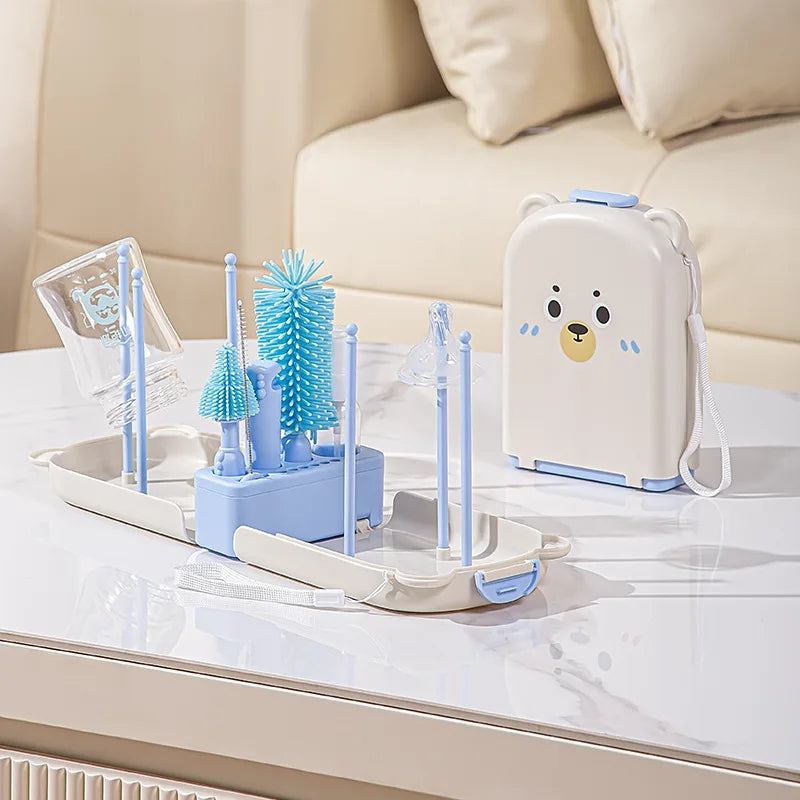
Bottle brush kit and nipple cleaning combo for complete feeding accessory care.
Final Buying Guide: Finding the Best Nipple Cleaner for Your Baby Bottles
The best nipple cleaner for baby bottles should match your bottle system, cleaning routine, and hygiene priorities. A reliable baby bottle nipple cleaner is not meant to replace a full bottle brush or sterilizer — it fills the gap by targeting narrow openings, internal channels, and areas where milk residue can remain.
Before choosing a nipple cleaning tool, consider these key factors:
- Compatibility: Choose a cleaner that fits your bottle nipple design, including standard, wide-neck, anti-colic, or specialty feeding systems.
- Material safety: Look for baby-safe materials such as BPA-free PP or gentle silicone components designed for repeated use.
- Cleaning performance: A well-designed brush or cleaning tip should reach small spaces while removing milk residue without damaging soft nipple materials.
- Maintenance needs: Select a tool that is easy to rinse, dry, store, and replace when signs of wear appear.
For most families, the ideal setup combines a dedicated nipple cleaner with other essential feeding tools. A complete cleaning routine may include a bottle brush for larger surfaces, a nipple cleaner for detailed areas, and a sterilization method when recommended for your baby's stage and feeding needs.
For a convenient portable option that supports everyday bottle care, explore the Travel Baby Bottle Brush Set to keep essential cleaning tools organized at home or on the go.
Related collections: Baby Care Essentials • Feeding & Nursing • Baby Hygiene Gadgets
Pillar Article: Sanitary Baby Bottle Concerns Explained: Solutions for Every Feeding Routine
Other Related Articles:
Explore More:





