

Does a gentle nasal aspirator really help newborn breathing?
Answer: Yes. A nasal aspirator for newborn care can provide effective newborn nasal congestion relief when used correctly. The safest approach is to loosen mucus with sterile saline drops first, then use a soft bulb syringe or nasal aspirator with gentle, brief suction. This method helps babies breathe more comfortably before feeding or sleeping while minimizing irritation. If you're wondering is it safe to suction a newborn's nose , the answer is yes—as long as suction is gentle, the tip is not inserted deeply, and the device is cleaned after every use.
How to Clear Newborn Nose Safely for Sensitive or Allergy-Prone Babies
Learning how to clear newborn nose safely can make feeding, sleeping, and everyday comfort much easier for your baby. Whether you use a soft bulb syringe or a nasal aspirator syringe, the key is combining sterile saline with gentle suction instead of aggressive cleaning. This guide explains the safest techniques, when suction is helpful, and how to avoid common mistakes that can irritate delicate newborn nasal passages.
⏱ 7 min read
Why gentle nose care matters for newborns
Newborns breathe primarily through their noses, especially during feeding and sleep. Even a small amount of mucus can make breathing noisy, interrupt nursing, or cause restless sleep. Because newborn nasal passages are extremely small and delicate, using excessive suction or inserting a device too deeply can cause irritation rather than relief.
The goal when cleaning a newborn's nose is simple: remove only the mucus that is affecting breathing while keeping the nasal lining comfortable. In most cases, saline drops followed by gentle suction provide enough relief without over-cleaning.
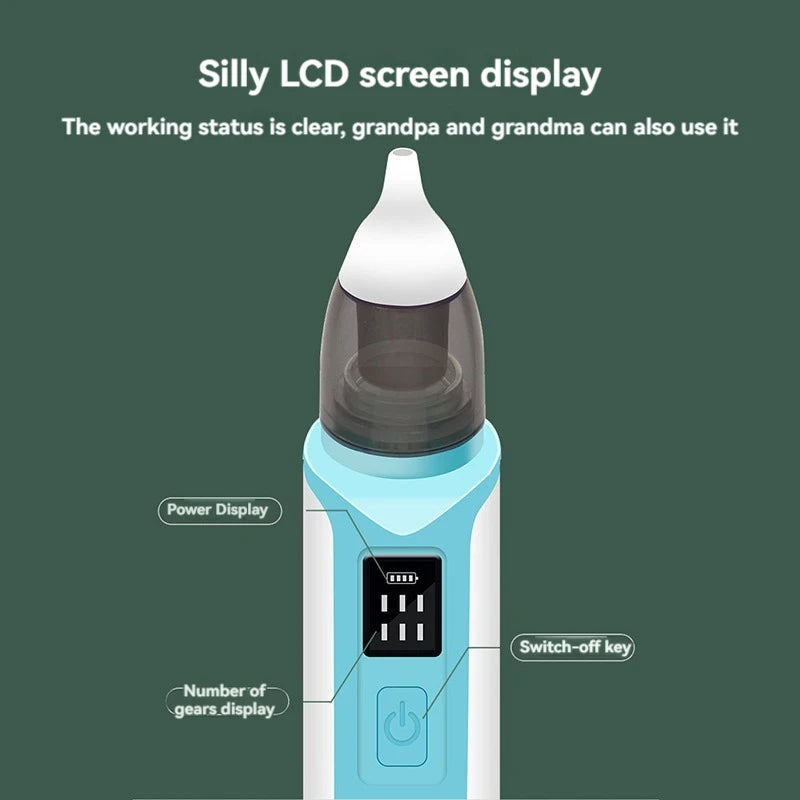
how to clear newborn nose + nasal aspirator syringe See it in action
Which baby gear suits your newborn best? Read on!
How to clear newborn nose — quick answer
How to clear newborn nose: Wash your hands, place 1–2 drops of sterile saline into each nostril, and wait about 30–60 seconds to soften mucus. Then use a clean bulb syringe or nasal aspirator with light, controlled suction to remove loosened mucus. Stop once your baby is breathing comfortably—repeated suctioning is usually unnecessary and may irritate the nose.
Key benefits at a glance
- Saline softens dried mucus so suction works more effectively.
- Gentle suction helps improve breathing before feeding or sleep.
- Short suction sessions reduce irritation to delicate nasal tissue.
- Using the correct tool makes cleaning newborn noses easier and safer.
- Stopping once airflow improves helps prevent unnecessary discomfort.
Step-by-step: gentle suctioning techniques that work
- Check your baby's breathing. Listen for congestion and look for difficulty feeding, noisy breathing, or trouble settling.
- Apply sterile saline drops. Place 1–2 drops into each nostril and allow 30–60 seconds for mucus to soften naturally.
- Position your baby comfortably. Hold your baby in a slightly upright position with the head supported to make suction easier.
- Use gentle suction. Compress the bulb syringe before placing the tip just inside the nostril, then slowly release pressure to remove mucus. If using a nasal aspirator syringe, follow the manufacturer's instructions and avoid deep insertion.
- Comfort your baby afterward. Wipe away remaining mucus, cuddle or feed your baby if appropriate, and stop once breathing has improved.
Safety checklist
- Wash your hands before cleaning your baby's nose.
- Clean the suction device thoroughly after every use.
- Never insert the tip deep into the nostril.
- Use gentle suction only—stronger suction is not more effective.
- Keep the entire cleaning session brief to minimize irritation.
- Stop and seek medical care immediately if your baby develops severe breathing difficulty or blue lips.
Quick tip: Most newborns only need saline and gentle suction when congestion is interfering with feeding or sleep. Cleaning too frequently can dry and irritate the nasal lining.
Bulb syringe vs nasal aspirator: which is better?
The best tool depends on how thick the mucus is, how often your baby becomes congested, and your comfort level with suctioning. For most newborns with mild congestion, a soft bulb syringe is sufficient. A nasal aspirator offers more consistent suction and is often easier to clean, making it a practical choice for parents who expect to use it regularly.
| Tool | Best for | Advantages | Limitations |
|---|---|---|---|
| Soft bulb syringe | Occasional, mild congestion | Affordable, gentle, simple to use | May not remove thicker mucus efficiently |
| Manual nasal aspirator | Moderate congestion and routine use | Better suction control, easy to disassemble and clean | Requires proper technique for best results |
| Electric nasal aspirator | Frequent congestion or thicker mucus | Consistent suction, adjustable settings, minimal hand effort | Should always be used according to manufacturer instructions |
Pros & cons quick list
- ✅ Bulb syringe: Ideal for occasional, mild newborn congestion.
- ✅ Manual nasal aspirator: Offers greater precision and easier cleaning.
- ✅ Electric nasal aspirator: Helpful for parents who want consistent, adjustable suction.
- ❌ Strong or repeated suction is unnecessary and may irritate delicate nasal tissue.
When to choose each
- Choose a bulb syringe if your newborn only has light congestion a few times a week.
- Choose a manual nasal aspirator if you prefer greater control and easier hygiene.
- Choose an electric nasal aspirator when thicker mucus is difficult to remove with gentle manual suction.
For parents looking for adjustable suction with a design that's easy to clean, see the Baby Electric Nasal Aspirator .
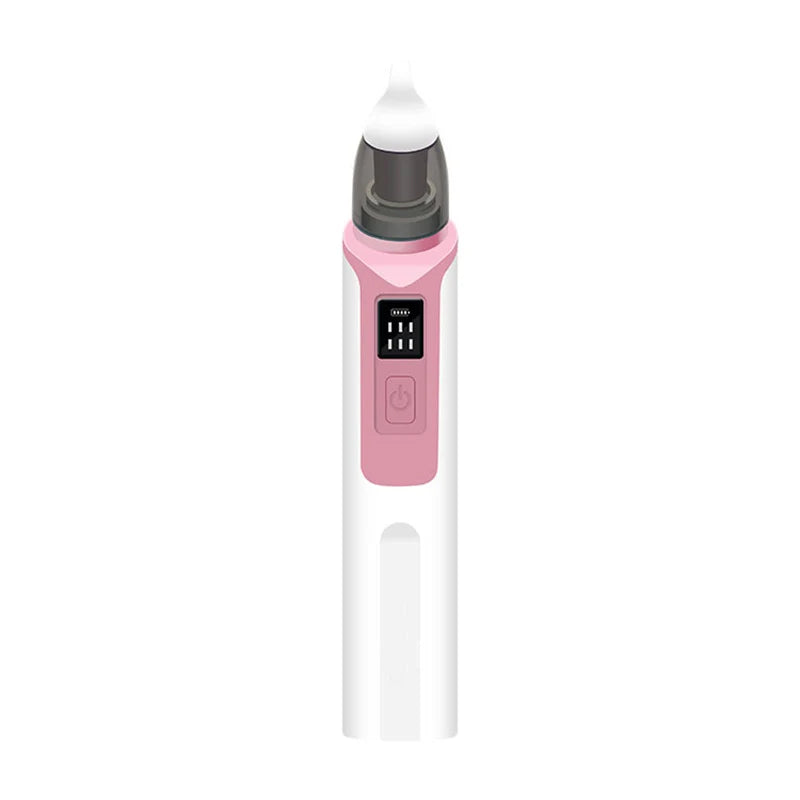
nasal aspirator syringe + suctioning newborn with bulb syringe See it in action
When to contact your pediatrician or urgent care
Most newborn stuffy noses improve with saline, gentle suction, and time. However, medical evaluation is important if congestion begins affecting breathing, feeding, or your baby's overall well-being.
- Rapid breathing, chest retractions, grunting, or blue lips.
- Difficulty feeding or refusing several feeds because of congestion.
- A fever of 100.4°F (38°C) or higher in a newborn.
- Congestion lasting longer than 24–48 hours without improvement despite appropriate home care.
- Unusual sleepiness, poor responsiveness, or signs of dehydration.
Emergency signs
Seek emergency medical care immediately if your baby has severe breathing difficulty, pauses in breathing, persistent blue coloring around the lips or face, becomes limp, or is difficult to wake.
Before you begin: supplies checklist
Having the right supplies ready makes cleaning your baby's nose quicker, gentler, and less stressful. Prepare everything before you begin so the suctioning session stays brief and your newborn remains comfortable.
- Sterile saline drops to soften dried or thick mucus before suctioning.
- Soft bulb syringe for occasional, mild congestion.
- Nasal aspirator for controlled, gentle mucus removal when additional suction is needed.
- Clean tissues or soft cloths to wipe away mucus after suctioning.
- Soap and warm water for cleaning reusable suction devices after each use.
- Clean hands before and after caring for your baby's nose.
If you prefer adjustable suction and easy cleaning, the Baby Electric Nasal Aspirator is designed to help parents remove mucus gently while maintaining good hygiene.
Frequently asked questions
How often can I suction my newborn's nose?
Only when congestion is making it difficult for your baby to feed, sleep, or breathe comfortably. For most babies, a few short suction sessions per day are enough. Avoid repeated suctioning if the nose is already clear because excessive suction can cause irritation.
Is saline safe for newborns?
Yes. Sterile saline drops are considered safe for newborns and help loosen mucus before suctioning. Using saline first often allows gentler, more effective mucus removal.
When should I see a doctor about congestion?
Contact your pediatrician if your newborn has difficulty breathing, refuses feeds, develops a fever of 100.4°F (38°C) or higher, or if congestion persists despite appropriate home care.
Can I clean my newborn's nose every day?
You can gently wipe the outside of your baby's nose daily if needed, but internal suctioning should only be done when congestion is causing discomfort or interfering with normal feeding or sleep.
Can suction hurt my baby's nose?
Gentle suction is generally safe. Problems are more likely if the tip is inserted too deeply, suction is too strong, or the procedure is repeated unnecessarily. Always use saline first and stop once airflow improves.
Should I suction before feeding or sleeping?
Yes. If congestion is interfering with breathing, suctioning shortly before a feeding or bedtime can make nursing, bottle-feeding, and sleep more comfortable.
Pillar Article: Newborn Congestion Relief Tips for Different Ages and Sensitivities
Other Related Articles:
Explore More:





