

Does a portable newborn nasal aspirator really work?
Answer: A portable newborn nasal aspirator can quickly and gently clear a baby’s nasal passages, helping them breathe, feed, and sleep better. Modern portable nasal aspirator and automatic nasal aspirator designs combine gentle suction, easy cleaning, and quiet operation—making infant blocked nose treatment fast and effective during travel, nighttime, or fussiness.
⏱ 8 min readPortable Newborn Nasal Aspirator Use Cases for Travel, Nighttime, and Fussy Babies
Is your newborn struggling with a stuffy nose at 2 a.m. or in the middle of a road trip? You’re not alone—congested babies cry more, feed poorly, and sleep less. A portable newborn nasal aspirator offers a targeted solution: gentle suction that clears mucus fast, fits in your diaper bag, and works quietly during sleep or travel. Read on to see exactly when this small device becomes a parenting lifesaver.
Curious about smart essentials that make newborn care easier? Baby Care Essentials has products that pair well with a portable nasal aspirator.
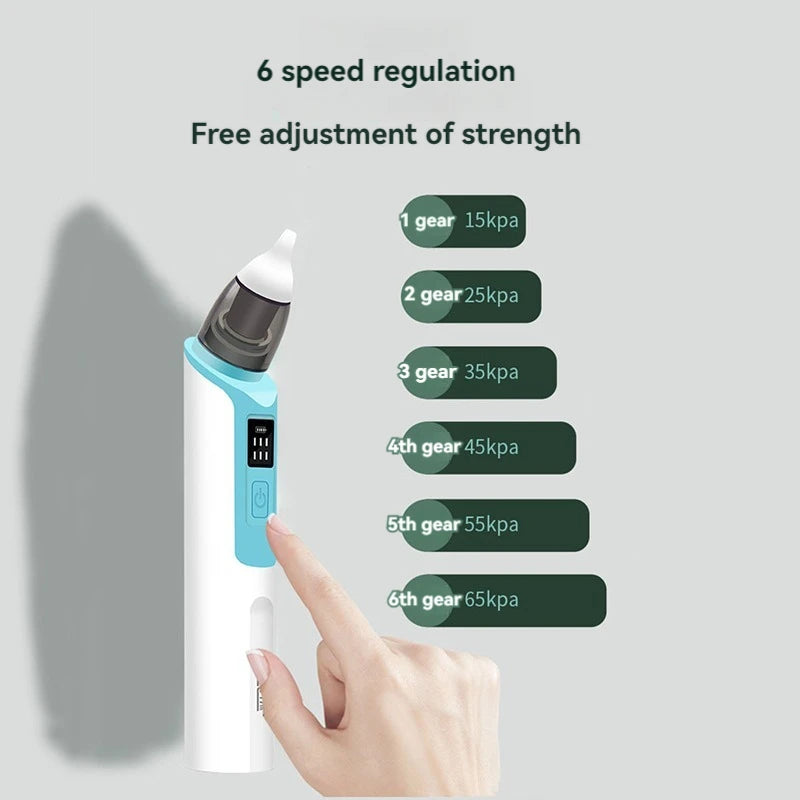
portable newborn nasal aspirator / portable nasal aspirator — See it in action
Why a Clear Nose Matters for Newborns
Newborns are obligate nose breathers—when their tiny nasal passages clog, they can’t feed comfortably or sleep deeply. Even light congestion raises stress for both baby and caregiver. A portable nasal aspirator helps remove mucus quickly, reducing choking reflexes, improving latch during breastfeeding, and calming fussiness.
Sleep & Feeding: Immediate Payoff
- Better airflow = calmer sleep cycles.
- Clearing the nose before feeds helps latch and reduces spit-up.
- Less discomfort means fewer midnight wakings for everyone.
Top Use Cases: Travel, Nighttime & Fussy Babies
Direct answer: A portable newborn nasal aspirator shines in travel (cars, planes, hotels), late-night feedings, and during fussy periods—its compact size and quiet operation let you clear mucus quickly without full wakeups or messy setups.
Travel: fast relief on the go
Whether you’re in a car, on a plane, or staying at a hotel, travel introduces new allergens, dry air, and position changes that provoke congestion. A compact aspirator fits into your diaper bag and can be used between naps—no bulky bulbs, no frantic wipes.
- Use after car naps to help settle breathing.
- Bring it to the gate or on board—some babies get clogged from cabin pressure changes.
- Quick clean design matters for road trips.
Nighttime: quiet, efficient clearing
Night wakings are brutal. A quiet automatic nasal aspirator that offers gentle suction minimizes disruptions—clear the nose, re-swaddle, and return to sleep without full stimulation.
Fussy Babies: soothe and reduce crying
Congestion makes colicky or sensitive babies more irritable. Quick nasal relief often reduces crying spells and helps them feed more efficiently, which lowers overall fussiness.
How a Portable Nasal Aspirator Works
Most portable aspirators are battery-powered or USB-chargeable. They use a small motor to create gentle suction at the tip. Modern devices include soft silicone tips, adjustable suction levels, and detachable collection chambers for sanitary cleaning.
Safety & gentle design
- Soft, rounded tips sized for newborn nostrils.
- Adjustable suction prevents over-suctioning.
- Detachable collection cups let you avoid cross-contamination.
Quick Comparison: Manual vs Automatic vs Portable
| Type | Best for | Pros | Cons |
|---|---|---|---|
| Bulb syringe (manual) | Occasional home use | Cheap, simple | Variable suction, messy, hard to clean |
| Electric automatic (plug-in) | Daily home use | Consistent suction, easy operation | Not travel-friendly |
| Portable nasal aspirator | Travel, nighttime, on-the-go | Compact, quiet, rechargeable | Smaller battery than plug-in models |
Step-by-Step: Safe Use During Night Feedings
- Wash hands and assemble the aspirator with a clean tip.
- Hold your baby upright or at a slight incline—never flat when congested.
- Turn on the device at the lowest suction and gently place the tip at the nostril entrance.
- Short bursts of suction (2–3 seconds) per nostril work best; pause and check comfort.
- Wipe the tip, empty the collection cup, and sanitize per instructions before storing.
Need safe, travel-ready picks? Explore Mom Essentials and Health & Safety for gear that complements a portable nasal aspirator.
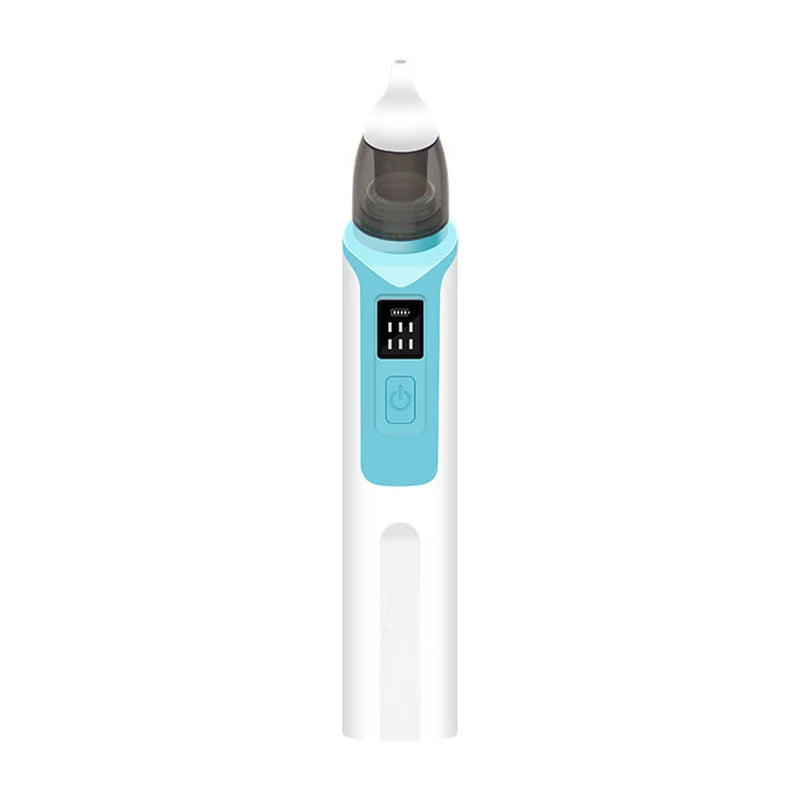
automatic nasal aspirator / infant blocked nose treatment — See it in action
Benefits Parents Notice
- Faster feeds: Babies breathe while nursing, improving calorie intake and reducing spit-up.
- Quieter nights: Gentle suction avoids full wake-ups and preserves sleep cycles.
- Compact convenience: Fits in a diaper bag so relief is available anywhere.
- Hygienic cleaning: Easy-to-disassemble parts reduce infection risk.
Real Parent Stories & Tips
"On a recent flight our newborn got stuffy from cabin air—this tiny aspirator saved the trip. Quick, clean, and quiet." — Maya, mom of 1.
"Middle-of-night stuffiness used to mean hours of trying to resettle. Now a quick clear and she’s back to sleep." — James, new dad.
Pros & Cons
Pros
- Portable, rechargeable, and usually quieter than manual bulbs.
- Consistent suction levels make use predictable and safe.
- Often include multiple sized tips for newborns to toddlers.
Cons
- Requires charging; long trips may need a power bank.
- Some models are pricier than a basic bulb syringe.
- Parents need a little practice to use gently and effectively.
What to Look For in a Portable Unit
- Soft silicone tips sized for newborn nostrils.
- Adjustable suction levels and a low-noise motor.
- Rechargeable battery (USB) and a compact charging cable.
- Easy disassembly for thorough cleaning and sterilization.
- Clear collection chamber to monitor output.
Want one you can try right away? Get the baby electric nasal aspirator to test quiet, reliable suction during travel and late-night feeds.
Evidence & Practical Tips
Clinical best practices emphasize gentle, brief suction and proper hygiene. Many pediatricians recommend nasal clearance before feeds and sleep to improve comfort. Track your baby’s feeding efficiency and sleep length before and after regular use to see measurable benefit.
Visual: Quick Usage Checklist
- Charged battery ✔️
- Clean tip and chamber ✔️
- Baby upright or slightly inclined ✔️
- Start on low suction ✔️
- Sanitize after use ✔️
Mini FAQ
-
Is a portable nasal aspirator safe for newborns?
Answer: Yes—when used per manufacturer instructions. Use soft tips, low suction, and short bursts. If you see persistent bleeding, severe distress, or fever, consult a pediatrician. -
How often can I use it?
Answer: Use as needed for congestion relief. Frequent short uses during feeding and sleep periods are common. Clean parts regularly to avoid bacterial buildup. -
Can I use saline drops first?
Answer: Yes—saline drops or sprays can loosen mucus before suctioning. Apply saline, wait a minute, then use the aspirator gently.
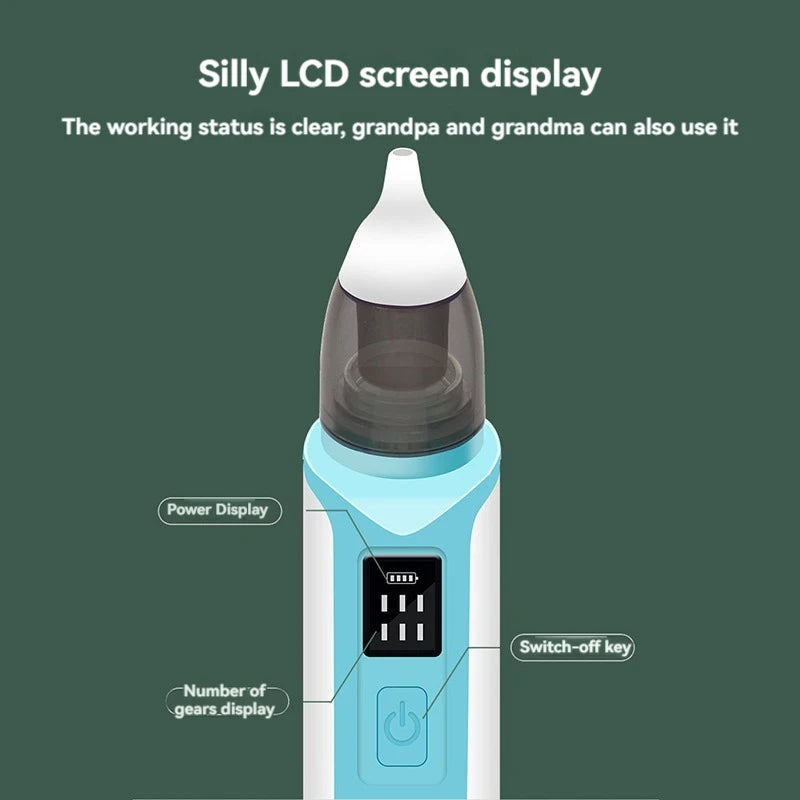
portable newborn nasal aspirator / automatic nasal aspirator — See it in action
Ready for Less Fussy Nights and Smoother Travel?
If your daily routine includes late-night soothing, frequent travel, or feeding challenges from congestion, a portable nasal aspirator is a practical, low-stress tool that many parents add to their newborn kit. Small, effective, and easy to clean—this device is made to fit real-life parenting moments.
Order the portable electric aspirator today: /products/baby-electric-nasal-aspirator . Pair it with items from Baby Hygiene Gadgets for complete care.
Trust Signals & Care Recommendations
Look for hygiene-focused features (detachable chambers), replaceable tips, and clear cleaning instructions. Read parent reviews, check warranty terms, and follow pediatric guidance on frequency and technique. When used properly, this small device often leads to happier feeds and quieter nights.
Need matching essentials?
Shop thoughtful complements at Health & Safety and Feeding & Nursing to create a calm, ready-to-go newborn kit.
Pillar Article: Newborn Congestion Relief Tips for Different Ages and Sensitivities
Other Related Articles:
Explore More:
UPGRADE PLAN { "outline": [ { "action": "MODIFY", "h2": "Best Portable Baby Nasal Aspirators of 2026", "h3": [ "Quick comparison table", "Top picks by category", "How we tested" ], "focus": [ "Product recommendations", "Hands-on evaluation", "Buyer intent", "Quick selection" ], "keywords": [ "portable baby nasal aspirator", "best portable nasal aspirator", "electric nasal aspirator baby", "automatic baby nasal aspirator" ] }, { "action": "ADD", "h2": "Comparison Table: Top Portable Nasal Aspirators", "h3": [], "focus": [ "Suction power", "Battery & charging", "Noise level", "Cleaning & portability" ], "keywords": [ "best portable nasal aspirator", "travel nasal aspirator baby" ] }, { "action": "ADD", "h2": "How We Tested These Portable Nasal Aspirators", "h3": [ "Testing criteria", "Scoring system" ], "focus": [ "Transparency", "Real-world scenarios", "Cleaning evaluation", "Travel usability" ], "keywords": [ "portable baby nasal aspirator" ] }, { "action": "MODIFY", "h2": "Does a Portable Baby Nasal Aspirator Really Work?", "h3": [ "How suction technology works", "When electric models outperform manual" ], "focus": [ "Performance", "Evidence", "Expectations", "Use cases" ], "keywords": [ "portable baby nasal aspirator", "electric nasal aspirator baby" ] }, { "action": "MODIFY", "h2": "When to Use a Nasal Aspirator for Your Baby", "h3": [ "Before feeding", "Before sleep", "During colds" ], "focus": [ "Appropriate timing", "Symptoms", "Safe frequency", "When not to use" ], "keywords": [ "when to use nasal aspirator for baby", "portable nasal aspirator for newborn" ] }, { "action": "MODIFY", "h2": "How to Use a Portable Nasal Aspirator Safely", "h3": [ "Step-by-step instructions", "Tips for newborns", "Common mistakes" ], "focus": [ "Safe operation", "Gentle suction", "Comfort", "Preparation" ], "keywords": [ "newborn nasal aspirator how to use", "safe nasal aspirator for infants" ] }, { "action": "ADD", "h2": "How to Clean and Maintain an Electric Nasal Aspirator", "h3": [ "Cleaning after each use", "Sterilization", "Replacing tips" ], "focus": [ "Maintenance", "Hygiene", "Longevity", "Replacement parts" ], "keywords": [ "how to clean baby nasal aspirator", "electric nasal aspirator baby" ] }, { "action": "MODIFY", "h2": "Manual vs Electric vs Portable Nasal Aspirators", "h3": [ "Pros and cons", "Who each type suits" ], "focus": [ "Feature comparison", "Portability", "Ease of use", "Value" ], "keywords": [ "automatic baby nasal aspirator", "electric nasal aspirator baby", "portable baby nasal aspirator" ] }, { "action": "MODIFY", "h2": "What to Look for Before Buying", "h3": [ "Suction levels", "Battery life", "Noise", "Accessories" ], "focus": [ "Buying criteria", "Safety", "Travel readiness", "Ease of cleaning" ], "keywords": [ "best portable nasal aspirator", "travel nasal aspirator baby", "safe nasal aspirator for infants" ] }, { "action": "ADD", "h2": "Travel Tips for Using a Portable Nasal Aspirator", "h3": [ "Packing checklist", "Air travel", "Diaper bag essentials" ], "focus": [ "Portability", "Convenience", "Battery management", "On-the-go care" ], "keywords": [ "travel nasal aspirator baby", "portable baby nasal aspirator" ] }, { "action": "REMOVE", "h2": "Real Parent Stories & Tips", "h3": [], "focus": [], "keywords": [] }, { "action": "REMOVE", "h2": "Benefits Parents Notice", "h3": [], "focus": [], "keywords": [] }, { "action": "REMOVE", "h2": "Evidence & Practical Tips", "h3": [], "focus": [], "keywords": [] }, { "action": "REMOVE", "h2": "Visual: Quick Usage Checklist", "h3": [], "focus": [], "keywords": [] }, { "action": "MODIFY", "h2": "Frequently Asked Questions", "h3": [], "focus": [ "Safety", "Usage", "Cleaning", "Buying" ], "keywords": [ "portable baby nasal aspirator" ] } ], "internal_links": [ "Baby congestion relief guide", "How to use saline drops for babies", "Signs a baby's stuffy nose needs medical attention", "Manual vs electric baby nasal aspirators", "Baby travel health essentials", "Cleaning and sterilizing baby feeding accessories" ], "faq": [ "Are electric baby nasal aspirators safe for newborns?", "How often should I use a nasal aspirator on my baby?", "Can I use saline before a portable nasal aspirator?", "How do I clean a portable baby nasal aspirator?", "What suction level is best for infants?", "Is a portable nasal aspirator better than a manual bulb syringe?", "Can I take an electric nasal aspirator on a plane?", "How long does a rechargeable baby nasal aspirator battery last?" ], "trim": [ "Why a Clear Nose Matters for Newborns", "Top Use Cases: Travel, Nighttime & Fussy Babies", "Pros & Cons", "Ready for Less Fussy Nights and Smoother Travel?", "Trust Signals & Care Recommendations" ] } Approved linked products: - Get the baby electric nasal aspirator (/products/baby-electric-nasal-aspirator) - /products/baby-electric-nasal-aspirator (/products/baby-electric-nasal-aspirator) Product Rules - Keep all approved products. - Only approved products may contain affiliate links. - You may add real competitor products when useful. - Competitor products must not contain links unless already present. - Only create comparison tables when they genuinely improve the article. RULES - Apply every instruction in the Upgrade Plan. - Keep all existing affiliate links unchanged. - Keep all existing internal links unchanged. - Keep all existing image URLs unchanged. - Preserve sections such as Related Articles, Related Posts and Recommended Reading. - Avoid duplicate headings. - Insert new sections only where specified. - Improve clarity, topical coverage, EEAT and readability. - Expand weak sections only when required. - Use natural keyword placement. - Keep semantic HTML clean. YEAR UPDATE If visible article text contains "2005", replace it with "2026". Do not modify years inside: - URLs - href attributes - image filenames OUTPUT REQUIREMENTS Return ONLY the final upgraded HTML article. The output must be valid HTML and ready to publish. Do NOT return: - Markdown - Explanations - Notes - Code fences - JSON - XML Return the HTML beginning with the first HTML element and ending with the last HTML element.





