

Does newborn congestion relief really work?
Yes — when used correctly, newborn congestion relief can make breathing, feeding, and sleeping more comfortable. The safest approaches focus on gentle methods such as infant-safe saline drops, controlled suction with a soft nasal aspirator, clean air, and comfortable positioning. These techniques do not instantly cure the cause of congestion, but they can help loosen mucus and reduce a blocked nose so your baby can feed and rest more easily.
Newborn congestion is common because babies have very small nasal passages that become blocked easily. Dry air, normal mucus buildup, minor colds, and environmental irritants can all contribute. In most cases, simple newborn congestion treatment at home is enough, but parents should know the warning signs that require medical advice.
⏱ 18 min readNewborn Congestion Relief Tips for Different Ages and Sensitivities
Newborn congestion relief tips help parents understand how to relieve newborn congestion safely with age-appropriate methods. From saline drops and gentle suction to humidity control and infant care routines, the right approach can support easier breathing while avoiding common mistakes that irritate delicate noses.
Why newborns get congested and when it's normal
Newborn congestion happens when mucus builds up or the nasal tissues become slightly swollen, making it harder for babies to breathe comfortably through their nose. Since newborns naturally rely heavily on nasal breathing, even mild congestion can affect feeding, sleeping, and overall comfort.
Normal newborn congestion
Many newborns experience occasional stuffiness during the first weeks of life. Their nasal passages are narrow, and they are still adjusting to breathing outside the womb. Normal congestion is often linked to:
- Small nasal passages: A small amount of mucus can create noticeable noisy breathing.
- Dry indoor air: Heating, air conditioning, or seasonal changes may dry nasal tissues.
- Normal mucus production: Babies naturally produce mucus to protect their airways.
- Environmental triggers: Dust, fragrances, smoke, or strong cleaning products may irritate sensitive noses.
Normal newborn congestion usually improves with gentle care, hydration through regular feeding, and simple newborn nasal congestion remedies such as saline drops and careful mucus removal.
Signs congestion may indicate illness
While mild stuffiness is common, congestion can sometimes be connected to a cold, infection, or another health concern. Parents should pay attention when congestion affects normal activities.
Common signs that deserve closer attention include:
- Difficulty feeding, refusing feeds, or becoming tired quickly while eating.
- Faster-than-normal breathing, chest pulling in with each breath, or visible breathing effort.
- Blue or gray coloring around the lips or face.
- High fever, unusual sleepiness, or signs of dehydration.
- Congestion that continues to worsen instead of gradually improving.
Quick relief methods for tonight
If your newborn has a stuffy nose, the goal is to make breathing easier without irritating delicate nasal tissue. The most effective newborn stuffy nose relief routine usually combines three simple steps: loosen mucus, gently remove blockage, and create a comfortable environment.
Which methods help immediately
- Use infant saline drops: Saline helps soften dried mucus so it can move more easily.
- Try gentle suction: A soft portable nasal aspirator can remove loosened mucus before feeds or sleep.
- Keep baby comfortable: Holding your baby upright after feeding may help reduce discomfort caused by congestion.

newborn congestion relief tips + infant stuffy nose relief — See it in action
Does that actually help? (Direct answer)
Yes, these methods can help reduce the discomfort caused by nasal blockage. A combination of saline, gentle suction, and clean humidity often works better than relying on only one method. However, parents should avoid overusing suction because frequent irritation may make nasal tissues more sensitive.
Age-specific newborn congestion care
0–2 weeks: Handle with extra tenderness
During the first two weeks, newborn noses are extremely delicate. The priority is not removing every sound or sniffle, but helping your baby breathe comfortably enough to feed and sleep.
- Gentle saline drops: Place 1–2 infant-safe saline drops in each nostril and wait about 30–60 seconds before attempting mucus removal.
- Soft suction only: Choose a nasal aspirator with a soft tip and adjustable suction. Avoid strong pressure that may irritate the nasal lining.
- Support feeding: If congestion interrupts feeding, pause briefly, clear visible mucus, and allow your baby to continue comfortably.
2–8 weeks: Build a calm congestion routine
At this stage, babies may tolerate a more consistent routine. The best approach is still gentle and focused on specific moments when congestion causes the most difficulty, such as before feeding or sleep.
- Use saline before feeds or naps when mucus appears to interfere with breathing.
- Perform short suction sessions rather than repeated attempts throughout the day.
- Use a cool-mist humidifier to maintain comfortable air moisture when needed.
2–6 months: More routine options, still gentle
Older infants may handle regular congestion care more easily, but their nasal passages remain sensitive. Infant congestion relief should continue to focus on comfort rather than aggressive mucus removal.
- Choose saline products specifically labeled for infants.
- Use a nasal aspirator before sleep or feeding if congestion affects comfort.
- Maintain a clean room environment and avoid common airway irritants.
Pro tip: Keep track of when congestion affects your baby most. Some babies improve most with saline before feeding, while others benefit from clearing mucus before bedtime.
How to use a nasal aspirator safely
How to use a nasal aspirator safely
A nasal aspirator can be one of the most useful tools for newborn congestion relief when used correctly. The goal is to remove loose mucus and improve comfort without irritating delicate nasal tissue. Always combine suction with gentle care rather than trying to completely clear every sound or sniffle.
Saline before suction
Dry or thick mucus is harder to remove. Applying infant-safe saline first helps soften mucus so suction works more comfortably.
- Wash your hands and check that the aspirator tip and collection parts are clean.
- Place your baby in a comfortable position on a safe, flat surface.
- Add 1–2 saline drops to each nostril and wait about 30–60 seconds.
- Place the aspirator tip gently at the nostril opening. Never push it deep inside the nose.
- Use short suction bursts for only a few seconds at a time.
- Clean visible mucus from the tip before repeating on the other nostril if needed.
Common suction mistakes to avoid
- Using too much suction: Strong or repeated suction may irritate nasal tissues and increase discomfort.
- Using it too often: Suction should be used when congestion affects feeding, sleeping, or breathing comfort.
- Skipping cleaning: Unwashed parts may collect bacteria and reduce hygiene.
- Inserting too deeply: Keep the tip near the nostril opening to avoid irritation.
Why a portable nasal aspirator helps
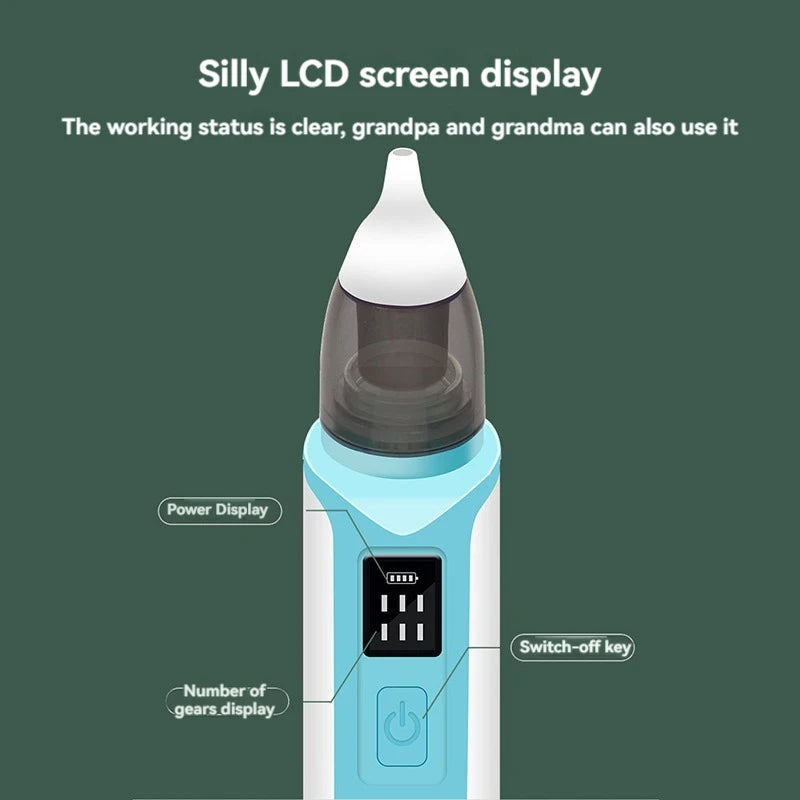
A portable nasal aspirator provides consistent suction control and can make nighttime congestion care easier for parents. Many electric models are designed with soft infant tips, adjustable settings, and washable components that support quick use before feeds, naps, or bedtime.
Product note (linked): Parents looking for a convenient option can explore features such as adjustable suction, washable tips, and portable design with the Buy the baby electric nasal aspirator .
Humidifiers, saline, and positioning that help breathing
Using multiple gentle newborn nasal congestion remedies together can make congestion easier to manage. Saline helps loosen mucus, humidity supports comfortable air conditions, and proper positioning may reduce feeding discomfort.
- Cool-mist humidifier: Adding moisture to dry indoor air may help keep mucus from becoming thick and difficult to clear. Clean the humidifier regularly according to manufacturer instructions to prevent mold or bacteria buildup.
- Saline drops: Infant-safe saline helps soften dried mucus without using medication. Choose preservative-free options when available.
- Comfortable upright holding: Keeping your baby upright against your chest for a short period after feeding may help reduce discomfort from congestion.
Safe sleep positioning
When your baby sleeps, always follow safe sleep recommendations. Newborns should sleep on a firm, flat surface on their back unless a healthcare professional provides different guidance. Holding your baby upright while awake and supervised can provide comfort, but avoid unsafe sleep positions or raising the mattress without medical advice.
Cleaning humidifiers
Dirty humidifiers can spread unwanted particles into the air. Empty leftover water daily, clean the tank regularly, and follow the manufacturer's cleaning instructions. Keeping air-care devices clean is an important part of safe ways to relieve newborn congestion.
What not to do when your newborn has a blocked nose
Knowing what to avoid is just as important as knowing how to clear baby nose congestion. Newborn nasal passages are sensitive, so aggressive methods may create more irritation instead of relief.
- Avoid adult cold medicines or nasal decongestant sprays: These products are not suitable for newborns unless specifically recommended by a healthcare professional.
- Do not use essential oils near your newborn: Strong fragrances may irritate sensitive airways.
- Avoid hot steam exposure: Hot steam can increase burn risk. A clean cool-mist humidifier is a safer option.
- Do not force mucus removal: Aggressive suction or repeated attempts can irritate the inside of the nose.
- Do not ignore breathing changes: Seek medical advice if your baby shows signs of breathing difficulty or poor feeding.
Signs your newborn needs medical care
Most cases of newborn congestion improve with gentle home care, but some symptoms require medical advice. Knowing the difference between normal stuffiness and warning signs helps parents decide when to continue newborn congestion treatment at home and when to contact a healthcare professional.
Emergency warning signs
- Breathing difficulty: Seek urgent care if your baby is breathing very fast, struggling to breathe, showing chest retractions, grunting, or having pauses in breathing.
- Color changes: Blue or gray lips, face, or skin can indicate a serious breathing problem and requires immediate medical attention.
- Severe feeding problems: Contact a doctor if congestion prevents your newborn from feeding, causes repeated choking, or leads to signs of dehydration.
- Extreme tiredness: Unusual sleepiness, weakness, or difficulty waking your baby should be evaluated.
When to call your pediatrician
Schedule medical advice if congestion lasts longer than expected, becomes worse instead of improving, or is accompanied by fever, persistent coughing, reduced wet diapers, or changes in normal behavior. A pediatrician can help determine whether symptoms are caused by a common cold, irritation, allergies, or another condition.
For mild symptoms, continue safe ways to relieve newborn congestion, such as infant-safe saline drops, gentle suction, comfortable humidity levels, and monitoring feeding and breathing patterns.
Evidence-backed practical tips you can start now
When learning how to relieve newborn congestion, the safest approach focuses on simple, non-medicated methods. Saline helps loosen thick mucus, while gentle suction removes blockage near the nostril opening. Maintaining comfortable indoor air and supporting regular feeding can also improve newborn stuffy nose relief.
Track your baby's response
Rather than using multiple methods at once, observe how your newborn responds over 48–72 hours. Track:
- Feeding: whether your baby latches more easily or finishes feeds with fewer interruptions.
- Sleep: whether congestion causes fewer wake-ups or less fussiness.
- Nasal symptoms: whether mucus becomes easier to clear after saline or humidification.
If symptoms improve, continue the gentle routine that works best for your baby. If breathing, feeding, or comfort does not improve, ask your pediatrician for guidance.
Simple newborn congestion relief routine
- Wash your hands before touching your baby's nose.
- Use infant-safe saline drops to soften mucus.
- Wait briefly before using a soft nasal aspirator.
- Clean the aspirator parts according to the manufacturer's instructions.
- Keep baby comfortable with proper hydration, feeding support, and a clean environment.
Preventing future newborn congestion
While it is not possible to prevent every stuffy nose, small daily habits can reduce common triggers and support healthier breathing. These newborn nasal congestion remedies focus on improving the baby's environment and reducing unnecessary irritation.
Reduce irritants
- Keep indoor air clean: Reduce exposure to dust, strong fragrances, smoke, and chemical sprays that may irritate tiny nasal passages.
- Wash hands regularly: Hand hygiene helps reduce the spread of viruses that commonly cause infant congestion.
- Avoid smoke exposure: Cigarette smoke and secondhand smoke can worsen nasal irritation and breathing discomfort.
- Maintain comfortable humidity: A clean cool-mist humidifier may help prevent overly dry air from making mucus thicker.
Healthy daily habits
Regular cleaning of baby items, fresh bedding, and a calm feeding routine can help minimize congestion triggers. Keep essential supplies organized in your Baby Care Essentials collection so saline drops and nasal care items are easy to access when needed.
For additional baby comfort support, explore related essentials such as Baby Bath Accessories , the USB Baby Wipe Warmer LED Light , and the 5-Inch Video Baby Monitor PTZ HD to create a more convenient care routine.
newborn congestion relief tips + portable nasal aspirator — See it in action
Frequently asked questions
How do I relieve my newborn's congestion safely at home?
The safest newborn congestion relief approach starts with simple, gentle methods: use infant-safe saline drops to loosen mucus, clear the nostrils with a soft nasal aspirator when needed, maintain comfortable room humidity, and keep your baby hydrated through regular feeding. Avoid harsh suction, adult medications, or anything inserted deeply into the nose.
How often can I use a nasal aspirator on a newborn?
A nasal aspirator can usually be used before feeds or sleep when congestion interferes with breathing. Keep sessions short and gentle, and avoid frequent unnecessary suction because excessive use may irritate delicate nasal tissues. If your baby needs repeated suction throughout the day for several days, ask your pediatrician for advice.
Are saline drops safe for newborn babies?
Yes. Preservative-free saline drops made specifically for infants are commonly used to soften mucus before suction. They do not contain medication and can make clearing a newborn stuffy nose easier when used correctly.
Can my newborn sleep with a stuffy nose?
Many newborns can sleep with mild congestion, but parents should monitor breathing, feeding, and comfort. Keep the sleep surface flat and follow safe sleep recommendations. Avoid placing pillows, wedges, or loose items in the crib unless specifically advised by a healthcare professional.
When should I call a pediatrician for newborn congestion?
Contact a pediatrician if congestion affects feeding, breathing, hydration, or normal behavior. Seek urgent medical care for signs such as breathing difficulty, blue lips, chest pulling during breaths, high fever, or unusual sleepiness.
What should I avoid putting in my newborn's nose?
Avoid inserting cotton swabs, adult nasal sprays, essential oils, or homemade solutions into your baby's nose. These can irritate sensitive nasal passages or create safety risks. Stick with infant-approved saline products and gentle cleaning methods.
Choosing a gentle nasal aspirator for daily newborn care
For parents who need frequent newborn congestion relief, a portable electric nasal aspirator can make care routines easier by providing consistent suction without requiring strong manual pressure. Look for features such as adjustable suction levels, soft silicone tips, washable components, and simple cleaning.
A baby electric nasal aspirator can be especially useful during common congestion moments, including before feeding, bedtime, or travel. Choose a model designed for infants and always follow the manufacturer's instructions for use and maintenance.
Related Articles:
- Portable Newborn Nasal Aspirator Use Cases for Travel, Nighttime, and Fussy Babies
- How to Clear Newborn Nose Safely for Sensitive or Allergy-Prone Babies
Pillar Articles:
- Newborn Congestion Relief Review: Real Parent Results and Brand Comparisons
- Infant Electric Nasal Aspirator Benefits Explained: Why Modern Suction Works Better
- How to Relieve Newborn Congestion Step-by-Step for Calm, Easier Breathing
- Infant Nasal Aspirators Compared: Which Ones Work Best for New Parents





