
Why an Infant Portable Chair Can Make Sitting Up Easier
⏱ 7 min read
Does an infant portable chair really help babies sit up?
Answer: Yes—an infant portable chair can provide temporary trunk and hip support while babies practice upright positioning, helping reduce wobbling during short, supervised sessions. However, an infant portable chair does not teach a baby to sit independently. Healthy motor development still depends on tummy time, floor play, and opportunities to strengthen the neck, shoulders, back, and core.
An infant portable chair offers a stable, supportive place for babies who are beginning to develop head and trunk control. Used appropriately, it can make short play sessions, interaction, and feeding preparation more comfortable while helping babies become familiar with an upright infant seat position. Combined with regular floor time and age-appropriate movement, it supports confidence during the sitting developmental milestone without replacing natural practice.
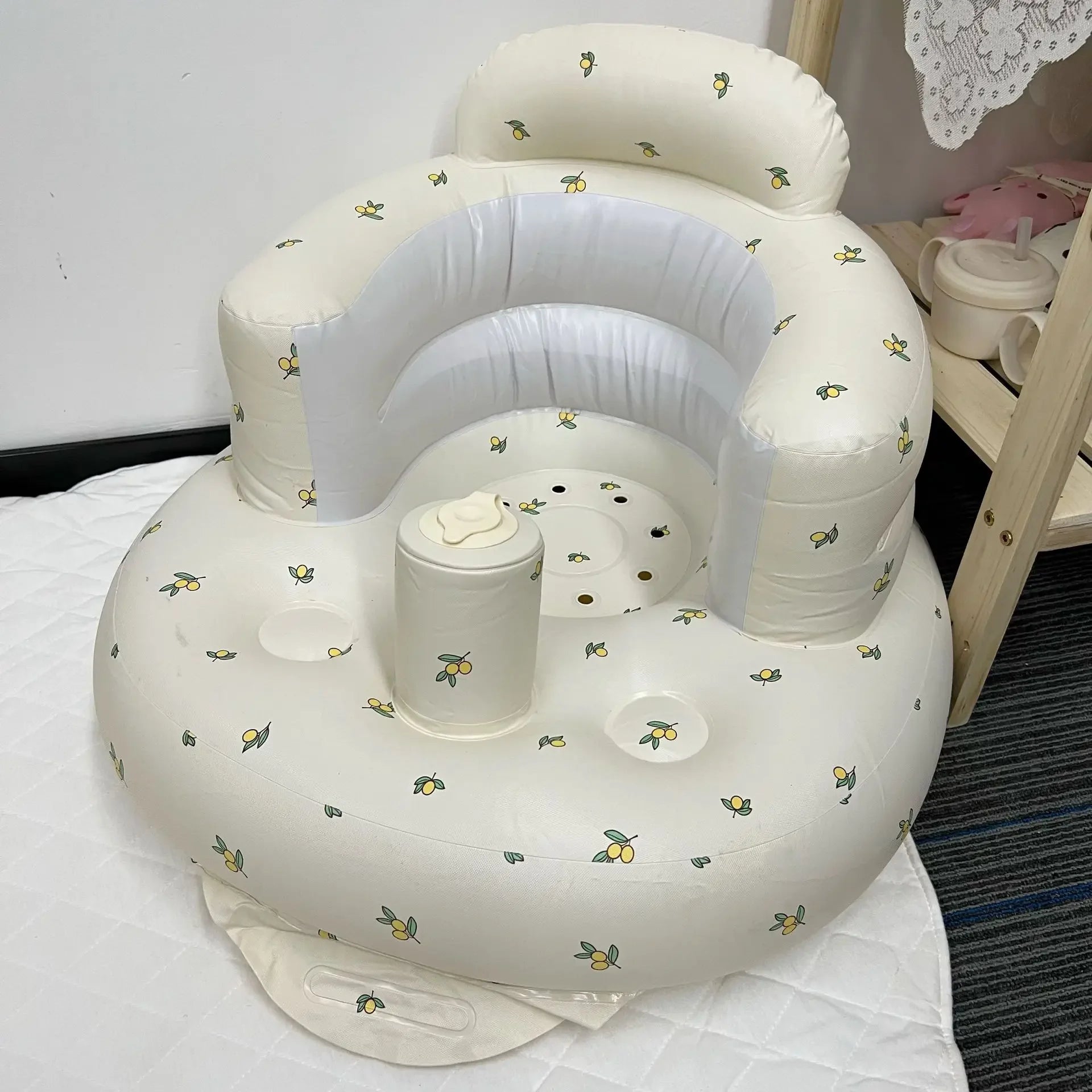
infant portable chair + infant portable lounger — See it in action.
Curious which items make daily routines gentler for baby and parent? Explore options that support early motor skills, supervised play, and everyday development.
What is an infant portable chair and how does it help?
An infant portable chair is a lightweight support seat designed for babies who are beginning to develop the strength needed for upright sitting. It provides gentle support around the hips and trunk, creating a more stable infant seat position during short, supervised practice sessions. Rather than replacing natural movement, the chair serves as a bridge between an infant portable lounger and independent sitting while encouraging balanced posture and controlled body alignment.
Key benefits for early sitters
- Improved stability: Supportive sides and proper leg positioning help reduce wobbling so babies can focus on practicing balance.
- Healthier posture: A well-designed seat encourages a more neutral spine and upright sitting position during supervised use.
- Comfortable practice sessions: Gentle support allows many babies to stay engaged for short periods without becoming tired as quickly.
- Convenient portability: Lightweight designs make it easy to bring sitting practice to grandparents' homes, vacations, or different rooms around the house.
Features that really matter when choosing a seat
The best infant portable chair combines comfort, stability, and ease of use without restricting natural movement. Look for features that support your baby's current developmental stage while making everyday care simpler for parents.
- Stable, wide base: A broad footprint helps reduce tipping as babies shift their weight during supervised sitting practice.
- Hip-friendly design: A supportive seat that encourages a natural, slightly wide-legged position promotes comfortable alignment without forcing posture.
- Firm yet comfortable padding: Cushioned materials should provide support while still allowing babies to feel and respond to body movements as they develop balance.
- Machine-washable or wipe-clean fabric: Easy-clean materials simplify everyday maintenance after spit-up, drool, or snack-time messes.
- Adjustable inserts or support features: Removable inserts can improve fit as your baby grows, extending the usable life of the chair.
- Lightweight, portable construction: A chair that's easy to carry makes it practical for travel, visits with family, or moving between rooms.
Safety must-haves
- Always place the chair on a flat, stable floor—never on tables, countertops, beds, sofas, or other elevated surfaces.
- Use the chair only under constant adult supervision.
- Follow the manufacturer's recommended age, weight, and developmental guidelines before each use.
- Keep practice sessions brief so babies still spend plenty of time on the floor building natural strength through movement and tummy time.
How to use an infant portable chair safely (step-by-step)
- Position the chair on a clean, level, non-slip floor away from stairs, furniture edges, and other hazards.
- Adjust any inserts or supports so your baby's hips are comfortably positioned and the spine remains naturally upright without forcing posture.
- Stay within arm's reach and encourage interaction with age-appropriate toys, books, or conversation instead of leaving your baby seated passively.
- Limit sessions to approximately 10–15 minutes at a time, balancing chair use with tummy time, supported lap sitting, rolling, and free floor play.
- End the session immediately if your baby becomes tired, slouches significantly, cries, or shows signs of discomfort.
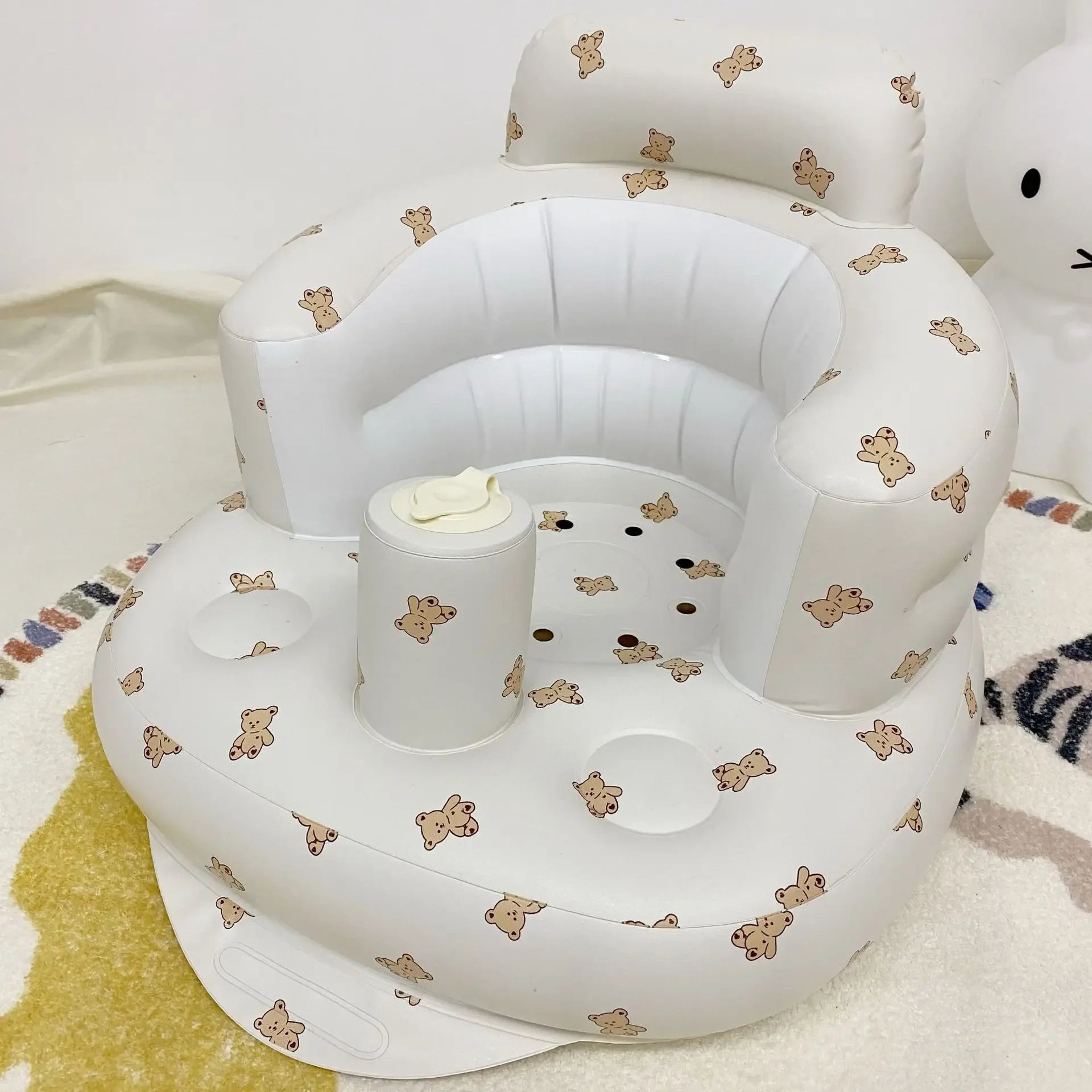
infant portable chair + infant seat position tips — See it in action.
Practical comparisons, safety guidance, and everyday buying tips help you select products that match your baby's developmental stage and your family's routine.
How to pick the right infant portable chair
Choose an infant portable chair based on your baby's current developmental stage, your family's daily routine, and the environments where you'll use it most often. The best seat is one that provides stable support, is easy to clean, and fits comfortably into your home or travel plans while encouraging safe, supervised sitting practice.
- Prioritize stability: Look for a wide, non-slip base that remains steady as your baby shifts weight.
- Check the fit: The seat should comfortably support your baby's hips and torso without forcing an unnatural posture.
- Look for easy cleaning: Removable, machine-washable covers or wipe-clean materials simplify everyday maintenance.
- Consider portability: Lightweight or inflatable designs are convenient for travel, daycare, or visits with family.
- Review safety features: Follow the manufacturer's recommended age and weight limits, and inspect the chair for sturdy construction and durable materials.
- Think about long-term use: A chair that integrates easily into feeding, playtime, and supervised interaction often delivers the greatest everyday value.
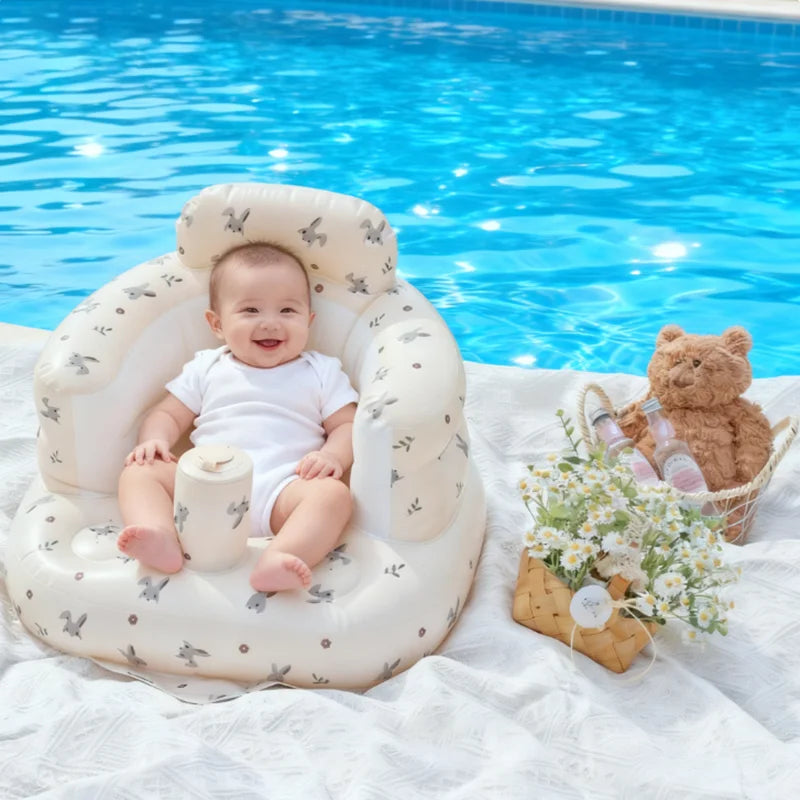
infant portable chair + infant seat position — See it in action.
Families looking for a lightweight option that stores easily between uses may find the inflatable sofa-style infant portable chair especially convenient. Its portable design makes it suitable for supervised sitting practice at home, vacations, or visits with grandparents while remaining easy to clean and pack.
Support comfortable, supervised sitting practice with a portable chair designed for everyday family routines, whether you're at home or on the go.
Age, weight and safety recommendations
An infant portable chair is safest when used according to the manufacturer's age, weight, and developmental guidelines. Most babies are ready for supported sitting only after they demonstrate consistent head control and are beginning to develop trunk strength. Every child reaches milestones at a different pace, so developmental readiness is more important than age alone.
- Always check the product's recommended minimum and maximum weight limits before use.
- Use the chair only for short, supervised sessions on a flat floor.
- Never use the seat for sleep, overnight rest, or unsupervised play.
- Stop using the chair if your baby can climb out, exceeds the weight limit, or no longer fits securely.
- Continue encouraging tummy time and free floor play, as these remain essential for building the strength needed for independent sitting and other motor milestones.
When to stop using a floor seat
As your baby becomes able to sit independently for extended periods and begins crawling, pulling to stand, or attempting to climb, a supportive floor seat becomes less beneficial. At that stage, supervised floor play provides greater opportunities for movement, balance, and overall motor development.
Frequently asked questions
-
When can a baby use an infant portable chair?
Most babies are ready once they have reliable head control and can comfortably hold their head upright during supported sitting. Always follow the manufacturer's recommended age and weight guidelines.
-
Is an infant portable chair safe for everyday use?
Yes, when used correctly. Place the chair only on the floor, supervise your baby at all times, and keep sessions brief so there is still plenty of time for tummy time and unrestricted floor play.
-
How long should a baby stay in a floor seat?
About 10 to 15 minutes per session is appropriate for most babies. Several short sessions throughout the day are generally preferable to one extended period.
-
Can a floor seat delay independent sitting?
Not when used in moderation. Problems are more likely if babies spend excessive time in supportive equipment instead of practicing natural movement on the floor.
-
What is the best seat for a baby learning to sit?
Choose a seat with a stable base, supportive but comfortable design, and materials that are easy to clean. The best option is one that matches your baby's size and developmental stage while meeting current safety recommendations.
-
What's the difference between a floor seat and a high chair?
A floor seat is designed for short, supervised supported sitting on the floor, while a high chair is intended primarily for feeding once a baby has developed sufficient sitting stability.
-
Should babies nap in a floor seat?
No. Infant portable chairs and floor seats are not designed as sleep spaces. Move your baby to a safe sleep surface if they become sleepy.
-
How can I help my baby sit up independently?
Provide daily tummy time, encourage supervised floor play, allow plenty of opportunities to reach for toys, and use a supportive chair only as a temporary aid—not a replacement for natural movement.
Final thoughts: fit the tool to the goal
An infant portable chair works best as one part of a well-rounded developmental routine that includes tummy time, caregiver-supported sitting, and plenty of free floor play. Choosing a stable, age-appropriate chair and using it in short, supervised sessions helps support comfort while your baby develops the strength and coordination needed for independent sitting.
Want product ideas and related items? Explore Baby Care Essentials and find matching accessories under Sleep & Comfort or Mobility & Training to build a simple, supportive routine for your growing baby.
Pillar Article: Upright Infant Seat Reviews: Best Options for Early Sitting Support
Other Related Articles:
- Choosing the Best Infant Sofa Chair for Play and Learning
- Infant Seat for Sitting Up: Top Picks for Safe Baby Posture
- Infant Sitting Chair Comparisons: Which One Suits Your Baby Best
- Top Infant Inflatable Chairs for Comfortable Baby Sitting
Explore More:





