

Does infant stuffy nose at night really need special care?
Yes. Infant stuffy nose at night deserves careful attention because babies rely primarily on their noses to breathe, especially during feeding and sleep. Gentle home care—such as saline drops, a cool-mist humidifier, proper positioning during feeds, and careful suction with a portable nasal aspirator—can safely improve comfort for many infants within 1–3 nights. However, breathing difficulty, fever in young infants, poor feeding, or worsening symptoms require prompt medical evaluation.
⏱ 8 min read
Infant Stuffy Nose at Night Relief Guide: Simple Steps for Better Sleep
If your baby wakes frequently because of a blocked nose, you're not alone. Mild newborn nighttime congestion is extremely common during the first months of life because babies have tiny nasal passages that clog easily. This guide explains what causes infant stuffy nose at night, how to relieve newborn congestion safely, when symptoms are normal, and when it's time to contact your pediatrician. You'll also learn how a portable nasal aspirator can make nighttime care easier when used correctly.
Infant stuffy nose at night and infant stuffy nose relief during bedtime routines.
Is newborn congested at night usually normal?
Usually, yes. A newborn congested at night is often experiencing normal newborn nasal congestion rather than illness. Babies have very small nasal passages, so even a little mucus or dry air can make breathing sound noisy while they sleep.
Newborn nighttime congestion often becomes more noticeable after lying flat for long periods because mucus naturally settles in the back of the nose. Many babies otherwise appear comfortable, feed normally, and have no fever or breathing distress.
You can usually monitor your baby at home if they:
- Feed well between congestion episodes.
- Have normal skin color and breathing.
- Remain alert during awake periods.
- Continue producing normal wet diapers.
- Improve with saline drops and gentle suction.
If congestion is accompanied by fever, worsening breathing problems, poor feeding, or unusual sleepiness, medical evaluation is important.
Why newborns become more congested at night
Newborn nasal anatomy explained
Newborn nasal congestion develops easily because infants have extremely narrow nasal passages. Even a small amount of mucus can partially block airflow, making breathing sound noisy without necessarily indicating serious illness.
Why lying flat increases congestion
When babies sleep on their backs—which remains the safest sleep position—gravity allows mucus to collect inside the nasal passages. This explains why many parents notice their baby congested at night even though daytime symptoms appear mild.
Dry air, mucus, feeding, and reflux
Several everyday factors may contribute to infant nasal congestion sleeping problems:
- Dry indoor air during heating or air conditioning seasons.
- Normal mucus production adapting to new environments.
- Milk residue after feeds that temporarily irritates the nose and throat.
- Mild reflux that causes irritation near the upper airway.
- Minor viral infections that increase mucus production.
Most cases of newborn nasal congestion improve gradually with supportive care and do not require medication.
Is it normal congestion, a cold, allergies, or something else?
Normal newborn congestion
Normal congestion usually causes noisy breathing without fever. Babies generally continue feeding well and symptoms improve with saline and suction.
Viral cold
A cold often produces thicker mucus, coughing, sneezing, fussiness, and congestion lasting about 7–10 days. Feeding may become more difficult because babies cannot breathe comfortably through their noses.
Reflux-related congestion
Some infants develop congestion after feeds due to mild reflux irritating the nasal passages. Keeping babies upright briefly after feeding may help reduce symptoms.
Rare causes requiring evaluation
Persistent congestion from birth, significant breathing difficulty, poor weight gain, or noisy breathing that worsens over time may require evaluation for less common conditions affecting the nose or airway.
How to relieve newborn congestion at night safely
The safest approach combines moisture, gentle mucus removal, and a sleep-friendly environment. These evidence-based steps help many babies breathe more comfortably.
Saline drops before suction
Place 1–2 saline drops into each nostril several minutes before suctioning. Saline loosens thick mucus and reduces irritation.
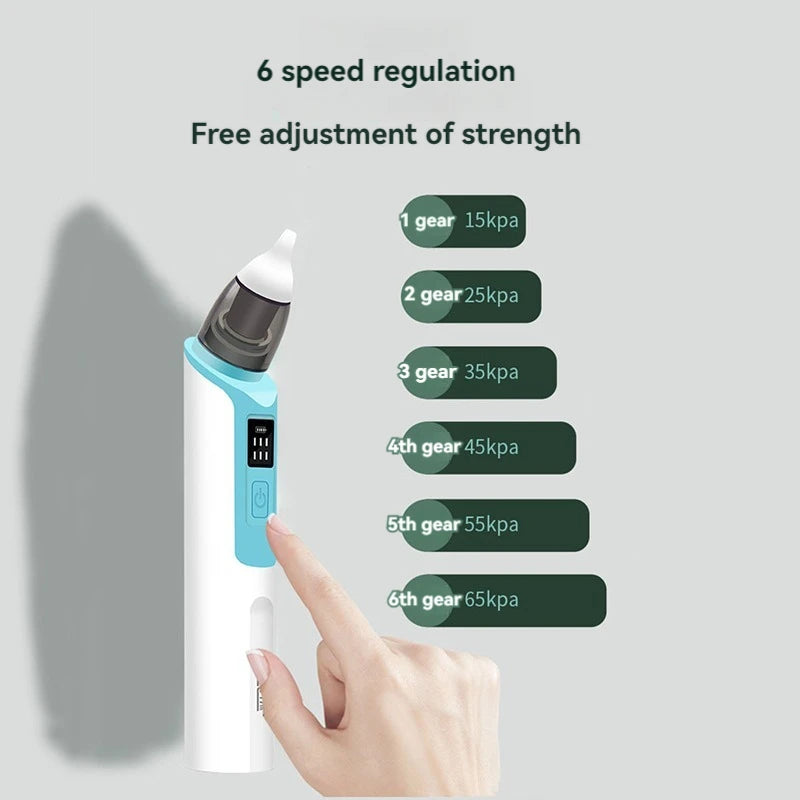
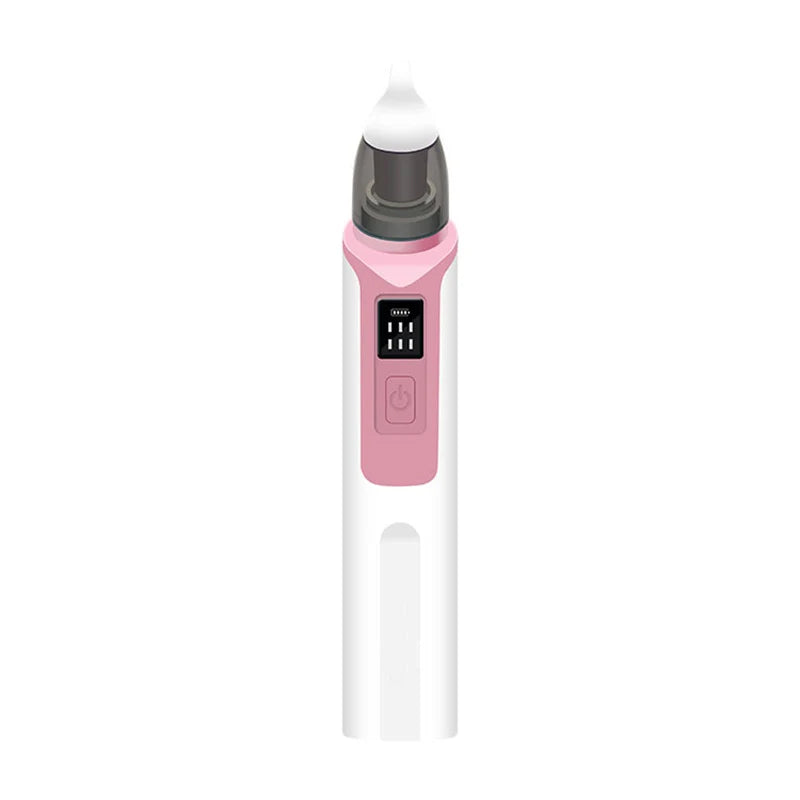
Use gentle suction only when mucus is interfering with feeding or sleep. A portable electric nasal aspirator with infant-sized silicone tips offers consistent suction while minimizing irritation when used according to the manufacturer's instructions.
If you're considering an easy-to-clean option, the Baby Electric Nasal Aspirator provides adjustable suction suitable for newborn congestion treatment when used appropriately.
Humidifier and room humidity
A cool-mist humidifier can help keep nasal passages moist, making mucus easier to clear. Clean the humidifier regularly according to manufacturer recommendations to prevent mold or bacterial growth.
Feeding and positioning before sleep
- Feed your baby in a more upright position.
- Burp thoroughly after feeding.
- Hold your baby upright for several minutes before placing them back to sleep.
- Always place babies flat on their backs to sleep.

Infant stuffy nose relief and newborn congestion treatment using gentle suction after saline drops.
Safe sleep recommendations for congested newborns
Helping a congested newborn sleep begins with following safe sleep guidelines.
- Always place babies on their backs to sleep.
- Do not use pillows, wedges, rolled towels, or sleep positioners.
- Do not elevate the mattress with objects underneath unless specifically instructed by your healthcare provider.
- Keep the sleep space free of blankets, stuffed animals, and loose bedding.
- Maintain a comfortable room temperature and avoid cigarette smoke or strong fragrances.
Although congestion may tempt parents to elevate the baby's head, current safe sleep recommendations advise keeping the sleep surface flat and firm.
Sample bedtime routine for a congested newborn
A simple 30-minute routine can help reduce nighttime congestion.
- Give a warm bath or spend a few minutes in a comfortably humid bathroom.
- Feed your baby while holding them upright.
- Burp thoroughly after feeding.
- Place 1–2 saline drops into each nostril.
- Wait about 30–60 seconds.
- Use a portable nasal aspirator only if mucus remains visible or interferes with breathing.
- Turn on a clean cool-mist humidifier if recommended for your home environment.
- Lay your baby on their back in an empty crib.
When to call your pediatrician or seek emergency care
Call your pediatrician today
- Congestion lasts longer than 7–10 days.
- Your baby is feeding poorly or has fewer wet diapers.
- Symptoms continue getting worse instead of improving.
- Your infant younger than 3 months develops a fever of 100.4°F (38°C) or higher.
Go to the emergency department now
- Fast or difficult breathing.
- Blue lips, face, or tongue.
- Severe chest retractions.
- Extreme sleepiness or difficulty waking.
- Repeated pauses in breathing.
Newborn congestion treatment may include saline, gentle suction, and careful monitoring for warning signs.
Frequently asked questions
-
Why is my newborn only congested at night?
Because mucus settles when babies lie flat and nighttime air is often drier, congestion frequently sounds worse during sleep than during the day. -
How can I help my congested newborn sleep safely?
Use saline drops, suction only when necessary, maintain comfortable humidity, feed upright before bedtime, and always place your baby on their back on a firm, flat mattress. -
Can newborns breathe through their mouths when congested?
Newborns primarily breathe through their noses. While they can breathe through their mouths in some situations, significant nasal blockage can interfere with feeding and sleep. -
Should I suction my newborn's nose before every feeding?
Only if congestion is making feeding difficult. Over-suctioning may irritate the nasal lining. -
How often can I use saline drops for newborn congestion?
Saline drops are generally safe to use as needed to loosen mucus, especially before gentle suction. -
Can a humidifier help newborn nighttime congestion?
Yes. A clean cool-mist humidifier may keep nasal passages moist and make mucus easier to clear. -
How long does newborn nasal congestion usually last?
Normal newborn congestion often improves over several days. Viral illnesses commonly last about one week, although mild congestion can linger slightly longer. -
When should I worry about my newborn's congestion?
Seek medical care if your baby develops fever, breathing difficulty, poor feeding, dehydration, blue lips, or symptoms that steadily worsen.
Key takeaways for calmer nights
- Most newborn congested at night episodes are caused by tiny nasal passages and normal mucus production.
- Saline drops, gentle suction, upright feeding, and a cool-mist humidifier provide safe newborn congestion relief at night.
- Always follow safe sleep practices by placing your baby flat on their back without pillows or wedges.
- Watch carefully for warning signs including breathing difficulty, fever, dehydration, or poor feeding.
- Most mild infant stuffy nose at night episodes improve within several days with supportive care.
Parents facing infant stuffy nose at night often find that gentle, consistent care makes the biggest difference. If you need an easy-to-clean device designed for infant nasal care, the Baby Electric Nasal Aspirator can be paired with nursery essentials from Baby Care Essentials .
Extra resources: For feeding and positioning advice during congestion, explore Feeding & Nursing and for overall baby health checklists, see Health & Safety .
Pillar Article: Infant Electric Nasal Aspirator Benefits Explained: Why Modern Suction Works Better
Other Related Articles:
Explore More:





