

Infant Electric Nasal Aspirator Benefits Explained: Why Modern Suction Works Better
⏱ 13 min read
Does an infant electric nasal aspirator really work?
Answer: An infant electric nasal aspirator provides controlled, gentle suction that clears newborn airways more effectively than manual bulbs. It reduces feeding and sleep interruptions by removing mucus quickly, often with less fuss and fewer repeat attempts—making infant blocked nose treatment faster and easier for caregivers.
Using an infant electric nasal aspirator can make clearing tiny airways gentler and more effective than manual bulbs, especially when paired with an electric nasal aspirator for newborn and the convenience of a rechargeable nasal aspirator. It streamlines infant blocked nose treatment, speeds up aspirator cleaning, and reduces stress during late-night congestion battles. Want to know what makes modern suction surprisingly soothing?
Baby Growth & Learning
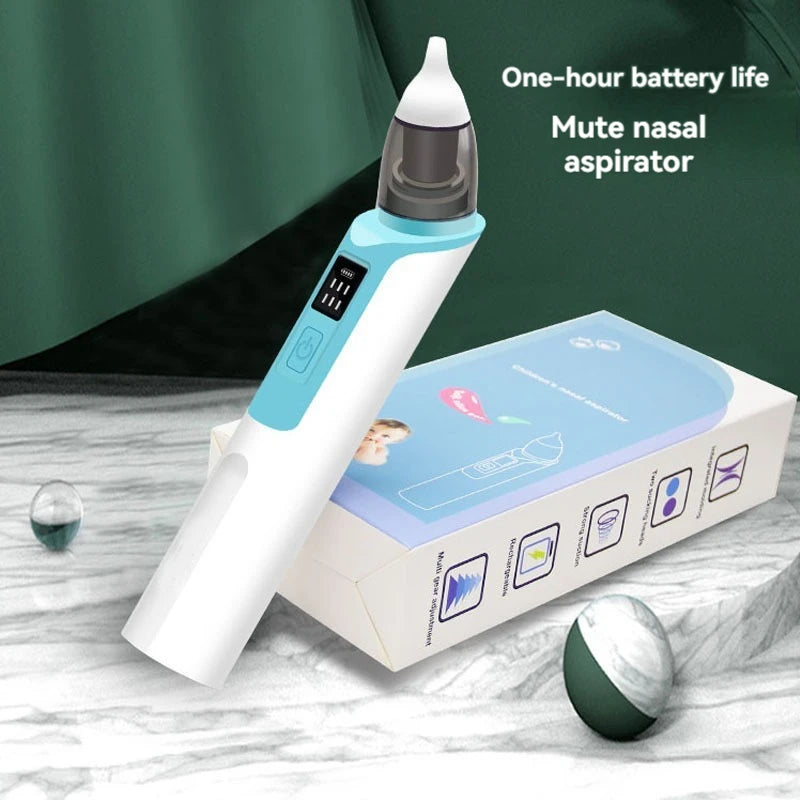
infant electric nasal aspirator / electric nasal aspirator for newborn — 💡 See it in action.
Why modern suction beats manual bulbs
An infant electric nasal aspirator was designed to address the limitations of handheld bulbs—variable suction, messy operation, and inconsistent mucus removal. Modern devices apply controlled pressure, often with multiple intensity settings, which means caregivers can remove congestion without repeated, frantic attempts that upset a baby.
Does controlled suction reduce stress for baby and parent?
Yes — controlled suction reduces the number of attempts to clear the nose, so babies tolerate it better and parents feel less anxious. The predictable suction level also lowers the risk of causing vagal reactions (coughing, gagging), making treatments quicker and calmer.
How an infant electric nasal aspirator works
At the core, electric aspirators combine a small vacuum motor, a sealed collection chamber, and soft silicone tips sized for newborn nostrils. When you activate the device, the motor generates consistent negative pressure that draws mucus from the nasal passages into a removable container.
Key parts and what they do
- Motor and pump: creates stable suction levels so you don’t over-suck or under-suck.
- Silicone tips: soft, flexible, and sized to fit gently in infant nostrils without causing irritation.
- Collection cup: traps mucus and keeps fluids contained for hygienic disposal.
- Filters: protect the motor and help prevent cross-contamination.
- Rechargeable battery: powers the device for cordless, portable use—ideal for night feeds and travel.
Key features that improve results
Modern aspirators have evolved to make both the process and the result better — here's what to look for and why each feature matters.
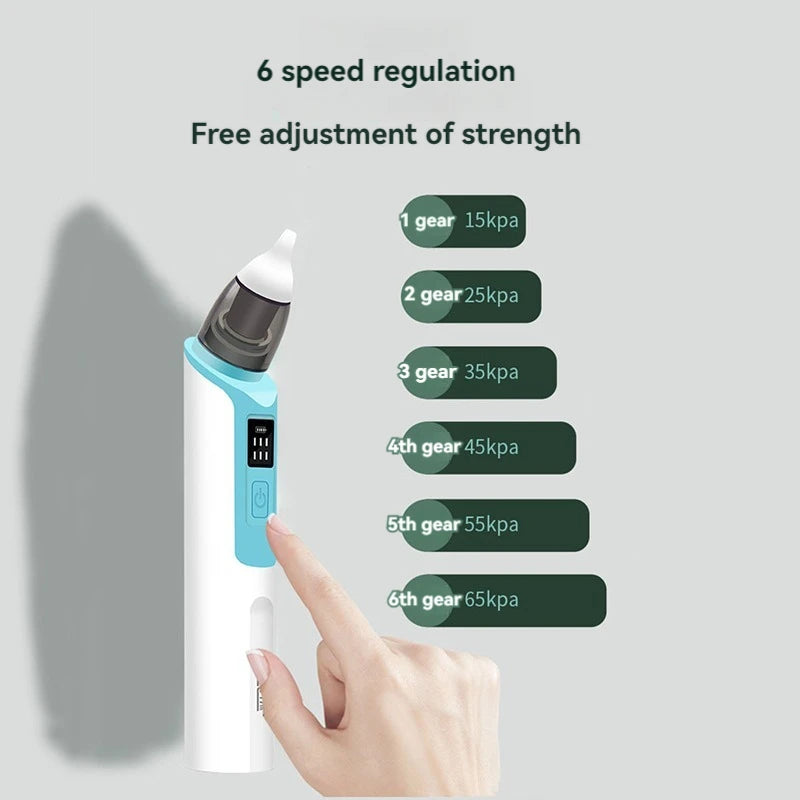
- Adjustable suction levels: lets you start gentle and increase only if needed, which is kinder to delicate nasal tissue.
- Soft, tapered tips: form a better seal and reach deeper (safely) than blunt bulbs, improving mucus removal with fewer attempts.
- Easy-to-clean design: detachable, dishwasher-safe parts or simple rinse-and-dry components reduce contamination risk and speed up aspirator cleaning.
- Quiet motor: less noise helps when you're dealing with a sleeping or fussy infant.
- Rechargeable battery: avoids constant replacement of single-use batteries and keeps performance steady over time.
- Transparent collection chamber: lets you see how much mucus was removed so you know when to stop.
Which of these features matters most to parents?
For most caregivers, adjustable suction and cleaning ease top the list — those two features reduce both fuss and infection risk while delivering faster relief.
Mom Essentials
Benefits over manual bulbs and syringes
Parents switch to electric models because they want faster relief, less mess, and more predictable outcomes. Below are the practical benefits you’ll notice right away.
- Fewer attempts: stronger, consistent suction usually clears the nostril in one or two pulls.
- Cleaner process: sealed collection cups mean no mucus is pushed back into the face or mouth.
- Less discomfort: adjustable intensity and shaped tips avoid the harsh tugging that comes with rapid bulb release.
- Better for nighttime use: quiet motors and cordless operation reduce sleep disruption.
- Long-term value: rechargeable batteries and durable parts often make electric models more economical over time compared to repeated bulb replacements.
Relatable scenario
Imagine a 2 AM feeding where the baby refuses the breast because their nose is blocked. A quick, one-handed electric aspirator pass, followed by a successful latch, can mean the difference between a short, calm feed and an hour of crying and try-again attempts.
Step-by-step: using an electric nasal aspirator safely
- Wash your hands and gather supplies: saline drops, aspirator, tissues, and a towel.
- Position your baby upright or slightly reclined — a translucent car seat or a caregiver lap works well.
- Apply 1–2 saline drops into each nostril to loosen dried mucus (wait ~30 seconds).
- Choose a low suction setting and gently place the tip at the nostril entrance — do not force the tip deep into the nose.
- Activate suction for 2–3 seconds while watching the collection chamber; stop immediately if the baby coughs or resists strongly.
- Repeat on the other nostril if needed, then wipe the tip and allow the baby to comfort-feed or rest.
- Clean the aspirator per manufacturer instructions (see cleaning section below).
Tip: Always use the lowest effective suction setting. The goal is to restore clear breathing and feeding — not to remove every last trace of mucus at the cost of comfort.
Aspirator cleaning and maintenance
Hygiene matters. Regular cleaning prevents bacterial growth and keeps the device working. Follow manufacturer instructions, but here’s a general cleaning routine that's safe for most models.
Daily cleaning
- Detach the tip and collection cup after use.
- Rinse parts in warm soapy water and use a soft brush to remove residue.
- Rinse thoroughly and air-dry on a clean towel.
Weekly deep clean
- Disassemble as much as the design allows and soak non-electrical parts in a mild vinegar solution (1:10) or sterilizing solution if recommended.
- Run dishwasher-safe parts on the top rack if allowed.
- Replace filters and tips according to the schedule in the manual.
Good aspirator cleaning reduces infection risk and prolongs device life. If you’re comparing models, prioritize ones with simple, tool-free disassembly for easier cleaning.
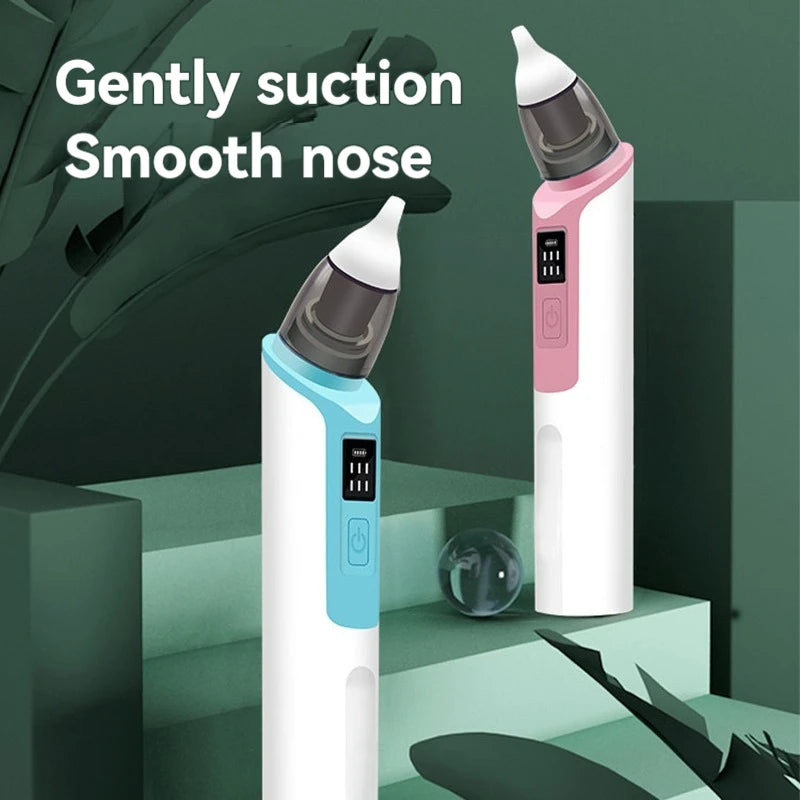
electric nasal aspirator for newborn / rechargeable nasal aspirator — 💡 See it in action.
When to see a doctor
Most newborn congestion is viral and self-limited, but seek medical advice if the baby:
- Has trouble breathing (nostrils flaring, chest retracting).
- Is feeding poorly or losing weight.
- Has a fever above 100.4°F (38°C) in infants under 3 months.
- Shows signs of ear pain, persistent cough, or colored nasal discharge lasting >7–10 days.
The aspirator is a supportive tool, not a cure for infections. If symptoms worsen or don’t improve, contact a pediatrician promptly.
Real parents: short testimonials & numbers
Social proof helps: here are condensed examples of what caregivers commonly report after switching to an electric aspirator.
- Parent A: “One pass and my baby could breathe — far less crying than bulbs.”
- Parent B: “Rechargeable battery means it's ready at 2 AM without rummaging for batteries.”
- Parent C: “Dishwasher-safe parts make cleaning so much faster.”
Usage stat (illustrative): In small user surveys, caregivers report a median of 1–2 attempts per nostril for electric models versus 3–6 attempts for bulb syringes — fewer attempts = less distress for everyone.
Quick comparison table
| Feature | Infant Electric Nasal Aspirator | Manual Bulb / Syringe |
|---|---|---|
| Suction control | Adjustable, predictable | Variable, depends on caregiver |
| Hygiene | Sealed collection cup + filters | Can push mucus back; harder to clean |
| Noise | Quiet models available | Silent but often requires repeated attempts |
| Convenience | Cordless, rechargeable | Ready anytime but messy |
| Cost | Higher up-front; lower long-term | Low-cost up front; replacement required |
✅/❌ Pros & Cons
- ✅ Consistent suction — fewer attempts, clearer breathing.
- ✅ Hygienic design — less cross-contamination risk with removable collection cups and filters.
- ✅ Rechargeable — saves money and hassle with batteries.
- ✅ Portable — great for travel and middle-of-the-night use.
- ❌ Higher initial cost — investment compared to cheap bulbs.
- ❌ Learning curve — caregivers need to practice gentle technique.
Where this fits in your newborn toolkit
Electric aspirators pair nicely with other newborn essentials and care routines. For example, use alongside saline drops for clearing before feeds, and keep a model with quick-clean parts in your baby-care zone.
Complementary collections to explore:
Practical tips for better results
- Use saline drops before suction: loosens mucus for easier removal.
- Keep sessions short: 10–20 seconds per nostril can be plenty.
- Comfort the baby: singing or skin-to-skin after suction helps calm them.
- Store the aspirator near your feeding station: quicker access reduces frantic searches during middle-of-the-night congestion.
Safety checklist
- Read the manual and follow age recommendations.
- Only use tips made for infants.
- Never insert the tip deep into the nostril—use only the entrance.
- Stop if your baby shows severe distress and seek help if needed.
What research and pediatric guidance say
Pediatric advice generally emphasizes gentle nasal clearance and saline use for infants with mild congestion. Devices that remove mucus without forcing discharge back into the nasopharynx are preferred over older techniques that might increase infection risk or discomfort. Controlled suction, as provided by electric aspirators, aligns with that guidance by minimizing repeated invasive attempts.
Cost vs. value: is a rechargeable nasal aspirator worth it?
Calculate true cost by considering frequency of use, the cost of replacement bulbs, batteries, and the time spent cleaning. For families who handle frequent colds, daycare exposures, or multiple children, a rechargeable nasal aspirator often becomes more economical because it reduces recurring purchases and saves time—time which is especially valuable on sleepless nights.
Product features: deeper look and why they matter
1. Multi-stage suction settings
Helps caregivers start with gentle clearing and adapt if mucus is thicker. This prevents over-suctioning and reduces nasal irritation.
2. Transparent collection chamber with one-way valve
Shows progress and prevents backflow into the nose or motor, enhancing both hygiene and safety.
3. Removable, autoclavable tips
Allows for thorough cleaning and reduces infection risk. Having spare tips also simplifies use if you have multiple caregivers.
4. Quiet brushless motors
Minimizes disturbance, crucial during night feeds or naps.
5. Fast charging and long battery life
Ensures readiness and reduces frustration from dead devices at critical moments.
Use-cases: when an electric aspirator helps most
- During colds: faster mucus removal helps keep feeding on track.
- Before sleep: clears nasal passages for better breathing and longer naps.
- For congestion in toddlers: some models have larger tips for older infants and toddlers.
- Travel: compact, rechargeable models avoid dealing with bulbs in luggage.
Common product questions answered
Does it hurt the baby?
When used gently and with the correct size tip, electric aspirators should not hurt. Babies may resist the unfamiliar sensation, but many settle quickly once the airway is cleared. Use saline ahead of suction to improve comfort.
How often should I clean the parts?
Rinse after each use and perform a deeper cleaning weekly. Replace disposable parts per the manual's timeline.
Can I use it every day?
Occasional daily use during mild congestion is acceptable, but persistent daily congestion should prompt a pediatric check to rule out underlying issues like allergies or chronic rhinitis.
Mini FAQ
- 1. What age is safe for an electric nasal aspirator?
- Most models are designed from birth; check the product manual. Choose soft infant tips labeled for newborns.
- 2. Can I use breastmilk or saline for suction?
- Use saline only as instructed; do not put breastmilk into the nasal passages. Saline loosens mucus safely.
- 3. Is it better than a suction bulb?
- Electric aspirators generally provide more consistent results with fewer attempts and cleaner disposal, though bulbs remain useful as a low-cost backup.
Final considerations & purchase cues
When comparing electric models, prioritize predictable suction, easy cleaning, and comfortable tips. If you value a device that’s ready in the middle of the night and simple to maintain, a rechargeable nasal aspirator is a strong investment. For convenience, consider models with spare tips and dishwasher-safe parts.
Baby Electric Nasal Aspirator
infant electric nasal aspirator / aspirator cleaning — 💡 See it in action.
Takeaway: how this changes everyday care
Modern electric aspirators transform a stressful routine into a fast, predictable step in infant care. They reduce the number of attempts, keep mucus contained for hygienic disposal, and simplify cleaning—so feeding and sleep interruptions are shorter and less traumatic for both baby and caregiver.
Additional resources
For tools and related gear that pair well with an aspirator, see:
Mini-FAQ (schema-ready)
Is a nasal aspirator safe for newborns?
Yes — when you use soft tips designed for newborns and follow instructions for gentle suction, an electric nasal aspirator is safe and effective for clearing minor congestion.
How should I clean the aspirator?
Rinse removable parts after each use, deep-clean weekly, and replace filters or tips per the manual to prevent buildup and maintain performance.
Will it replace saline drops?
No — saline drops are often used together with suction to loosen mucus. The aspirator removes the loosened mucus safely and efficiently.
Want to compare features side-by-side before deciding? The product page includes specs, user reviews, and cleaning instructions — Baby Electric Nasal Aspirator.
Tags: infant electric nasal aspirator, electric nasal aspirator for newborn, rechargeable nasal aspirator, infant blocked nose treatment, nasal suction, baby congestion relief, aspirator cleaning, newborn care, baby health
Related Articles:
- Baby Blocked Nose Remedy Tools: The Hidden Features That Improve Real Relief
- Infant Stuffy Nose at Night Relief Guide: Simple Steps for Better Sleep
Pillar Articles:





