

Best Toys for Preschool Classroom That Keep Kids Engaged
What are the best learning toys for preschool age?
The best learning toys for preschool age support hands-on exploration, problem-solving, communication, creativity, motor development, and early academic skills. For classrooms, the strongest choices are durable, age-appropriate, easy to share, and flexible enough for both independent and small-group play.
Best Toys for Preschool Classroom: Top Picks by Learning Category
The best toys for preschool classroom settings do more than keep children occupied. They give teachers practical ways to support early math, STEM, literacy, sensory exploration, creativity, social-emotional learning, and problem-solving while fitting real classroom needs such as group size, storage, durability, and repeated daily use. This guide breaks down the best preschool toys by learning category and explains how to choose options that deliver lasting classroom value.
⏱ 5 min read
Choosing classroom toys can be difficult when a toy needs to be engaging enough for repeated use but purposeful enough to support meaningful learning. A strong preschool classroom collection includes a mix of open-ended materials, skill-building toys, creative resources, and cooperative-play options rather than relying on one type of toy.
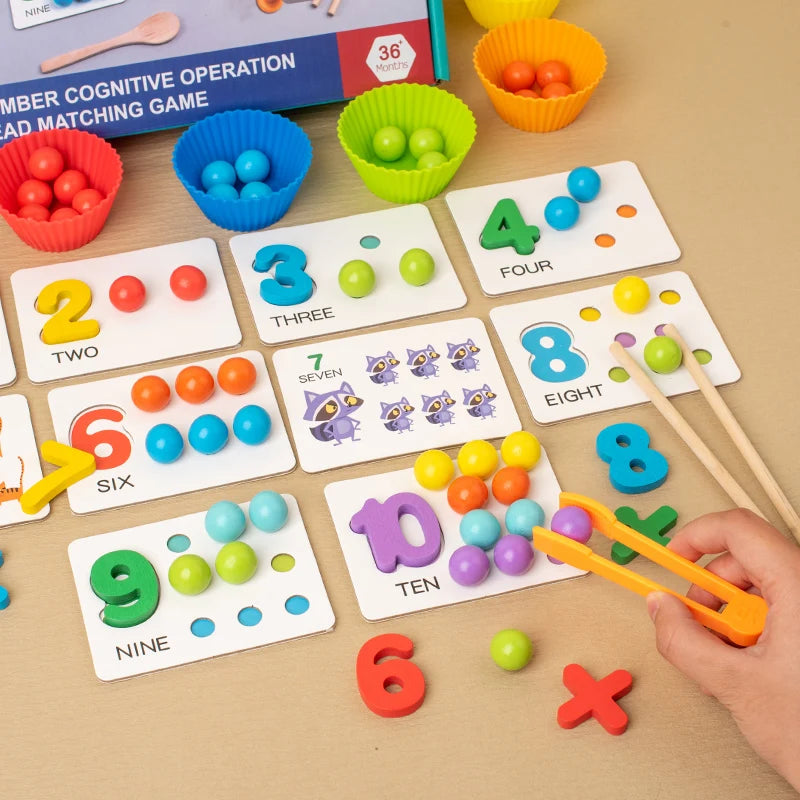
See it in action - best learning toys for preschool / children lose interest in early math learning, screen time replacing hands on learning, best educational toys for early math skills, durable wooden educational toys for children
Best Toys for Preschool Classroom: Top Picks by Learning Category
The best preschool toys cover different areas of development, so teachers can build a balanced classroom collection instead of choosing toys based on appearance alone. The categories below highlight common classroom uses, developmental benefits, and the types of play each category can support.
Best STEM toys
STEM toys encourage children to explore cause and effect, test ideas, build structures, and solve simple problems. Building sets, connecting pieces, ramps, gears, and age-appropriate science materials can work especially well in learning centers because children can experiment with different solutions.
- Learning benefits: Problem-solving, spatial reasoning, early engineering, and logical thinking
- Classroom use: Building centers, partner challenges, and teacher-guided exploration
- Best for: Children who enjoy constructing, testing, and figuring out how things work
Best literacy and language toys
Preschool literacy toys can make language practice more interactive. Letter manipulatives, picture-matching materials, storytelling props, sequencing activities, and simple word games give children opportunities to build vocabulary and communicate while playing.
- Learning benefits: Vocabulary, letter awareness, listening, storytelling, and communication
- Classroom use: Reading centers, storytelling stations, and small-group language activities
- Best for: Early learners developing language and pre-reading skills
Best math and counting toys
Math manipulatives make abstract concepts more concrete. Counting pieces, sorting materials, number boards, pattern activities, and Montessori-style teaching aids can help children explore quantities, sequences, shapes, and basic relationships through physical interaction.
- Learning benefits: Counting, sorting, number recognition, patterns, and early problem-solving
- Classroom use: Math centers, teacher-led demonstrations, and independent practice
- Best for: Preschoolers building foundational early math understanding
One approved example is this children math teaching aids Montessori wooden set , which combines hands-on manipulation with counting, sorting, and problem-solving practice.
Best sensory and fine motor toys
Sensory and fine motor materials give children opportunities to touch, manipulate, sort, squeeze, place, and explore. Pegs, threading materials, textured objects, shape sorters, and other hands-on resources can support coordination while providing focused play.
- Learning benefits: Hand-eye coordination, grasp control, concentration, and sensory exploration
- Classroom use: Fine motor stations, sensory centers, and quiet independent activities
- Best for: Children who benefit from tactile and manipulative learning experiences
For additional sensory-based options, explore Sensory Toys .
Best dramatic play toys
Dramatic play materials let children act out familiar experiences and create their own scenarios. Play kitchens, pretend food, dolls, costumes, community-role props, and classroom dramatic-play accessories can support language and social interaction.
- Learning benefits: Communication, imagination, cooperation, sequencing, and social understanding
- Classroom use: Pretend-play centers and small-group cooperative activities
- Best for: Children who enjoy role-playing and creating stories
Best building and construction toys
Building toys encourage children to plan, construct, adjust, and try again. Blocks and construction materials can be used alone or with peers, making them valuable for both independent exploration and collaborative classroom challenges.
- Learning benefits: Spatial reasoning, planning, creativity, and problem-solving
- Classroom use: Construction centers and group building projects
- Best for: Open-ended exploration and collaborative play
Best puzzles and problem-solving toys
Puzzles give preschoolers a clear challenge while allowing them to work through a problem at their own pace. Matching puzzles, sequencing games, shape puzzles, and age-appropriate logic activities can encourage persistence and visual reasoning.
- Learning benefits: Reasoning, visual discrimination, concentration, and persistence
- Classroom use: Quiet centers, independent work, and teacher-supported activities
- Best for: Children ready for structured problem-solving challenges
Best art and creativity toys
Art materials provide opportunities for children to make choices, experiment with materials, and communicate ideas visually. Drawing tools, washable paints, clay, collage materials, and other age-appropriate resources can support creativity without requiring one correct outcome.
- Learning benefits: Creativity, fine motor practice, self-expression, and decision-making
- Classroom use: Art centers and teacher-guided creative projects
- Best for: Open-ended creative exploration
Best social-emotional learning toys
Social-emotional learning toys can give preschoolers simple ways to explore feelings, relationships, communication, and cooperation. Dolls, emotion cards, puppets, cooperative games, and role-play materials can help teachers introduce these concepts naturally during play.
- Learning benefits: Emotional vocabulary, communication, empathy, cooperation, and turn-taking
- Classroom use: Circle time, dramatic play, and small-group activities
- Best for: Building social skills through guided and imaginative play

See it in action - best learning toys for preschool / children lose interest in early math learning, screen time replacing hands on learning, best educational toys for early math skills, durable wooden educational toys for children
What Features Should Educational Toys for Toddlers Include?
Although preschool classroom toys are used by children at different stages of development, the most useful learning toys share several practical features. Teachers need materials that can withstand frequent use while remaining easy to understand, organize, clean, and adapt to different learning goals.
Open-ended play
Open-ended toys allow children to use the same material in multiple ways. Blocks can become buildings, roads, patterns, or imaginary objects, while loose manipulatives can support counting, sorting, matching, and creative activities. This flexibility can increase the long-term value of a classroom toy.
Durability for classroom use
Classroom toys are handled repeatedly by multiple children, so durability matters. Look for sturdy construction, materials appropriate for frequent use, and designs that can withstand regular cleaning and storage. Durable wooden educational toys for children can be useful when their construction and finish are suitable for classroom routines.
Safety and certifications
Safety should come before appearance or novelty. Choose age-appropriate toys from reputable manufacturers and follow the manufacturer's safety, cleaning, and supervision guidance. Teachers should also check classrooms regularly for damaged, loose, or worn components and remove unsuitable materials from circulation.
Easy storage and cleanup
A toy can have strong learning value and still be impractical if it takes too long to organize. Containers, stackable components, clearly defined sets, and easy-to-clean surfaces can make classroom management easier and reduce lost pieces.
Support for collaborative learning
The strongest classroom collections include toys that can be shared. Building materials, dramatic-play props, cooperative games, and group puzzles can create opportunities for children to communicate, take turns, negotiate roles, and solve problems together.
Quick Comparison of the Best Preschool Classroom Toys
| Learning Category | Primary Learning Objective | Recommended Age | Group Size | Price Range | Durability |
|---|---|---|---|---|---|
| STEM and construction | Problem-solving and spatial reasoning | 3–5 | 1–4 children | Moderate | High when well constructed |
| Literacy and language | Vocabulary and early literacy | 3–5 | 1–4 children | Low to moderate | Moderate to high |
| Math and counting | Counting, sorting, patterns, and number concepts | 3–5 | 1–4 children | Low to moderate | High when designed for repeated use |
| Sensory and fine motor | Coordination and tactile exploration | 3–5 | 1–3 children | Low to moderate | Varies by material |
| Dramatic play | Communication and social development | 3–5 | 2–6 children | Moderate | Moderate to high |
| Art and creativity | Self-expression and creativity | 3–5 | 1–6 children | Low to moderate | Varies by material |
How to Choose the Best Learning Toys for Your Preschool Classroom
The best preschool learning toys are not necessarily the most expensive or the most visually complex. Start with the skills your classroom needs to practice, then consider how many children will use each toy, where it will be stored, and how often it can be reused.
Match toys to learning goals
Begin with your classroom learning objectives. If children need more practice with counting and patterns, prioritize math manipulatives. If language development is a focus, choose storytelling and vocabulary materials. For problem-solving, consider puzzles, construction toys, and simple STEM activities.
Choose by classroom size
A toy designed for one child may not work well when six children want to use it simultaneously. For larger groups, prioritize materials that can be divided into several sets or used collaboratively. This reduces waiting and gives more children active play time.
Balance independent and group play
A balanced classroom should include toys for quiet independent exploration as well as materials that encourage cooperation. Independent puzzles and manipulatives can support focused work, while dramatic play, construction, and cooperative games can encourage communication and shared problem-solving.
Plan for rotation and storage
Toy rotation can keep familiar materials interesting while reducing clutter. Store complete sets in clearly labeled containers and rotate selected materials based on current classroom themes, developmental goals, and children's interests. Planning storage before purchasing can also prevent a classroom from becoming overloaded with unused toys.
Recommended Toys by Preschool Age
Age ranges can help teachers choose developmentally appropriate materials, but individual children develop at different rates. Always follow the manufacturer's age guidance and consider children's abilities, classroom supervision, and the complexity of each activity.
Ages 3–4
For younger preschoolers, prioritize simple manipulatives, matching activities, large construction pieces, basic puzzles, pretend-play materials, and sensory or fine motor activities. Toys should have clear actions that children can understand while still leaving room for exploration.
Ages 4–5
Older preschoolers can often handle more complex puzzles, multi-step building activities, early math games, sequencing tasks, storytelling materials, and collaborative challenges. Toys that introduce increasing levels of difficulty can help children continue practicing familiar skills in new ways.
Mixed-age classrooms
Mixed-age classrooms benefit from materials with multiple levels of challenge. Open-ended construction sets, sorting materials, dramatic-play props, art supplies, and manipulatives can be adapted so younger children practice basic skills while older children take on more complex tasks.
Teacher Tips for Getting the Most from Preschool Learning Toys
Even the best preschool toys work better when teachers intentionally organize how children access and use them. A simple classroom system can turn individual toys into repeatable learning opportunities.
- Use learning centers: Assign toys to clear areas such as math, literacy, construction, sensory, art, or dramatic play.
- Plan small-group activities: Use teacher guidance to introduce a new toy, model a strategy, or extend children's thinking.
- Rotate toys: Keep a smaller selection available at one time and change materials based on interests and learning goals.
- Observe and assess: Watch how children use materials to identify skills they have mastered and areas where additional support may help.
- Encourage multiple solutions: Ask open questions that invite children to explain, compare, predict, and try again rather than simply giving them the answer.
For broader classroom planning, pair learning activities with practical resources such as Health & Safety .
Frequently Asked Questions
What are the best learning toys for preschool age?
The best learning toys for preschool age include construction sets, puzzles, math manipulatives, literacy materials, sensory and fine motor toys, dramatic-play props, art materials, and cooperative games. The right choice depends on the child's developmental readiness and the classroom learning goal.
Which toys are beneficial for preschoolers' development?
Toys that encourage children to manipulate objects, solve problems, communicate, create, build, sort, count, and cooperate can support a broad range of preschool development. Open-ended toys are particularly useful because they can be adapted to different skill levels.
What features should educational toys for toddlers include?
Useful educational toys should be age-appropriate, durable, safe, easy to clean and store, and capable of supporting meaningful play. Open-ended design and opportunities for collaborative learning can also increase their classroom value.
How many toys should a preschool classroom have?
There is no single ideal number of learning toys for every preschool classroom. The appropriate amount depends on class size, available storage, learning goals, and how often materials are rotated. A smaller, well-organized collection can be more useful than a large collection that is difficult to manage.
What toys encourage cooperative play in preschool classrooms?
Building sets, dramatic-play materials, cooperative games, large puzzles, and shared art projects can encourage children to communicate, take turns, plan together, and solve problems as a group.
How do teachers choose durable classroom toys?
Teachers should look for age-appropriate materials made for repeated use, inspect construction and components, consider cleaning requirements, and choose designs that are easy to store. Manufacturer safety information and age recommendations should also be reviewed before classroom use.
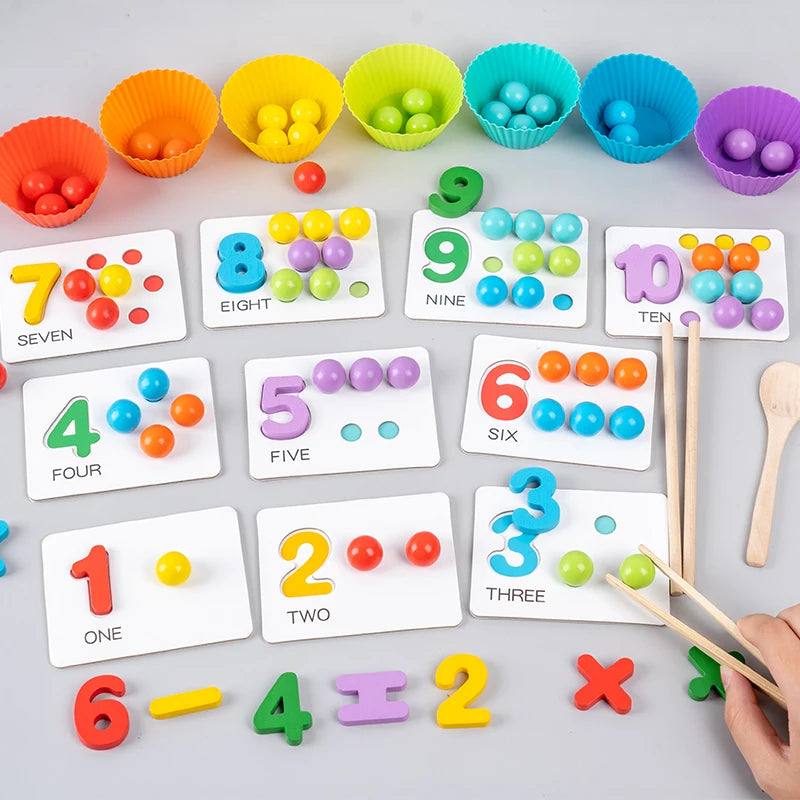
See it in action - best learning toys for preschool / children lose interest in early math learning, screen time replacing hands on learning, best educational toys for early math skills, durable wooden educational toys for children
Ready to build a more purposeful preschool classroom? The best preschool toys combine meaningful learning opportunities with durability, flexibility, and age-appropriate play. By choosing materials across math, STEM, literacy, creativity, sensory development, problem-solving, and social learning, teachers can create a classroom environment where children have more ways to explore, practice, and learn through play.
Pillar Article: Educational toys math: Key features that boost early skills
Other Related Articles:
Explore More:





