

Educational toys math: Key features that boost early skills
What are educational toys math and do they really improve early skills?
Educational toys math help preschool children build number sense, counting, and problem-solving through hands-on play. Unlike passive learning, these tools engage multiple senses, improving focus and retention. The best educational toys for early math skills turn abstract concepts into tangible experiences, helping children ages three to six develop confidence and lasting understanding.
Educational toys math: Key features that boost early skills
⏱ 8 min read
Are you worried your child is losing interest in numbers—or spending too much time on screens instead of learning through play? Many parents face the same frustration. The right educational toys math can transform early learning into something fun, interactive, and deeply effective. But what actually works—and what’s just noise?
Which learning tools truly help your child understand math—not just memorize it? Keep reading to discover what really makes a difference.
Explore hands-on tools designed to build real math confidence early.
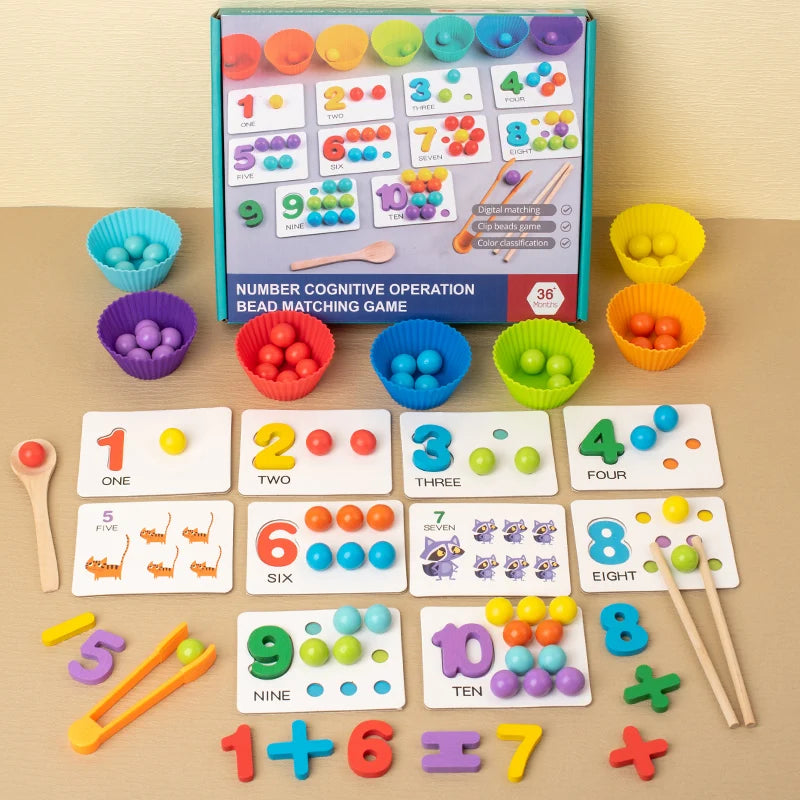
💡 See it in action - educational toys math / best educational toys for early math skills, educational math toys ages three to six, lack of hands on math learning tools, preschool math teaching aids for home use
Why Hands-On Math Learning Works Better
Children don’t naturally connect with abstract numbers. They need to see, touch, and manipulate objects to truly understand math concepts.
When there’s a lack of hands on math learning tools, kids often:
- Lose interest quickly
- Struggle with number recognition
- Feel frustrated or confused
- Depend on memorization instead of understanding
Hands-on educational math toys ages three to six solve this by turning math into a physical experience. Counting beads, stacking blocks, and sorting shapes help children visualize patterns and relationships.
Parents using tools from Baby Growth & Learning often notice improved engagement within days.
Key Features That Make Math Toys Effective
Not all toys labeled “educational” actually deliver results. The best educational toys for early math skills share specific features that directly impact learning outcomes.
1. Multi-Sensory Engagement Boosts Retention
Children learn best when multiple senses are involved. Toys that combine touch, sight, and movement help information stick longer.
- Bright colors for visual stimulation
- Textured surfaces for tactile learning
- Movable pieces for interaction
This approach strengthens neural connections and builds deeper understanding.
2. Progressive Difficulty Keeps Kids Interested
Toys should grow with your child. If something is too easy, they get bored. Too hard, they give up.
Effective preschool math teaching aids for home use offer:
- Simple counting at first
- Gradual introduction to addition and subtraction
- Problem-solving challenges over time
3. Real-World Application Enhances Understanding
Children grasp concepts faster when they relate to everyday life.
For example:
- Counting fruits during play
- Sorting shapes like real objects
- Recognizing patterns in daily routines
This bridges the gap between play and real-world math.
4. Durable Materials Ensure Consistent Learning
Durable wooden toys outperform plastic alternatives. They last longer and provide a more stable learning experience.
Parents often prefer these because they:
- Withstand repeated use
- Feel more natural and safe
- Encourage focused, distraction-free play
Explore safe options in Health & Safety for peace of mind.
Find the perfect match for your child’s learning style and age.
Comparison: Effective vs Ineffective Math Toys
| Feature | Effective Math Toys | Ineffective Toys |
|---|---|---|
| Learning Style | Hands-on interaction | Passive watching |
| Engagement | High, active participation | Low, easily distracted |
| Skill Development | Problem-solving & logic | Memorization only |
| Durability | Wooden, long-lasting | Fragile plastic |
This comparison highlights why choosing the right educational toys math matters so much.
How to Use Math Toys for Maximum Results
- Start with simple counting games using physical objects
- Introduce patterns and sorting activities gradually
- Encourage independent play with guidance
- Repeat activities consistently to build confidence
Pairing these tools with routines from Sensory Toys can further enhance focus and engagement.
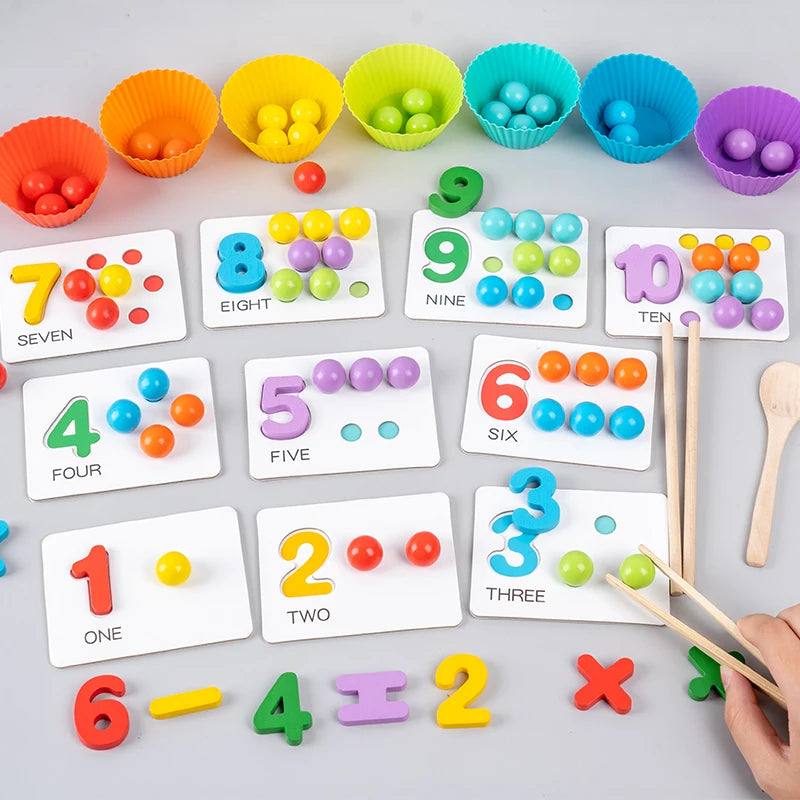
💡 See it in action - educational toys math / best educational toys for early math skills, educational math toys ages three to six, lack of hands on math learning tools, preschool math teaching aids for home use
Real Benefits Parents Notice
Parents consistently report noticeable improvements after introducing high-quality math toys.
- ✅ Increased attention span
- ✅ Better number recognition
- ✅ Stronger problem-solving skills
- ✅ Reduced screen time
One parent shared: “Within two weeks, my child started counting everything—from toys to snacks. It became natural.”
These outcomes show how powerful the right tools can be.
Why This Montessori Wooden Set Stands Out
Educational toys math like this Montessori wooden set combine durability, sensory engagement, and progressive learning. Designed for children ages three to six, it supports early math skills through hands-on interaction, helping kids build confidence, focus, and real understanding—far beyond basic memorization.
- Natural wooden materials for safety
- Interactive counting and sorting features
- Designed for independent learning
- Supports long-term skill development
Explore this educational math toy and see how it transforms learning.
How This Learning Tool Makes Daily Routines Easier
Instead of forcing structured lessons, you can integrate math into playtime.
For example:
- Counting toys during cleanup
- Sorting objects by color or size
- Creating simple math games during meals
Pair with essentials from Feeding Tools to turn everyday moments into learning opportunities.
Common Mistakes to Avoid When Choosing Math Toys
- ❌ Choosing screen-based apps over physical tools
- ❌ Ignoring age-appropriate design
- ❌ Prioritizing flashy features over functionality
- ❌ Buying toys without progression levels
Awareness of these mistakes helps parents make better decisions.
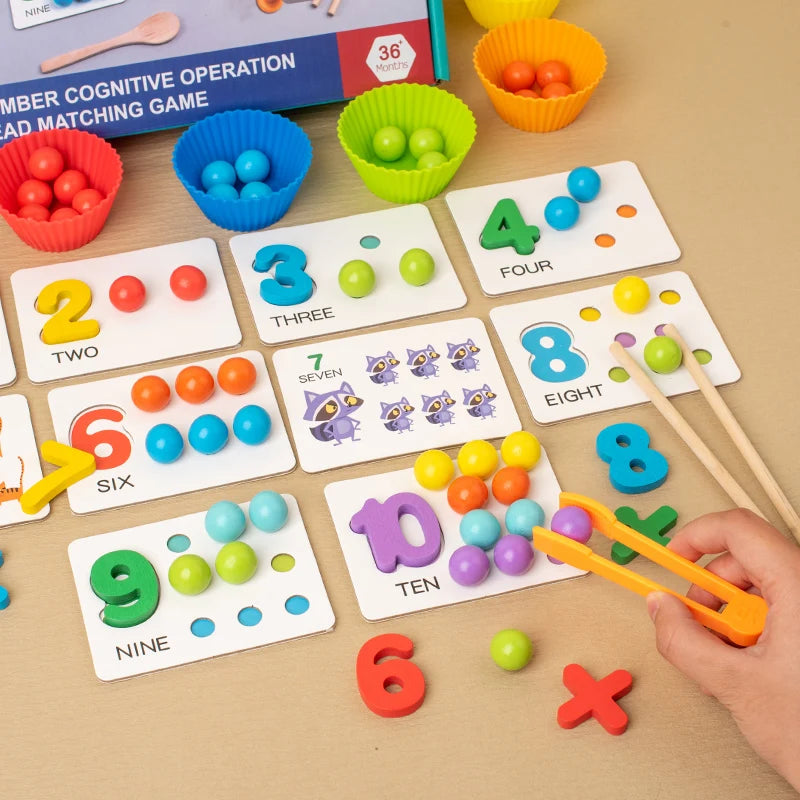
💡 See it in action - educational toys math / best educational toys for early math skills, educational math toys ages three to six, lack of hands on math learning tools, preschool math teaching aids for home use
Give your child the advantage of hands-on math learning today.
Shop Now
FAQ
What age should children start using math toys?
Children can start as early as age three. At this stage, they benefit most from simple counting and sorting activities that build foundational skills.
Are wooden math toys better than plastic ones?
Yes, wooden toys are typically more durable, safer, and provide a better tactile experience, which enhances learning.
How often should kids use educational math toys?
Daily short sessions (10–20 minutes) are ideal. Consistency matters more than duration.
Do these toys replace traditional learning?
No, they complement it. They make abstract concepts easier to understand before formal instruction begins.
Can math toys really reduce screen time?
Yes, engaging hands-on toys naturally draw children away from screens by offering more interactive and rewarding experiences.
Related Articles:
- Math interactive tools: Key features that improve fast learning
- Best learning toys for preschool: Features that actually matter
Pillar Articles:





