

Best preschool learning toys: Top picks compared for kids
What are number recognition preschool activities and why are they important?
Number recognition preschool activities are simple, play-based learning exercises that help children identify, understand, and remember numbers in everyday contexts. These number recognition preschool activities support early math development by reducing confusion, building confidence, and strengthening foundational skills through fun, hands-on experiences instead of memorization or pressure-based learning.
⏱ 7 min read — If you’ve ever watched a child freeze when asked to identify numbers or struggle with early counting, you’re not alone. Many parents notice kids confusion with number recognition skills, especially when preschoolers feel frustrated with early math concepts. The good news? Learning can feel natural, playful, and stress-free when the right methods are used.
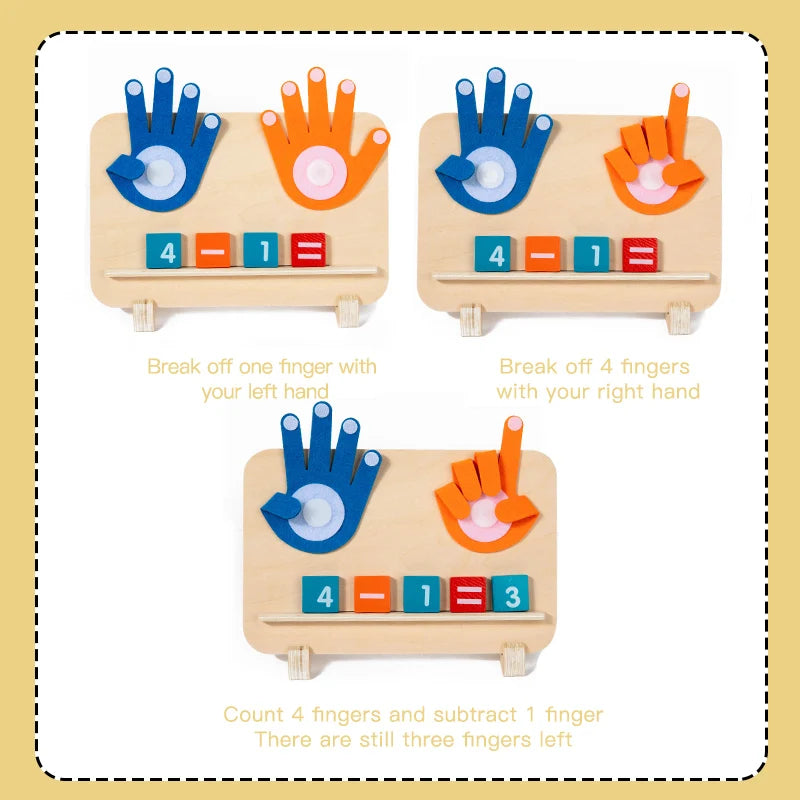
💡 See it in action - number recognition preschool activities / kids confusion with number recognition skills, best ways to teach preschool math, improve number recognition through play-based learning, preschoolers frustrated with early math concepts
Small daily activities can turn early math into a joyful experience instead of a struggle.
Why do kids struggle with number recognition?
Kids confusion with number recognition skills is extremely common because numbers are abstract symbols. Preschoolers often find it hard to connect “5” with five objects in real life. Without visual or physical learning support, preschoolers frustrated with early math concepts may lose interest or confidence quickly.
Other common challenges include:
- Difficulty linking symbols to quantities
- Short attention span during structured lessons
- Lack of real-world number exposure
- Over-reliance on memorization instead of understanding
That’s why the Baby Growth & Learning Tips approach focuses on hands-on, playful learning instead of repetition alone.
Best ways to teach preschool math (compared)
Parents often wonder which approach actually works best. The truth is, not all teaching methods support long-term understanding. Below is a simple comparison of common strategies used in early number learning.
| Method | How it works | Effectiveness |
|---|---|---|
| Flashcards | Memorizing number symbols | Low – short-term recall only |
| Worksheets | Writing and tracing numbers | Medium – lacks engagement |
| Play-based learning | Games, objects, counting activities | High – builds real understanding |
| Real-life counting | Using everyday objects | Very High – reinforces context |
The best ways to teach preschool math always involve interaction, movement, and fun. Children learn faster when they don’t feel like they are “studying.”
Play-based learning strategies that improve number recognition
Improving number recognition through play-based learning helps children stay engaged longer and reduces stress. Instead of forcing memorization, children build natural connections between numbers and real objects.
- Counting toys, blocks, or snacks during playtime
- Matching number cards with objects
- Interactive games using dice or number wheels
- Outdoor counting activities like steps or leaves
One helpful tool many parents use is a hands-on counting aid like the wooden finger counting toy, which helps children visualize numbers physically while playing.
Simple changes in daily play can transform early math frustration into confidence.
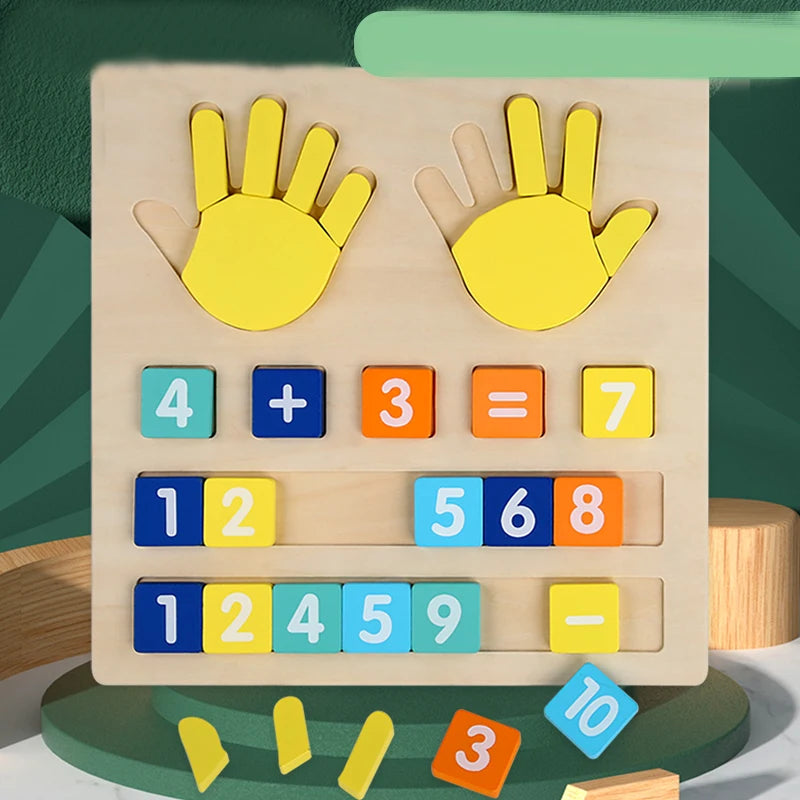
💡 See it in action - number recognition preschool activities / kids confusion with number recognition skills, best ways to teach preschool math, improve number recognition through play-based learning, preschoolers frustrated with early math concepts
Simple number recognition preschool activities at home
Home is one of the best places to build early math confidence. You don’t need special equipment—just everyday objects and a bit of creativity.
Easy daily activities:
- Count toys during cleanup time
- Use snacks to teach simple counting
- Number scavenger hunt around the house
- Clap or jump while counting aloud
- Match household items to number cards
These activities reduce kids confusion with number recognition skills by connecting learning to real-life experiences.
For more structured support, explore Sensory Toys designed to make learning tactile and engaging.
Home vs classroom learning approach
Both environments play a role in early math development, but they serve different purposes. Understanding their strengths helps parents support learning more effectively.
- Home learning: Flexible, emotional comfort, everyday exposure
- Classroom learning: Structured lessons, peer interaction, guided instruction
- Best result: Combination of both environments
Children learn best when reinforcement happens in multiple settings, not just one.
Support your child’s confidence with simple, playful learning aids.
How to reduce preschoolers’ frustration in early math
Preschoolers frustrated with early math concepts often need less pressure and more encouragement. When learning feels like a game, resistance naturally decreases.
- Keep sessions short (5–10 minutes)
- Focus on fun, not correctness
- Use praise for effort, not accuracy alone
- Let children explore numbers physically
Parents also report that introducing playful tools reduces emotional stress and improves consistency in learning habits over time.
Real parent insights and experiences
Many parents share similar experiences:
- “My child used to avoid numbers, now they count everything in sight.”
- “Flashcards didn’t work, but games completely changed engagement.”
- “Once learning became play, frustration disappeared.”
These experiences highlight how powerful playful learning can be when compared to traditional methods.
Helpful tools for smoother learning
- Counting toys and manipulatives
- Visual number charts
- Interactive learning games
- Hands-on educational kits from Baby Growth & Learning
Visual learning example
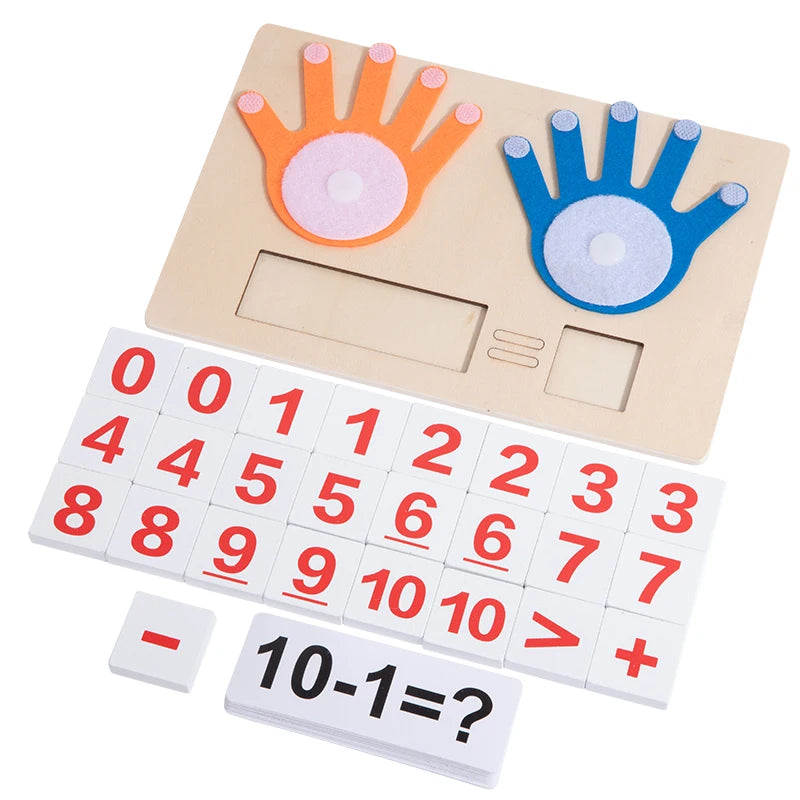
💡 See it in action - number recognition preschool activities / kids confusion with number recognition skills, best ways to teach preschool math, improve number recognition through play-based learning, preschoolers frustrated with early math concepts
Why play-based learning works long-term
Unlike memorization, play-based learning strengthens memory through repetition in enjoyable contexts. Children don’t just recognize numbers—they understand them.
Over time, this approach builds:
- Stronger number confidence
- Better problem-solving skills
- Lower frustration with early math
- Improved attention span
When learning feels natural, children are more likely to continue exploring math without resistance.
FAQ
What age should kids start number recognition?
Most children begin recognizing numbers between ages 2–4, depending on exposure and learning style. Early play-based learning helps build familiarity naturally.
Why does my child struggle with numbers?
Kids confusion with number recognition skills often comes from abstract learning methods. Visual and hands-on experiences usually improve understanding quickly.
What is the best way to teach preschool math?
The best ways to teach preschool math involve interactive play, real-life counting, and sensory-based activities instead of worksheets alone.
How can I make learning numbers fun?
Use games, toys, and daily routines like counting snacks or steps. Keeping learning playful reduces preschoolers frustrated with early math concepts.
Do toys really help with number learning?
Yes, educational toys provide visual and physical learning support, helping children connect symbols with real quantities more easily.
Explore more tools and ideas in Baby Growth & Learning Tips to support your child’s early math journey.
Give your child a fun, stress-free way to build strong number recognition skills today.
Related Articles:
- Number recognition games for kindergarten: Top game review
- Educational toys for 3 year olds: Best options compared
- Montessori counting beads: Which set is best reviewed
- Toys for developing fine motor skills: Top toy comparison
- Number recognition preschool activities: Best methods compared
Pillar Articles:





