

Number Recognition Preschool Activities That Actually Work
What are number recognition preschool activities and do they really help?
Number recognition preschool activities are hands-on learning experiences that help children identify numerals, connect numbers with real quantities, and develop early math confidence through play, repetition, and exploration. For preschoolers, recognizing numbers is more than memorizing symbols—it is the ability to understand that a written number represents a specific amount.
Effective number recognition for preschoolers combines visual learning, movement, touch, and everyday experiences. Activities such as matching numbers, counting objects, tracing numerals, and sorting items make early math concepts easier to understand while reducing frustration and building curiosity.
What is number recognition?
Number recognition is a child’s ability to look at a numeral, such as 3 or 8, and identify its name and meaning. This early math skill helps children understand written numbers before they move on to more advanced concepts like addition, subtraction, and problem-solving.
Preschool number recognition develops gradually. Some children may quickly identify familiar numbers while others need more repetition and hands-on practice. Using playful activities allows children to learn at a comfortable pace without feeling pressured.
Number recognition vs. counting
Although number recognition and counting are connected, they are different skills. Counting involves saying numbers in order and understanding quantity, while number recognition involves identifying the written symbol itself.
- Counting: Knowing the sequence of numbers and matching words to objects.
- Number recognition: Identifying numerals and understanding what they represent.
- Early math success: Combining both skills helps children build stronger number sense.
For example, a child may correctly count five blocks but still struggle to recognize the written number “5.” Number recognition activities for preschool help bridge this gap by connecting symbols with real-world objects.
Why hands-on practice works
Young children learn best when they can actively interact with new concepts. Touching, moving, sorting, and building with numbers creates stronger connections than simply memorizing symbols on a page.
Hands-on number recognition preschool activities support learning by:
- Making abstract numbers easier to understand
- Improving memory through repetition and movement
- Encouraging confidence through successful practice
- Allowing children to learn through curiosity and exploration
Parents can begin introducing simple number activities during everyday routines, such as counting toys, identifying numbers on signs, or matching objects with numeral cards. These small moments create meaningful learning opportunities without making math feel like a formal lesson.
Why Number Recognition Matters in Early Childhood
Number recognition is one of the first foundations of early math development. Before children can solve equations or understand mathematical relationships, they need to recognize numbers and connect them with quantities.
Children who struggle with preschool number recognition may become frustrated when activities move too quickly into worksheets or abstract problems. Making numbers visible, touchable, and connected to everyday experiences helps create a stronger understanding.
- Builds confidence with early math concepts
- Supports counting, sequencing, and comparison skills
- Helps children prepare for kindergarten math expectations
- Encourages positive attitudes toward learning
Small daily activities can transform how your child connects with numbers and reduce early math stress.
25 Number Recognition Activities for Preschool
Number recognition activities for preschool work best when children can connect numerals with real objects, movement, and daily experiences. The goal is not simply to memorize numbers but to help children understand what each number means and how it relates to the world around them.
These preschool number recognition activities can be adjusted based on your child’s age, attention span, and learning style. Start with simple matching games and gradually introduce tracing, sorting, and quantity-based challenges as confidence grows.
Easy Beginner Activities
-
Number scavenger hunt:
Hide number cards around the room and ask children to find and name each numeral.
Materials: Number cards.
Preparation: 5 minutes.
Skill practiced: Visual number identification. -
Number spotting walk:
Look for numbers on clocks, doors, signs, or packaging during everyday activities.
Materials: Everyday objects.
Preparation: None.
Skill practiced: Recognizing numbers in real-life settings. -
Count and touch:
Ask children to touch each object while saying the matching number.
Materials: Toys, blocks, or household items.
Preparation: None.
Skill practiced: Connecting numerals with quantities. -
Number song games:
Use songs with repeated number sequences and encourage children to point to matching numerals.
Materials: Number cards or books.
Preparation: Minimal.
Skill practiced: Number memory and recognition. -
Dice counting games:
Roll a dice and identify the number before moving a game piece.
Materials: Dice and small toys.
Preparation: None.
Skill practiced: Recognizing quantities and numerals.
Matching and Sorting Activities
-
Number-to-object matching:
Match a numeral card with the correct number of objects.
Materials: Cards and small items such as buttons or blocks.
Preparation: 5 minutes.
Skill practiced: Quantity recognition. -
Number sorting trays:
Create sections labeled with numbers and let children place the correct amount in each area.
Materials: Containers and counting objects.
Preparation: 10 minutes.
Skill practiced: Number comparison and sorting. -
Memory matching cards:
Turn cards over and match identical numbers or match numbers with quantities.
Materials: Homemade or printed cards.
Preparation: 10 minutes.
Skill practiced: Visual memory. -
Number puzzle matching:
Combine numeral pieces with matching quantity pieces.
Materials: Number puzzles or DIY paper pieces.
Preparation: 10 minutes.
Skill practiced: Symbol recognition. -
Color and number sorting:
Sort objects while identifying the number assigned to each group.
Materials: Colored objects.
Preparation: None.
Skill practiced: Classification skills.
Fine Motor Number Recognition Activities
-
Number tracing practice:
Trace large numbers using fingers, crayons, or manipulatives.
Materials: Number worksheets or textured cards.
Preparation: 5 minutes.
Skill practiced: Numeral familiarity and handwriting readiness. -
Build numbers with blocks:
Create number shapes using building pieces.
Materials: Blocks or craft materials.
Preparation: None.
Skill practiced: Visual recognition and fine motor control. -
Sticker number activity:
Place stickers on a number outline while naming the numeral.
Materials: Stickers and paper.
Preparation: 5 minutes.
Skill practiced: Number identification and hand control. -
Clay number modeling:
Shape numbers using play dough or clay.
Materials: Modeling clay.
Preparation: None.
Skill practiced: Sensory learning and memory. -
Counting bead activity:
Move beads while matching them to written numbers.
Materials: Beads or counting tools.
Preparation: Minimal.
Skill practiced: Number-quantity connection.
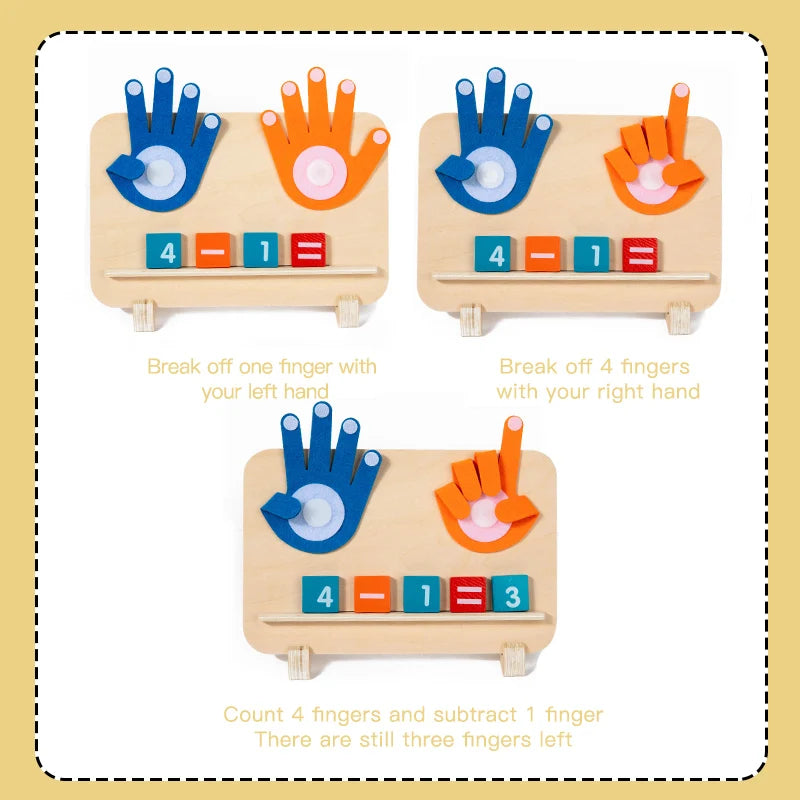
See it in action - number recognition preschool activities / kids confusion with number recognition skills, best ways to teach preschool math, improve number recognition through play-based learning, preschoolers frustrated with early math concepts
Hands-on tools can make these activities easier for young children because they provide a physical way to connect numbers with counting. One helpful option is the wooden finger counting toy , which allows children to see, touch, and manipulate numbers while practicing early math skills.
Sensory Number Activities
-
Sand tray number writing:
Children trace numbers in sand using their fingers.
Materials: Tray and sand or rice.
Preparation: 5 minutes.
Skill practiced: Number formation and sensory memory. -
Number hunt in sensory bins:
Hide number pieces and let children find and identify them.
Materials: Bin filler and number pieces.
Preparation: 10 minutes.
Skill practiced: Recognition through exploration. -
Texture number matching:
Match textured numbers by touch and sight.
Materials: Textured cards.
Preparation: Minimal.
Skill practiced: Multi-sensory learning. -
Water painting numbers:
Write numbers with water on a board or pavement.
Materials: Paintbrush and water.
Preparation: None.
Skill practiced: Number recall. -
Rice or pasta counting:
Create groups of items that match different numbers.
Materials: Dry food items or counters.
Preparation: None.
Skill practiced: Quantity understanding.
Outdoor Number Recognition Activities
-
Number hop game:
Place numbers on the ground and ask children to jump to specific numerals.
Materials: Chalk or cards.
Preparation: 5 minutes.
Skill practiced: Recognition through movement. -
Nature counting challenge:
Collect objects and match them to number cards.
Materials: Leaves, rocks, or sticks.
Preparation: None.
Skill practiced: Counting connections. -
Number obstacle course:
Add number stations to a simple movement course.
Materials: Outdoor items.
Preparation: 10 minutes.
Skill practiced: Number recall and coordination. -
Sidewalk number tracing:
Draw large numbers and let children trace or decorate them.
Materials: Chalk.
Preparation: 5 minutes.
Skill practiced: Numeral familiarity. -
Outdoor treasure hunt:
Find hidden numbers and place them in the correct order.
Materials: Number cards.
Preparation: 10 minutes.
Skill practiced: Number sequencing.
Montessori-Inspired Number Recognition Activities
Montessori-inspired number recognition focuses on concrete experiences before abstract learning. Instead of asking children to memorize symbols, these activities allow them to explore numbers through movement, repetition, and independent discovery.
Practical life activities
Everyday tasks can become simple math lessons. Counting plates while setting a table, sorting laundry items, or organizing toys helps children see numbers as part of daily life.
Number rods and counting materials
Number rods and similar Montessori materials help children understand that numerals represent specific quantities. Children can compare lengths, count sections, and connect physical objects with written numbers.
Loose parts exploration
Loose parts such as buttons, stones, beads, or blocks encourage open-ended learning. Children can create groups, match quantities, and practice number recognition using materials already available at home.
Worksheets vs. Hands-On Learning: What Works Better?
Both worksheets and hands-on activities can support preschool number recognition, but they serve different purposes. For young children who are still learning how numbers work, interactive experiences usually create stronger understanding because children can see, touch, and connect numbers with real objects.
When worksheets help
Worksheets can be useful when children already have basic number familiarity and need extra practice. Simple activities like tracing numerals, matching numbers, or coloring quantities can reinforce skills that have already been introduced through play.
- Provides a clear structure for short learning sessions
- Helps parents and teachers observe progress
- Supports pencil control and early writing skills
- Works well as a follow-up activity after hands-on practice
However, worksheets should not replace active learning. Some preschoolers may memorize symbols without fully understanding what those numbers represent.
When play works better
Hands-on number recognition activities for preschoolers are often more effective when children are first building number sense. Games, movement, and real objects allow children to discover how numbers connect to quantities and everyday experiences.
- Counting toys helps children connect numbers with amounts
- Sorting activities develop comparison skills
- Number games encourage repetition without pressure
- Sensory activities support different learning styles
Combining both approaches
The most balanced approach is to combine playful exploration with simple written practice. Start with concrete activities where children can touch and manipulate objects, then introduce worksheets as a way to review and strengthen recognition.
For example, a child can first count five blocks, match them to the numeral “5,” and then complete a short tracing activity. This progression helps children understand numbers instead of simply memorizing them.
Choose activities that help children explore numbers through touch, movement, and everyday play.
Classroom and Home Adaptations
Number recognition activities can be adapted for different learning environments. Whether used in a classroom, childcare setting, or at home, the best activities are flexible, engaging, and easy to adjust based on each child’s ability.
Small group activities
Teachers can use small groups to encourage participation and provide extra support for children who need more practice. Group games also allow children to learn from classmates while developing communication skills.
- Number matching races
- Group counting games with classroom objects
- Turn-taking board games
- Number sorting challenges
Independent learning centers
Learning centers allow children to practice number recognition at their own pace. Simple stations with reusable materials encourage independence and repeated practice throughout the day.
- Number puzzle station
- Counting tray with small objects
- Number tracing area
- Flashcard matching corner
Home learning ideas
Parents do not need expensive materials to create effective kids number recognition activities preschool learners enjoy. Everyday household items can become useful learning tools.
- Count fruits during snack preparation
- Sort toys by quantity or size
- Look for numbers during walks
- Create simple number games using paper cards
Tips for Children Struggling with Number Recognition
Some children need more repetition before numbers become familiar. Struggling with number recognition does not mean a child cannot learn—it often means the learning approach needs to be adjusted.
Common mistakes
- Moving to worksheets before children understand quantities
- Practicing for too long and causing frustration
- Expecting children to recognize every number immediately
- Comparing one child’s progress with another
Multi-sensory strategies
Teaching number recognition to preschoolers becomes easier when multiple senses are involved. Combining sight, touch, movement, and sound helps children create stronger memory connections.
- Trace numbers with fingers in sand or rice
- Build numbers with blocks or clay
- Say numbers aloud while counting objects
- Use movement games to identify numerals
Motivation tips
Positive reinforcement helps children stay interested in learning. Celebrate small improvements, keep activities short, and focus on progress rather than perfect results.
- Praise effort and curiosity
- Repeat familiar games before adding difficulty
- Allow children to choose activities they enjoy
- Turn practice into everyday play
Progression From Recognition to Early Math Skills
Number recognition is only the beginning of early math development. Preschoolers build stronger skills when learning follows a natural progression from identifying numerals to understanding quantities, writing numbers, and applying them in everyday situations.
Skipping steps can make math feel confusing. Building each skill gradually helps children develop confidence and prepares them for kindergarten-level math concepts.
Recognizing numerals
The first step is learning to identify written numbers. Children should become familiar with the appearance and names of common numerals before being expected to complete more advanced activities.
- Point to and name numbers during daily routines
- Match identical numeral cards
- Find numbers in books, signs, and household items
- Practice recognizing familiar numbers before introducing new ones
Matching quantities
After recognizing numerals, children need to understand what each number represents. Quantity matching connects the symbol with a real amount.
- Match the number 4 with four blocks
- Group objects based on numbered cards
- Compare which group has more or fewer items
- Count objects while touching each item
Tracing numbers
Tracing activities help children become comfortable with number shapes while developing fine motor control. These activities should remain playful rather than feeling like formal handwriting practice.
- Trace numbers using fingers in sensory materials
- Draw numbers with crayons or markers
- Create numbers with clay or building materials
- Follow simple number paths and patterns
Simple counting connections
The final step is helping children use number knowledge in practical situations. Connecting numbers to daily life makes early math skills more meaningful.
- Count snacks before eating
- Count toys during cleanup
- Compare the number of objects in different groups
- Use numbers during games and routines
Printable Resources and Activity Templates
Printable resources can make number recognition activities for preschool easier to organize at home or in the classroom. Simple reusable materials allow children to practice the same skill in different ways while keeping learning engaging.
Flashcards
Number flashcards are a simple tool for practicing numeral recognition. Parents and teachers can use them for quick games instead of traditional memorization exercises.
- Match flashcards with counting objects
- Ask children to find specific numbers
- Create memory matching games
- Arrange cards in number order
Number mats
Number mats provide a visual foundation for connecting numerals with quantities. Children can place objects, draw pictures, or trace numbers directly on the mat.
- Add blocks to match each number
- Place stickers based on quantity
- Create sorting and counting challenges
- Reuse mats with different materials
Tracing pages
Tracing pages help children become familiar with number shapes while improving pencil control. Keep sessions short and combine tracing with hands-on activities for better understanding.
- Trace large beginner-friendly numbers
- Color numbers after tracing
- Find and circle matching numerals
- Create personalized practice pages
Frequently Asked Questions
What age should children recognize numbers?
Many children begin developing number recognition between ages 2 and 4, although the exact timeline varies. Early exposure through games, songs, books, and daily activities helps children become familiar with numbers naturally.
How do I teach a child who confuses numbers?
Use repetition and multi-sensory activities instead of focusing only on worksheets. Let children see, touch, say, and build numbers through games, objects, and movement-based activities.
Should I teach counting or number recognition first?
Both skills develop together, but children often benefit from learning that written numbers represent real quantities. Combining counting practice with numeral recognition creates stronger number understanding.
How long should preschool number activities last?
Short sessions of around 10–20 minutes are usually effective for preschoolers. Frequent practice with enjoyable activities works better than long lessons that may cause frustration.
How often should children practice number recognition?
Daily practice is ideal, but it does not need to feel like schoolwork. Small activities during meals, playtime, walks, and routines can provide consistent opportunities to build confidence.
Frequently Asked Questions
What age should children recognize numbers?
Many children begin developing number recognition between ages 2 and 4, although every child learns at a different pace. By the preschool years, many children start recognizing familiar numbers such as 1–10 through everyday exposure, songs, games, and hands-on activities.
The goal of number recognition preschool activities is not to force memorization but to create frequent opportunities for children to see, hear, and interact with numbers naturally.
How do I teach a child who confuses numbers?
If a child keeps mixing up numbers, use slower-paced, multi-sensory activities that combine visual, physical, and verbal practice. For example, children can trace numbers, build them with objects, match numerals with quantities, or find numbers during daily routines.
Avoid correcting every mistake immediately. Repetition, encouragement, and playful practice help children develop confidence while strengthening number memory.
Should I teach counting or number recognition first?
Counting and number recognition develop together, but they involve different skills. Counting teaches children the sequence of numbers and quantity, while number recognition helps them identify written numerals.
A balanced approach works best. For example, count five toys together, then show the numeral “5” and explain that the symbol represents that amount. This connection helps children understand numbers instead of simply memorizing them.
How long should preschool number activities last?
Most preschoolers benefit from short learning sessions of about 10–20 minutes. Younger children often learn better through several small activities throughout the day rather than one long lesson.
Simple routines like counting during cleanup, identifying numbers while reading, or playing quick preschool math games can provide valuable practice without creating pressure.
How often should children practice number recognition?
Consistent practice is more effective than occasional long sessions. Aim for daily opportunities to explore numbers through play, conversations, and hands-on activities.
Activities such as number tracing activities, counting activities for preschool, fine motor activities for preschoolers, and printable preschool worksheets can be rotated throughout the week to keep learning fresh and engaging.
What is the difference between number recognition and counting?
Number recognition means identifying written numerals and understanding what they represent. Counting involves saying numbers in order and matching number words with objects. Children need both skills to build strong early math foundations.
How can I teach number recognition without worksheets?
Children can learn number recognition through games, sensory play, movement activities, and everyday routines. Matching objects, using Montessori math activities, playing preschool math games, and exploring numbers with toys are effective alternatives to worksheet-only learning.
What are the best sensory number recognition activities?
Sensory activities such as tracing numbers in sand, creating numbers with clay, finding hidden numbers in sensory bins, and building numerals with loose parts help children remember numbers through touch and movement.
What should I do if my preschooler keeps confusing numbers?
Continue practicing with patience and use different learning methods. Some children need more repetition before numbers become familiar. Try reducing distractions, focusing on a few numbers at a time, and celebrating small improvements to keep learning positive.
Tags: number recognition preschool activities, preschool math, play based learning, teach numbers, early math skills, number recognition games, kids math struggles, learn through play, preschool learning
Pillar Article: Best preschool learning toys: Top picks compared for kids
Other Related Articles:
- Number recognition games for kindergarten: Top game review
- Educational toys for 3 year olds: Best options compared
- Montessori counting beads: Which set is best reviewed
- Toys for developing fine motor skills: Top toy comparison
Explore More:





