

Increasing hand eye coordination: daily exercises that work
Does increasing hand eye coordination really work?
Increasing hand eye coordination improves how children control movement, focus their vision, and complete daily tasks with confidence. With consistent, simple activities to boost hand eye coordination, many parents notice better grip, smoother motion, and faster learning within weeks—especially when play is structured and repeated daily.
Increasing hand eye coordination: daily exercises that work
⏱ 5 min read — Increasing hand eye coordination doesn’t have to feel like a chore—these simple, science-backed activities to boost hand eye coordination can transform daily play into real progress. If your kids struggle fine motor skills or you’ve noticed preschoolers lack hand eye coordination, you’ll discover practical routines and surprising tricks that fit into any schedule. Wondering how to improve fine motor skills toddlers actually enjoy? The answer might be easier than you think…
Which activities actually help your child improve faster? Read on to discover simple changes that make a big difference.
👉 Discover playful tools that support coordination naturally
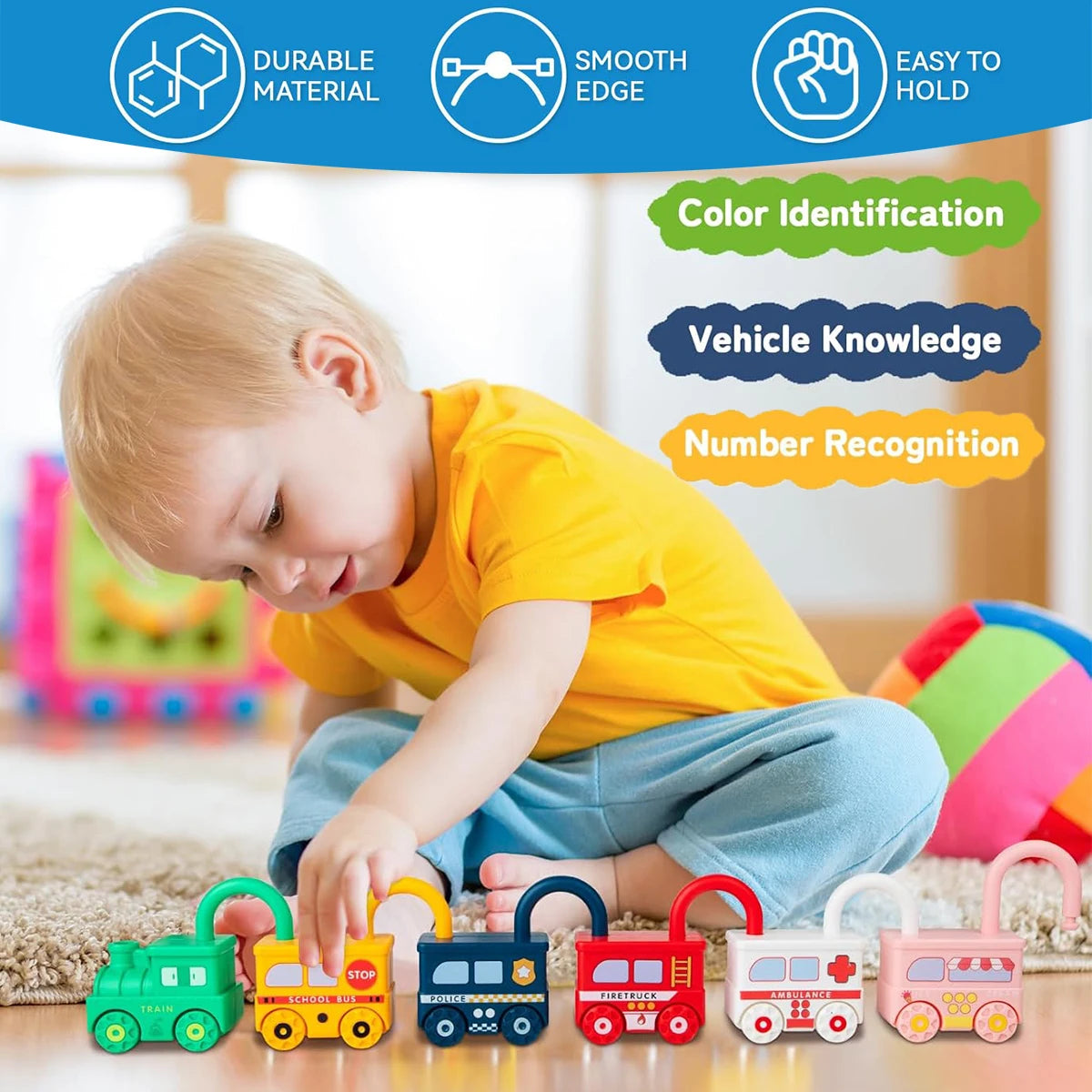
💡 See it in action - increasing hand eye coordination / activities to boost hand eye coordination, kids struggle fine motor skills, preschoolers lack hand eye coordination, how to improve fine motor skills toddlers
Why increasing hand eye coordination matters early
Increasing hand eye coordination is one of the most important foundations for your child’s development. It affects everything from feeding themselves to writing, drawing, and even playing sports later in life.
When coordination is strong, children move with confidence. When it’s delayed, even simple tasks feel frustrating.
- Improves focus and attention span
- Builds independence in daily tasks
- Supports early writing and drawing skills
- Reduces frustration during play
- Strengthens brain-body connection
Many parents don’t realize that small daily habits can dramatically improve coordination over time.
Signs your child may need extra support
If your kids struggle fine motor skills, the signs often show up in everyday routines.
- Difficulty holding crayons or utensils
- Dropping objects frequently
- Avoiding puzzles or building toys
- Struggling to button clothes
- Messy or inconsistent hand movements
For parents noticing preschoolers lack hand eye coordination, early action makes a big difference. The earlier you start, the easier it is to improve.
Daily exercises that actually improve coordination
The key to increasing hand eye coordination is repetition through play. These activities to boost hand eye coordination are simple, fun, and effective.
1. Catch and toss games
Start with soft balls or even rolled-up socks. This helps children track movement visually while reacting with their hands.
2. Stacking and building
Blocks, cups, and stacking toys improve precision and control.
3. Threading and lacing
Great for strengthening finger muscles and improving accuracy.
4. Drawing and tracing
Encourages control and visual guidance.
5. Lock-and-key play
Matching shapes and turning keys develops both coordination and problem-solving.
👉 A great example is the Montessori lock and key toy set, which combines fine motor practice with real-world skills.
How structured play speeds up progress
Unstructured play is helpful, but structured activities produce faster results.
- Clear goal (open, stack, match)
- Repeated motion builds muscle memory
- Immediate feedback helps learning
- Boosts confidence through small wins
Parents often see improvement within 2–4 weeks when activities are repeated daily.
👉 Learn step-by-step how to choose the right toys for skill development
A simple step-by-step daily routine that works
Consistency matters more than complexity. Here’s a proven routine for how to improve fine motor skills toddlers at home.
- Warm-up (5 minutes): Simple hand movements like squeezing soft balls
- Main activity (10 minutes): Focused play like stacking or locking toys
- Creative play (10 minutes): Drawing or building
- Real-life practice (5 minutes): Feeding, dressing, or organizing objects
This routine fits easily into daily schedules and keeps children engaged without overwhelm.
Common mistakes parents make
Even with good intentions, some habits slow progress.
| Common Mistake | Better Approach |
|---|---|
| Too much screen time | Hands-on play activities |
| Irregular practice | Daily short sessions |
| Overcomplicated tasks | Simple, repeatable actions |
| Doing tasks for the child | Encouraging independence |
Small adjustments can significantly improve results.
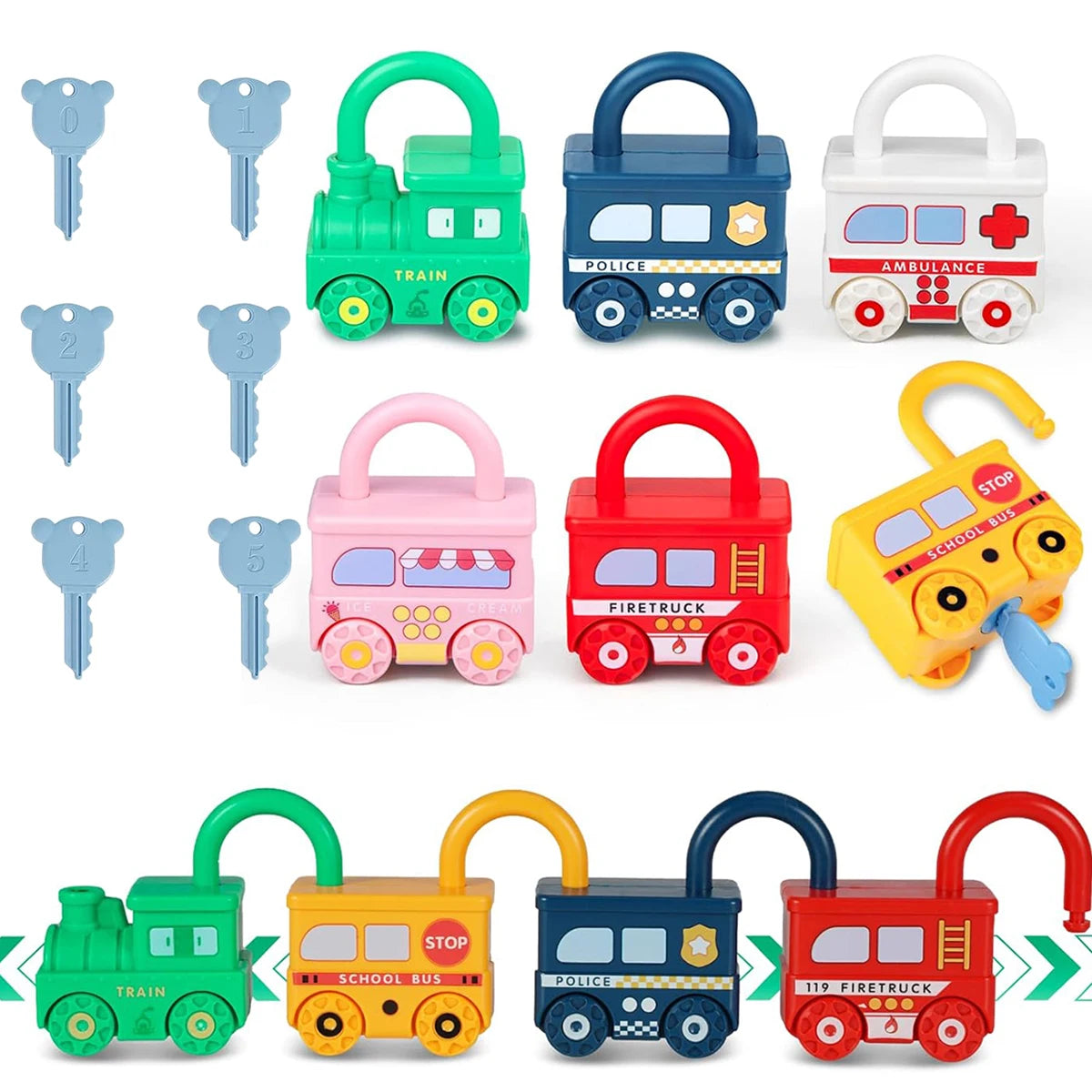
💡 See it in action - increasing hand eye coordination / activities to boost hand eye coordination, kids struggle fine motor skills, preschoolers lack hand eye coordination, how to improve fine motor skills toddlers
Tools that make learning easier and faster
Some tools are designed specifically to support coordination development.
- Hands-on learning toys
- Interactive sensory objects
- Practical life tools (locks, buttons, zippers)
- Fine motor skill kits
The Montessori lock and key toy set is especially effective because it mimics real-world actions while keeping children engaged.
Pairing it with items from Mobility & Training can further support development.
What real parents are seeing
Parents who consistently use these activities often report noticeable improvements.
- “My toddler can now feed herself without dropping food.”
- “He went from avoiding puzzles to loving them.”
- “Her grip and control improved within weeks.”
These changes build confidence—not just skills.
Long-term benefits you’ll notice
Increasing hand eye coordination doesn’t just solve short-term struggles.
- Better handwriting readiness
- Improved sports ability later on
- Greater independence
- Stronger cognitive development
What starts as simple play becomes a lifelong advantage.
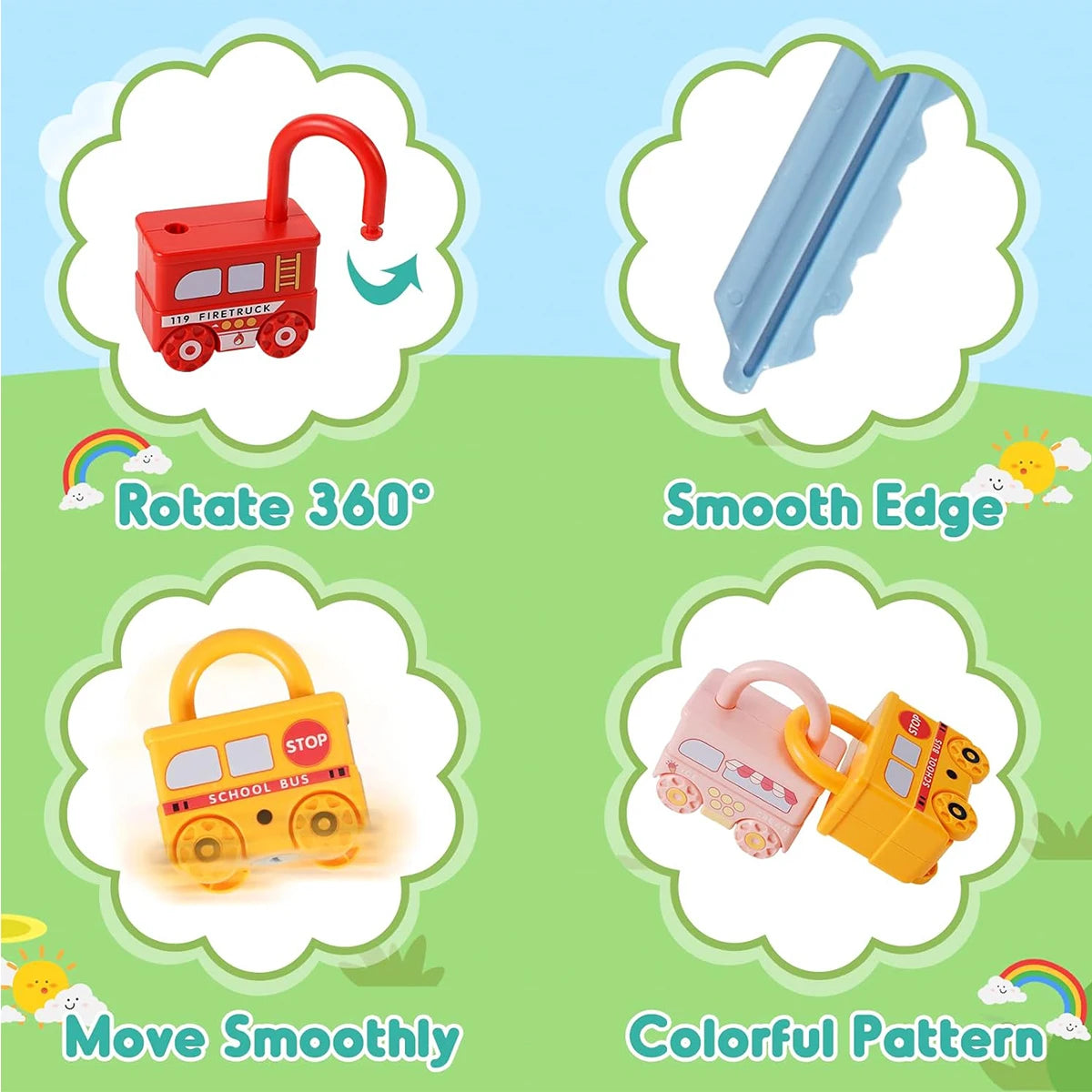
💡 See it in action - increasing hand eye coordination / activities to boost hand eye coordination, kids struggle fine motor skills, preschoolers lack hand eye coordination, how to improve fine motor skills toddlers
👉 Get yours now — limited stock!
Frequently asked questions
How long does it take to improve hand eye coordination?
With daily practice, many parents see improvements within 2–4 weeks. Consistency matters more than intensity.
What age should I start coordination activities?
You can start as early as toddler age with simple play-based activities designed for small hands.
What if my child resists structured activities?
Keep sessions short and fun. Choose engaging tools and let your child lead the pace.
Are toys necessary for improvement?
Not always, but the right tools—like lock-and-key sets—can make learning faster, easier, and more enjoyable.
Related Articles:
- How to increase hand eye coordination: simple daily drills for kids
- Preschool learning toy: how to choose and use effectively
- Sensory play 3 year olds: how to set up easy home activities
- Interactive educational toy: how to use for daily learning at home
Pillar Articles:





