

Best educational toys for preschool: Top picks compared 2026
Sensory play for one year olds: best kits compared
What is sensory play for one year olds and does it really help development?
Sensory play for one year olds is a form of hands-on learning that engages touch, sight, sound, and movement to support brain development. It helps babies explore textures, colors, and sounds, improving coordination and curiosity. Sensory play for one year olds builds early cognitive connections, language awareness, and emotional regulation during fast developmental growth.
⏱ 6 min read — If your toddler gets bored quickly or loses interest in toys within minutes, this guide will help you find smarter sensory solutions that actually hold attention.
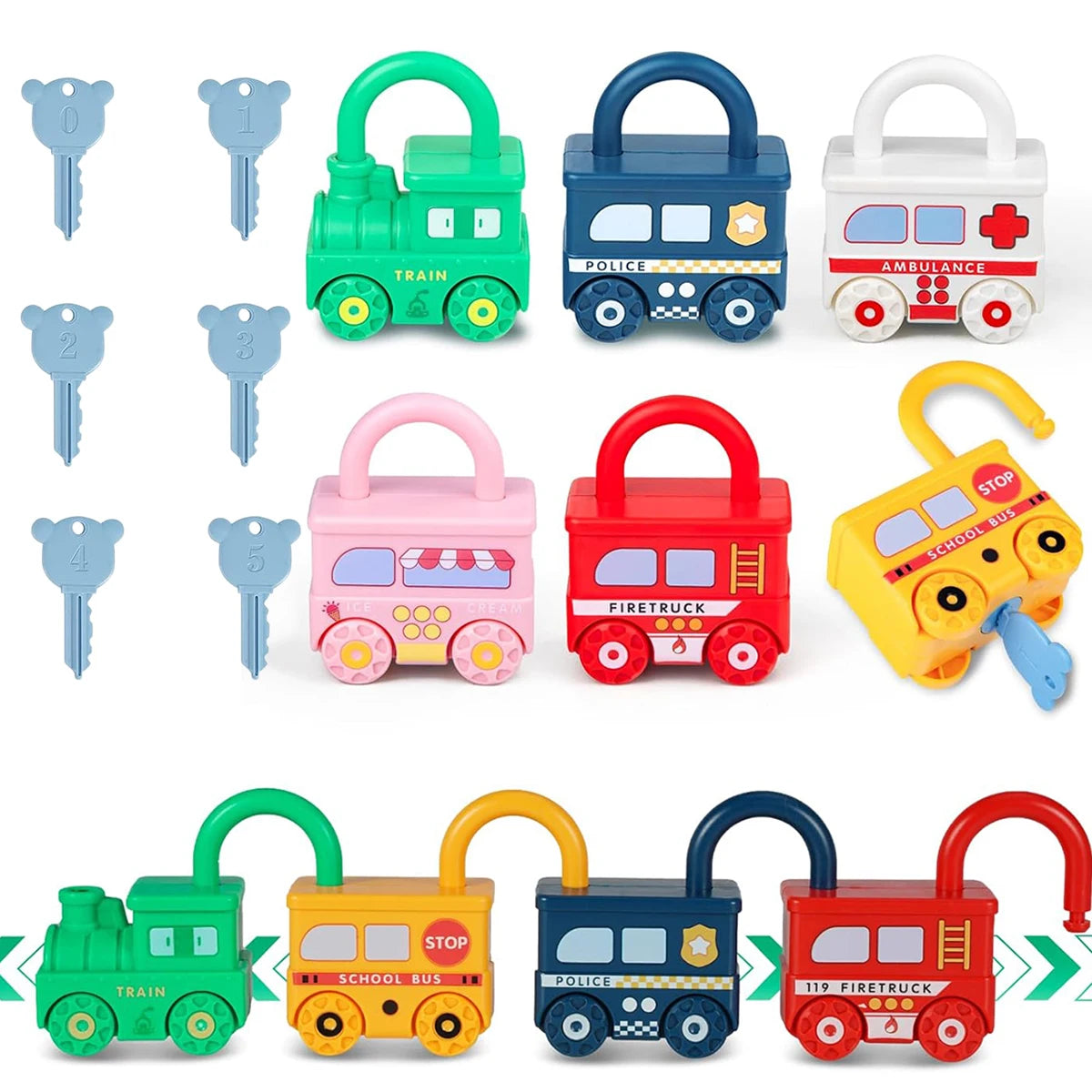
💡 See it in action - sensory play for one year olds / toddler low attention span activities, sensory play ideas for toddlers learning, toddlers uninterested in learning toys, montessori method for early childhood learning
Explore engaging sensory kits designed to support curiosity, focus, and early learning through play.
Why sensory play matters for one year olds
Sensory play for one year olds supports early brain wiring by encouraging babies to explore their environment naturally. At this stage, toddlers learn best through touch and repetition rather than instruction, making sensory toys essential for healthy development.
Many parents notice toddlers becoming restless or distracted quickly. This is normal, but structured sensory play helps extend attention span and builds foundational skills for future learning success.
- Improves hand-eye coordination
- Encourages early problem-solving
- Supports emotional calmness during exploration
- Builds curiosity and independence
Discover how sensory toys can turn everyday play into meaningful development moments.
Key benefits of sensory play for one year olds
Parents often ask why sensory-based toys are recommended over traditional toys. The answer lies in engagement depth—sensory experiences activate multiple brain pathways at once, helping toddlers learn faster and retain information longer.
- Focus development: Helps toddlers with low attention span activities stay engaged longer
- Language growth: Sensory exploration introduces descriptive vocabulary naturally
- Motor skills: Strengthens grasping, stacking, and coordination
- Emotional regulation: Calming textures reduce frustration and overstimulation
Parents using structured sensory kits often report fewer “toddlers uninterested in learning toys” moments because the interaction feels more like discovery than instruction.
Best sensory play kits compared for one year olds
Choosing the right sensory kit can feel overwhelming. Below is a simple comparison of common types of sensory toys and how they support different developmental needs.
| Type of Sensory Kit | Best For | Main Benefit | Engagement Level |
|---|---|---|---|
| Texture-based toys | Early tactile exploration | Touch awareness & sensory recognition | High |
| Sound-based toys | Auditory stimulation | Listening & cause-effect learning | Medium |
| Montessori-style kits | Independent learning | Problem-solving & focus | Very High |
| Color sorting toys | Visual development | Color recognition & matching skills | High |
For families looking for structured learning, Montessori-inspired toys often provide the most balanced engagement for sensory play for one year olds.
Explore carefully designed learning tools that support safe and meaningful exploration.
Montessori-inspired sensory toy set for focused play
This Montessori-style lock and key toy set is designed to encourage problem-solving while keeping toddlers engaged through tactile interaction. It supports independence and hand coordination, making it ideal for early learners who need structured yet playful challenges.
Why it stands out: The toy encourages repetition-based learning, helping children build confidence as they master each interaction step by step.
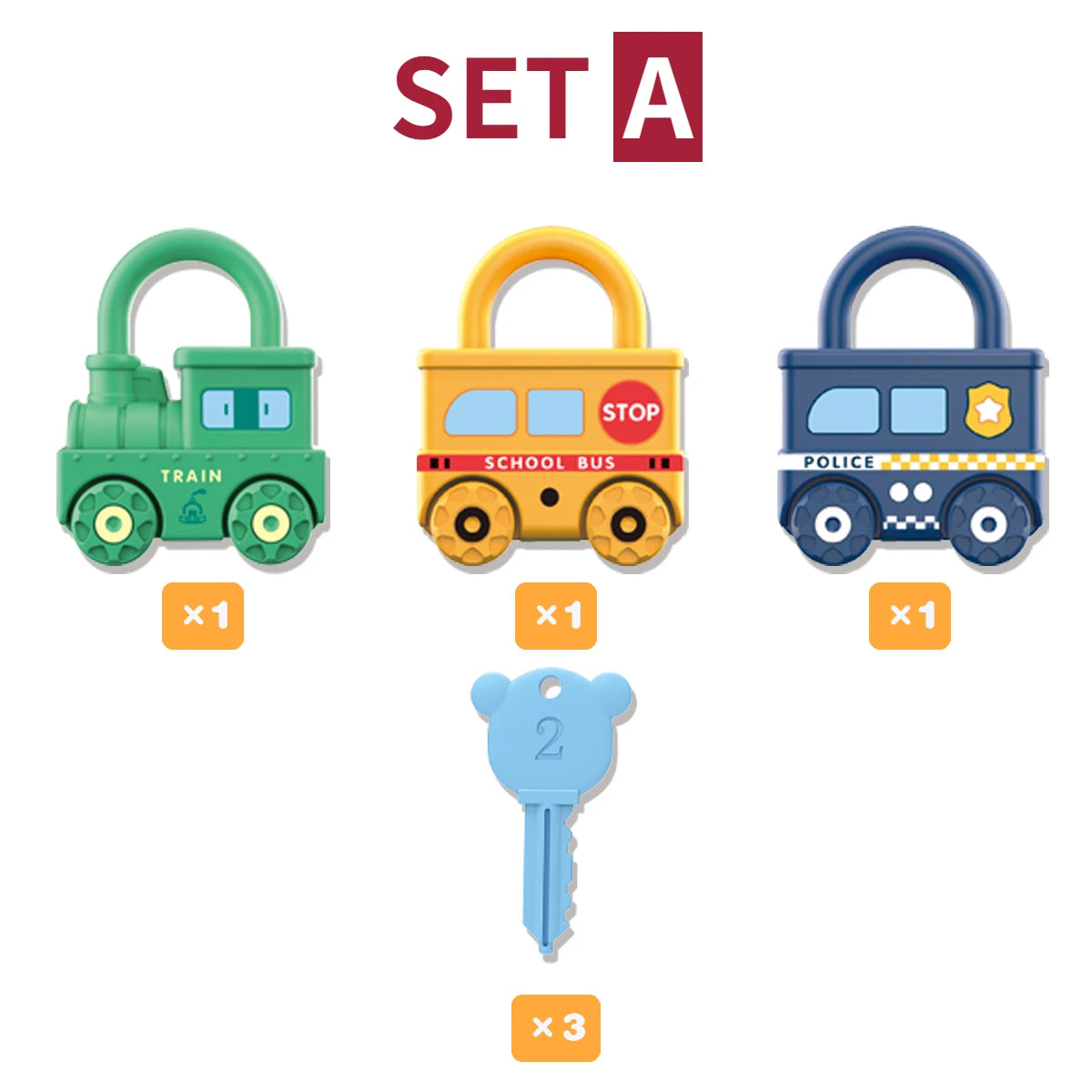
💡 See it in action - sensory play for one year olds / toddler low attention span activities, sensory play ideas for toddlers learning, toddlers uninterested in learning toys, montessori method for early childhood learning
- Pros: Encourages independent problem-solving, improves fine motor skills, keeps attention longer
- Cons: Requires supervision for younger toddlers, limited multi-child interaction
You can view this product here: Montessori toys
Simple sensory play ideas for toddlers learning every day
Not every sensory activity needs expensive kits. Everyday household items can also support sensory play for one year olds effectively.
- Water play with cups and spoons for texture exploration
- Soft fabric baskets for touch and grasp practice
- Stacking blocks for balance and coordination
- Color sorting using safe household objects
These activities work especially well for sensory play ideas for toddlers learning because they are flexible, safe, and easy to repeat daily.
What to do when toddlers are uninterested in learning toys
Many parents worry when toddlers seem uninterested in learning toys. In most cases, it’s not lack of interest but overstimulation or lack of engagement match. Switching to sensory-based interaction often solves this quickly.
Try rotating toys every few days instead of offering everything at once. This keeps curiosity alive and prevents boredom.
- Reduce number of toys available at one time
- Introduce one sensory concept per play session
- Engage with your child during initial use
- Observe preferred textures and sounds
How Montessori method supports early childhood learning
The montessori method for early childhood learning focuses on independence, exploration, and self-paced discovery. Sensory materials are central because they allow children to learn through experience instead of instruction.
This approach helps toddlers build confidence and decision-making skills early, especially during sensory play for one year olds where curiosity is strongest.
How to choose the right sensory play kit
Not all toys labeled as “educational” are equally effective. The best sensory kits combine safety, engagement, and developmental relevance.
- Choose non-toxic, baby-safe materials
- Look for multi-sensory engagement (touch, sound, color)
- Ensure durability for repeated use
- Match complexity to age and attention span
For additional parenting support tools, explore Baby Growth & Learning and Sensory Toys.
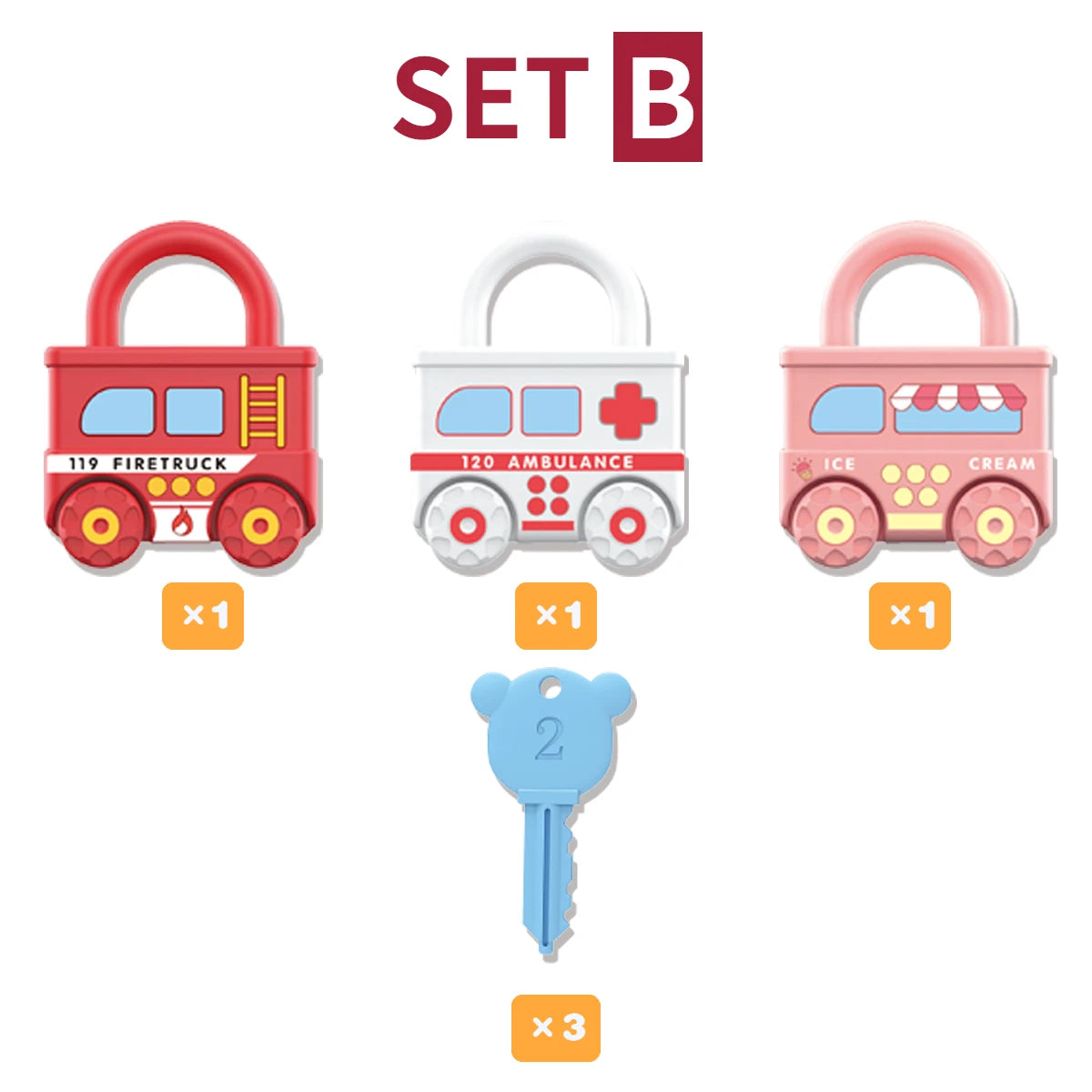
💡 See it in action - sensory play for one year olds / toddler low attention span activities, sensory play ideas for toddlers learning, toddlers uninterested in learning toys, montessori method for early childhood learning
Give your toddler a learning experience that feels like fun, not instruction.
Frequently Asked Questions
What age is best for sensory play?
Sensory play can begin as early as infancy, but it becomes especially effective around one year old when toddlers actively explore textures, sounds, and movement.
How long should sensory play sessions be?
Short sessions of 10–20 minutes are ideal for one year olds to maintain engagement without overstimulation.
Are sensory toys necessary for development?
While not mandatory, sensory toys significantly enhance early learning by supporting motor skills, attention span, and cognitive growth.
What if my toddler loses interest quickly?
This is common. Rotating toys and introducing new textures or activities can help maintain curiosity and engagement.
Related Articles:
- Toy cars and trains: best educational sets compared
- Toy lock and key: best learning sets compared
- How to improve hand eye coordination: tools compared
- Learning toys for 7 year olds: top STEM picks compared
- Sensory play for one year olds: best kits compared
Pillar Articles:





