

Counting toys for preschoolers: How to boost daily number skills
What are counting toys for preschoolers and how do they help?
Counting toys for preschoolers are hands-on learning tools that use objects like beads, blocks, or wooden numbers to teach basic math. They help children recognize numbers, understand quantity, and build early arithmetic skills through play, improving focus, confidence, and readiness for kindergarten.
Counting toys for preschoolers: How to boost daily number skills
Struggling to keep your child engaged while learning numbers? You’re not alone. Many parents worry when early math feels like a battle. The good news: counting toys for preschoolers turn everyday play into meaningful learning—without pressure or frustration. ⏱ 7 min read
Which toy actually helps your child understand numbers—not just memorize them? Keep reading to discover simple, effective ways to build real math confidence at home.
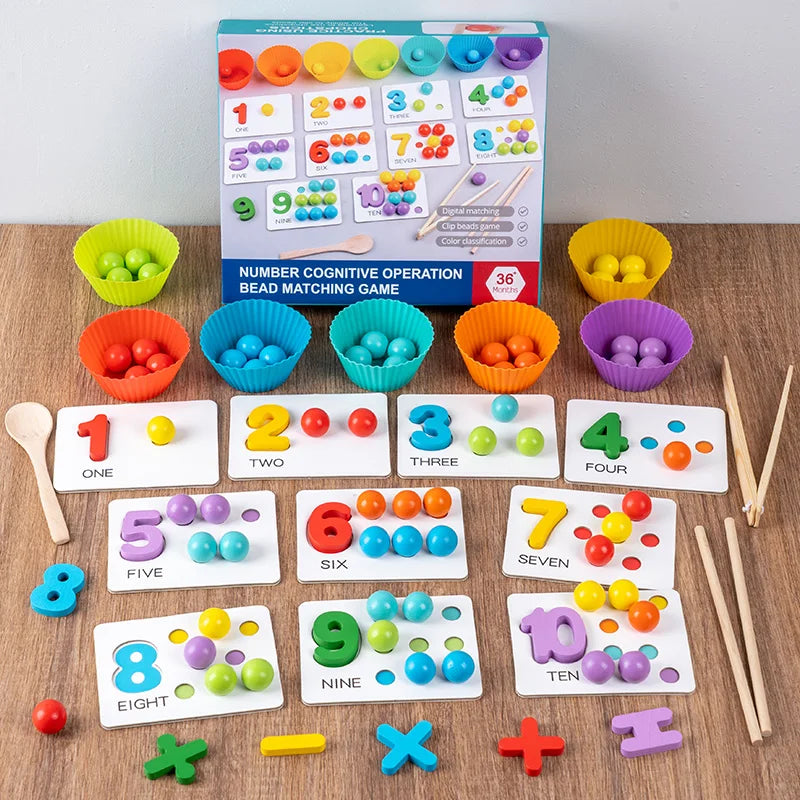
💡 See it in action - counting toys for preschoolers / toddler number counting wooden toy set, improve number recognition with wooden toys, early arithmetic learning games for kids, kindergarten readiness math skill delays concern
👉 Discover the safest toys for your baby: Explore Baby Growth & Learning to find playful tools that make learning feel natural.
Why counting toys make learning easier (and stress-free)
Counting toys for preschoolers work because they combine movement, touch, and visual cues. Instead of abstract numbers, kids see and feel what “3” or “5” actually means.
This approach helps when your child:
- Loses interest quickly during lessons
- Struggles to remember numbers
- Gets frustrated with worksheets
- Prefers hands-on play over sitting still
By using early arithmetic learning games for kids, you shift from pressure to curiosity—making learning feel like playtime.
How wooden toys improve number recognition with real results
Counting toys for preschoolers—especially wooden sets—offer structured, distraction-free learning that builds foundational math skills. They help children connect numbers to physical objects, improving understanding faster than screen-based methods while supporting fine motor development and longer attention spans.
Parents often notice these changes within weeks:
- ✔ Faster number recall
- ✔ Better focus during play
- ✔ Increased confidence when counting aloud
- ✔ Reduced frustration with math tasks
A toddler number counting wooden toy set provides consistency. Unlike digital apps, it removes overstimulation and keeps children grounded in real-world learning.
👉 Learn step-by-step how to choose the right baby gear: Browse Sensory Toys for engaging, hands-on learning options.
Step-by-step ways to use counting toys every day
- Start with simple counting: Ask your child to count 1–5 using objects from the toy.
- Match numbers to quantities: Pair the number “3” with three beads or blocks.
- Create mini challenges: “Can you find 4 pieces?” keeps engagement high.
- Use real-life moments: Count snacks, steps, or toys during cleanup time.
- Repeat consistently: Daily 5–10 minute sessions build lasting habits.
This method transforms routine moments into preschool math projects without extra effort.
For a guided experience, try this hands-on set: children math teaching aids montessori wooden set. It’s designed to simplify each step and keep kids engaged longer.
Real parent experiences: What changes can you expect?
Many parents report surprising improvements after introducing counting toys into daily play.
- Emma, mom of 4-year-old: “My son went from avoiding numbers to counting everything—even his toys before bed.”
- James, dad of twins: “The wooden set helped both kids learn at their own pace without frustration.”
- Sophia, preschool teacher: “Hands-on math tools consistently outperform worksheets in engagement and retention.”
These results highlight how improve number recognition with wooden toys is not just a theory—it works in real homes.
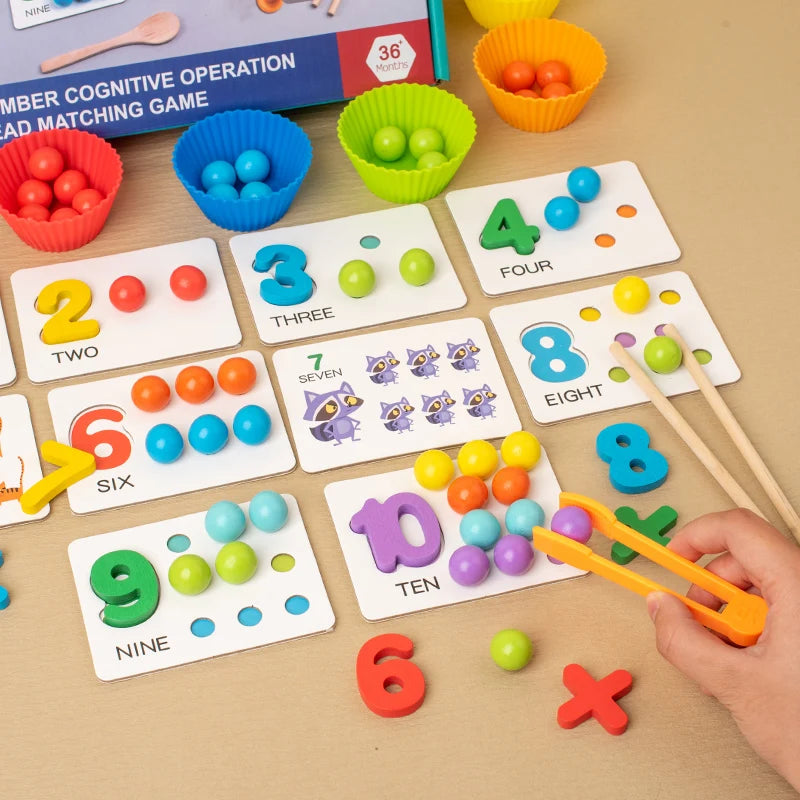
💡 See it in action - counting toys for preschoolers / toddler number counting wooden toy set, improve number recognition with wooden toys, early arithmetic learning games for kids, kindergarten readiness math skill delays concern
Choosing the right counting toy for your child
| Feature | Wooden Counting Set | Plastic Toys | Apps |
|---|---|---|---|
| Hands-on learning | ✔✔✔ | ✔✔ | ✔ |
| Focus improvement | ✔✔✔ | ✔✔ | ✖ |
| Durability | ✔✔✔ | ✔✔ | N/A |
| Screen-free learning | ✔✔✔ | ✔✔✔ | ✖ |
Wooden sets consistently stand out for long-term learning and engagement.
Worried about kindergarten readiness math skill delays?
It’s normal to feel concerned if your child struggles with counting. Early gaps don’t mean long-term problems—but they do need attention.
Signs to watch:
- Difficulty recognizing numbers beyond 5
- Inconsistent counting order
- Lack of interest in number activities
- Frustration during learning
The solution isn’t more pressure—it’s better tools. Structured play using counting toys for preschoolers helps close gaps naturally.
You can also explore supportive tools in Mobility & Training that build coordination alongside cognitive skills.
How this simple toy fits your child’s unique needs
Every child learns differently. That’s why choosing the right toy matters.
- For active kids: Use counting games that involve movement
- For shy learners: Focus on independent play sets
- For easily distracted children: Choose simple, clutter-free designs
- For fast learners: Add basic addition challenges
The Montessori wooden set adapts to all these styles, making it a versatile choice for growing minds.
Pros and cons of counting toys for preschoolers
- ✔ Encourages independent learning
- ✔ Builds confidence through success
- ✔ Supports fine motor skills
- ✔ Reduces screen time
- ✖ Requires parent guidance initially
- ✖ Needs consistent use for best results
Overall, the benefits far outweigh the limitations—especially when used regularly.
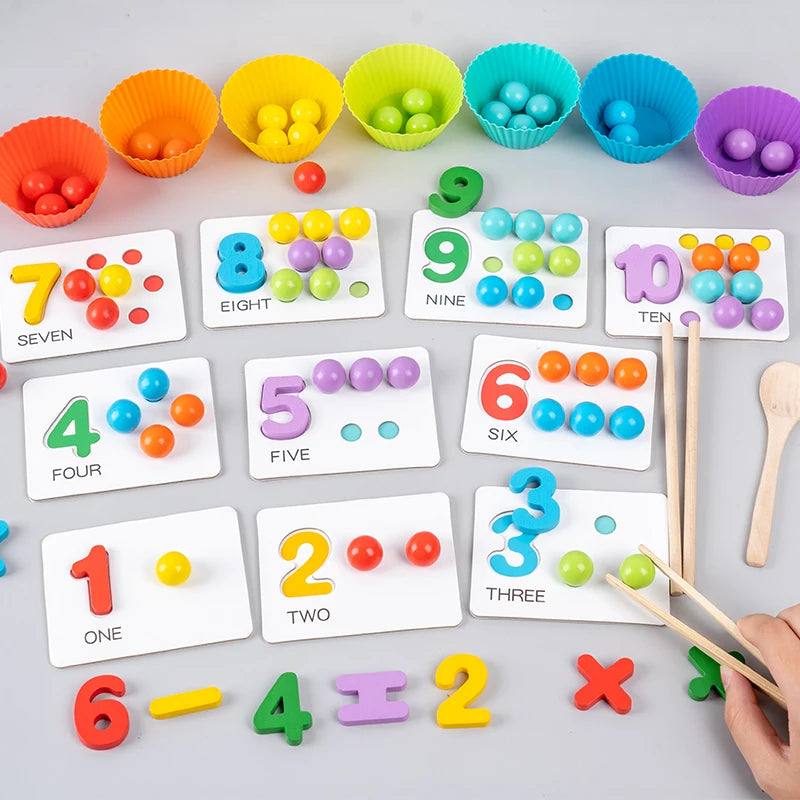
💡 See it in action - counting toys for preschoolers / toddler number counting wooden toy set, improve number recognition with wooden toys, early arithmetic learning games for kids, kindergarten readiness math skill delays concern
Make learning part of your daily routine
You don’t need extra time—just small adjustments:
- Count toys during cleanup
- Use numbers during snack time
- Play short counting games before bed
- Celebrate small wins daily
Consistency matters more than duration.
👉 Get yours now — limited stock! Try the Montessori wooden counting set and turn everyday play into meaningful learning.
FAQs
At what age should children start using counting toys?
Most children can begin around age 2–3 with simple counting activities. Start small and gradually increase complexity.
How long should daily practice last?
Just 5–10 minutes a day is enough. Short, consistent sessions are more effective than long lessons.
Are wooden toys better than digital apps?
Yes, for early learning. They provide tactile experiences that improve understanding and focus.
What if my child isn’t interested?
Make it playful. Use real-life scenarios like counting snacks or toys to spark curiosity.
Can counting toys help with school readiness?
Absolutely. They build foundational math skills that prepare children for kindergarten success.
Pillar Article: Preschool learning toy: How to match kids’ learning needs
Other Related Articles:
Explore More:





