

Preschool math projects: Simple ideas for home learning success
Do preschool math projects really help kids learn?
Preschool math projects help children build early math skills through hands-on play and real-life experiences. By using simple tools and structured activities, kids develop counting, sorting, and problem-solving abilities faster while staying engaged—especially when supported with a step by step preschool math teaching guide at home.
Preschool math projects: Simple ideas for home learning success
⏱ 7 min read — Struggling to keep your child interested in numbers, counting, or simple math concepts? Preschool math projects can turn everyday routines into fun learning moments. With the right tools and approach, you can replace frustration with excitement while building real confidence in early math skills at home.
👉 Discover playful learning tools that make math fun from day one

💡 See it in action - preschool math projects / step by step preschool math teaching guide, early learning math manipulatives wooden set, preschool math teaching aids for home use, children lose interest in early math learning
Why Preschool Math Projects Work Better Than Worksheets
Young children learn best through touch, movement, and play—not passive repetition.
- They turn abstract numbers into real-world experiences
- They reduce frustration and resistance
- They improve memory through hands-on interaction
- They build confidence through small wins
Many parents notice that children lose interest in early math learning when lessons feel forced. Projects, on the other hand, feel like play—not pressure.
Pairing activities with Sensory Toys can enhance engagement even further, especially for tactile learners.
Step-by-Step Preschool Math Teaching Guide for Parents
Preschool math projects become more effective when you follow a clear structure. This helps your child stay focused while still enjoying the process.
-
Start with simple concepts
Focus on counting, sorting, and shapes before moving to more complex ideas. -
Use visual and physical tools
Children understand better when they can see and touch objects. -
Keep sessions short
10–15 minutes is often enough to maintain attention. -
Repeat through play
Repetition doesn’t have to be boring—just vary the activity. -
Celebrate progress
Even small improvements matter at this stage.
Consistency matters more than perfection. A few minutes daily can outperform long, irregular sessions.
👉 Learn step-by-step how to build a fun math routine at home
How the Right Tools Make Learning Easier
Not all teaching aids are created equal. The best preschool math teaching aids for home use are simple, durable, and designed for interaction.
- Encourage independent exploration
- Support multiple learning styles
- Reduce reliance on screens
- Make abstract ideas concrete
An early learning math manipulatives wooden set is especially effective because it combines visual, tactile, and logical learning in one tool.
Parents often report noticeable improvements in focus and engagement within just a few days of use.
Explore more supportive tools in Baby Growth & Learning to build a complete home learning environment.
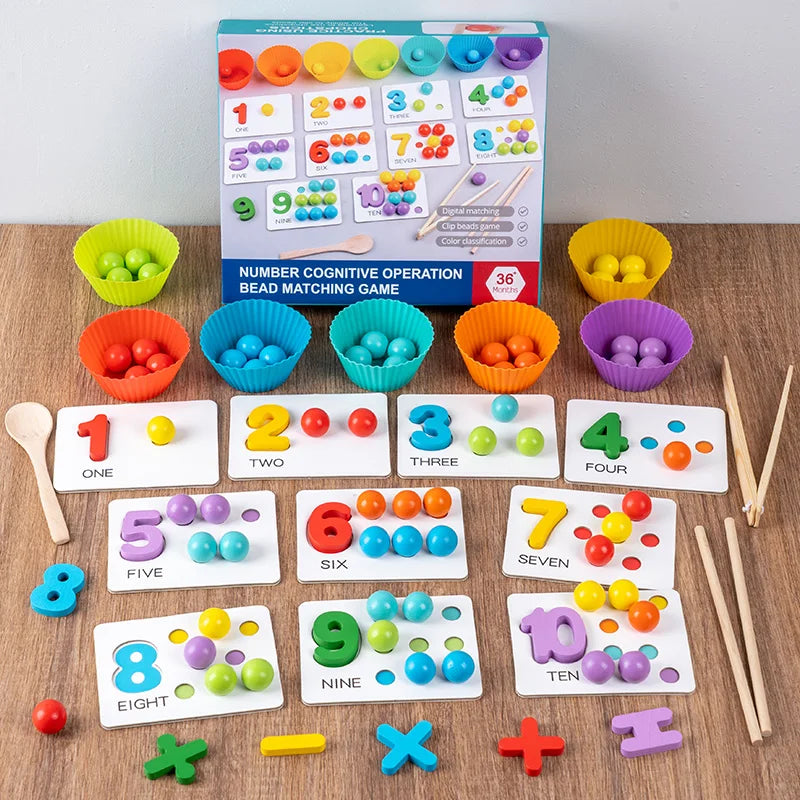
💡 See it in action - preschool math projects / step by step preschool math teaching guide, early learning math manipulatives wooden set, preschool math teaching aids for home use, children lose interest in early math learning
Simple Preschool Math Projects You Can Start Today
1. Counting with Everyday Objects
Use snacks, toys, or household items to practice counting.
- Count apples during snack time
- Group toys by number
- Match numbers to quantities
2. Shape Hunt Around the House
Turn your home into a discovery zone.
- Find circles, squares, triangles
- Compare sizes and patterns
- Draw shapes afterward
3. Sorting and Categorizing Game
Build logic skills through classification.
- Sort by color, size, or type
- Create simple patterns
- Ask “why” questions
4. Simple Addition with Objects
Introduce early math operations naturally.
- Add small groups of items
- Use storytelling for context
- Visualize results with objects
Combining these activities with tools from Feeding Tools or everyday routines helps integrate learning seamlessly into daily life.
How to Help When Children Lose Interest in Early Math Learning
It’s completely normal for kids to lose focus—but how you respond makes all the difference.
- Switch the activity instead of forcing completion
- Use play-based learning to reset engagement
- Reduce pressure and remove expectations
- Follow their curiosity rather than strict plans
Sometimes, the issue isn’t the child—it’s the method. Changing the approach often brings immediate improvement.
Comparing Learning Methods: What Works Best?
| Method | Engagement | Effectiveness | Best For |
|---|---|---|---|
| Worksheets | Low | Moderate | Repetition practice |
| Digital Apps | Medium | Moderate | Short attention spans |
| Hands-on Projects | High | High | Deep learning & retention |
| Wooden Manipulatives | Very High | Very High | Interactive skill building |
Hands-on tools consistently outperform passive methods, especially for preschool-aged children.
Why Parents Love This Approach
“I struggled for weeks trying to teach numbers. Once we switched to hands-on math projects, my child started asking to learn more!” — Real parent feedback
- Less stress during learning time
- More bonding moments
- Visible progress in days
- Stronger confidence in kids
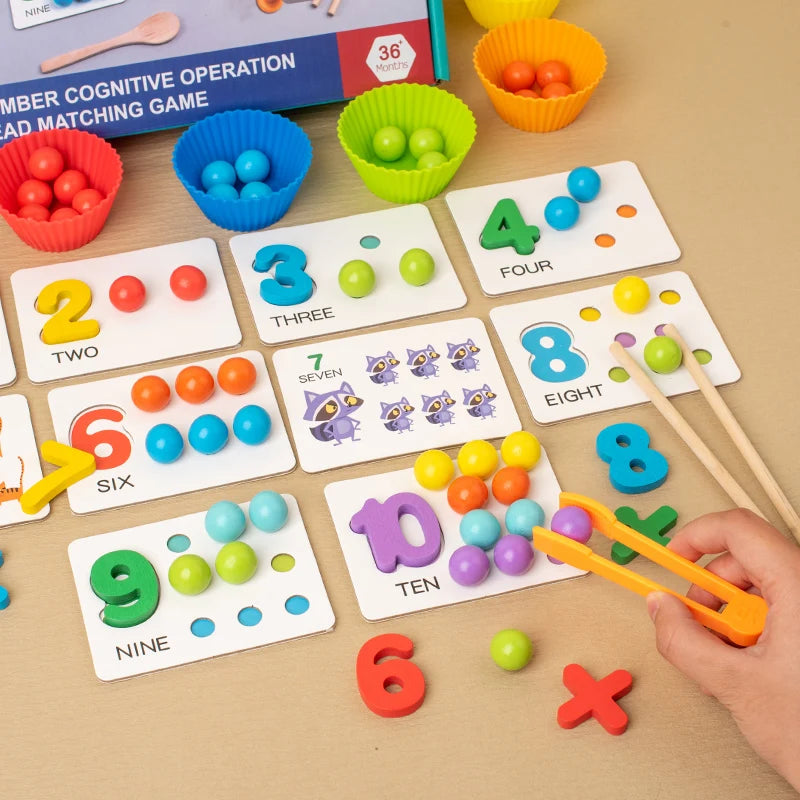
💡 See it in action - preschool math projects / step by step preschool math teaching guide, early learning math manipulatives wooden set, preschool math teaching aids for home use, children lose interest in early math learning
👉 Get yours now — make learning fun before interest fades
FAQ
What age is best for preschool math projects?
Most children benefit from starting around age 3–5, when they begin recognizing numbers, shapes, and patterns.
How long should each session be?
Keep sessions short—10 to 15 minutes is ideal to maintain focus and avoid burnout.
Do I need special tools to teach math at home?
While everyday objects work, structured tools like an early learning math manipulatives wooden set make learning faster and more engaging.
What if my child refuses to participate?
Switch activities, reduce pressure, and focus on play. Engagement improves when learning feels voluntary and fun.
Are preschool math projects really effective?
Yes, they help children understand concepts deeply through hands-on experience, making learning both enjoyable and memorable.
Pillar Article: Preschool learning toy: How to match kids’ learning needs
Other Related Articles:
Explore More:





