

Preschool learning toy: How to match kids’ learning needs
Does a preschool learning toy really help kids understand numbers?
A preschool learning toy helps children grasp numbers faster by turning abstract ideas into hands-on experiences. Instead of memorizing, kids learn by touching, sorting, and visualizing quantities. This reduces frustration, improves focus, and builds confidence—especially for toddlers who struggle learning numbers at home.
Preschool learning toy: How to match kids’ learning needs
A preschool learning toy can transform how your child understands numbers—but only if it truly fits their needs. Many parents notice toddlers struggle learning numbers at home, facing preschool math frustration and slow progress because children are confused by abstract number concepts. The right interactive math learning tools for parents turn confusion into clarity through play-based discovery. But how do you choose one that actually works for your child’s unique learning style?
⏱ 8 min read
Which learning toy actually helps your child “get” numbers instead of just repeating them? Keep reading—you’ll discover how to match the right tool to your child’s exact challenge.
👉 Discover the safest toys for your baby
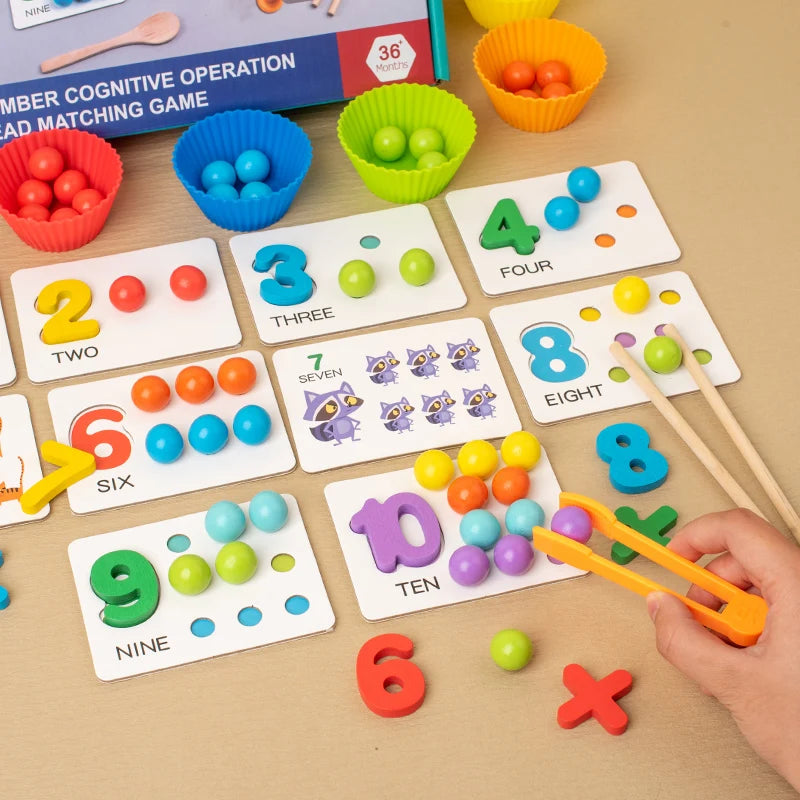
💡 See it in action - preschool learning toy / toddlers struggle learning numbers at home, preschool math frustration and slow progress, children confused by abstract number concepts, interactive math learning tools for parents
Why toddlers struggle learning numbers at home
Many parents feel confused when their child can count to ten but still doesn’t understand what “five” actually means. This is one of the most common early learning challenges.
The issue isn’t effort—it’s how numbers are introduced.
- Numbers are often taught as symbols, not quantities
- Children memorize without understanding
- Abstract concepts overwhelm young minds
- Lack of hands-on interaction slows learning
This leads to preschool math frustration and slow progress, making both parents and children feel stuck.
For example, a toddler might say “1, 2, 3, 4…” perfectly—but when asked to give 3 apples, they hesitate. That gap is where confusion begins.
To overcome this, children need to see, touch, and experience numbers in a meaningful way.
How a preschool learning toy builds real understanding
A preschool learning toy helps children connect numbers to real-world meaning by combining visual, tactile, and interactive elements. Instead of memorizing, kids learn by doing—matching quantities, sorting objects, and physically engaging with numbers. This builds deeper comprehension, reduces confusion, and turns learning into an enjoyable daily habit.
Unlike traditional worksheets, interactive toys bridge the gap between abstract numbers and real-life experiences.
What makes these tools effective?
- Hands-on manipulation builds memory faster
- Visual cues make numbers easier to understand
- Repetition through play feels natural, not forced
- Immediate feedback helps correct mistakes early
Explore options designed for this purpose in Baby Growth & Learning and Sensory Toys.
One standout example is a preschool learning toy set that uses wooden pieces and number matching to turn abstract math into something children can see and feel.
How to match toys to your child’s learning needs
Not every child learns the same way. Choosing the right toy means understanding your child’s specific challenge.
1. For children confused by abstract number concepts
These children need visual and physical learning tools.
- Counting blocks
- Number matching boards
- Color-coded quantity sets
These tools make numbers tangible, helping children connect symbols to real quantities.
2. For toddlers who lose focus quickly
Short attention spans require engaging, interactive play.
- Bright colors and shapes
- Multi-step activities
- Hands-on puzzles
Look into Sensory Toys to support focus through stimulation.
3. For kids experiencing slow learning progress
Consistency and repetition are key.
- Structured learning sets
- Step-by-step number activities
- Progressive difficulty levels
These tools provide gradual learning without overwhelming the child.
4. For parents wanting guided learning
Some tools are designed to help parents teach effectively.
- Instruction-based activities
- Matching games with clear steps
- Self-correcting systems
Find supportive tools in Baby Growth & Learning.
How interactive math learning tools make learning easier
Choosing the right preschool learning toy doesn’t just improve math—it transforms the entire learning experience.
- ✅ Reduces frustration by simplifying concepts
- ✅ Builds confidence through small wins
- ✅ Encourages independent learning
- ✅ Strengthens parent-child bonding
- ✅ Creates a positive attitude toward math
Parents often notice changes within weeks:
- Children engage longer during playtime
- Fewer emotional breakdowns during learning
- Better retention of numbers
👉 Learn step-by-step how to choose the right baby gear
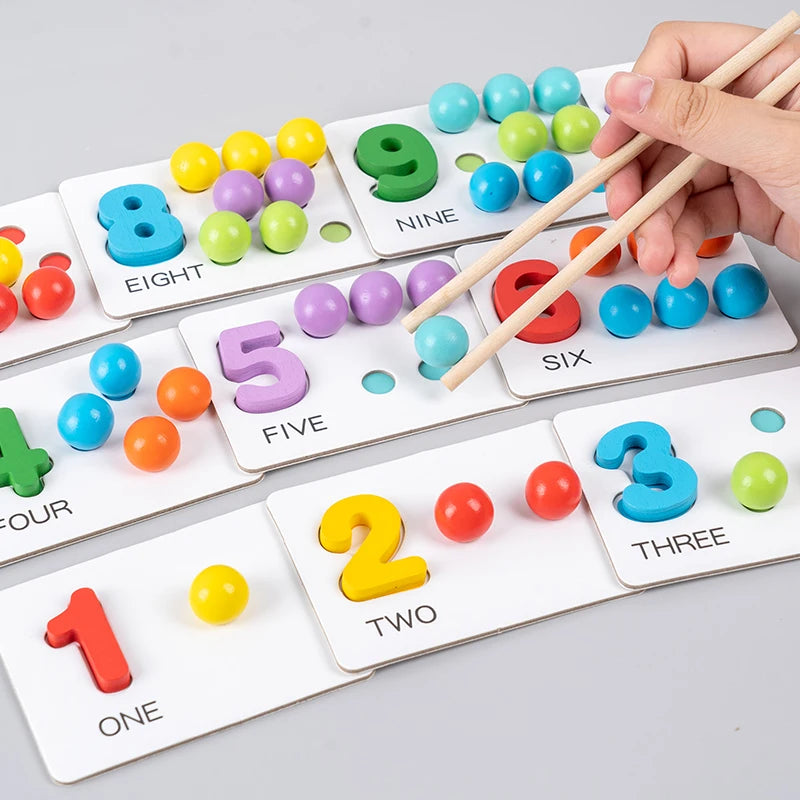
💡 See it in action - preschool learning toy / toddlers struggle learning numbers at home, preschool math frustration and slow progress, children confused by abstract number concepts, interactive math learning tools for parents
Choosing the right toy: comparison guide
| Feature | Basic Counting Toys | Interactive Learning Sets |
|---|---|---|
| Engagement | Low | High |
| Learning Depth | Memorization | Concept Understanding |
| Child Interest | Short-term | Long-term |
| Parent Involvement | High | Moderate |
Interactive sets provide a deeper and more sustainable learning experience.
For example, this preschool learning toy combines counting, matching, and visual cues—making it suitable for multiple learning styles.
Real parent experiences: what actually works
Emily, mom of a 3-year-old:
“My son used to cry during number practice. After switching to a hands-on toy, he started asking to play with numbers.”
David, dad of twins:
“We tried flashcards, apps, everything. Nothing worked until we used a physical learning set. Now both kids understand counting naturally.”
These stories highlight one truth: children learn best through play.
How to use learning toys effectively at home
- Start with small numbers (1–3)
- Use real-life objects alongside the toy
- Keep sessions short (10–15 minutes)
- Celebrate small successes
- Repeat consistently
Pair learning time with a calm environment. Products from Sleep & Comfort can help create a relaxed space for focused play.
For hygiene and safe play, explore Baby Hygiene Gadgets.
Why this preschool learning toy stands out
A preschool learning toy that combines tactile, visual, and structured learning stands out because it addresses multiple learning challenges at once. It supports children who struggle with abstract concepts while keeping them engaged through play. This makes learning faster, easier, and more enjoyable for both kids and parents.
- ✔ Durable and safe materials
- ✔ Designed for step-by-step learning
- ✔ Encourages independent play
- ✔ Suitable for different skill levels

💡 See it in action - preschool learning toy / toddlers struggle learning numbers at home, preschool math frustration and slow progress, children confused by abstract number concepts, interactive math learning tools for parents
Make learning stress-free and enjoyable
When you match the right toy to your child’s needs, learning becomes something they look forward to—not avoid.
The goal isn’t to push faster results—it’s to build a strong foundation that lasts.
Explore more supportive tools in Baby Growth & Learning and create a learning environment that works for your child.
👉 Get yours now — limited stock!
Ready to help your child understand numbers with confidence? Try this preschool learning toy and turn frustration into progress.
FAQ
What age is best for a preschool learning toy?
Most children benefit from these toys between ages 2–5, when they begin recognizing numbers and patterns.
Why do toddlers struggle learning numbers at home?
Because numbers are often taught abstractly. Without hands-on experience, children cannot connect numbers to real meaning.
How long does it take to see progress?
Many parents notice improvement within 2–4 weeks of consistent, play-based learning.
Are interactive math learning tools better than apps?
Yes, physical interaction helps build stronger neural connections and deeper understanding compared to passive screen learning.
Can one toy work for all learning styles?
The best toys combine visual, tactile, and structured elements to support multiple learning styles.
Related Articles:
- Counting toys for preschoolers: How to boost daily number skills
- Preschool math projects: Simple ideas for home learning success
Pillar Articles:





