

Educational Toys for 6 Year Olds That Keep Kids Learning Longer
Do educational toys for 6 year olds really work?
Yes— educational toys for 6 year olds can make a meaningful difference when they encourage active thinking instead of passive entertainment. At this age, children are developing stronger reading, math, communication, creativity, and problem-solving skills. The right educational toy for a 6 year old supports these milestones through hands-on exploration, open-ended play, and age-appropriate challenges.
Rather than promising faster academic success on their own, the best educational toys help children practice important skills repeatedly in enjoyable ways. Toys that can be used differently each time typically deliver better long-term value than products with only one fixed activity.
educational toys for 6 year olds: Top Picks vs Real Learning Impact
Educational toys for 6 year olds aren't just about entertainment—they help build confidence, curiosity, and independent thinking. This guide compares the best educational toys for 6 year olds by learning goal, explains what actually makes a toy educational, and shares practical buying advice so you can choose toys that stay engaging long after the first day.
⏱ 10 min read
Curious which toys truly support learning? Explore hands-on options inside Baby Growth & Learning and discover smarter ways to play.
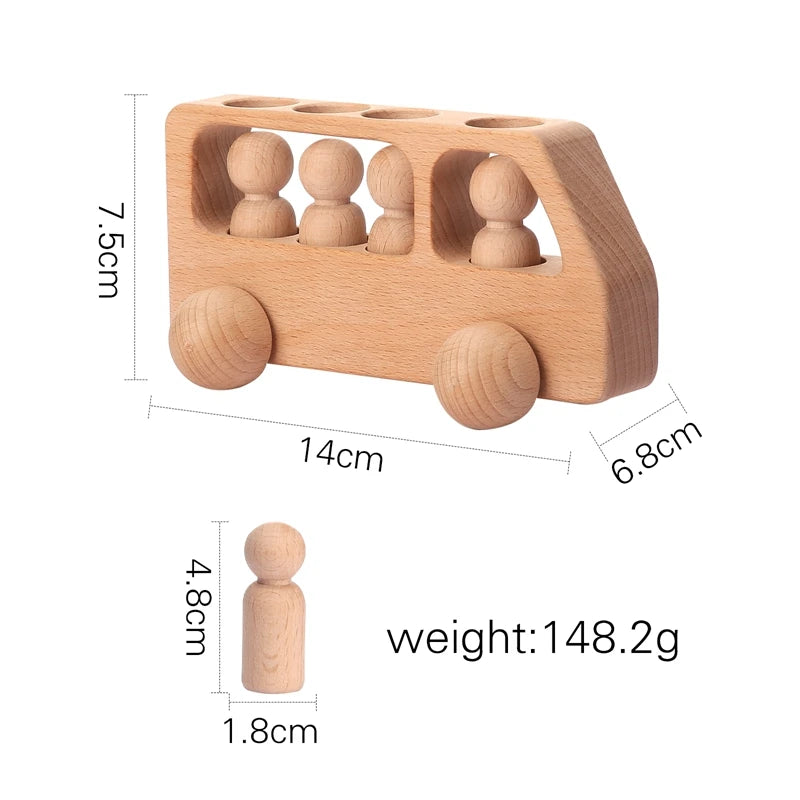
Educational toys for 6 year olds that spark curiosity and focus. See them in action.
What Makes the Best Educational Toys for 6 Year Olds?
The best learning toys for 6 year olds challenge children without overwhelming them. Instead of simply teaching facts, they encourage experimentation, creativity, communication, and independent thinking.
Developmental milestones at age 6
- Improved reading and early writing skills
- Better logical reasoning and sequencing
- Growing interest in science and how things work
- Longer attention spans for engaging projects
- Stronger fine motor coordination
Learning styles and interests
Every child learns differently. Some thrive with construction toys, while others prefer art, pretend play, puzzles, coding games, or science experiments. Matching toys to genuine interests increases engagement far more than choosing the latest trend.
Independent vs collaborative play
Quality educational toys age 6 should support both solo exploration and shared experiences with parents, siblings, or friends. Independent play builds confidence, while collaborative play strengthens communication, teamwork, and emotional skills.
Many families choose open-ended options like Sensory Toys because they adapt as children's abilities grow.
How We Selected and Tested the Best Educational Toys
To compare the best educational toys for 6 year olds, we focused on characteristics that matter most to families rather than flashy marketing features.
Selection criteria
- Age-appropriate challenge level
- Multiple ways to play
- Replay value over months instead of days
- Clear educational purpose
Educational value
We prioritized toys that support STEM learning, literacy, creativity, problem-solving, critical thinking, and imaginative storytelling.
Durability and safety
Well-built materials, smooth finishes, sturdy construction, and age-appropriate designs help toys remain safe and enjoyable through years of regular use.
Value for money
The highest-priced toy isn't always the best. Durable toys that grow with a child's abilities often deliver better long-term value than feature-heavy electronic products that lose appeal quickly.
Best Educational Toys for 6 Year Olds by Learning Goal
Best STEM toys
Hands-on STEM kits encourage experimentation, engineering thinking, and simple scientific investigation while keeping children actively involved.
Best for: Curious learners who enjoy discovering how things work.
Best coding and science toys
Screen-free coding games, beginner robotics sets, and science experiment kits introduce computational thinking without requiring advanced technical knowledge.
Best building and construction toys
Building sets remain one of the strongest long-term investments because children continually invent new structures and stories. A wooden train toy for kids combines engineering, storytelling, creativity, and collaborative play in one versatile toy.
- Excellent replay value
- Supports spatial reasoning
- Encourages imaginative storytelling
Best literacy and reading toys
Word-building games, storytelling cards, phonics activities, and reading adventures help strengthen vocabulary and reading confidence while keeping learning enjoyable.
Best art and creativity toys
Drawing sets, craft kits, modeling clay, and open-ended art supplies develop fine motor skills while encouraging self-expression and creative confidence.
Best logic and puzzle toys
Puzzles and brain teasers improve concentration, planning, memory, and flexible thinking through progressively challenging activities.
Best pretend play toys
Role-play sets encourage communication, empathy, storytelling, and social-emotional development by allowing children to create their own scenarios.
Best screen-free educational toys
Classic construction toys, wooden train systems, board games, craft materials, and cooperative games continue delivering educational value without relying on screens or batteries.
Comparison Table: Which Educational Toy Is Right for Your Child?
| Toy Category | Primary Skill | Difficulty | Play Style | Typical Budget |
|---|---|---|---|---|
| Building Toys | Creativity & Engineering | Medium | Solo or Group | $$ |
| STEM Kits | Science & Problem Solving | Medium-High | Guided | $$-$$$ |
| Coding Toys | Logic & Sequencing | Medium | Solo | $$-$$$ |
| Art Supplies | Creativity | Easy | Independent | $-$$ |
| Pretend Play | Communication | Easy | Group | $-$$ |
| Puzzle Games | Critical Thinking | Medium | Solo | $-$$ |
Want toys that grow with your child? Learn how to choose smarter options inside Baby Growth & Learning Tips .
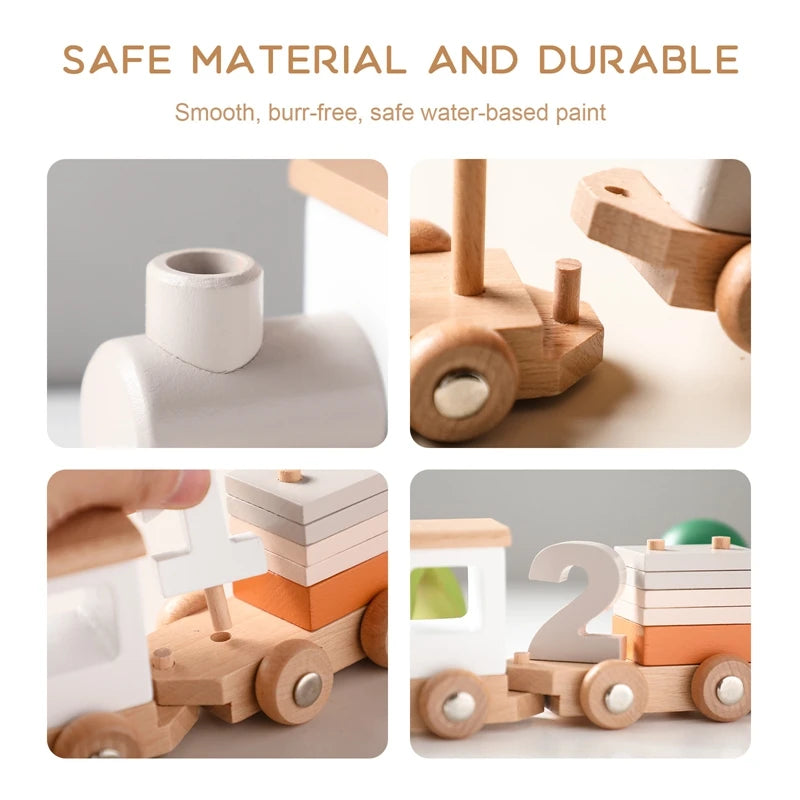
Educational toys families love for long-lasting engagement. See them in action.
Best Educational Toys by Interest and Budget
Under $25
- Logic puzzles
- Storytelling cards
- Craft supplies
- Simple building sets
Best premium gifts
- Large building systems
- Advanced STEM kits
- Programmable beginner robots
For classroom and homeschooling
Choose versatile educational toys that support math practice, literacy, science exploration, and cooperative learning across multiple subjects.
For independent play
Construction toys, puzzle challenges, and creative building systems encourage children to stay engaged without constant adult direction.
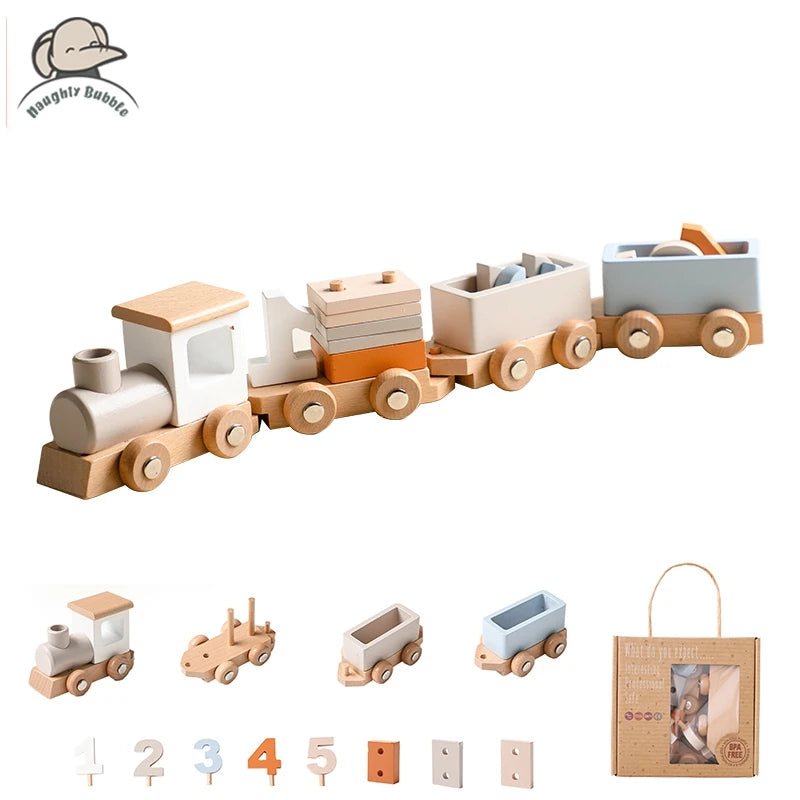
Hands-on educational toys encourage longer independent play sessions.
How to Choose the Right Educational Toy for a 6-Year-Old
Match personality
Creative children often enjoy art and pretend play, while analytical learners may gravitate toward building toys, coding kits, and puzzles.
Match learning goals
Decide whether you want to strengthen reading, math, STEM, creativity, communication, or fine motor skills before shopping.
Safety and materials
Look for durable materials, age recommendations, quality construction, and designs that can withstand frequent use.
Avoid common buying mistakes
- Choosing toys based only on popularity
- Buying products that only perform one activity
- Ignoring your child's interests
- Assuming expensive always means educational
Parents who focus on versatility instead of flashy features often find children return to the same educational toys for months or even years. A versatile wooden train toy for kids is a good example because it combines construction, storytelling, imaginative play, and collaborative learning.
Ready to upgrade playtime? Get yours now before popular picks sell out and bring learning back into play.
FAQs
What are the best educational toys for 6 year olds?
Building toys, STEM kits, literacy games, puzzles, creative art supplies, and pretend play sets consistently provide the strongest combination of learning value and long-term engagement.
What educational skills should a 6-year-old be developing?
Children at this age typically benefit from activities that strengthen reading, writing, math, critical thinking, creativity, communication, collaboration, and problem-solving.
Are electronic learning toys worth buying?
Some electronic toys provide useful practice, but they work best alongside hands-on toys that encourage creativity, experimentation, and independent thinking.
What are the best screen-free educational toys?
Building blocks, wooden train sets, board games, puzzles, craft supplies, science experiments, and pretend play toys remain excellent screen-free learning choices.
How many educational toys should a 6-year-old have?
A carefully selected collection of versatile toys is usually more valuable than owning dozens of single-purpose products. Rotating toys periodically also helps maintain interest.
What makes a toy truly educational?
A truly educational toy encourages active participation, problem-solving, creativity, and repeated exploration instead of simply entertaining children for a short time.
Pillar Article: educational toys for 4 year olds: Montessori vs Traditional Best Picks
Other Related Articles:
- educational toys for 3 year olds: Best vs Worst Value Toys Reviewed
- great toys for 2 year olds: Top Picks Compared for Learning Value
- learning toys for 5 year olds: Best Educational Toy Comparison Guide
- toys for fine motor skills: Best Development Toys Compared 2026
Explore More:





