

Best Toys for Motor Skills Development by Age (2026)
Do toys for motor skills development really work?
Toys for motor skills development can support children as they build hand strength, coordination, balance, and problem-solving abilities through active play. The best toys for fine motor skills do not magically accelerate development overnight, but they provide repeated opportunities for children to practice essential movements like grasping, pinching, stacking, connecting, and manipulating objects.
Fine motor skill development toys are most effective when they match a child’s age, encourage independent exploration, and provide the right level of challenge. Parents should look for toys that support natural milestones while remembering that every child develops at their own pace.
toys for fine motor skills: Best Development Toys Compared 2026
Choosing the right toys for fine motor skills can have a major impact on early learning—but not every “educational” toy delivers real developmental value. This guide compares the best toys for motor skills development, explains how fine and gross motor skills grow, and shows which toys actually help children build coordination, independence, and confidence. Discover which fine motor skill development toys are worth adding to playtime and which ones may not provide meaningful practice. ⏱ 8 min read
Why Motor Skills Matter at Every Stage of Childhood
Motor skills affect how children interact with the world around them. From holding a spoon to writing their name, these abilities develop through repeated practice and hands-on experiences.
Fine motor skills
Fine motor skills involve small movements controlled by the hands, fingers, and wrists. These skills help children complete everyday tasks such as:
- Holding crayons and pencils
- Using utensils during meals
- Buttoning clothing
- Building with blocks
- Opening and closing containers
Gross motor skills
Gross motor skills focus on larger body movements involving muscles in the arms, legs, and core. Activities like crawling, climbing, jumping, running, and balancing help children develop strength and body awareness.
While toys for fine motor skills mainly target hand and finger control, many well-designed developmental toys encourage both fine and gross motor practice through movement and problem-solving.
Developmental milestones by age
- Infants (0–12 months): Practice reaching, grasping, transferring objects, and exploring textures.
- Toddlers (1–3 years): Develop stacking, sorting, twisting, pushing, and early problem-solving skills.
- Preschoolers (3–5 years): Improve precision, creativity, construction skills, and independent tasks.
Discover engaging toys designed for early development
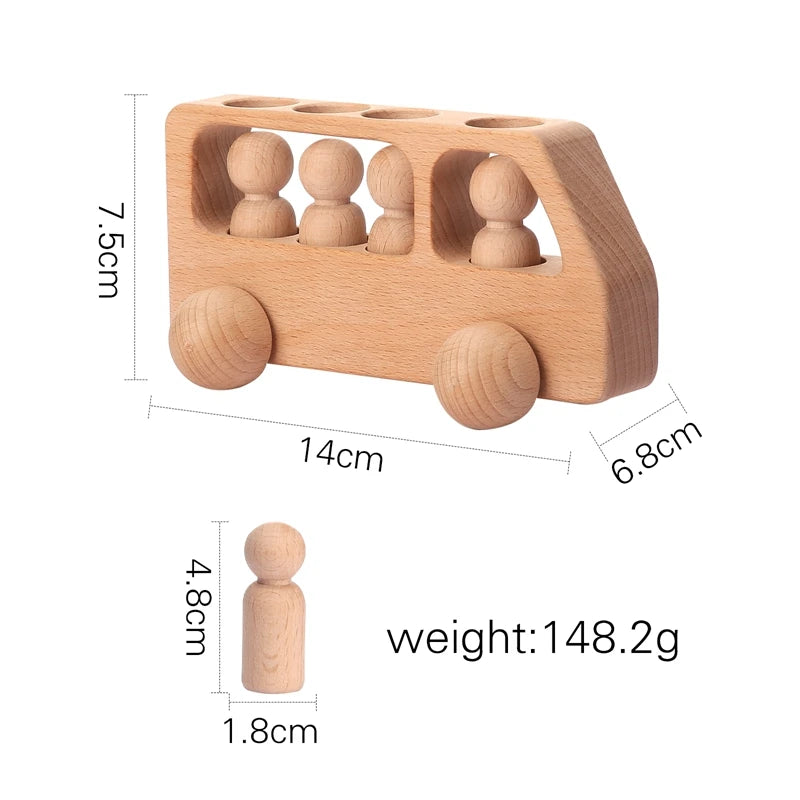
Toys for fine motor skill development that support hand-eye coordination and learning
How We Selected the Best Toys
To identify the best toys for working on fine motor skills, we focused on factors that support meaningful developmental progress rather than short-term entertainment.
- Developmental value: Toys should encourage active movement, problem-solving, and skill repetition.
- Safety: Materials, size, and design should be appropriate for the recommended age group.
- Durability: Quality construction allows children to repeat activities and build confidence.
- Ease of use: Children should be able to interact with toys independently.
- Long-term engagement: The best toys grow with changing abilities and interests.
Best Toys for Motor Skills Development Compared
| Toy Type | Best For | Skill Focus | Recommended Age | Benefits | Limitations |
|---|---|---|---|---|---|
| Wooden Train Sets | Best overall | Grip, coordination, planning | 1.5–5 years | Encourages building, movement, and imaginative play | Requires storage space |
| Stacking Blocks | Beginners | Hand control and balance | 1–3 years | Simple, repeatable skill practice | Less challenging as children advance |
| Threading Beads | Precision practice | Pincer grasp and finger control | 2–5 years | Excellent for concentration and dexterity | Needs supervision with small parts |
| Puzzle Boards | Problem-solving | Hand-eye coordination | 2–4 years | Builds matching and placement skills | May frustrate beginners |
Best overall
A versatile option like the wooden train toy for kids combines multiple actions that support toys that develop fine motor skills, including gripping, connecting pieces, moving objects, and planning layouts.
Best for infants
Infants benefit from simple toys that encourage reaching, grasping, squeezing, and transferring objects between hands. Soft sensory toys, textured objects, and easy-to-hold pieces are often ideal first developmental toys.
Best for toddlers
Toddlers usually benefit from stacking toys, sorting games, puzzles, and construction toys that strengthen finger control while encouraging independence.
Best for preschoolers
Preschool children can handle more advanced challenges such as threading, building sets, pretend-play toys, and creative construction activities that improve precision.
Best Montessori-inspired toys
Montessori-inspired toys often focus on practical skills, repetition, and hands-on learning. Options from Montessori Toys encourage children to explore at their own pace while developing coordination.
Best Toys by Developmental Goal
Hand strength
Toys involving squeezing, pushing, pulling, and building help strengthen the muscles needed for writing, dressing, and daily activities.
Pincer grasp
Small controlled movements are improved through toys such as bead threading activities, sorting games, and fine construction sets.
Hand-eye coordination
Puzzles, stacking toys, and moving parts help children learn to coordinate what they see with precise hand movements.
Bilateral coordination
Toys requiring both hands to work together, such as connecting pieces or building sets, improve cooperation between both sides of the body.
Sensory and dexterity
Tactile toys encourage exploration through different textures and movements. Explore additional hands-on options through Baby Toys and Educational Toys .
What Makes a Toy Effective for Motor Skill Development?
The most effective fine motor skill development toys require children to actively participate. A toy that only lights up or plays sounds provides less opportunity for skill-building than one requiring movement and decision-making.
- Encourages grasping, pinching, twisting, or connecting
- Allows repeated practice
- Provides an age-appropriate challenge
- Supports open-ended creativity
- Uses safe, durable materials
Common Toys That Don't Build Motor Skills Well
Some toys may appear educational but provide limited developmental benefits because they reduce active participation.
- ❌ Electronic toys controlled mostly by buttons
- ❌ Toys that provide entertainment without manipulation
- ❌ Toys that are too advanced or too simple for the child’s age
- ❌ Oversized pieces that do not challenge finger control
Instead, choose hands-on options that encourage exploration through movement and discovery.
How to Choose the Right Toy for Your Child
By age
Select toys that match your child’s current abilities. Infants need easy-to-grasp objects, while toddlers and preschoolers benefit from more complex challenges.
By developmental need
Consider whether your child needs support with grip strength, coordination, concentration, or independent play.
Safety checklist
- Choose age-appropriate sizes
- Avoid loose parts for younger children
- Check material quality and durability
- Select toys that can handle repeated use
Parents can also reinforce learning through everyday activities and tools from Feeding Tools .
Final Verdict: Best Toys for Different Ages and Needs
The best toys for motor skills development are not always the most expensive or complicated. The strongest choices are those that encourage children to practice real movements repeatedly.
- Best overall: Wooden train toys for creative, multi-skill play
- Best budget choice: Stacking blocks for early coordination practice
- Best for precision: Threading and sorting toys
- Best for advanced skills: Construction and puzzle-based toys
When children master current challenges, upgrade gradually to toys that introduce new movements and problem-solving opportunities.
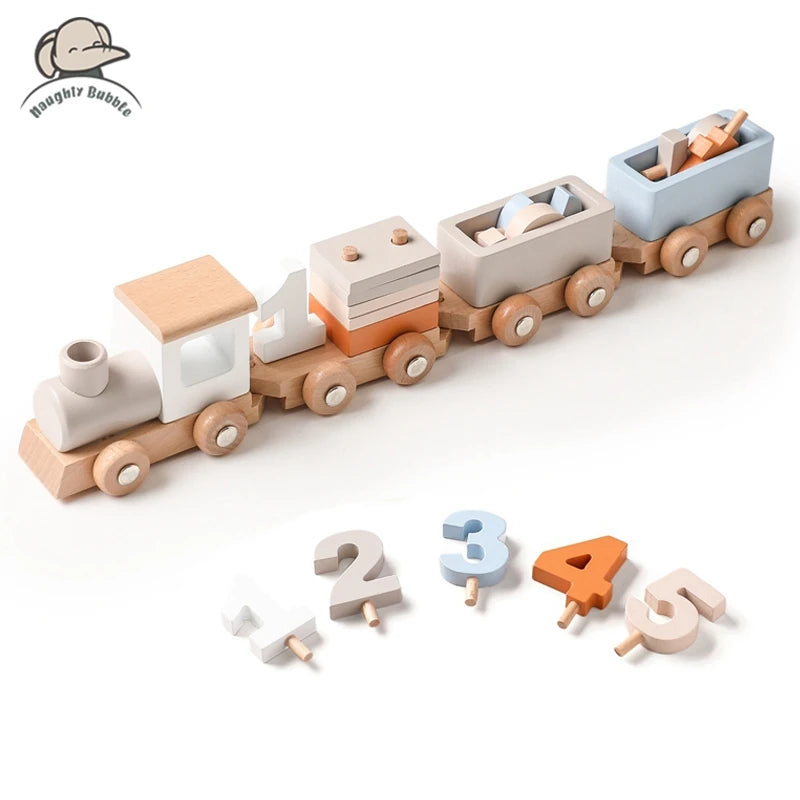
Ways to improve toddler fine motor skills with engaging developmental toys
Find development-focused toys for your child today
FAQs
What are the best toys for fine motor skills?
The best toys for fine motor skills include stacking blocks, puzzles, threading toys, construction sets, and wooden train toys because they encourage grasping, coordination, and problem-solving.
What toys are good for fine motor skills?
Toys that involve picking up, connecting, sorting, twisting, or building are excellent choices because they strengthen finger control and hand coordination.
Which developmental toys are recommended for improving fine motor skills in infants?
Infants benefit from easy-to-grasp rattles, textured toys, soft blocks, and simple sensory toys that encourage reaching and transferring objects between hands.
What is the difference between fine motor and gross motor skill toys?
Fine motor toys focus on small movements of the hands and fingers, while gross motor toys encourage larger movements involving balance, strength, and whole-body coordination.
What is the best age to introduce fine motor skill toys?
Fine motor activities can begin during infancy with simple grasping toys and become more advanced as children develop stronger coordination and problem-solving skills.
How can I improve my toddler's fine motor skills at home?
Encourage activities like drawing, self-feeding, stacking, sorting, puzzles, and playing with toys that require hands-on manipulation.
How do I choose age-appropriate motor skill toys?
Choose toys based on your child’s current abilities, safety needs, and developmental goals. The best options provide a challenge without causing frustration.
Are Montessori toys better for motor skill development?
Montessori-inspired toys can be effective because they encourage independence, repetition, and practical skills, but the best choice depends on the child’s interests and developmental stage.
How many minutes a day should children practice fine motor activities?
Short daily sessions of hands-on play are often more effective than occasional long sessions. Regular practice through play and daily routines helps children build confidence over time.
Pillar Article: educational toys for 4 year olds: Montessori vs Traditional Best Picks
Other Related Articles:
- educational toys for 6 year olds: Top Picks vs Real Learning Impact
- educational toys for 3 year olds: Best vs Worst Value Toys Reviewed
- great toys for 2 year olds: Top Picks Compared for Learning Value
- learning toys for 5 year olds: Best Educational Toy Comparison Guide
Explore More:





