

Role Play Ideas for Preschoolers That Spark Learning
What are the best role play ideas for preschoolers?
Role play ideas for preschoolers are imaginative activities where children pretend to be different people, animals, or characters while acting out real-life or fantasy situations. Also called dramatic play , these activities strengthen language, confidence, creativity, social-emotional development, and early academic skills through hands-on experiences.
Popular role play ideas for preschoolers include pretending to be doctors, firefighters, chefs, shopkeepers, teachers, builders, veterinarians, train conductors, explorers, and storytellers. Most activities require only simple household items, recycled materials, or a few favorite toys.
⏱ 7 min read
Role play ideas for preschoolers: Easy Steps to Create Learning Games
Looking for meaningful ways to keep your preschooler engaged without relying on screens? Role play transforms everyday routines into exciting adventures where children practice communication, problem-solving, creativity, and emotional understanding. Whether you're creating a pretend bakery in the kitchen or running a rescue mission with stuffed animals, these activities help children learn naturally through play.
Wondering which pretend play activity will keep your preschooler engaged the longest? Start with familiar daily experiences like shopping, cooking, or visiting the doctor, then gradually introduce new adventures as your child's confidence grows.
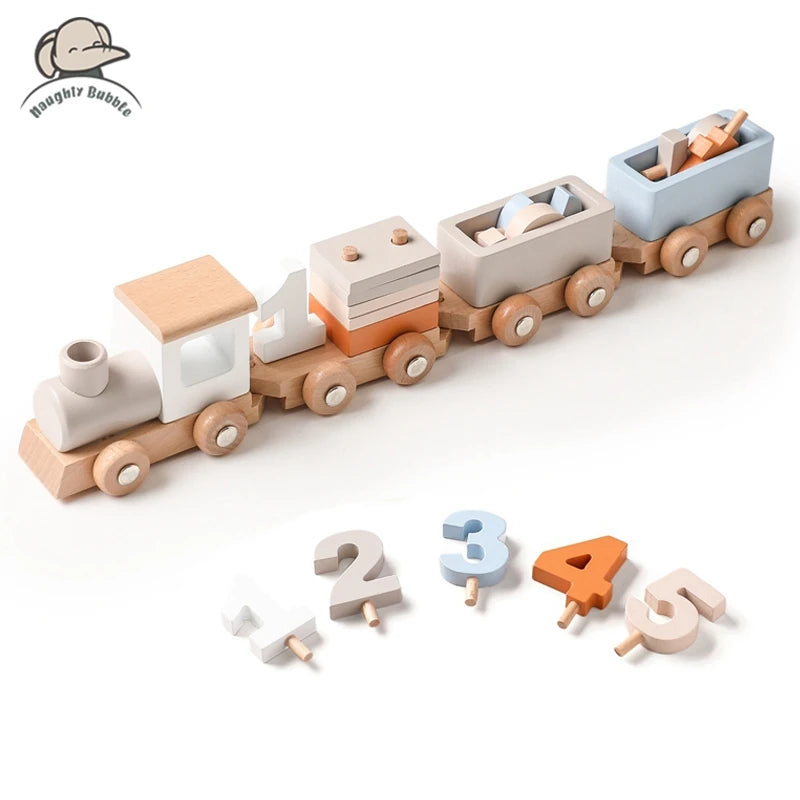
Role play ideas for preschoolers that make learning feel like everyday adventures.
Explore playful learning tools: Baby Growth & Learning and Sensory Toys
Why role play helps preschoolers learn
Preschool role play encourages children to explore ideas, solve problems, and communicate while having fun. Instead of memorizing facts, children actively experiment with language, relationships, and everyday situations.
Well-designed preschool role play activities support multiple developmental areas at the same time.
- Language development: expanding vocabulary through conversations and storytelling.
- Social-emotional learning: practicing empathy, cooperation, patience, and emotional regulation.
- Problem-solving: making decisions during pretend challenges.
- Creativity: inventing stories, characters, and imaginative solutions.
- Fine motor skills: handling pretend tools, arranging props, building scenes, and manipulating small objects.
- Early literacy and math: reading signs, writing pretend lists, counting objects, sorting, and sequencing events.
For example, a pretend bakery naturally combines counting cookies, writing simple menus, taking customer orders, and practicing polite conversations—all while children believe they are simply playing.
How to set up a preschool role play area
You don't need an elaborate playroom to create engaging preschool role play ideas. A small corner of the living room or bedroom works perfectly.
Follow these simple steps:
- Choose one familiar theme such as a doctor's office, grocery store, kitchen, classroom, post office, or train station.
- Gather simple materials including cardboard boxes, recycled containers, scarves, toy dishes, stuffed animals, clipboards, or blocks.
- Create a clear play space with enough room to move safely.
- Rotate themes weekly to keep activities fresh without buying new toys.
- Store props in labeled baskets so children can independently set up future games.
Safety tips:
- Choose age-appropriate materials without choking hazards.
- Avoid sharp or breakable household objects. Secure heavy furniture if children are climbing nearby.
- Supervise activities involving small accessories.
Whether you're creating a home play corner or organizing preschool classroom activity ideas, simple setups often inspire the richest imagination.
Need extra support for setting up calm, organized play spaces? Browse Sleep & Comfort and Baby Growth & Learning Tips for ideas that fit busy parenting routines.
25+ role play ideas for preschoolers by theme
Community helpers
Children love acting out jobs they see in everyday life.
- Doctor clinic
- Veterinary office
- Fire station
- Police officer
- Mail carrier
- Dentist
Skills practiced: empathy, communication, sequencing, emotional vocabulary.
Conversation prompt: "Who needs your help today?"
Home and family
- Family dinner
- Baby care
- Laundry day
- Bedtime routine
Skills practiced: routines, responsibility, social understanding, language.
Shops and restaurants
- Grocery store
- Bakery
- Pizza shop
- Ice cream stand
- Restaurant
Skills practiced: counting, money concepts, taking turns, memory, conversation.
Adventure and nature
- Camping trip
- Safari adventure
- Garden center
- Treasure hunt
- Nature explorer
Skills practiced: observation, storytelling, science vocabulary, teamwork.
Transportation and travel
Transportation themes encourage children to build stories while practicing sequencing and problem-solving.
- Airport
- Bus station
- Train station
- Space shuttle
- Road trip
Build tracks together, name stations, count passengers, and invent destinations. The wooden train toy for kids makes transportation role play even more engaging while supporting storytelling and fine motor development.
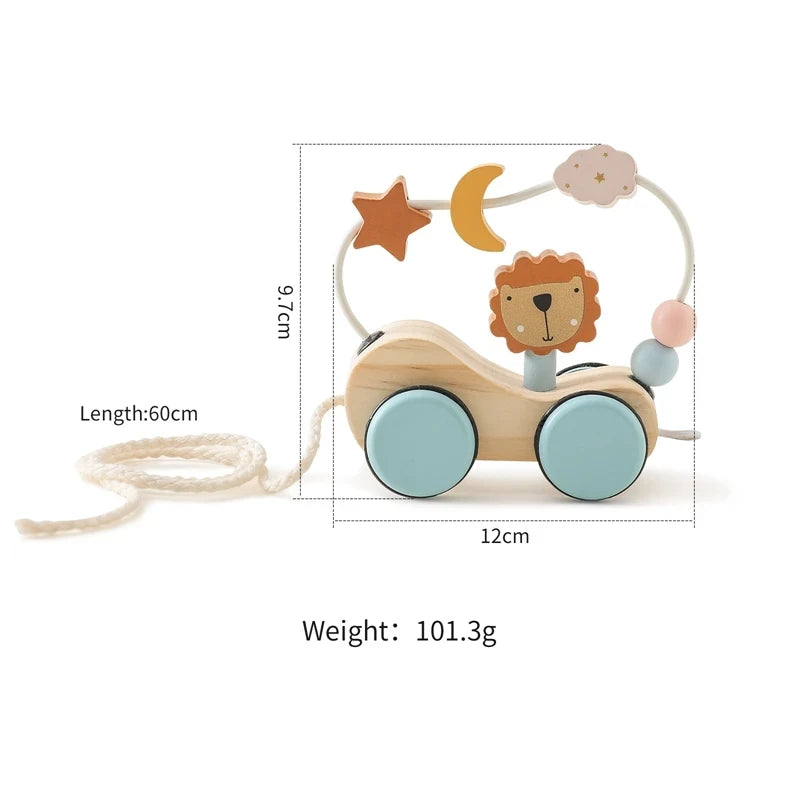
Transportation role play encourages storytelling, sequencing, and creative thinking.
Make story time interactive: Try the wooden train toy for kids for imaginative routes and role-play adventures.
Fantasy and storytelling
- Pirates
- Castle adventure
- Superheroes
- Fairy garden
- Dragon rescue
- Magic forest
Skills practiced: imagination, vocabulary, creative thinking, collaborative storytelling.
Role play ideas by age
Role play for 3 year olds
Three-year-olds usually enjoy short, familiar scenarios with simple language and repetitive routines.
- Kitchen play
- Doctor checkups
- Tea parties
- Animal care
Role play for older preschoolers
Children aged four to five can handle longer stories with multiple characters, simple rules, and problem-solving challenges.
- Restaurant manager
- Travel agency
- Construction crew
- Science laboratory
- Detective missions
Role play activities for toddlers
Toddlers benefit from simple imitation using large, safe props and adult participation.
- Pretend phone calls
- Feeding dolls
- Toy washing station
- Simple shopping games
How to extend role play into learning
Role play becomes even more valuable when everyday learning naturally fits into the story.
- Early literacy: create menus, signs, tickets, shopping lists, and appointment cards.
- Math: count customers, measure ingredients, compare prices, sort objects, and identify shapes.
- Vocabulary: introduce new words connected to each theme.
- Sensory play: add water, sand, play dough, fabrics, or natural materials when appropriate.
These preschool role play activities encourage children to practice new skills without feeling like they're completing formal lessons.
Printable props and simple DIY materials
Many excellent role play materials can be created at home for little or no cost.
- Printable menus
- Price tags
- Train tickets
- Doctor charts
- Shopping lists
- Name badges
- Road signs
Reuse cereal boxes, paper bags, bottle caps, cardboard tubes, and delivery boxes to build realistic pretend environments. Store each theme in a labeled container so setup takes only a few minutes.
Indoor and outdoor role play adaptations
Role play works almost anywhere with a few simple adjustments.
- Rainy days: create indoor cafés, post offices, hospitals, or libraries.
- Outdoor play: organize camping trips, treasure hunts, farmers' markets, or construction sites.
- Small spaces: use tabletop role play with dolls, figures, and miniature props.
- Group activities: assign different community helper roles so children cooperate to solve pretend challenges.
How to encourage imaginative play naturally
Children develop stronger creativity when adults guide without controlling the story.
- Follow your child's interests.
- Ask open-ended questions.
- Model new ideas without taking over.
- Rotate themes every week or two.
- Celebrate creative solutions instead of perfect answers.
Helpful prompts include:
- "Who needs your help today?"
- "What should happen next?"
- "How can we solve this problem together?"
- "Where are the passengers traveling today?"
As children gain confidence, they'll begin creating longer stories independently and inviting others to participate.
Common role play challenges and solutions
My child is shy.
Start with familiar characters like family members or favorite animals before introducing larger group activities.
My child repeats the same story every day.
Keep the favorite theme but add one new challenge, visitor, or location to expand the storyline.
Siblings argue over roles.
Create multiple jobs so everyone has an important responsibility within the same game.
Attention spans are short.
Keep sessions between 10 and 20 minutes and finish while children are still engaged.
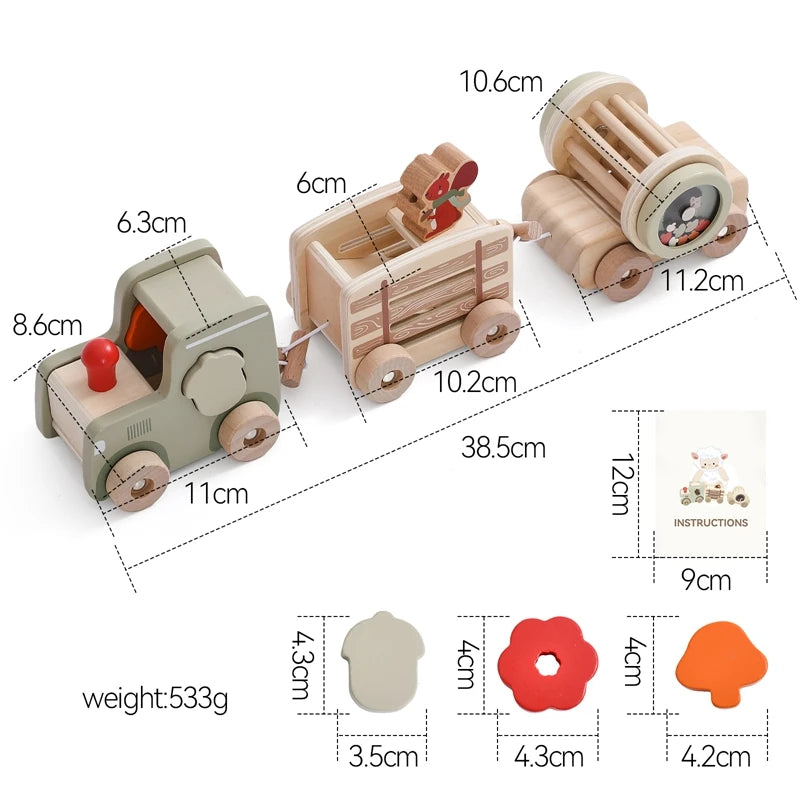
Creative role play builds confidence, communication, and everyday problem-solving.
Ready to create your first learning adventure? Start with the wooden train toy for kids and inspire imaginative transportation stories at home.
Frequently asked questions
What are the best role play ideas for preschoolers?
Doctor clinics, grocery stores, restaurants, classrooms, train stations, veterinarians, camping adventures, and family routines are among the most popular because children recognize them from everyday life.
What skills do role play activities develop?
Role play supports communication, creativity, empathy, cooperation, fine motor skills, early literacy, problem-solving, confidence, and emotional development.
What materials do I need for preschool role play?
Household items, recycled boxes, stuffed animals, dress-up clothes, toy kitchen items, paper signs, and simple open-ended toys are usually enough.
How do I encourage a child who does not enjoy pretend play?
Begin with your child's existing interests, participate briefly yourself, and avoid directing every part of the story. Gentle prompts work better than detailed instructions.
What are good role play ideas for 3 year olds?
Kitchen play, caring for dolls, doctor visits, grocery shopping, tea parties, and animal rescue games are excellent starting points because they are familiar and easy to understand.
How long should preschool role play sessions last?
Most preschoolers stay engaged for 10 to 20 minutes, although many continue much longer when they create their own stories.
Can role play support early literacy and math?
Yes. Reading signs, writing shopping lists, counting money, measuring ingredients, and following story sequences naturally build foundational literacy and numeracy skills.
How can I adapt role play for toddlers?
Choose larger props, simple routines, shorter play sessions, and activities based on everyday experiences such as feeding dolls, cooking, cleaning, or making pretend phone calls.
With the right role play ideas for preschoolers, everyday moments become opportunities to build confidence, communication, creativity, and joyful lifelong learning.
Pillar Article: Screen free activities: Easy Step-by-Step Ways to Keep Kids Engaged at Home
Other Related Articles:
- Water play ideas for preschoolers: Simple Setup for Skill Building Fun
- Preschool ideas for 2 year olds: Step-by-Step Home Learning Guide
- Fine motor skill activities: Simple Daily Exercises to Build Strength
Explore More:





