

Fine Motor Strengthening Activities That Really Build Hand Skills
Fine motor skill activities: Simple Daily Exercises to Build Strength
Educational toys for 3 year olds can either boost real learning or quietly waste your money—and most parents don’t know the difference. This guide reveals toys that lack educational value for toddlers, highlights top educational toys for early number learning, and shows exactly how to teach numbers with toys through simple, engaging play. You’ll also discover creative play ideas for preschool learning that turn everyday moments into skill-building opportunities. Which toys actually deliver lasting results—and which ones should you avoid?
Do fine motor skill activities really work?
Fine motor skill activities strengthen small hand muscles, improve coordination, and support tasks like writing, buttoning, and feeding. With just 10–15 minutes daily, toddlers can build grip strength, control, and confidence through simple, playful exercises that fit naturally into everyday routines.
⏱ 6 min read
Does your toddler struggle to hold crayons, stack blocks, or use utensils? You're not alone. Many parents worry their child is falling behind—but often, the real issue isn’t ability… it’s lack of the right kind of play.
Which daily activities actually build real hand strength? Keep reading—you might be surprised.

Fine motor skill activities for toddlers at home See it in action
Explore Baby Growth & Learning for simple ways to support your child’s development.
Why Strong Fine Motor Skills Matter More Than You Think
Fine motor skills are the foundation of everyday independence. Without them, even simple tasks feel frustrating.
- Holding pencils and drawing shapes
- Buttoning clothes and zipping jackets
- Feeding independently with utensils
- Building confidence in preschool activities
Parents often focus on big milestones like walking or talking—but hand strength quietly affects everything from learning to self-care.
Hidden Signs Your Child Needs Practice
- Grips objects too loosely or too tightly
- Avoids coloring or puzzles
- Gets frustrated with small tasks
- Struggles with stacking or sorting toys
Simple Daily Exercises That Build Hand Strength Fast
Fine motor skill activities don’t require complicated tools. The best exercises are simple, repeatable, and fun.
- Pinch & Pick Games: Use small objects like beads or snacks to strengthen finger grip.
- Stacking & Sorting: Builds coordination and control through repetition.
- Twist & Turn Motions: Open containers or rotate toys to improve wrist strength.
- Push & Pull Play: Helps develop resistance strength in hands.
- Drawing & Tracing: Encourages precision and control.
These are some of the best hands on learning activities for toddlers because they blend play with skill-building naturally.
Quick Daily Routine (10 Minutes)
- 3 minutes: stacking or sorting
- 3 minutes: pinch-and-pick game
- 2 minutes: twisting or turning objects
- 2 minutes: drawing or tracing
Consistency matters more than duration. Short, daily practice works better than long, occasional sessions.
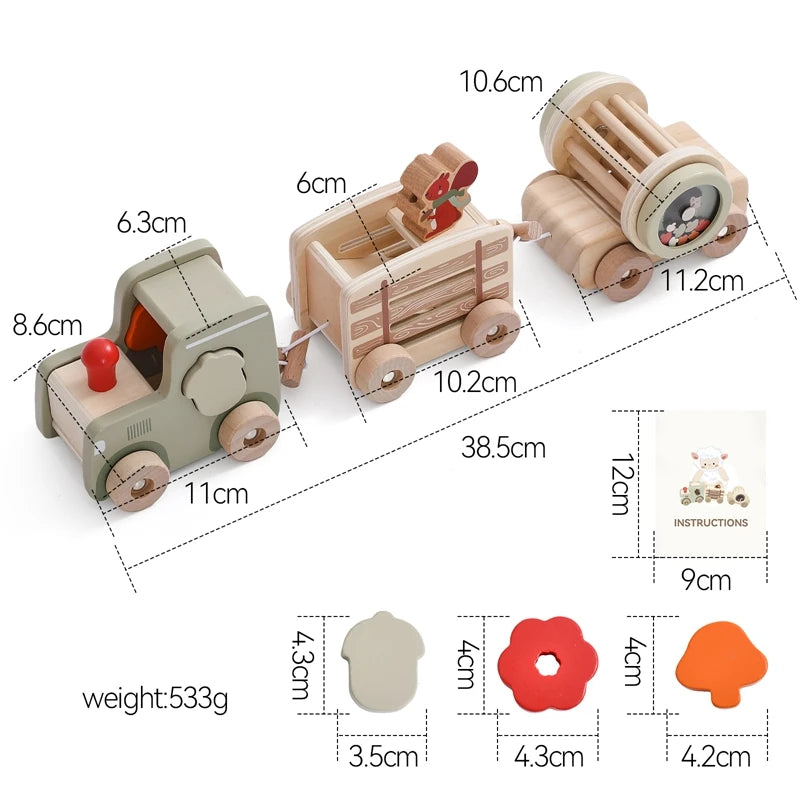
Ways to improve toddler fine motor skills through play See it in action
Browse Sensory Toys designed for real skill development.
Toys That Actually Help (And Ones That Don’t)
| Type of Toy | Helps Development? | Why |
|---|---|---|
| Stacking toys | ✅ Yes | Builds coordination and grip strength |
| Puzzle toys | ✅ Yes | Encourages precision and problem-solving |
| Light-up button toys | ❌ No | Minimal hand engagement |
| Passive electronic toys | ❌ No | Limits active movement |
Many parents unknowingly buy toys not improving fine motor skills —these often entertain but don’t challenge the hands.
What to Look For Instead
- Requires grasping, stacking, or sorting
- Encourages repetition
- Engages multiple fingers
- Supports problem-solving
These are the traits of effective toys for developing fine motor skills .
Step-by-Step Routine for Busy Parents
- Choose one activity your child enjoys
- Keep sessions short (5–10 minutes)
- Repeat daily at the same time
- Gradually increase difficulty
This simple structure helps turn play into measurable progress without stress.
Common Mistakes That Slow Progress
- Too much screen time: Limits hand use
- Overcomplicated toys: Confuses rather than teaches
- Inconsistent practice: Slows muscle development
- Doing tasks for your child: Reduces learning opportunities
Small changes in daily routines can make a big difference over time.
A Simple Toy That Makes Practice Effortless
Fine motor skill activities work best when kids don’t realize they’re practicing. That’s where hands-on toys come in.
Wooden train toy for kids combines stacking, connecting, and imaginative play—helping toddlers build coordination while having fun.
- Encourages grasping and alignment
- Supports early number learning through counting pieces
- Builds hand-eye coordination naturally
- Keeps children engaged longer than passive toys
Parents often notice improved grip strength and focus within weeks of consistent play.
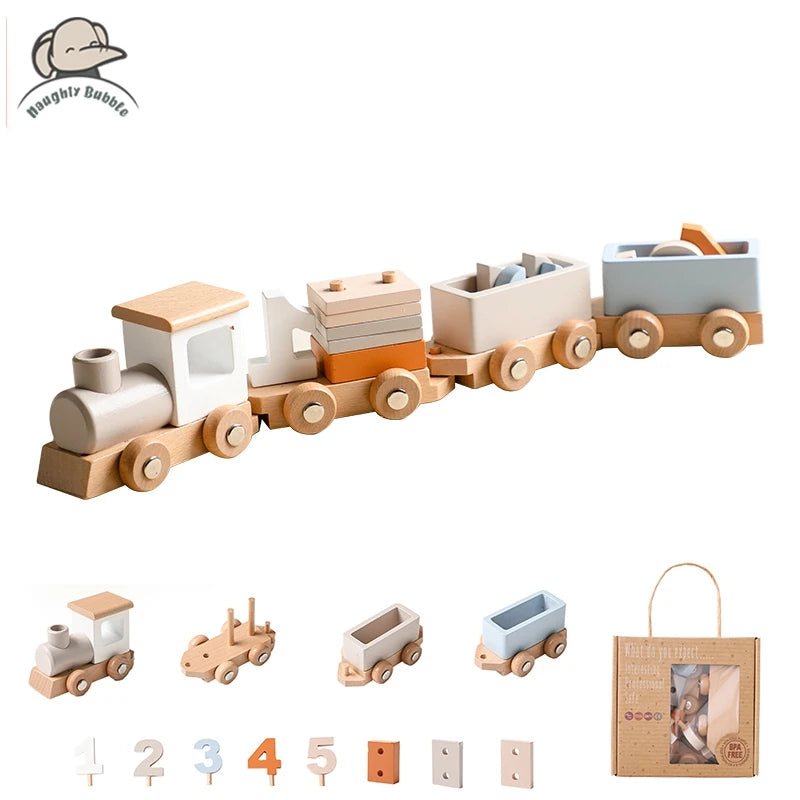
Toys for developing fine motor skills in toddlers See it in action
Try the wooden train toy for kids and turn playtime into skill-building.
FAQs
What age should fine motor skill activities start?
Fine motor development begins in infancy, but structured activities are most effective from ages 2–5 when children can actively engage in play-based learning.
How long should toddlers practice daily?
Just 10–15 minutes of focused activity per day is enough to see steady improvement over time.
Are expensive toys better for development?
No. Simple, hands-on toys that encourage movement and repetition are often more effective than expensive electronic options.
Can everyday items be used for practice?
Yes. Items like spoons, cups, and blocks can be excellent tools for building fine motor skills when used intentionally.
Pillar Article: Screen free activities: Easy Step-by-Step Ways to Keep Kids Engaged at Home
Other Related Articles:
- Water play ideas for preschoolers: Simple Setup for Skill Building Fun
- Preschool ideas for 2 year olds: Step-by-Step Home Learning Guide
- Role play ideas for preschoolers: Easy Steps to Create Learning Games
Explore More:
UPGRADE PLAN { "outline": [ { "action": "MODIFY", "h2": "Do Fine Motor Strengthening Activities Really Work?", "h3": [ "How Hand Strength Supports Everyday Skills" ], "focus": [ "define fine motor strengthening", "benefits for handwriting and self-care", "science behind repetition and play", "set reader expectations" ], "keywords": [ "fine motor strengthening activities", "fine motor strengthening", "improve fine motor skills" ] }, { "action": "MODIFY", "h2": "Why Fine Motor Strength Matters More Than You Think", "h3": [ "Hidden Signs Your Child Needs Practice", "Key Hand Skills Behind Fine Motor Development" ], "focus": [ "intrinsic hand muscles", "grip strength", "pinch and finger isolation", "developmental milestones" ], "keywords": [ "fine motor strengthening", "improve fine motor skills", "fine motor precision activities" ] }, { "action": "REMOVE", "h2": "Toys That Actually Help (And Ones That Don’t)", "h3": [], "focus": [], "keywords": [] }, { "action": "ADD", "h2": "Choose Activities by Age", "h3": [ "Toddlers (1–3 Years)", "Preschoolers (3–5 Years)", "Kindergarten and Early Elementary" ], "focus": [ "age-appropriate expectations", "safe activities", "progression", "practice frequency" ], "keywords": [ "activities to develop fine motor skills", "activities to strengthen fine motor skills" ] }, { "action": "MODIFY", "h2": "Fine Motor Strengthening Activities by Skill", "h3": [ "Pinch Strength", "Grip Strength", "Bilateral Coordination", "Finger Isolation", "Hand Arches and Wrist Stability" ], "focus": [ "match activity to skill", "materials needed", "difficulty progression", "expected outcomes" ], "keywords": [ "fine motor strengthening activities", "fine motor skills exercises", "motor skills exercises" ] }, { "action": "MODIFY", "h2": "10-Minute Daily Fine Motor Routine", "h3": [ "Warm-Up", "Strength", "Precision", "Cool-Down" ], "focus": [ "simple sequence", "busy family routine", "consistency", "adaptations" ], "keywords": [ "exercises for fine motor skills", "exercises to improve fine motor skills" ] }, { "action": "ADD", "h2": "Everyday Household Activities That Build Hand Strength", "h3": [ "Kitchen Tasks", "Laundry and Dressing", "Craft and Play Ideas" ], "focus": [ "low-cost materials", "daily practice", "independence", "real-life skills" ], "keywords": [ "activities to strengthen fine motor skills", "fine motor skill activities" ] }, { "action": "ADD", "h2": "Therapist Tips for Better Results", "h3": [ "When to Make Activities Easier", "When to Increase Challenge" ], "focus": [ "motivation", "avoid frustration", "proper positioning", "monitor progress" ], "keywords": [ "fine motor strengthening", "improve fine motor skills" ] }, { "action": "MODIFY", "h2": "Common Mistakes That Slow Progress", "h3": [], "focus": [ "overtraining", "wrong difficulty", "ignoring weak skills", "lack of variety" ], "keywords": [ "fine motor skills exercises" ] }, { "action": "REMOVE", "h2": "A Simple Toy That Makes Practice Effortless", "h3": [], "focus": [], "keywords": [] }, { "action": "ADD", "h2": "Printable Fine Motor Practice Checklist", "h3": [], "focus": [ "weekly tracker", "skill categories", "goal setting", "home and classroom use" ], "keywords": [ "fine motor strengthening activities" ] }, { "action": "MODIFY", "h2": "Frequently Asked Questions", "h3": [ "What are the best fine motor strengthening activities?", "How can I improve my child's fine motor skills at home?", "How often should children do fine motor exercises?", "What household items improve hand strength?", "When should I seek occupational therapy?" ], "focus": [ "common concerns", "practical guidance", "developmental expectations" ], "keywords": [ "fine motor strengthening activities", "exercises to improve fine motor skills" ] } ], "internal_links": [ "Fine motor activities", "Handwriting activities", "Sensory play ideas", "Occupational therapy resources", "Preschool learning activities", "Scissor skills", "Pencil grasp development", "Hand-eye coordination activities" ], "faq": [ "What are fine motor strengthening activities?", "Which activities improve grip strength the fastest?", "How do I know if my child has weak fine motor skills?", "How many minutes a day should children practice fine motor exercises?", "Can fine motor activities improve handwriting?", "What are the best fine motor activities for toddlers?", "Do preschoolers need different fine motor exercises than kindergarteners?", "When should I consult an occupational therapist?" ], "trim": [ "Product recommendations and buying advice", "Promotional toy section", "Standalone toy-focused routine", "Generic claims without developmental explanation" ] } Approved linked products: - Wooden train toy for kids (/products/wooden-train-toy-for-kids) - wooden train toy for kids (/products/wooden-train-toy-for-kids) Product Rules - Keep all approved products. - Only approved products may contain affiliate links. - You may add real competitor products when useful. - Competitor products must not contain links unless already present. - Only create comparison tables when they genuinely improve the article. RULES - Apply every instruction in the Upgrade Plan. - Keep all existing affiliate links unchanged. - Keep all existing internal links unchanged. - Keep all existing image URLs unchanged. - Preserve sections such as Related Articles, Related Posts and Recommended Reading. - Avoid duplicate headings. - Insert new sections only where specified. - Improve clarity, topical coverage, EEAT and readability. - Expand weak sections only when required. - Use natural keyword placement. - Keep semantic HTML clean. YEAR UPDATE If visible article text contains "2005", replace it with "2026". Do not modify years inside: - URLs - href attributes - image filenames OUTPUT REQUIREMENTS Return ONLY the final upgraded HTML article. The output must be valid HTML and ready to publish. Do NOT return: - Markdown - Explanations - Notes - Code fences - JSON - XML Return the HTML beginning with the first HTML element and ending with the last HTML element.





