

Please provide the primary keyword
Do preschool ideas for 2 year olds really help toddlers learn?
Preschool ideas for 2 year olds are most effective when they are play-based, age-appropriate, and repeated consistently. At this stage, toddlers learn through exploration rather than formal lessons. Short, engaging learning activities for 2 year olds can strengthen language, fine motor skills, problem-solving, social development, and early math concepts while keeping learning enjoyable.
Parents should expect attention spans of around 5–10 minutes for most educational activities for toddlers. Rather than aiming for perfection, focus on creating positive daily routines where your child feels safe to explore, experiment, and repeat favorite activities.
Preschool ideas for 2 year olds: Step-by-Step Home Learning Guide
Looking for preschool ideas for 2 year olds that actually keep your toddler engaged? This practical guide blends Montessori toy activities for toddlers at home with the best hands on learning activities for toddlers, helping you explore how to teach numbers with toys while choosing safe toys for toddlers with learning benefits. Discover simple setups, low-prep routines, and surprising ways to boost early skills—ready to transform playtime into real learning?
⏱ 6 min read
Does your toddler lose interest after 2 minutes? You're not alone. Many parents struggle with short attention spans, cluttered playrooms, and uncertainty about which activities actually support learning.
The good news: You don't need expensive programs or hours of structured lessons. A few carefully chosen activities each day can make a meaningful difference.
Discover the safest toys for your baby
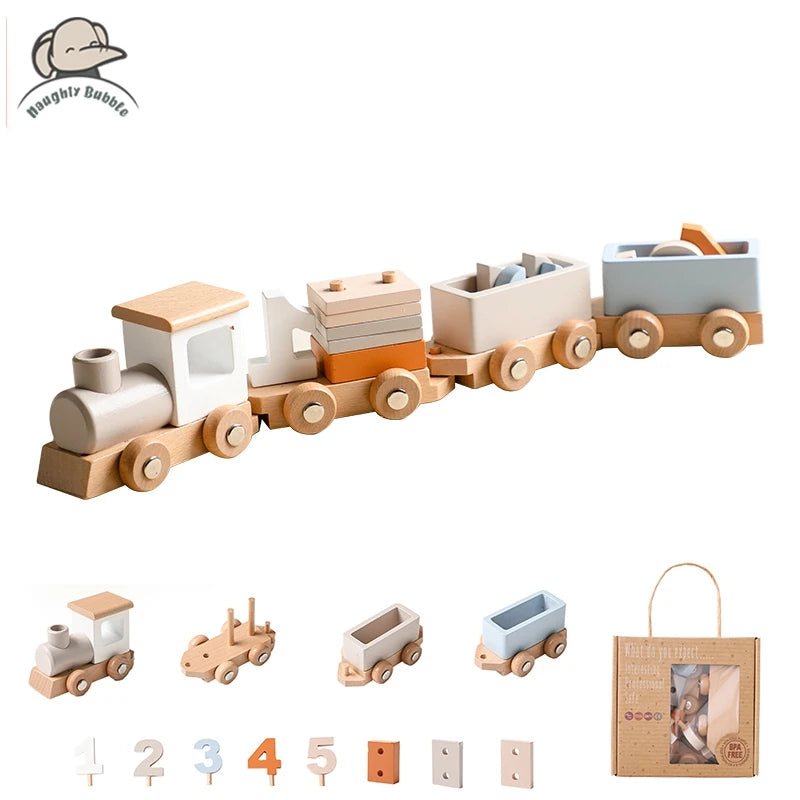
Preschool ideas for 2 year olds with hands-on learning toys. See it in action.
What are preschool ideas for 2 year olds?
Preschool activities for 2 year olds are simple, play-based experiences that encourage curiosity while supporting important developmental milestones. Instead of memorization, toddlers benefit from touching, moving, sorting, building, pretending, and talking with caring adults.
Good early learning ideas for toddlers should encourage:
- Short, enjoyable learning sessions
- Hands-on exploration
- Repetition without pressure
- Open-ended play that sparks creativity
- Positive interaction with parents or caregivers
At this age, learning looks like play—and that's exactly how it should be.
How to create a simple preschool learning space at home
You don't need a dedicated classroom. A quiet corner with organized materials is enough for most toddler learning activities at home.
- Keep only 4–6 toys available at once.
- Rotate toys every week to maintain interest.
- Use baskets so toddlers can choose independently.
- Add a comfortable reading corner.
- Select safe, durable materials that encourage open-ended play.
Explore tools from Baby Growth & Learning to build a focused, clutter-free setup.
| Setup Element | Why It Helps |
|---|---|
| Low shelves | Encourages independence |
| Toy rotation | Keeps learning fresh without buying more toys |
| Natural lighting | Creates a calm environment |
| Defined play space | Builds predictable routines |
Step-by-step daily preschool routine for 2 year olds
A flexible routine helps toddlers feel secure while providing enough variety to stay interested.
Morning learning
- Read one picture book together.
- Name everyday objects around the house.
- Practice simple songs with actions.
Sensory and movement
- Dancing
- Obstacle courses
- Water or sensory bin play
- Stacking and building games
Quiet play and reading
- Puzzles
- Matching games
- Pretend play
- Independent book browsing
Outdoor exploration
- Nature walks
- Collect leaves or stones
- Count flowers
- Observe birds and insects
Remember that routines should remain flexible. Some days your child may spend 20 minutes building towers and skip another activity entirely—and that's perfectly normal.
Learn step-by-step how to choose the right baby gear
Hands-on preschool activities by developmental skill
Language and communication
- Objective: Vocabulary growth
- Materials: Books, toys, household objects
- Duration: 5–10 minutes
- Name objects, describe actions, and encourage simple conversations.
Fine motor skills
- Objective: Finger strength and coordination
- Materials: Blocks, peg toys, large beads
- Difficulty: Easy
- Practice stacking, threading, and transferring objects.
Sensory play
- Objective: Exploration and problem-solving
- Materials: Rice bins, water play, textured fabrics
- Duration: 10–15 minutes
Art and creativity
- Washable crayons
- Large paper
- Finger painting
- Sticker collages
Movement and gross motor
- Jumping
- Throwing soft balls
- Crawling tunnels
- Simple balance games
Practical life skills
- Water pouring
- Wiping tables
- Sorting laundry
- Putting toys away
Montessori activities for 2 year olds at home
Montessori toy activities for toddlers at home emphasize independence, concentration, and learning through real experiences.
Sorting by color
- Use colored blocks or balls.
- Group matching colors together.
- Develops visual discrimination and logical thinking.
Stacking and building
- Build simple towers.
- Experiment with balance.
- Improve coordination and problem-solving.
Try this engaging option: wooden train toy for kids
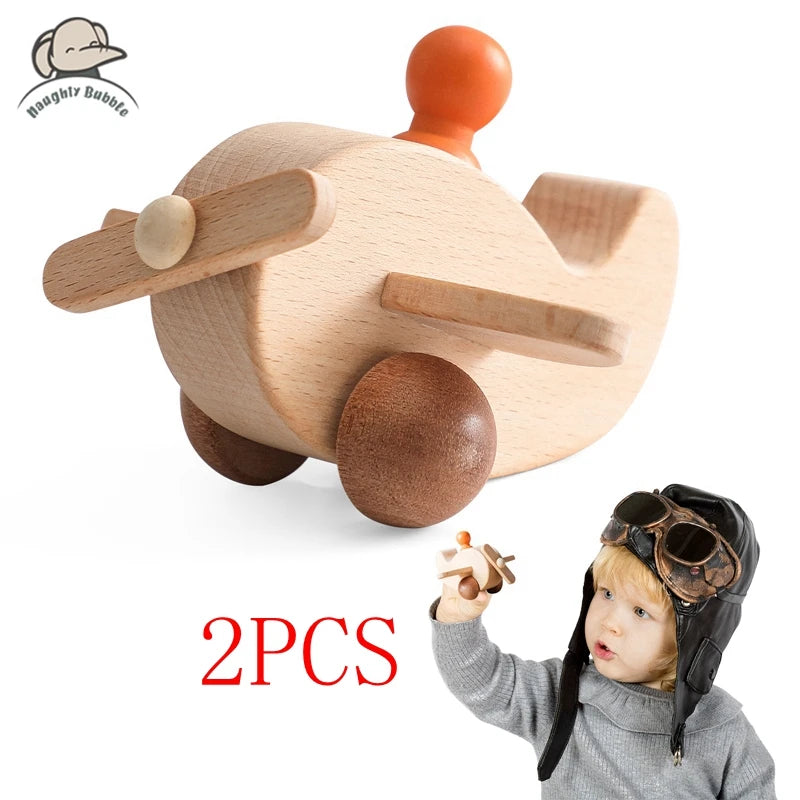
Montessori toy activities for toddlers at home. See it in action.
Practical life activities
- Pouring water
- Transferring pom-poms with spoons
- Simple cleaning tasks
- Folding washcloths
Matching and classification
- Match animals to pictures.
- Sort objects by size.
- Group kitchen utensils by type.
How to teach numbers with toys through play
Young toddlers understand quantities long before they recognize written numbers. Make counting part of everyday routines.
- Count blocks while building.
- Group toys into sets.
- Count stairs while climbing.
- Compare "more" and "less."
- Sing counting songs daily.
Examples:
- "Let's put 3 trains on the track."
- "Can you find 2 blue blocks?"
- "We picked 5 leaves outside."
These playful experiences build early math confidence without feeling like lessons.
Indoor, outdoor, and seasonal preschool ideas
Indoor activities
- Building blocks
- Pretend kitchen play
- Simple puzzles
- Story time
Outdoor learning
- Nature scavenger hunts
- Bubble play
- Watering plants
- Sidewalk chalk drawing
Rainy day ideas
- Blanket forts
- Indoor obstacle courses
- Music and dance sessions
- Sensory bins
Seasonal themes
- Leaf collecting in autumn
- Snow-themed crafts in winter
- Flower observations in spring
- Water play during summer
Choosing safe toys that support early learning
Safe toys for toddlers with learning benefits should encourage creativity while meeting age-appropriate safety standards.
- Non-toxic materials
- No small detachable parts
- Smooth, rounded edges
- Easy-to-clean surfaces
- Open-ended designs that grow with your child
Browse curated options from Health & Safety and Sensory Toys to simplify your choices.
| Feature | Learning Benefit |
|---|---|
| Wood materials | Durable, tactile learning |
| Simple designs | Encourages imagination |
| Multi-purpose toys | Support multiple developmental skills |
| Easy maintenance | Improves hygiene and longevity |
Common mistakes to avoid when teaching toddlers
- Expecting toddlers to sit still for long periods.
- Using screens instead of active play.
- Overplanning every minute.
- Ignoring your child's interests.
- Introducing too many new toys at once.
Instead:
- Follow your toddler's curiosity.
- Rotate toys regularly.
- Keep sessions short.
- Celebrate effort instead of perfect results.
How to choose activities based on your toddler's developmental stage
Every child develops at a different pace, so choose preschool activities based on current abilities rather than age alone.
- Emerging language: Read aloud, sing songs, and name everyday objects.
- Fine motor development: Practice stacking, sorting, and large-piece puzzles.
- Growing attention span: Introduce slightly longer pretend play sessions.
- Strong interests: Build activities around vehicles, animals, music, or nature to maintain motivation.
The best early learning ideas for toddlers adapt to the child instead of expecting every child to follow the same timeline.
Printable resources and weekly preschool planning
A simple weekly plan prevents overwhelm while ensuring a balanced variety of activities.
| Day | Main Focus |
|---|---|
| Monday | Language and books |
| Tuesday | Fine motor activities |
| Wednesday | Sensory exploration |
| Thursday | Art and creativity |
| Friday | Outdoor learning |
You can also keep a simple activity journal to note favorite games, new words, and emerging skills. Tracking progress over time helps parents adjust future toddler learning activities at home without adding unnecessary pressure.
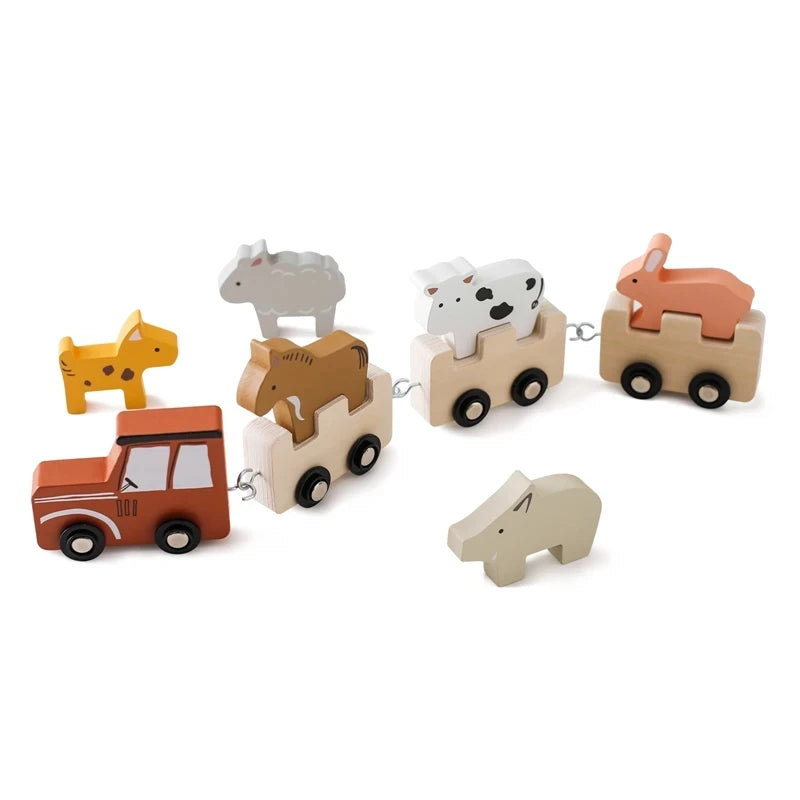
Best hands-on learning activities for toddlers. See it in action.
Get yours now — limited stock!
FAQs
What are the best preschool ideas for 2 year olds at home?
Simple activities like reading, stacking blocks, sorting colors, pretend play, and sensory exploration provide excellent opportunities for learning while keeping toddlers engaged.
How long should a toddler learning session be?
Most 2 year olds stay focused for about 5–15 minutes. Several short sessions throughout the day work better than one long lesson.
Are Montessori activities necessary?
No. Montessori methods are helpful but not essential. Any safe, play-based activity that encourages exploration and independence can support healthy development.
What toys are safest for toddlers?
Choose sturdy, non-toxic toys without small detachable parts. Open-ended toys that encourage creativity often provide the greatest long-term learning value.
How many preschool activities should a 2 year old do each day?
Two to four short activities mixed with free play are usually enough. Daily routines should remain flexible based on your child's mood and energy.
What skills should a 2 year old practice before preschool?
Focus on language, following simple directions, fine motor skills, social interaction, self-help skills, and curiosity rather than academic achievement.
Can I teach preschool at home without buying special materials?
Absolutely. Household items like cups, spoons, laundry, books, cardboard boxes, and recycled containers can become valuable learning tools.
What are the best hands-on learning activities for toddlers?
Building blocks, sensory bins, pretend play, puzzles, sorting games, art projects, and practical life activities all support multiple areas of development.
How do I know if an activity is too difficult for my toddler?
If frustration quickly replaces curiosity, simplify the activity or provide additional guidance. Successful activities should be challenging but still enjoyable.
How can I keep a 2 year old engaged during learning time?
Keep activities short, rotate materials regularly, follow your child's interests, and allow plenty of movement between quieter tasks.
Pillar Article: Screen free activities: Easy Step-by-Step Ways to Keep Kids Engaged at Home
Other Related Articles:
- Water play ideas for preschoolers: Simple Setup for Skill Building Fun
- Role play ideas for preschoolers: Easy Steps to Create Learning Games
- Fine motor skill activities: Simple Daily Exercises to Build Strength
Explore More:





