

Best Preschool Books Compared: Which Ones Kids Love Most
Do preschool books really help kids learn faster?
Yes—best preschool books support early language growth by combining visuals, repetition, and engaging stories. Studies show toddlers exposed to high-quality books daily can learn up to 40% more words by age 3. The right mix of educational picture books and interactive reading materials accelerates vocabulary, comprehension, and confidence.
Best Preschool Books Compared: Which Ones Kids Love Most
Choosing the best preschool books can feel overwhelming. Some promise faster vocabulary growth, while others focus on storytelling and imagination. Should you choose Montessori-style learning tools or classic storybooks your child begs to hear every night? This guide breaks it down clearly—so you can confidently pick books your child will actually love and learn from.
⏱ 8 min read
Which books improve toddler vocabulary fastest? Read on!
👉 Discover engaging learning tools that support early reading development
Explore Baby Growth & Learning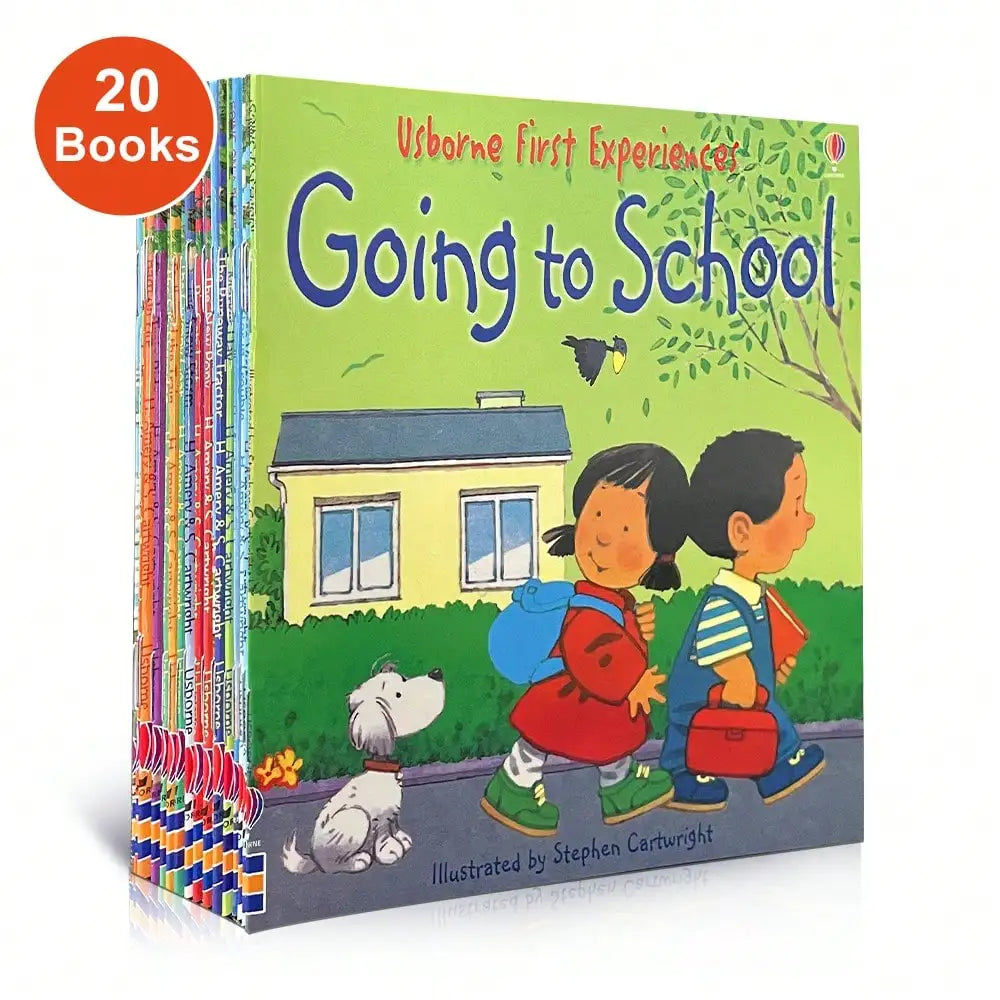
Colorful illustrated books for young kids that boost early literacy skills 💡 See it in action
Why Preschool Books Matter More Than You Think
Many parents underestimate how powerful early reading can be. It’s not just about learning letters—it’s about building a foundation for communication, confidence, and curiosity.
By age 5, children who are regularly read to can hear millions more words than those who are not. This “word gap” directly impacts school readiness.
- Builds vocabulary naturally through repetition
- Strengthens emotional bonding during reading time
- Improves listening and attention span
- Encourages curiosity and imagination
Parents often struggle with short attention spans or picky interests—but the right books solve that quickly.
Montessori vs Traditional Storybooks: What’s the Real Difference?
| Feature | Montessori Books | Traditional Storybooks |
|---|---|---|
| Learning Style | Hands-on, phonics-based | Story-driven |
| Vocabulary Growth | Fast and structured | Natural and contextual |
| Engagement | Interactive | Emotional storytelling |
| Best For | Early learners building skills | Imagination and bonding |
Montessori reading materials focus on breaking language into manageable parts—sounds, letters, and repetition.
Traditional books, on the other hand, immerse kids in stories, helping them understand meaning through context.
The truth? The best results come from combining both.
👉 Learn step-by-step how to choose the right learning tools for your child
Browse Sensory ToysBest Preschool Books Compared: Top Picks Parents Swear By
1. Vocabulary-Building Picture Books
These are the best preschool books for vocabulary building. They use repetition and clear visuals.
- Simple words paired with images
- Repetition that reinforces learning
- Ideal for ages 2–4
Pros:
- Fast vocabulary growth
- Easy to follow
Cons:
- Less storytelling depth
2. Story-Based Classics
Perfect for bonding and imagination.
- Strong narratives
- Emotional engagement
- Encourages creativity
Pros:
- Keeps kids engaged longer
- Builds comprehension
Cons:
- Slower vocabulary growth
3. Interactive Montessori Books
Hands-on learning meets reading.
- Tracing letters
- Matching activities
- Phonics practice
Pros:
- Active learning
- Builds reading confidence
Cons:
- Requires parent guidance
Explore a balanced option here: Farmyard Tales Preschool Books
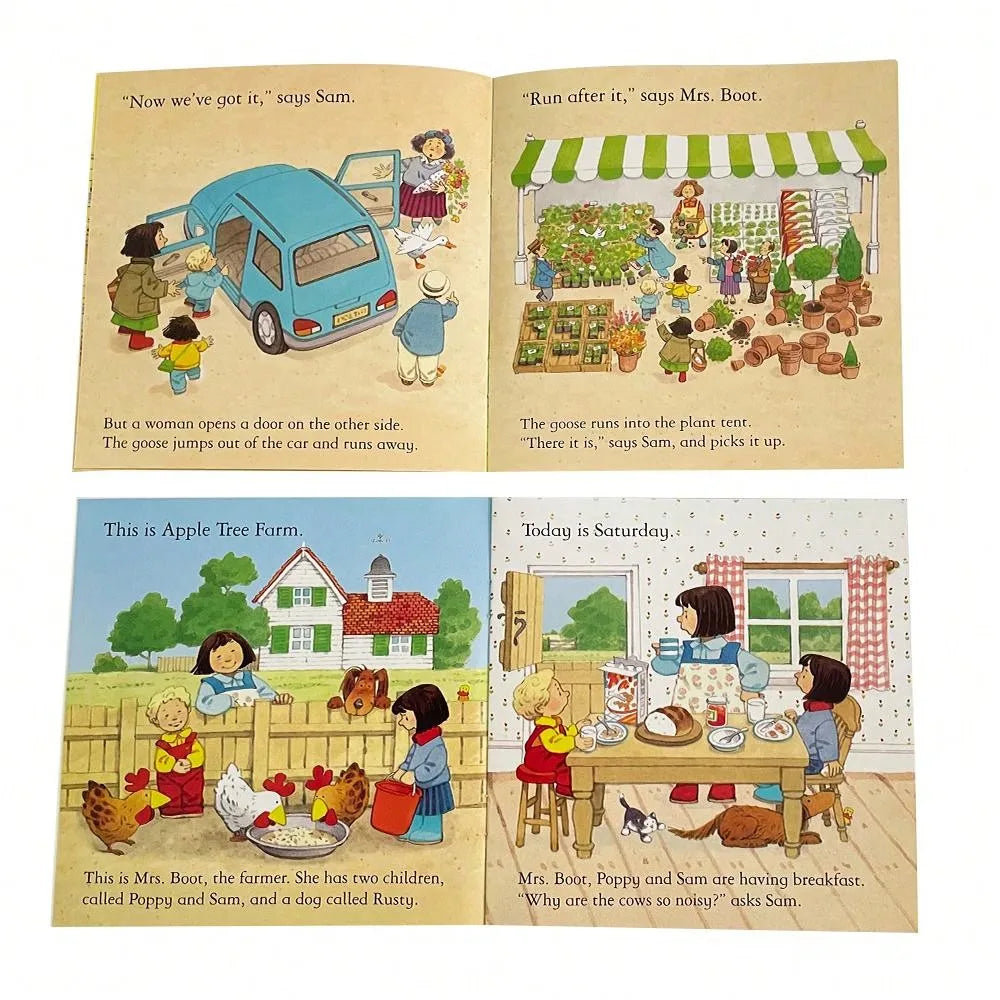
Educational picture books for early learners designed to improve toddler vocabulary 💡 See it in action
What Makes a Preschool Book Truly Effective?
Not all books are created equal. The best preschool books share key features that make learning effortless.
Clear, Simple Language
Short sentences help toddlers understand quickly.
Bright, Engaging Illustrations
Visuals are crucial for memory and recognition.
Repetition and Rhythm
Repeating words helps children retain vocabulary.
Interactive Elements
Flaps, textures, or activities boost engagement.
- Encourages participation
- Keeps attention longer
- Makes learning fun
Which Books Improve Toddler Vocabulary Fastest?
The fastest vocabulary growth happens when books combine repetition, visuals, and interaction.
- Picture-word association books
- Phonics-based Montessori materials
- Repetitive storytelling books
- Interactive learning books
According to early childhood research, children exposed to repetitive reading can learn new words up to 3x faster.
Pairing books with tools from Baby Growth & Learning enhances results even more.
How to Choose the Right Book for Your Child
Every child learns differently. The best choice depends on your child’s personality and stage.
If Your Child Gets Bored Easily
- Choose interactive books
- Look for textures or activities
If Your Child Loves Stories
- Pick traditional storybooks
- Focus on emotional storytelling
If You Want Faster Learning
- Use Montessori-style books
- Combine with phonics tools
Many parents combine all three for balanced development.
How Daily Reading Makes Learning Effortless
Consistency matters more than the book itself.
- Read 10–15 minutes daily
- Repeat favorite books
- Ask questions while reading
- Let your child turn pages
Creating a cozy reading environment helps too. Explore comfort essentials here: Sleep & Comfort
Real parent insight: “After just two weeks of daily reading, my toddler started using new words every day.”
👉 Get yours now — limited stock!
Shop Preschool Books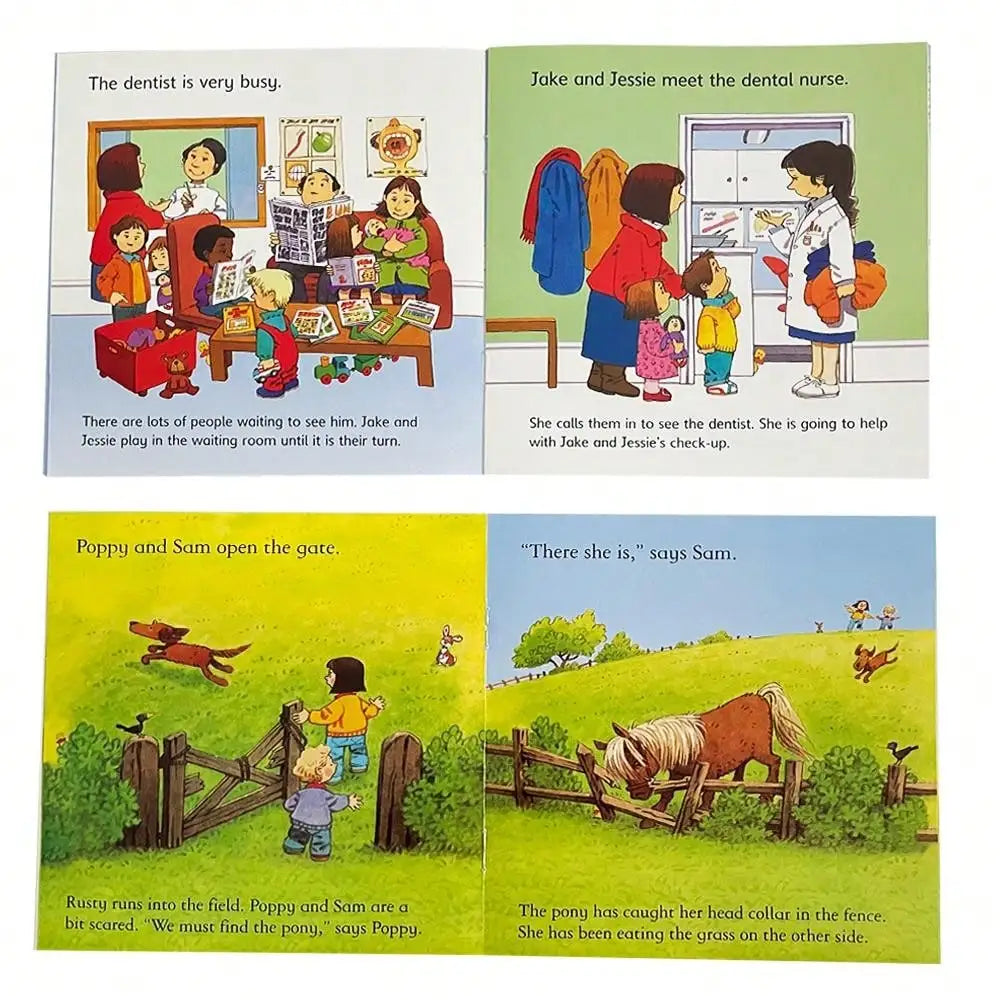
Best preschool books for vocabulary building that kids truly enjoy 💡 See it in action
Frequently Asked Questions
What age should I start reading to my child?
You can start as early as infancy. Even newborns benefit from hearing language patterns and tones.
Are Montessori books better than traditional storybooks?
They serve different purposes. Montessori books build skills faster, while traditional books develop imagination and emotional understanding.
How many books should a preschooler have?
Quality matters more than quantity. A small collection of engaging, varied books is enough.
How do I know if a book is too advanced?
If your child loses interest quickly or seems confused, the book may be too complex.
What’s the best way to encourage reading?
Make it fun, interactive, and part of a daily routine. Let your child choose books they enjoy.
Final thought: The best preschool books aren’t just educational—they create moments of connection, joy, and discovery that shape your child’s future.
Related Articles:
- Board Books for 2 Year Olds vs Picture Books Guide
- Top 10 Preschool Books vs Classics: What’s Worth It
- Farm Books Preschool vs General Stories: What’s Better
- Interactive Books for 4 Year Olds vs Traditional Reads
- Montessori Reading Materials vs Storybooks: Which Wins
Pillar Articles:





