

Best Educational Toys for Preschoolers: Play With Purpose
What are the best educational sorting toys for toddlers?
The best educational sorting toys for toddlers encourage hands-on, child-led learning while supporting fine motor development, hand-eye coordination, color recognition, and early problem-solving. Although both wooden and plastic sorting toys can help children learn, the best choice depends on your toddler's age, developmental stage, safety needs, and preferred style of play. High-quality wooden sorting toys often excel in durability and open-ended learning, while well-made plastic options may appeal to younger toddlers with lightweight pieces and vibrant colors.
Best Educational Sorting Toys for Toddlers: How to Choose the Right Learning Toy
Choosing an educational toy shouldn't be confusing. Parents want toys that do more than entertain—they want products that encourage meaningful learning, keep toddlers engaged, and continue providing value as children grow. This guide explains what makes a sorting toy genuinely educational, compares the strengths of different materials without making them the focus, and helps you choose the right option based on developmental skills, safety, and long-term play value.
⏱ 8 min read
If you've ever wondered why some sorting toys become daily favorites while others sit untouched after a few days, you're asking the right question. The most effective educational toys encourage children to explore, experiment, and solve simple challenges independently instead of relying on lights, sounds, or passive entertainment.
Learn which features matter most before buying your toddler's next educational toy.
Discover the safest toys for your baby
Explore hands-on options in our Sensory Toys collection designed to boost early learning.
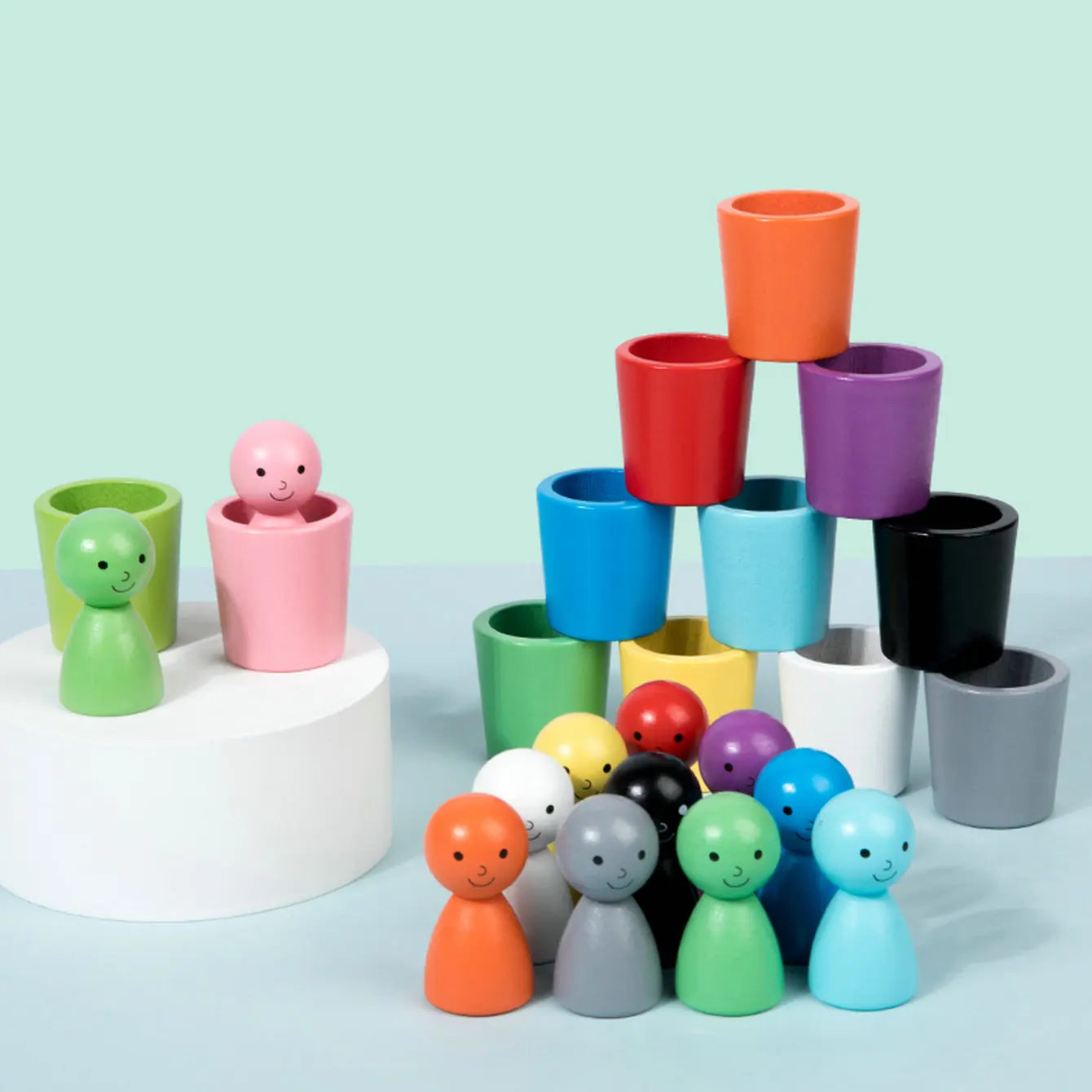
Educational sorting toy that encourages hands-on learning and fine motor development.
What Makes an Educational Sorting Toy Effective?
Not every toy labeled "educational" delivers meaningful learning. The best educational sorting toys for toddlers encourage children to think, experiment, and practice new skills through repeated, hands-on play rather than simply pressing buttons or watching lights flash.
When evaluating a sorting toy, look for products that help children:
- Develop fine motor strength through grasping, placing, and manipulating pieces
- Improve hand-eye coordination during repeated sorting activities
- Recognize colors, shapes, sizes, and simple patterns
- Build early problem-solving and critical thinking skills
- Practice independent play while maintaining attention for longer periods
Material is only one factor to consider. Educational value ultimately depends on thoughtful design, age-appropriate challenges, safe construction, and whether the toy encourages open-ended exploration that keeps toddlers engaged over time.
Key Differences Between Wooden and Plastic Sorting Toys
Both wooden and plastic sorting toys can support early childhood learning when they are thoughtfully designed. Instead of focusing on one material as universally better, consider how each option matches your child's developmental stage, play preferences, and daily use. The table below highlights practical differences parents should evaluate before purchasing.
| Feature | Wooden Sorting Toys | Plastic Sorting Toys |
|---|---|---|
| Durability | Excellent for long-term use and repeated play | Varies by manufacturing quality and construction |
| Safety | Look for smooth finishes and child-safe paints | Choose BPA-free, phthalate-free products from trusted brands |
| Sensory Experience | Provides natural texture, weight, and tactile feedback | Often lighter and easier for younger toddlers to handle |
| Learning Style | Supports calm, open-ended exploration with minimal distractions | May include brighter colors or interactive elements that appeal to some children |
| Longevity | Frequently suitable across multiple developmental stages | Some toys remain useful, while others are quickly outgrown |
Material alone does not determine educational value. The best preschool learning toys encourage children to solve problems independently, practice skills repeatedly, and remain engaged through hands-on exploration rather than relying solely on electronic features.
How Wooden Toys Improve Focus and Fine Motor Skills
Wooden sorting toys remain popular because their simple design encourages children to actively participate in play. Instead of entertaining toddlers with lights or sounds, these toys invite repeated practice that strengthens important developmental skills over time.
Well-designed wooden sorting toys can support learning in several ways:
- Natural weight and resistance: Picking up and placing wooden pieces helps strengthen the small muscles needed for writing, drawing, and self-care tasks later in childhood.
- Focused, distraction-free play: Simple designs encourage children to concentrate on matching, sorting, and problem-solving instead of reacting to electronic effects.
- Open-ended exploration: Many wooden toys can be used in multiple ways, allowing toddlers to invent new games as their abilities develop.
- Long-lasting construction: Durable materials withstand frequent use, making them suitable for siblings, classrooms, or extended learning at home.
While wooden toys offer these advantages, the most important factor is choosing a toy that matches your child's age, interests, and current developmental skills. A thoughtfully designed sorting toy—regardless of material—should encourage active participation instead of passive entertainment.
Many options in the Baby Growth & Learning collection are designed specifically to support these milestones.
Learn step-by-step how to choose the right baby gear
Explore practical tools inside our Baby Growth & Learning collection.
When Plastic Sorting Toys Make Sense
Plastic sorting toys can be an excellent choice when selected thoughtfully. Rather than viewing them as an alternative to wooden toys, consider whether their features align with your toddler's current abilities, play environment, and learning preferences.
- Easy for younger toddlers to handle: Lightweight pieces may be easier for children who are still developing hand strength and coordination.
- Bright visual appeal: Bold colors can help capture attention while introducing shape and color recognition.
- Budget-friendly options: Many quality plastic sorting toys provide solid educational value at a lower initial cost.
- Simple to clean: Durable plastic surfaces are often convenient for daycare settings and everyday family use.
When choosing a plastic learning toy, prioritize BPA-free materials, sturdy construction, rounded edges, and age-appropriate designs. The most effective educational toys encourage active problem-solving and repeated hands-on practice rather than relying primarily on lights, sounds, or electronic features.
Best Educational Sorting Toys by Learning Goal
Instead of selecting a toy based solely on brand or material, choose one that matches the developmental skills you want to encourage. The best preschool learning toys promote independent exploration, repeated practice, and age-appropriate challenges that grow with your child.
| Learning Goal | Ideal Toy Features | Best For |
|---|---|---|
| Fine motor development | Chunky pieces that require grasping, pinching, and precise placement | Toddlers building hand strength and coordination |
| Color and shape recognition | Multiple colors, geometric shapes, and matching activities | Early cognitive development |
| Independent play | Open-ended design with minimal electronic distractions | Children who enjoy self-directed exploration |
| Long-term educational value | Durable construction with multiple ways to play | Families seeking toys that remain engaging over time |
One product that aligns well with these criteria is the Wooden Montessori Color Sorting Toy . Rather than relying on entertainment features, it emphasizes hands-on exploration and skill development through simple, purposeful play.
- ✔ Durable wooden construction designed for everyday use
- ✔ Encourages color matching, shape recognition, and early problem-solving
- ✔ Supports independent, open-ended learning
- ✔ Suitable for repeated practice as developmental skills improve
Buy wooden sorting toy preschool learning
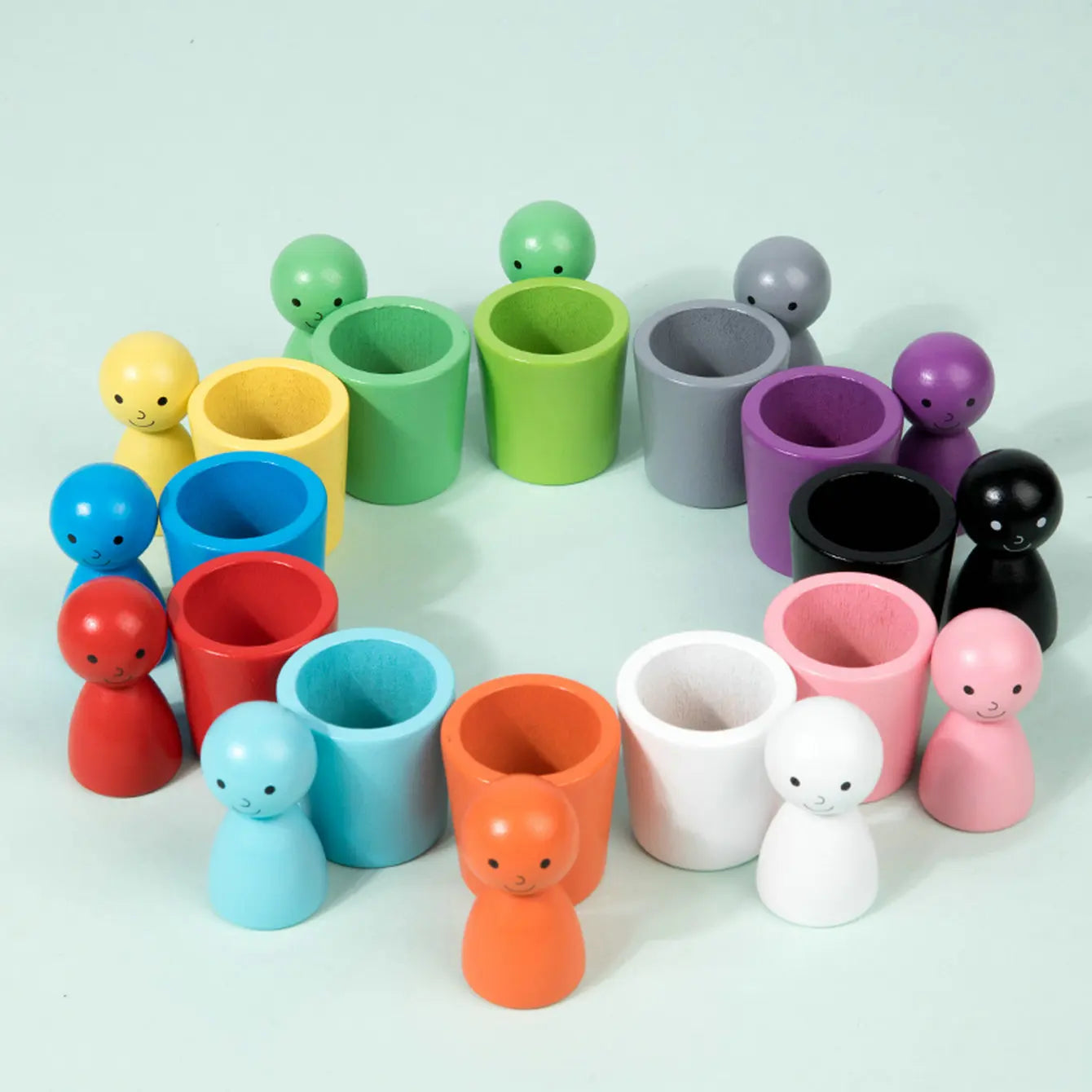
Wooden Montessori color sorting toy supporting fine motor skills, color recognition, and independent learning.
Parent Reviews: What to Look for in Educational Sorting Toys
Parent feedback is most useful when it explains how a toy performs over weeks or months of regular play—not simply whether a child liked it on the first day. Reviews that describe repeated engagement, durability, and independent play often provide a clearer picture of long-term educational value.
Look for reviews that mention:
- Children returning to the toy repeatedly without constant prompting
- Improved confidence with sorting, matching, or fine motor activities over time
- Durable construction that withstands everyday toddler use
- Age-appropriate challenge without causing frustration
- Simple designs that encourage children to explore and solve problems independently
Be cautious of reviews based solely on appearance, popularity, or short-term excitement. A highly rated educational toy should continue supporting learning long after the novelty wears off.
How to Choose the Right Sorting Toy for Your Toddler
Selecting the right educational sorting toy is easier when you focus on your child's developmental needs rather than marketing claims. Use the following checklist to compare products before purchasing.
- Choose the right age range. Select a toy that offers an appropriate level of challenge while remaining safe for your toddler's developmental stage.
- Prioritize educational value. Look for toys that build fine motor skills, problem-solving, color recognition, or hand-eye coordination through active play.
- Evaluate safety and materials. Check for smooth finishes, durable construction, non-toxic coatings, and BPA-free materials where applicable.
- Encourage independent play. Open-ended toys that let children experiment at their own pace often provide greater long-term learning value.
- Consider durability and longevity. Well-made toys that remain engaging as skills improve usually offer better overall value than products designed for a single stage.
- Think about storage and available space. Compact educational toys are easier to organize and more likely to be used consistently at home.
For curated options, browse the Sensory Toys collection.
Final Verdict: Which Educational Sorting Toy Is Best for Your Toddler?
The best educational sorting toy is the one that matches your child's developmental stage, encourages independent exploration, and remains engaging through repeated play. Rather than choosing a toy based solely on material, prioritize educational value, safety, durability, and opportunities for hands-on learning.
For families looking for a long-lasting toy that supports fine motor development, color recognition, problem-solving, and open-ended play, a well-designed wooden Montessori sorting toy is an excellent choice. Lightweight plastic options can also be appropriate for younger toddlers when they are made from high-quality, child-safe materials and provide meaningful learning experiences.
Support your toddler's learning through purposeful play.
Explore our recommended option here: durable wooden toys for fine motor skills
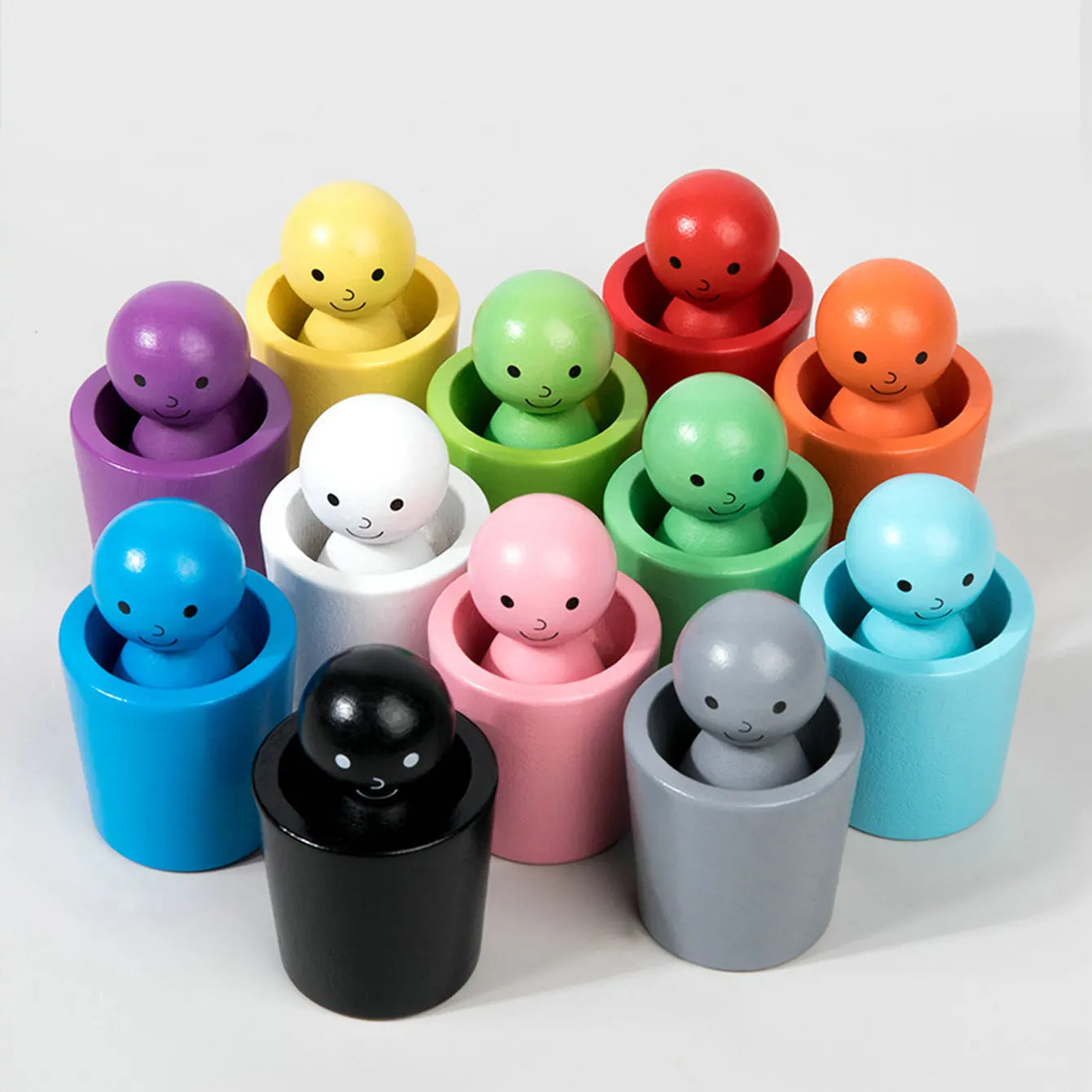
Montessori-inspired wooden sorting toy designed for hands-on learning and fine motor development.
FAQs About Educational Toys for Preschoolers
What makes a toy educational for preschoolers?
A truly educational toy encourages active participation rather than passive entertainment. The best preschool learning toys promote skills such as fine motor development, problem-solving, creativity, language, or early math concepts through open-ended, hands-on play.
What are the best educational toys for 3 year olds?
Educational toys for 3 year olds should match their growing curiosity and motor skills. Excellent choices include sorting toys, building blocks, simple STEM activities, pretend-play sets, puzzles, and early literacy games that encourage independent exploration.
Are open-ended toys better than electronic learning toys?
Open-ended toys often provide greater long-term educational value because children create their own challenges and solutions. Electronic toys can supplement learning, but they are generally most effective when they encourage interaction instead of replacing imaginative play.
How many educational toys does a preschooler need?
Quality is more important than quantity. A small collection of versatile educational toys that support different developmental skills is typically more beneficial than a large number of toys that receive little repeated use.
How do I choose a safe learning toy for a preschooler?
Look for age-appropriate products made from durable, non-toxic materials with smooth finishes and securely attached components. Always check manufacturer age recommendations and supervise play whenever small parts could present a choking hazard.
Pillar Article: Best Sensory Play Ideas for Toddlers: Brand Reviews
Other Related Articles:
Explore More:





