

Montessori Activities for 3 Year Olds You Can Do at Home
Do montessori activities for 3 year olds really work?
Yes, montessori activities for 3 year olds can support focus, independence, problem-solving, and early academic skills when they match a child’s developmental stage. Montessori learning activities age 3 are designed around hands-on exploration, repetition, and self-correction, helping children learn naturally through meaningful tasks instead of passive screen-based entertainment.
Montessori Activities for 3 Year Olds: Best Learning Ideas for Home
Montessori activities for 3 year olds help children develop independence, concentration, coordination, and confidence through purposeful play. At age three, children are ready for activities that involve practical skills, sensory exploration, language development, early math concepts, and creative thinking. From simple household tasks to structured learning toys like a montessori color sorting toy for toddlers , the right activities can turn everyday moments into valuable learning experiences.
⏱ 7 min read
Many parents want to create a more meaningful learning environment at home but wonder where to start. With so many toys and activities available, choosing options that actually support development can feel overwhelming.
Which Montessori activities are most beneficial for a 3-year-old? This guide explains the principles behind Montessori learning and the best activities to encourage independence, curiosity, and skill growth.
Explore engaging options in Baby Growth & Learning designed to support early development naturally.
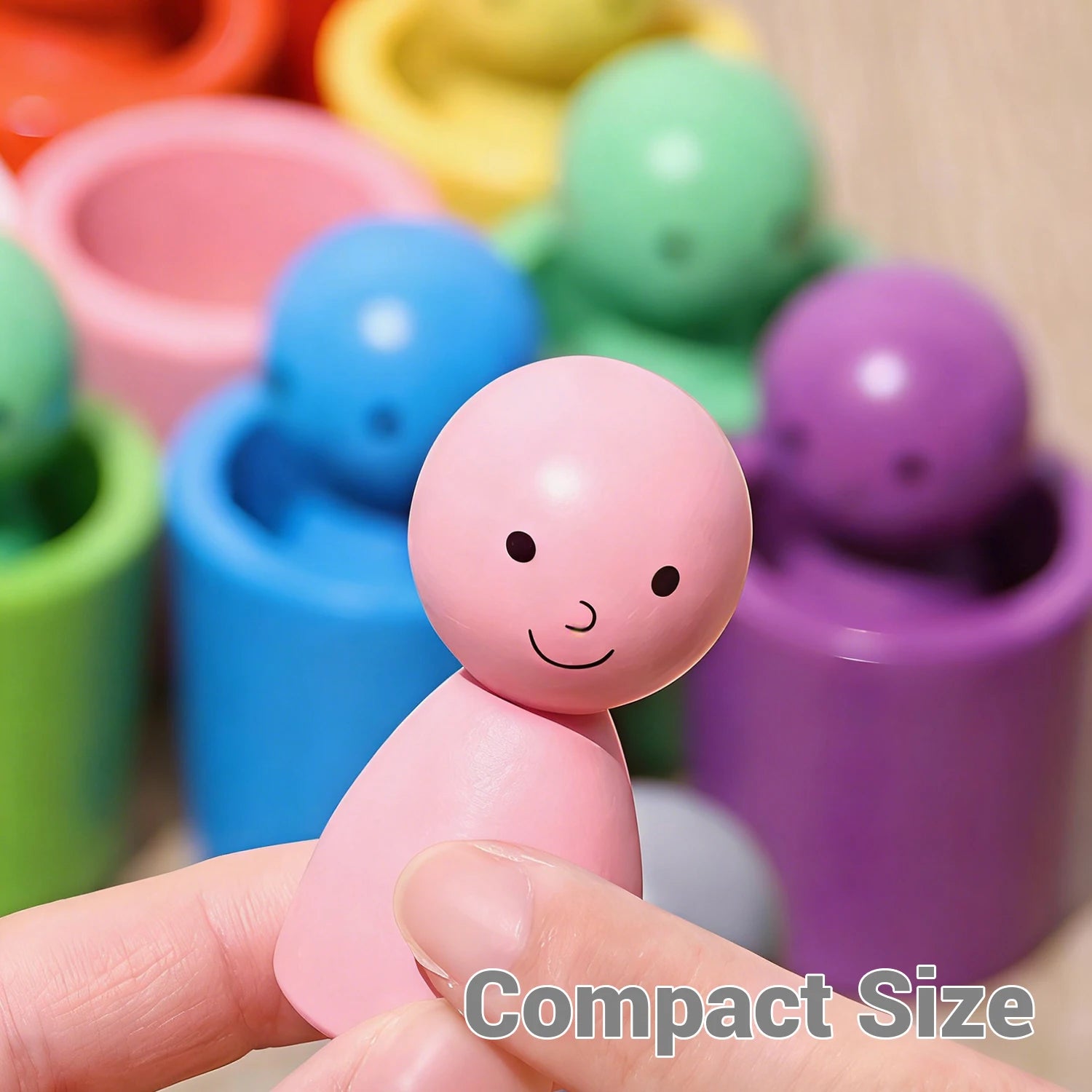
Best montessori activities for preschool at home See it in action
What Are Montessori Activities for 3 Year Olds?
Montessori activities for 3 year olds are hands-on learning experiences based on the Montessori approach, which encourages children to learn through independence, exploration, and real-world tasks. Instead of focusing only on memorization, Montessori for 3 year olds helps children build skills by allowing them to practice activities at their own pace.
At age three, children are often developing stronger coordination, longer attention spans, and a desire to do things independently. Montessori activities support this natural curiosity by offering simple challenges that children can repeat until they master them.
- Independence: Children learn to complete tasks without constant adult help.
- Concentration: Repeated activities help improve focus and patience.
- Problem-solving: Self-correcting activities encourage children to find solutions.
- Confidence: Completing tasks builds a sense of achievement.
Parents can practice Montessori at home by creating a calm environment, offering age-appropriate materials, and allowing children enough time to explore without rushing.
Do Montessori Activities for 3 Year Olds Really Work?
Montessori learning activities age 3 can be effective because they align with how young children naturally learn: through movement, repetition, and hands-on discovery. Activities involving sorting, matching, building, and practical tasks strengthen multiple areas of development at the same time.
While Montessori activities are not designed to produce instant academic results, consistent practice can support important skills that prepare children for preschool and beyond.
- Improves fine motor control through grasping, arranging, and manipulating objects
- Supports early math understanding through counting, sorting, and patterns
- Builds language skills through conversation and object identification
- Encourages attention span through independent work periods
- Develops confidence by allowing children to complete tasks themselves
For parents wondering how to do Montessori at home for 3 year old , the key is not having a perfect classroom setup. A few carefully chosen activities, a consistent routine, and opportunities for independence are often enough.
Best Montessori Activities for 3 Year Olds by Developmental Area
Practical Life Activities
Objective: Build independence and everyday skills.
Materials: Small cups, child-sized utensils, cleaning tools, dressing frames, or simple household items.
Setup: Create safe opportunities for children to participate in daily routines.
Benefits: Practical life activities improve coordination, responsibility, and confidence.
Difficulty: Beginner-friendly.
- Pouring water between containers
- Folding small towels
- Washing vegetables
- Organizing personal items
Sensorial Activities
Objective: Develop awareness of colors, textures, shapes, and patterns.
Materials: Sorting objects, texture cards, shape puzzles, and sensory toys.
Setup: Offer one sensory challenge at a time in a quiet area.
Benefits: Helps children refine observation skills and visual discrimination.
Difficulty: Easy to moderate.
Montessori sensory activities for 3 year olds often include matching textures, identifying sounds, and exploring different materials.
Fine Motor Activities
Objective: Strengthen hand muscles needed for writing and self-care.
Materials: Peg boards, threading toys, puzzles, and sorting tools.
Setup: Choose activities requiring controlled hand movements.
Benefits: Improves grip strength, coordination, and precision.
Difficulty: Beginner to intermediate.
A montessori color sorting toy for toddlers is a useful example because children practice grasping, matching colors, and organizing objects independently.
Language Activities
Objective: Expand vocabulary and communication skills.
Materials: Picture cards, books, storytelling prompts, and object labels.
Setup: Encourage conversations during daily activities.
Benefits: Supports vocabulary growth and early literacy.
Difficulty: Beginner-friendly.
Early Math Activities
Objective: Introduce numbers, quantities, patterns, and logical thinking.
Materials: Counting objects, number cards, sorting toys, and simple puzzles.
Setup: Start with concrete objects before abstract concepts.
Benefits: Builds early mathematical confidence.
Difficulty: Beginner to intermediate.
Art & Creativity Activities
Objective: Encourage imagination and self-expression.
Materials: Crayons, clay, washable paint, and craft supplies.
Setup: Provide accessible creative materials and allow free exploration.
Benefits: Develops creativity, focus, and emotional expression.
Difficulty: Flexible for all levels.
Science & Nature Activities
Objective: Build curiosity about the world.
Materials: Leaves, rocks, plants, magnets, and simple observation tools.
Setup: Use outdoor discoveries or simple experiments.
Benefits: Encourages questioning and exploration.
Difficulty: Beginner-friendly.
Gross Motor & Outdoor Activities
Objective: Improve movement, balance, and body awareness.
Materials: Balls, climbing structures, balance paths, or outdoor objects.
Setup: Create safe spaces for active movement.
Benefits: Supports physical development and confidence.
Difficulty: Adjustable by age and ability.
Montessori Activity Comparison by Skill
| Activity | Skill Area | Time Required | Difficulty | Learning Outcome |
|---|---|---|---|---|
| Color Sorting Activities | Fine motor, visual recognition | 10–15 minutes | Easy | Improves matching skills, concentration, and color understanding |
| Practical Life Tasks | Independence | 10–20 minutes | Easy | Builds confidence and everyday abilities |
| Matching Games | Memory and logic | 10–15 minutes | Moderate | Supports attention and pattern recognition |
| Stacking Activities | Coordination and problem-solving | 10 minutes | Easy to moderate | Develops spatial awareness and control |
How to Choose the Right Montessori Activity for Your 3-Year-Old
The best Montessori ideas for 3 year olds should match your child’s current abilities, interests, and attention span. A challenging activity can encourage growth, but one that is too difficult may cause frustration.
- Consider developmental stage: Start with simple activities before introducing complex challenges.
- Follow interests: Choose themes your child naturally enjoys.
- Match attention span: Short activities are often more successful.
- Choose budget-friendly options: Everyday household items can work well.
- Encourage independence: Select activities children can complete with minimal help.
Explore more options in Baby Growth & Learning to find activities tailored to your child’s stage.
DIY Montessori Activities Using Household Items
DIY Montessori activities for toddlers 3 do not require expensive materials. Many effective activities can be created using items already available at home.
- Color matching: Use colored paper and household objects for sorting practice.
- Pouring practice: Use small cups and dry ingredients like pasta or beans.
- Nature sorting: Collect safe outdoor items and group them by size or texture.
- Button boards: Practice dressing skills with old clothing pieces.
Parents can extend these activities by increasing difficulty gradually, such as adding more categories, introducing counting, or asking children to explain their choices.
Indoor vs. Outdoor Montessori Activities
Both indoor and outdoor Montessori activities provide valuable learning opportunities. The best choice depends on the season, available space, and your child’s interests.
- Indoor activities: Ideal for rainy days, quiet learning, sorting, puzzles, and practical tasks.
- Outdoor activities: Encourage movement, nature exploration, observation, and sensory learning.
- Seasonal adaptations: Collect leaves in autumn, observe plants in spring, or explore weather changes throughout the year.
Common Montessori Mistakes Parents Should Avoid
Learning how to do Montessori at home for 3 year old does not require perfection. Avoiding common mistakes can make activities more enjoyable and effective.
- Overhelping: Allow children time to solve problems independently.
- Offering too many materials: Too many choices can reduce focus.
- Ignoring safety: Always choose age-appropriate materials and supervise when needed.
- Not following the child: Pay attention to interests and readiness instead of forcing activities.
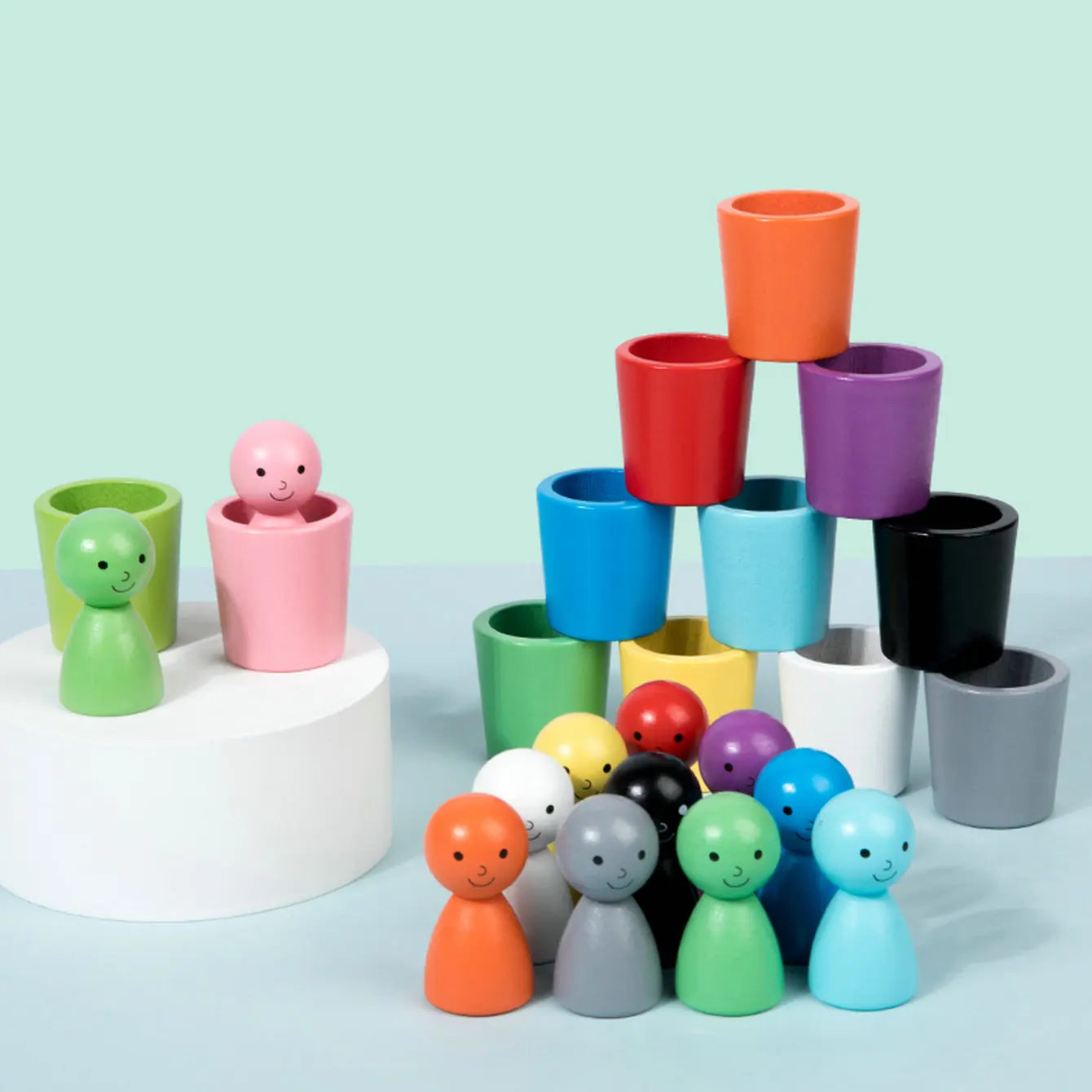
Montessori color sorting toy for toddlers See it in action
Browse helpful tools in Sensory Toys to support hands-on learning.
FAQs
What Montessori activities are best for a 3-year-old?
The best Montessori activities for 3 year olds include practical life tasks, sorting games, sensory activities, fine motor exercises, language activities, and early math games. Activities should encourage independence and hands-on learning.
How long should Montessori activities last?
Most Montessori games for 3 year olds work well in short sessions of 10–20 minutes. The goal is focused engagement rather than long activity periods.
Can I do Montessori at home without special materials?
Yes. Montessori preschool activities at home can use everyday items such as cups, containers, clothing, natural objects, and household tools. Special materials can enhance learning but are not required.
How many activities should I offer each day?
Offering a few carefully selected activities each day is usually better than providing too many options. A simple rotation keeps children interested while supporting mastery.
What skills should a Montessori 3-year-old be developing?
A Montessori 3-year-old may be developing independence, fine motor skills, communication, concentration, problem-solving, early math understanding, and confidence with daily tasks.
Are Montessori activities suitable for every child?
Montessori activities can be adapted for different learning styles and abilities. The key is choosing activities that match each child’s developmental needs and interests.
Can Montessori activities be done on a budget?
Yes. Many effective Montessori activities can be created using household materials, recycled items, and simple DIY setups.
Pillar Article: Fine Motor Skill Development Toys: Top Picks Compared
Other Related Articles:
- Sensory Play for 3 Year Olds: Which Ideas Work Best
- Learning Games for 3 Year Olds: Top Picks vs Alternatives
- Sorting Toys for Preschoolers: Best Types Compared
- Educational Toys for 3 Year Olds: 7 Best Options Ranked
Explore More:





