

Learning Games for 3 Year Olds That Make Every Playtime Count
What Are the Best Learning Games for 3 Year Olds?
Learning games for 3 year olds are most effective when they match a child's developmental stage through playful, hands-on experiences. The best learning games for 3 year olds encourage language, problem-solving, creativity, and fine motor development while keeping activities short, engaging, and age-appropriate. Whether you choose screen-free activities, Montessori-inspired toys, or imaginative games, consistent play helps children learn naturally.
Learning Games by Developmental Skill
| Developmental Skill | Recommended Game | Typical Play Time | Best Setting |
|---|---|---|---|
| Language & Vocabulary | Picture naming, pretend play | 10–15 min | Indoor |
| Early Math | Color sorting, counting objects | 10 min | Indoor |
| Memory & Focus | Matching cards | 10–15 min | Quiet play |
| Fine Motor Skills | Stacking blocks, sorting toys | 15–20 min | Indoor |
| Creativity | Pretend play | 15–30 min | Indoor or outdoor |
Quick Comparison: Screen-Free vs Interactive Learning Games
| Type | Advantages | Best For |
|---|---|---|
| Screen-Free Games | Encourage imagination, movement, and hands-on exploration | Daily learning routines |
| Interactive Electronic Games | Can reinforce letters, numbers, and sounds when used in moderation | Short supervised sessions |
How to Choose the Right Game for Your Child
Choose games that match your child's current abilities rather than focusing only on age recommendations. Look for activities with simple instructions, opportunities for repetition, safe materials, and enough challenge to maintain interest without causing frustration.
Learning Games for 3 Year Olds: Top Picks vs Alternatives
Looking for learning games for 3 year olds that actually keep preschoolers engaged? The right activities can strengthen language, early math, memory, creativity, and motor skills while making learning enjoyable. From Montessori-inspired sorting toys to imaginative pretend play, these educational games encourage meaningful development through everyday play.
⏱ 8 min read
Explore engaging options in Baby Growth & Learning that support early development through play.
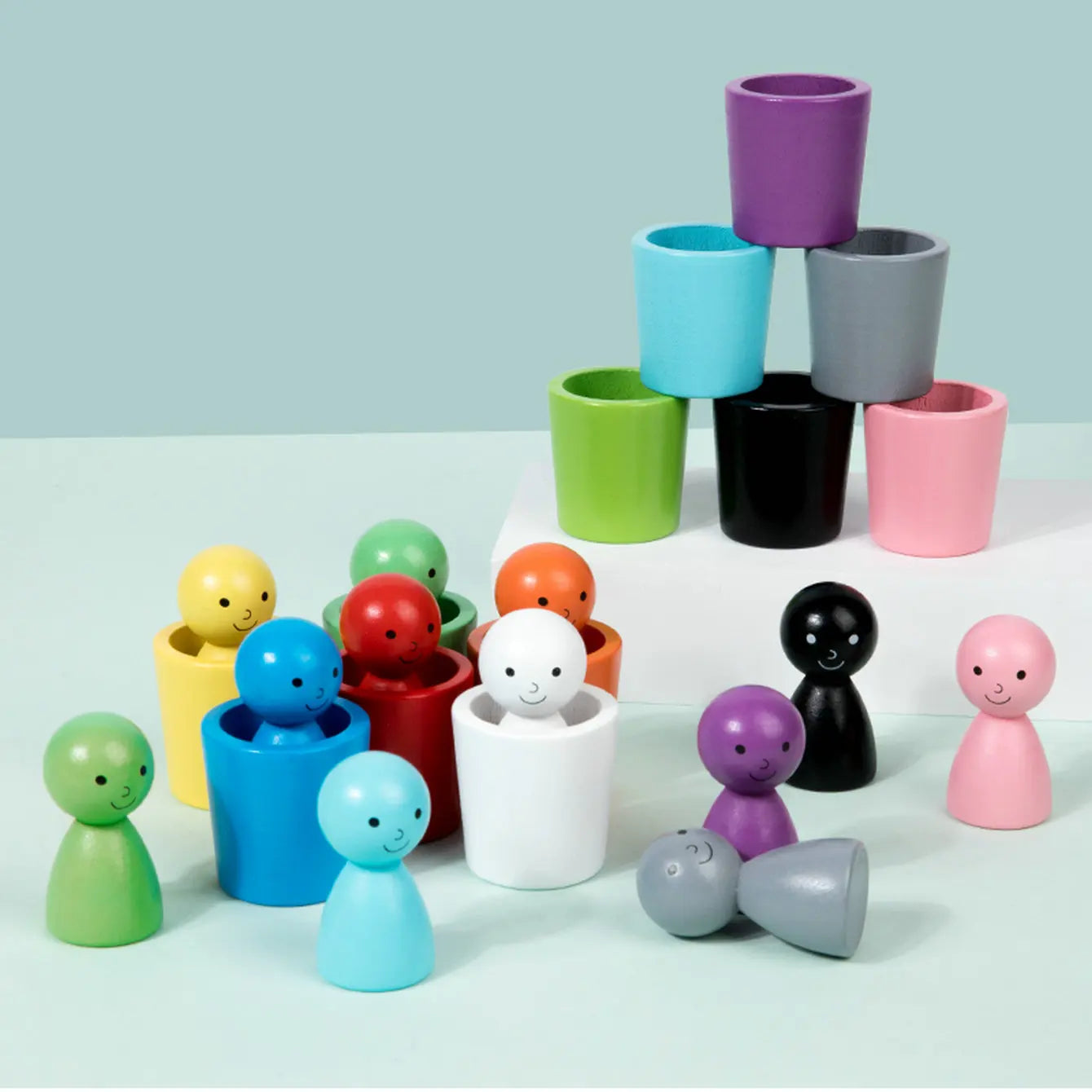
Creative learning games for 3 year olds that build focus naturally. See them in action.
Best Learning Games for 3 Year Olds by Developmental Skill
Language & Vocabulary Games
Storytelling, picture books, animal cards, and pretend conversations help children expand vocabulary and practice communication. Encourage your child to describe colors, objects, and everyday experiences.
Early Math & Counting Games
Simple counting activities, shape recognition, and color sorting introduce basic math concepts through play. Hands-on sorting games also improve logical thinking.
For an engaging option, try the Montessori Color Sorting Toy , which combines counting, matching, and fine motor practice.
Memory & Concentration Games
Matching cards and simple memory games teach children to observe carefully, remember locations, and wait for their turn, gradually strengthening concentration.
Fine Motor & Sensory Games
Stacking blocks, threading beads, and sorting activities improve hand strength, coordination, and precision while offering valuable sensory experiences.
Pretend kitchens, doctor kits, doll play, and dress-up activities build creativity, social understanding, and expressive language while encouraging independent play.
STEM & Problem-Solving Games
Simple building challenges using blocks, magnetic tiles, or household objects introduce engineering concepts and encourage experimentation.
Outdoor Movement Games
Obstacle courses, ball games, nature scavenger hunts, and follow-the-leader combine physical activity with listening, coordination, and problem-solving.
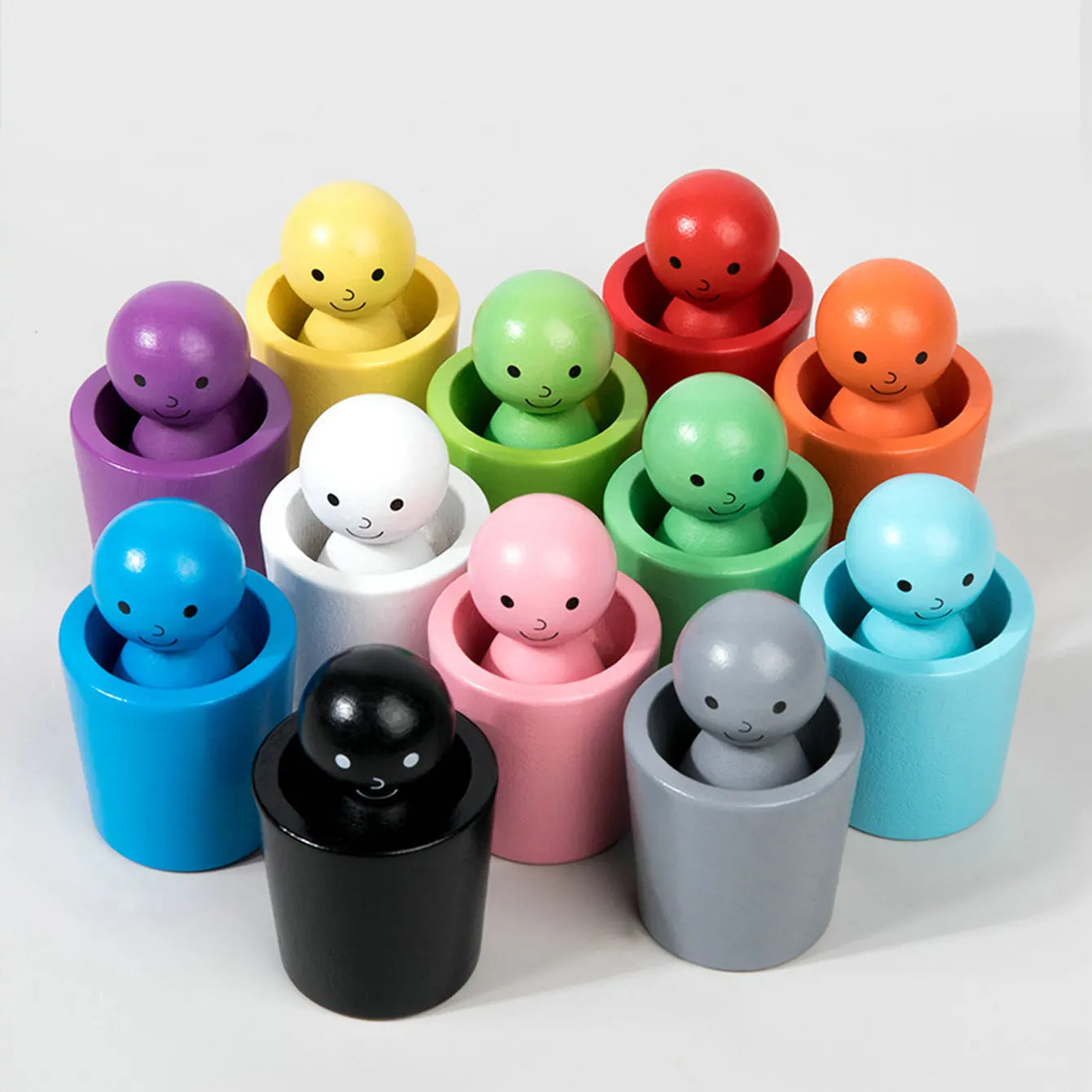
Hands-on learning games that encourage longer, more meaningful play sessions.
How Learning Games Support Preschool Development
Language Development
Conversation, storytelling, and pretend play strengthen vocabulary, sentence formation, listening skills, and confidence during everyday interactions.
Cognitive Skills
Sorting, matching, sequencing, and simple puzzles promote reasoning, memory, attention, and early mathematical thinking through repeated practice.
Social-Emotional Learning
Turn-taking games teach patience, sharing, cooperation, and emotional regulation while helping children learn to communicate with others.
Motor Skill Development
Manipulating blocks, stacking toys, and sorting objects strengthens fine motor control needed later for drawing, writing, and self-care activities.
Browse thoughtfully designed options in Baby Growth & Learning .
How to Choose the Right Learning Game for Your 3 Year Old
By Skill Level
Select games that are slightly challenging but still achievable. Activities that are too easy become boring, while overly difficult games may discourage participation.
By Attention Span
Most preschoolers enjoy activities lasting 5–15 minutes. Rotate games regularly to keep learning fresh and exciting.
By Play Environment
Choose portable games for travel, active games for outdoor play, and quieter activities for indoor learning. Household materials like cups, spoons, colored paper, and boxes can become excellent educational tools.
Explore additional options in Sensory Toys designed for interactive learning.
Printable and Low-Prep Learning Games at Home
Printable Activities
Printable matching cards, tracing sheets, simple mazes, and picture puzzles provide quick educational activities that require minimal preparation.
Household Item Games
Use measuring cups for sorting, socks for matching, cardboard boxes for building, or plastic containers for counting activities. Everyday objects often become favorite learning tools.
Rainy Day Ideas
Create indoor scavenger hunts, color hunts, sticker sorting games, or pretend grocery stores to keep learning fun even when outdoor play isn't possible.
Learning Games by Time and Setting
5-Minute Games
Quick color hunts, counting objects, and simple memory games fit naturally into busy family routines.
Indoor Games
Building blocks, puzzles, pretend play, and sorting activities work well during quiet indoor playtime.
Outdoor Games
Nature walks, obstacle courses, shape hunts, and ball games combine movement with observation and early learning.
Travel-Friendly Games
Reusable sticker books, matching cards, and small sorting activities help keep preschoolers engaged while traveling.
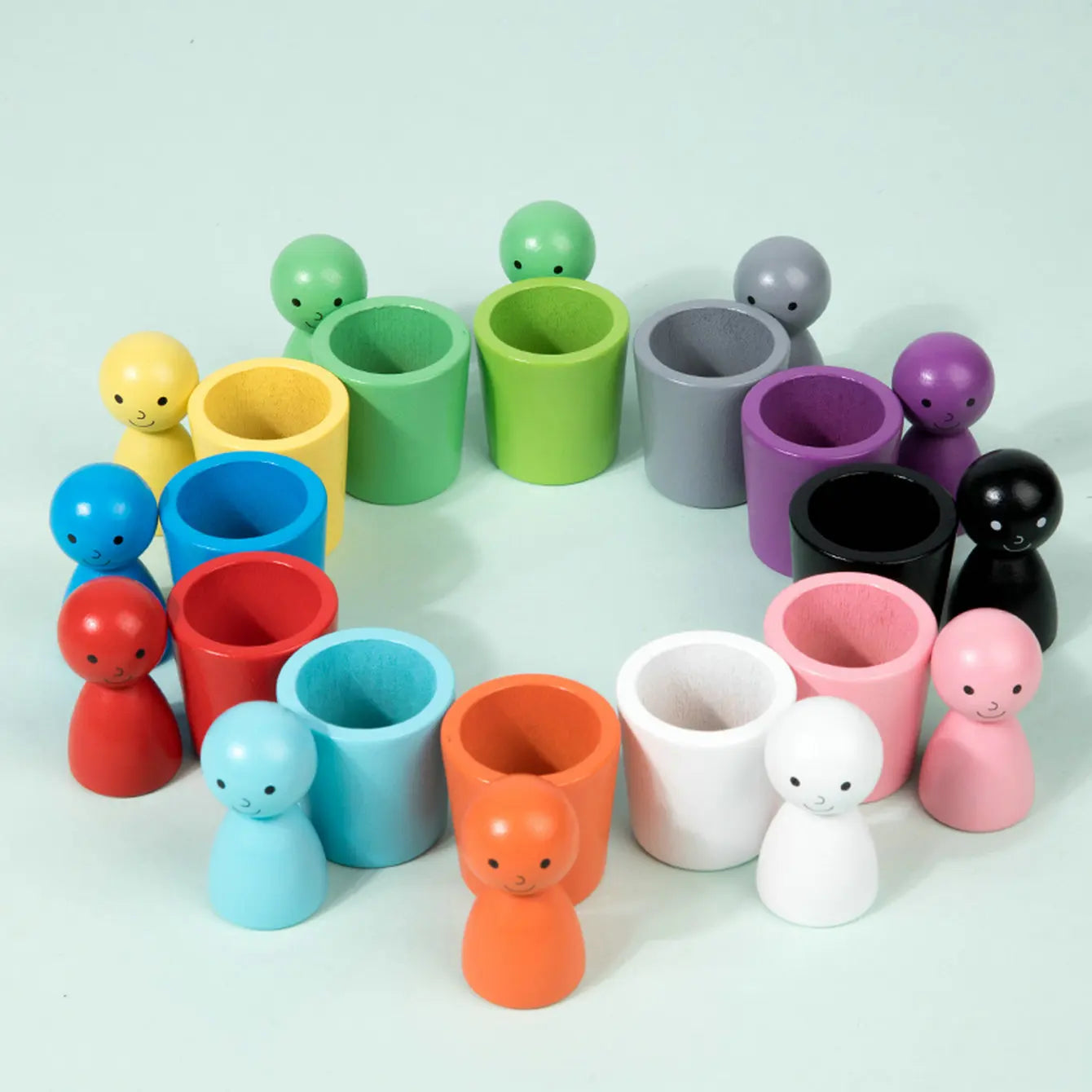
Play-based learning supports curiosity, confidence, and everyday skill development.
Why These Learning Games Stand Out
What Early Childhood Experts Recommend
Early childhood educators consistently recommend play-based learning that balances movement, conversation, creativity, and hands-on exploration. Repeating familiar games while gradually increasing complexity supports steady developmental progress.
Tips for Making Learning Fun Every Day
- Rotate activities every few days.
- Follow your child's interests.
- Celebrate effort instead of perfect answers.
- Mix independent play with parent-child interaction.
- Keep screen time balanced with hands-on activities.
The best educational games for 3 year olds often look like ordinary play. Montessori-inspired sorting, stacking, pretend play, and sensory exploration provide valuable opportunities to build lifelong learning habits.
Browse Sensory Toys and discover engaging learning solutions.
Frequently Asked Questions
What are the best learning games for 3 year olds?
The best learning games combine language activities, color sorting, matching games, stacking toys, pretend play, and simple counting challenges. These activities support multiple developmental skills while remaining enjoyable.
What skills should learning games teach at age 3?
Educational games should encourage language development, early math, memory, problem-solving, creativity, social interaction, and fine motor coordination.
How long should a 3 year old play educational games?
Many children enjoy focused educational play for 5–15 minutes at a time. Several short sessions throughout the day are generally more effective than one long activity.
Are screen-based educational games appropriate for 3 year olds?
Screen-based games can reinforce learning when used in moderation, but hands-on, screen-free activities typically provide richer opportunities for movement, creativity, and social interaction.
How can I create learning games using household items?
Use colored paper for sorting, measuring cups for counting, socks for matching, cardboard boxes for building, and kitchen utensils for pretend play. Simple household materials can support meaningful educational experiences with very little preparation.
Pillar Article: Fine Motor Skill Development Toys: Top Picks Compared
Other Related Articles:
- Sensory Play for 3 Year Olds: Which Ideas Work Best
- Sorting Toys for Preschoolers: Best Types Compared
- Montessori Activities for 3 Year Olds: Which Work Best
- Educational Toys for 3 Year Olds: 7 Best Options Ranked
Explore More:





