

Wooden vs Plastic Sorting Toys: Which Fits Your Toddler Best?
Wooden vs Plastic Sorting Toys Toddlers: Which Is Better?
Wooden vs plastic sorting toys for toddlers each offer unique advantages. Wooden sorting toys are typically more durable, encourage focused, hands-on learning, and provide a natural sensory experience. Plastic sorting toys are often lighter, more colorful, easier to clean, and may include interactive features. The best choice depends on your toddler's age, learning style, daily environment, and your family's priorities.
Wooden vs Plastic Sorting Toys Toddlers: Brand Showdown
Finding the right sorting toy can feel challenging when every product promises to improve learning and development. In reality, the best toy isn't simply the most colorful or expensive—it's the one that matches your child's developmental stage and encourages meaningful play. This guide compares wooden vs plastic sorting toys toddlers across safety, durability, educational value, maintenance, and long-term cost so you can make a confident buying decision.
⏱ 7 min read
Looking for a toy that's both engaging and educational? Many parents want fewer toys that deliver more value. A well-designed sorting toy can support fine motor development, color recognition, hand-eye coordination, and early problem-solving while keeping toddlers actively engaged.
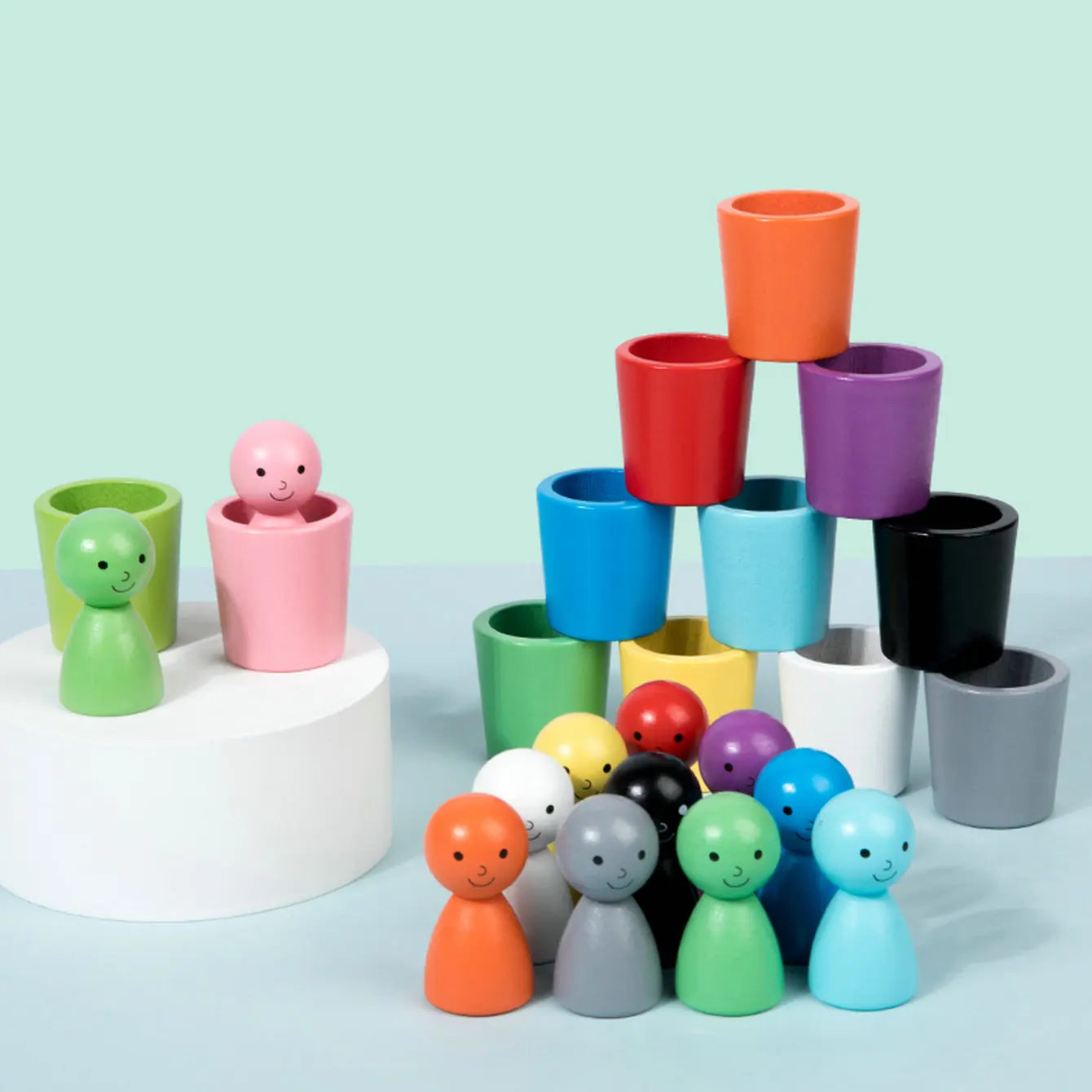
Wooden vs plastic sorting toys toddlers comparison. See it in action.
Wooden vs Plastic Sorting Toys: Quick Comparison
Wooden vs plastic sorting toys differ in more than appearance. Parents should compare materials based on durability, safety, ease of cleaning, developmental value, and long-term cost. Neither material is universally better, but each excels in different situations.
| Feature | Wooden Sorting Toys | Plastic Sorting Toys |
|---|---|---|
| Durability | Excellent; withstands years of regular play | Good; quality varies by manufacturer |
| Safety | Often made with smooth wood and non-toxic finishes | Choose BPA-free, phthalate-free products from trusted brands |
| Sensory Experience | Natural texture and satisfying tactile feedback | Bright colors, lightweight pieces, and optional sounds |
| Cleaning | Wipe clean; avoid prolonged soaking | Usually quick to wash and sanitize |
| Learning Value | Encourages concentration, fine motor skills, and independent play | Supports color and shape recognition with visual stimulation |
| Long-Term Value | Higher upfront cost but often lasts longer | Lower initial cost but may require replacement sooner |
For most families, the decision comes down to how and where the toy will be used. Wooden toys often suit home learning environments and Montessori-inspired play, while plastic options can be convenient for travel, daycare, or situations where frequent cleaning is important.
How Wooden Sorting Toys Strengthen Focus and Fine Motor Skills
Wooden sorting toys encourage toddlers to slow down, observe, and solve simple challenges independently. Without flashing lights or electronic sounds competing for attention, children can focus on grasping, matching, stacking, and sorting—skills that support early cognitive and physical development.
- ✅ Strengthens fine motor skills through grasping, pinching, and precise hand movements
- ✅ Encourages problem-solving by matching shapes, colors, and patterns
- ✅ Supports hand-eye coordination and spatial awareness
- ✅ Promotes independent, screen-free play inspired by Montessori learning
- ✅ Made to withstand years of everyday use when crafted from quality wood
Many families exploring Baby Growth & Learning resources appreciate how wooden toys emphasize purposeful play instead of constant stimulation. Their simple design allows toddlers to practice skills repeatedly while building confidence at their own pace.
If you're ready to buy wooden sorting toy preschool learning , look for smooth edges, child-safe finishes, and pieces sized appropriately for your toddler's age. A well-made wooden sorting toy can continue supporting color recognition, coordination, and early problem-solving as your child develops.
When Plastic Sorting Toys Are a Practical Choice
Plastic sorting toys remain a practical option for many families, especially when portability, affordability, and easy cleaning are priorities. High-quality plastic toys made from BPA-free materials can provide enjoyable learning opportunities while standing up to everyday spills and frequent sanitizing.
- ✔ Lightweight and convenient for travel, daycare, and outings
- ✔ Bright colors can help introduce shape and color recognition
- ✔ Generally more affordable for families on a budget
- ✔ Easy to wipe clean after messy play
- ❌ Electronic features may distract some toddlers from focused problem-solving
- ❌ Lower-quality plastic models may show wear or cracking sooner than wooden alternatives
For short play sessions, travel bags, or classrooms where frequent cleaning is important, plastic sorting toys can be an excellent choice. However, parents seeking durable wooden toys for fine motor skills often prefer wooden options for long-term home learning because they typically provide a calmer sensory experience and remain in good condition through years of regular use.
Top Brand Showdown: Which Sorting Toy Delivers Real Results?
Comparing well-made wooden and plastic sorting toys highlights differences in durability, learning experience, and long-term value. Premium wooden sorting toys are designed for repeated daily use, encourage independent problem-solving, and often remain in excellent condition through multiple stages of early childhood. Plastic alternatives can be convenient and budget-friendly, but quality varies considerably between brands.
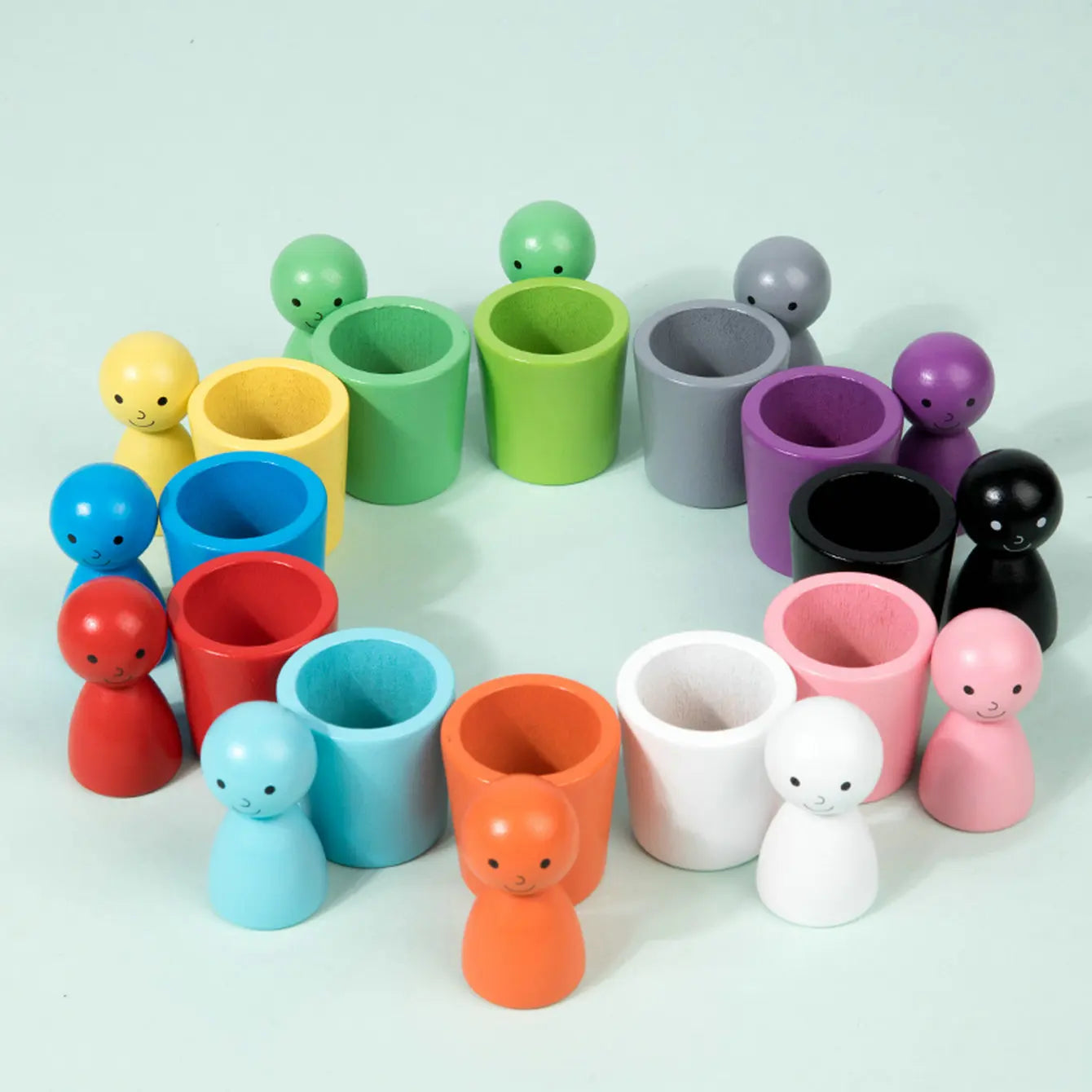
Best Montessori color sorting toys review. See it in action.
| Feature | Montessori Wooden Sorting Toy | Typical Plastic Sorting Toy |
|---|---|---|
| Primary Material | Solid wood with child-safe finish | Molded plastic |
| Learning Style | Hands-on, self-directed play | Visual and sometimes electronic interaction |
| Durability | Excellent for long-term use | Varies by build quality |
| Maintenance | Simple wipe-clean care | Easy to wash and sanitize |
| Best For | Home learning and Montessori-inspired play | Travel, daycare, and budget-conscious families |
Featured Product: Montessori Wooden Color Sorting Toy
- ✔ Smooth wooden construction with child-friendly finish
- ✔ Helps develop color recognition, matching, and hand-eye coordination
- ✔ Encourages independent, screen-free learning
- ✔ Durable design suitable for years of regular use
Explore it here: buy wooden sorting toy preschool learning
Comparable Plastic Sorting Toy
- ✔ Lightweight and easy to transport
- ✔ Bright colors that quickly capture attention
- ✔ Often available at a lower purchase price
- ❌ Build quality and durability vary between manufacturers
- ❌ Electronic features may reduce sustained, hands-on problem-solving for some toddlers
Both materials can support early learning when designed well. Families prioritizing long-term durability, natural sensory play, and Montessori-style learning often prefer wooden sorting toys, while those seeking portability, easy cleaning, or lower upfront costs may find plastic options a better fit.
How to Choose the Right Sorting Toy for Your Toddler
The best sorting toys for toddlers balance safety, durability, and age-appropriate learning. Rather than focusing only on material, consider how your child will use the toy and which developmental skills you want to encourage.
By Age
- 12–18 months: Choose large, easy-to-grasp pieces with simple color or shape matching.
- 18–24 months: Introduce toys with multiple colors, shapes, and basic sorting challenges.
- 2–3 years: Look for educational sorting toys for preschoolers that combine counting, color recognition, sequencing, and problem-solving.
By Learning Goal
- Develop fine motor skills with toys that encourage grasping, pinching, and precise placement.
- Improve hand-eye coordination through matching and stacking activities.
- Support early cognitive development with sorting tasks that build logical thinking and pattern recognition.
- Encourage independent play with simple, open-ended designs that let toddlers explore at their own pace.
By Budget
- Budget-friendly plastic toys can be a practical starting point for occasional play or travel.
- Premium wooden sorting toys generally cost more initially but often provide better long-term value because they withstand years of regular use.
- Invest in quality construction instead of unnecessary electronic features that may offer limited educational benefit.
For Home or Classroom
- Home: Wooden toys are ideal for quiet, focused play and Montessori-inspired learning environments.
- Daycare or preschool: Durable toys that are easy to sanitize and suitable for frequent use are often the most practical choice.
- Travel: Lightweight plastic sorting toys can be easier to carry and clean while away from home.
When comparing wooden vs plastic sorting toys toddlers , there is no single answer for every family. Consider your child's age, learning goals, and daily routine to choose a toy that will remain engaging and developmentally appropriate over time.
Final Verdict: Why Wooden Toys Win for Most Families
For most families focused on long-term learning, wooden sorting toys offer the strongest overall value. Their durable construction, timeless design, and emphasis on hands-on exploration help toddlers build fine motor skills, concentration, and problem-solving abilities through repeated play.
- ✅ Excellent for developing fine motor skills and coordination
- ✅ Durable enough for years of everyday use
- ✅ Encourages calm, focused, screen-free play
- ✅ Often aligns with Montessori-inspired learning approaches
- ❌ Typically costs more upfront than comparable plastic toys
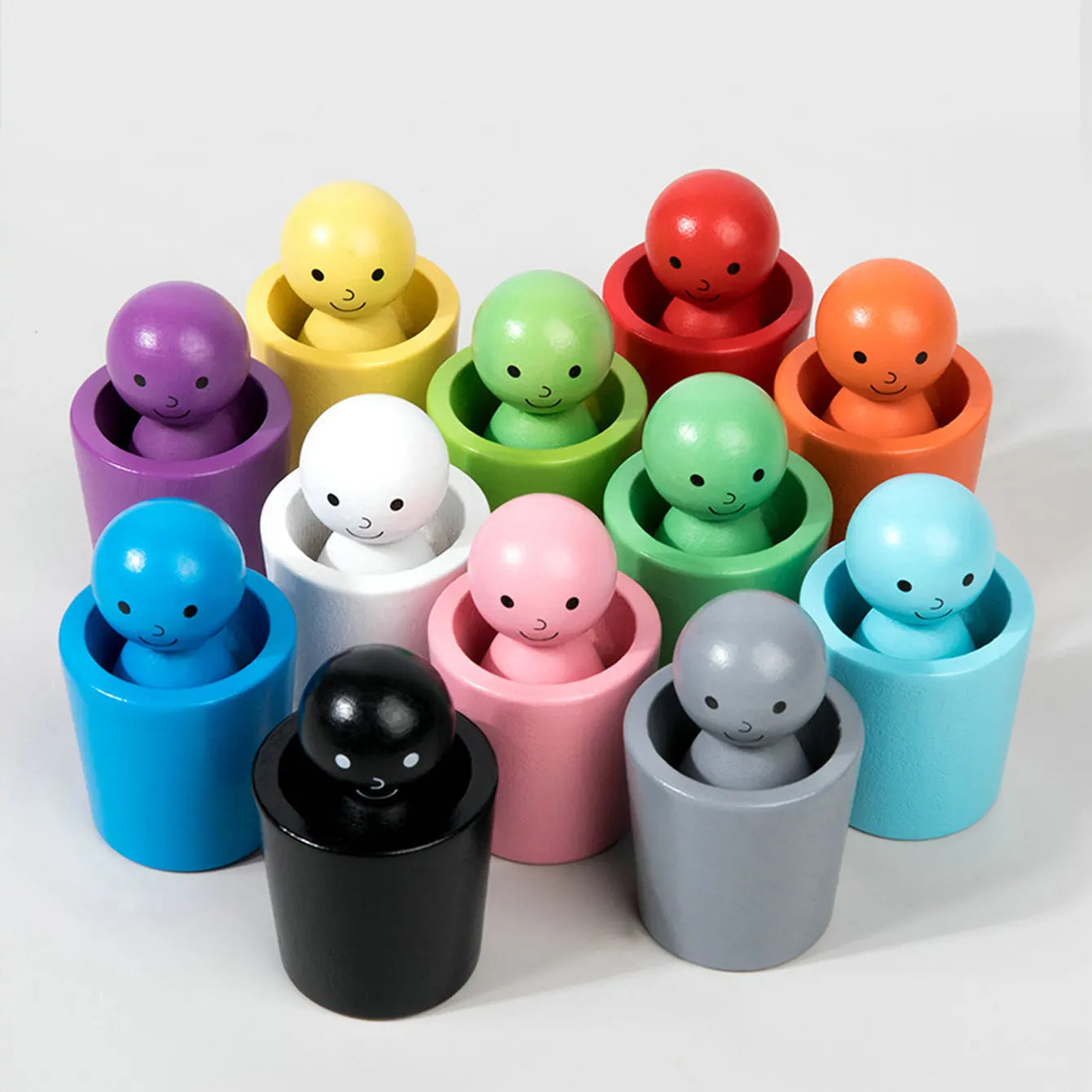
Durable wooden toys for fine motor skills. See it in action.
Shop the Montessori Wooden Sorting Toy
Frequently Asked Questions
Are wooden sorting toys safer than plastic?
Both wooden and plastic sorting toys can be safe when they are manufactured to recognized child safety standards. Look for smooth edges, securely attached pieces, non-toxic finishes on wooden toys, and BPA-free, phthalate-free plastics from reputable brands. Always choose age-appropriate toys and inspect them regularly for damage.
Are wooden toys better than plastic for toddlers?
Neither material is universally better, but wooden toys are often preferred for long-term durability, focused play, and Montessori-inspired learning. Plastic toys may be a better choice if portability, easy cleaning, or lower upfront cost is your priority.
Which sorting toys last longer?
High-quality wooden sorting toys generally last longer than comparable plastic versions because they are less likely to crack or warp during everyday play. With proper care, a wooden toy can often be passed down to younger siblings.
Which toys are easier to clean?
Plastic sorting toys are usually the easiest to clean since many can be washed thoroughly with soap and water. Wooden toys should typically be wiped with a damp cloth and mild cleaner, then dried promptly to help preserve the wood and finish.
Do Montessori toys have to be wooden?
No. Montessori principles focus on purposeful, hands-on learning rather than a specific material. While many Montessori toys are made from wood because of their natural feel and durability, well-designed plastic toys can also support independent learning when they encourage exploration instead of passive entertainment.
What age should toddlers start using sorting toys?
Most children can begin using simple sorting toys between 12 and 18 months, provided the pieces are appropriately sized for their age. More advanced sorting, matching, and pattern-building toys become suitable between 2 and 3 years as fine motor skills and problem-solving abilities develop.
Do plastic sorting toys contain harmful chemicals?
Modern toys from reputable manufacturers are generally made to comply with strict safety regulations. When shopping, look for products labeled BPA-free and phthalate-free, and avoid toys with strong chemical odors or unknown manufacturing sources.
Are wooden sorting toys worth the higher price?
For many families, yes. Although wooden toys often cost more initially, their durability, timeless design, and long-term educational value can make them a better investment than replacing lower-quality toys over time.
Still unsure? Explore more options in Baby Growth & Learning to find the perfect fit for your child.
Pillar Article: Best Sensory Play Ideas for Toddlers: Brand Reviews
Other Related Articles:
Explore More:





