

Role Play for 5 Year Olds: Ideas That Build Confidence
Does pretend play for 5 year olds really help development?
Pretend play for 5 year olds helps children develop language, creativity, confidence, and social skills by turning everyday experiences into meaningful learning opportunities. Whether they're pretending to run a restaurant, teach a classroom, or care for a patient, children practice communication, problem-solving, and emotional regulation while having fun.
Pretend Play for 5 Year Olds: 7 Easy Activities That Work
⏱ 7 min read
Pretend play for 5 year olds is much more than entertainment. At this age, children naturally begin creating stories, solving imaginary problems, and exploring adult roles through play. With a few simple ideas and the right environment, parents can encourage independent play that supports learning every day.
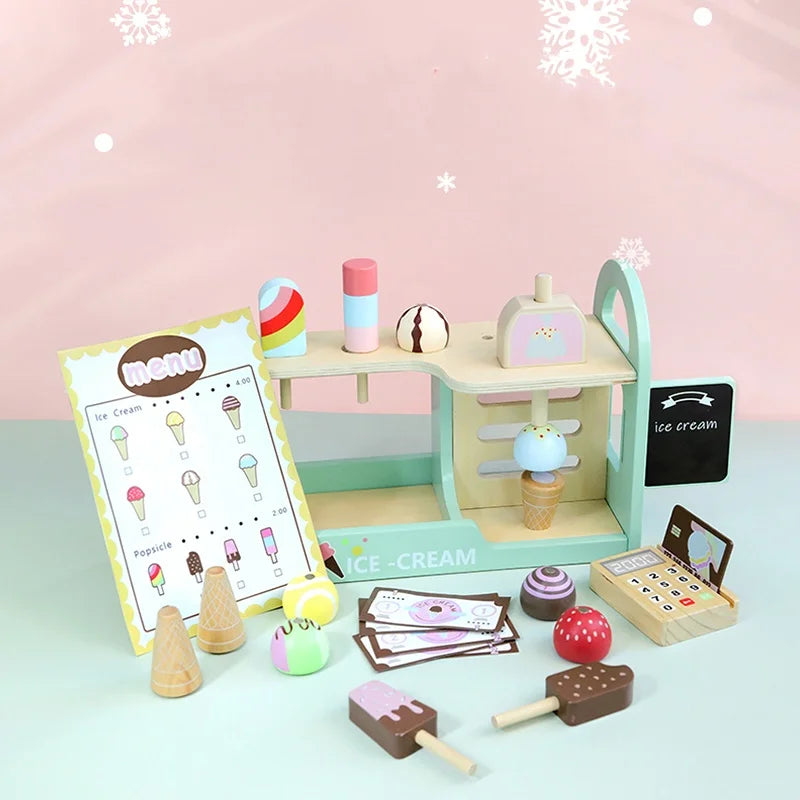
Creative role play ideas for young kids • See it in action
Try interactive toys like the ice cream counter playset for kids to turn everyday play into exciting adventures.
The best pretend play activities aren't complicated—they simply give children the freedom to imagine, create, and explore.
What Is Role Play for 5 Year Olds and Why Does It Matter?
Role play for 5 year olds is a type of pretend play where children imagine themselves as different people, animals, or characters. They may become chefs, doctors, astronauts, teachers, shopkeepers, or superheroes while creating stories based on everyday life.
Age five is an especially important stage because children are rapidly expanding their vocabulary, learning to cooperate with others, and becoming more confident expressing ideas. Imaginative play for 5 year olds gives them a safe space to practice these skills without worrying about making mistakes.
- Strengthens communication and storytelling
- Encourages creative thinking
- Develops empathy by exploring different perspectives
- Builds confidence through independent decision-making
- Supports cooperation during group play
For more developmental resources, explore Baby Growth & Learning .
Benefits of Role Play for 5 Year Olds
How Role Play Builds Language Skills
Every pretend conversation helps children practice vocabulary, sentence structure, listening, and turn-taking. Whether they're taking restaurant orders or explaining a classroom lesson, children naturally expand their language through meaningful conversations.
How Pretend Play Supports Problem-Solving
Imaginative scenarios constantly present small challenges. A restaurant may run out of food, a toy patient may need treatment, or customers may request different flavors of ice cream. These situations encourage flexible thinking, planning, and creative solutions.
How Imaginative Play Develops Social and Emotional Skills
Pretend play teaches children how to recognize emotions, cooperate with others, negotiate rules, and understand different viewpoints. Acting out real-life situations can also help children prepare for unfamiliar experiences such as doctor visits or starting school.
How to Encourage Imaginative Play at Home
Simple steps that make a big difference
- Create a small, distraction-free play area.
- Choose open-ended toys that can be used in many ways.
- Join the play for five to ten minutes before stepping back.
- Let your child create the storyline and make decisions.
- Rotate toys weekly to keep activities fresh.
The goal isn't to direct every activity. Children usually become more engaged when adults support their ideas instead of controlling the game.
Best Role Play Ideas for 5 Year Olds
Doctor and Patient Pretend Play
Use toy medical tools, bandages, or stuffed animals as patients. Children practice caring for others while building confidence around real healthcare visits.
Conversation prompt: "How can we help your patient feel better today?"
Restaurant and Cooking Role Play
Set up a pretend café where children take orders, prepare meals, and serve family members.
The ice cream counter playset for kids makes this activity even more engaging by encouraging menu planning, counting, customer service, and imaginative storytelling.
Learning outcomes:
- Counting and simple math
- Communication skills
- Taking turns
- Creative storytelling
Teacher and Classroom Role Play
Invite your child to teach stuffed animals or siblings. They can write simple lessons, ask questions, and explain new ideas, reinforcing what they've already learned.
Shopkeeper and Customer Role Play
Create a grocery store using household items. Children can label products, count pretend money, compare prices, and practice polite conversations with customers.
More Easy Pretend Play Activities
- Superhero rescue missions
- Construction worker or home repair projects
- Animal rescue center
- Space explorer adventures
- News reporter interviews
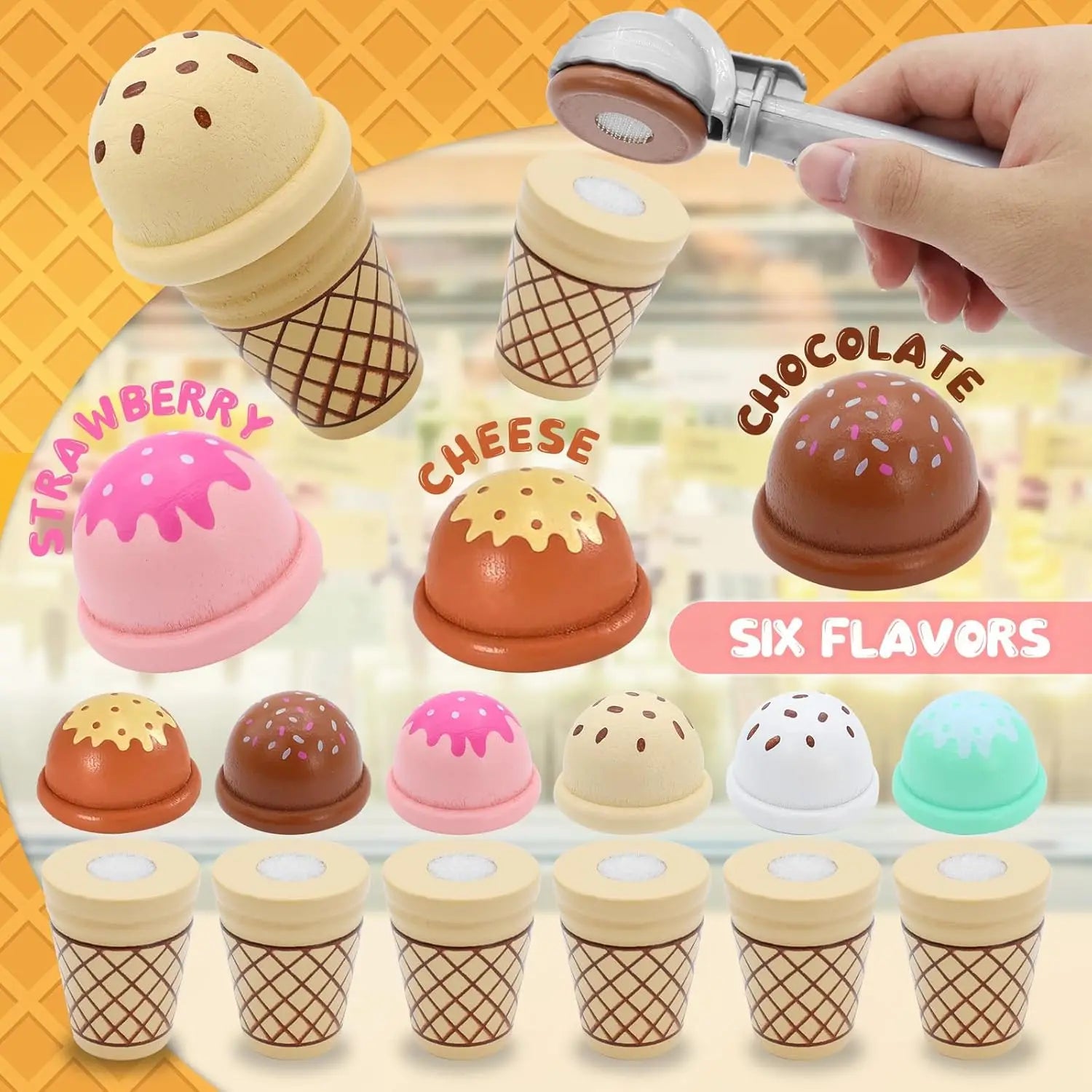
Imaginative play at home with engaging role play toys • See it in action
Explore interactive options like the ice cream counter playset for kids to inspire creative role play again and again.
Creative Imaginative Play Activities for 5 to 8 Year Olds
Storytelling and Character Games
Choose a favorite character, invent a new adventure, and encourage children to create their own ending. This strengthens creativity while improving sequencing and narrative skills.
Building a Pretend World
Use blankets, cardboard boxes, building blocks, or recycled materials to design castles, space stations, shops, or forests. Children naturally combine engineering, storytelling, and teamwork.
Outdoor Adventure Role Play
Backyards and parks become exciting settings for treasure hunts, wildlife explorers, camping adventures, or pirate missions. Outdoor pretend play combines physical activity with imagination.
How Parents and Teachers Can Encourage Role Play
Create a Simple Pretend Play Space
Keep costumes, props, and open-ended toys organized where children can reach them independently.
Use Open-Ended Questions During Play
- "What happens next?"
- "Who needs help?"
- "How could your character solve that problem?"
Questions like these encourage children to expand stories instead of ending them quickly.
Adapt Activities for Different Learning Levels
Children develop at different speeds. Some enjoy detailed storytelling, while others prefer acting out simple routines. Adjust the complexity of activities rather than expecting every child to play the same way.
Choosing Pretend Play Toys for 5 Year Olds
Features of Good Imaginative Play Toys
| Feature | Why It Matters |
|---|---|
| Open-ended design | Supports multiple stories and creative ideas |
| Durable construction | Handles repeated everyday play |
| Age-appropriate size | Easy for young children to use independently |
| Interactive accessories | Encourages conversation and cooperative play |
Open-Ended Toys vs Single-Use Toys
Open-ended toys often provide greater long-term value because they can become different things every day. A pretend food set may be used in a restaurant, grocery store, birthday party, or café without changing the toy itself.
Interactive role play products like the ice cream counter playset for kids encourage repeated storytelling while supporting counting, communication, and social interaction.
For sensory-rich experiences, check out Sensory Toys .
Role Play Activity Guide by Learning Goal
| Learning Goal | Recommended Activity | Skills Developed |
|---|---|---|
| Communication | Restaurant or shop role play | Conversation, vocabulary, listening |
| Emotional regulation | Doctor and patient | Empathy, emotional expression |
| Creativity | Storytelling adventures | Imagination, problem-solving |
| Independence | Teacher classroom play | Confidence, leadership |
Common Mistakes That Reduce Imaginative Play
| What to Avoid | Why It Hurts Play |
|---|---|
| Too many toys at once | Can overwhelm children and reduce focus |
| Interrupting stories frequently | Breaks concentration and creativity |
| Giving all the answers | Limits independent thinking |
| Too much screen time before play | May reduce creative engagement for some children |
Simple environments, flexible toys, and child-led storytelling often create the longest and most meaningful play sessions.
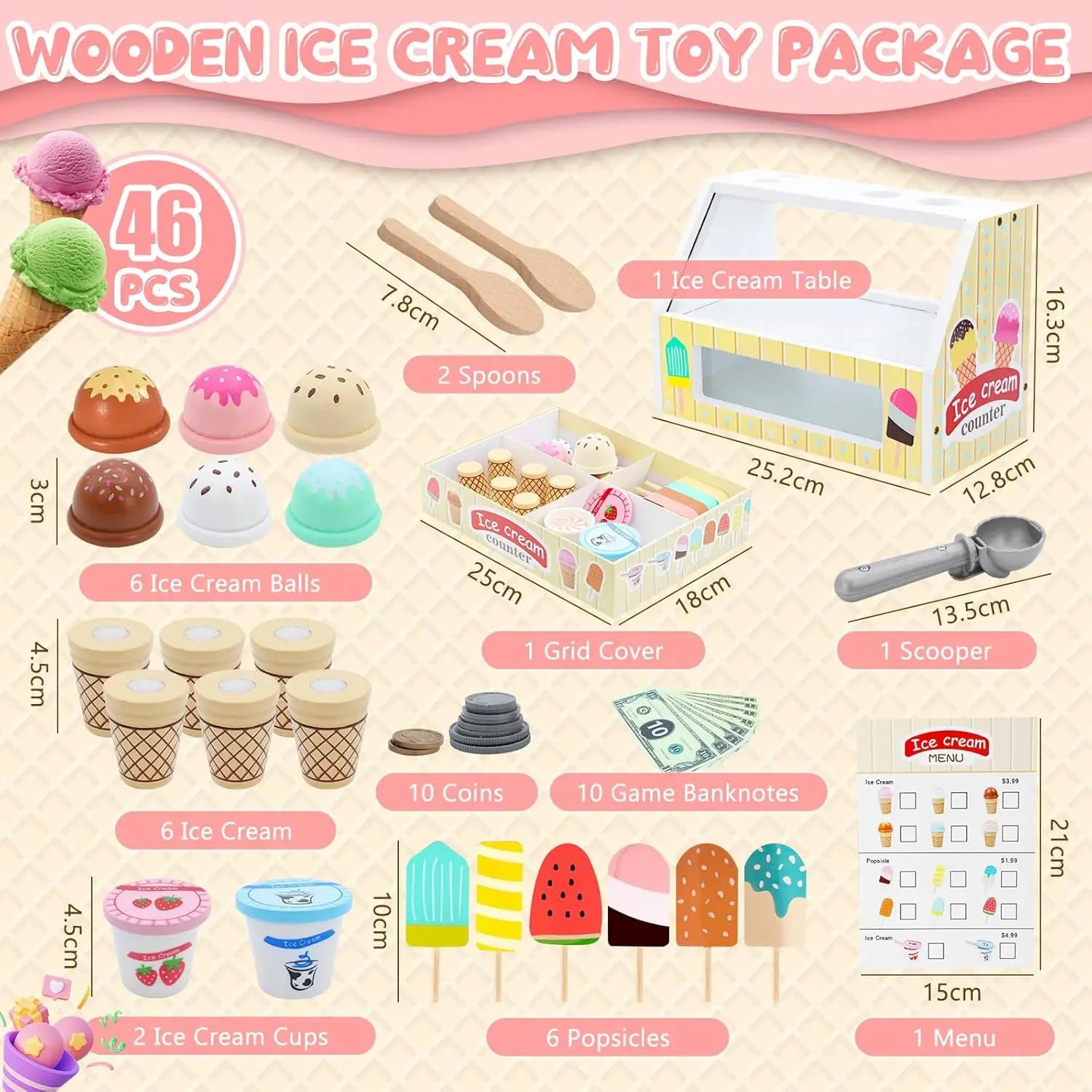
Top role play toys for early childhood development • See it in action
Bring role play to life with the ice cream counter playset for kids , designed to encourage creative storytelling and hands-on learning.
Frequently Asked Questions
What role play activities are best for 5 year olds?
Doctor, restaurant, teacher, grocery store, construction, and superhero games are among the most popular activities because they combine creativity with real-world learning.
Why is pretend play important for 5 year olds?
Pretend play helps children develop communication, creativity, confidence, emotional understanding, cooperation, and problem-solving through enjoyable everyday experiences.
How does pretend play help a 5 year old learn?
Children learn by experimenting with ideas, practicing conversations, making decisions, and exploring different social situations in a safe environment.
How can parents encourage imaginative play?
Create a simple play space, provide open-ended materials, ask thoughtful questions, and allow children to lead their own stories rather than directing every activity.
What are the best pretend play toys for 5 year olds?
Open-ended toys such as play kitchens, pretend food, costumes, cash registers, building materials, and the ice cream counter playset for kids encourage repeated imaginative play while supporting communication and creative thinking.
Pillar Article: Learning with Toys: How to Turn Play into Daily Lessons
Other Related Articles:
- Toy Ice Cream Shop: How to Create a Fun Learning Setup
- Educational Toys for 5 Year Olds: How to Use Them Right
- Toys Role Play: How to Build Confidence Through Play
Explore More:





