

Learning Through Play Toys: Build Skills Through Fun
Are early childhood toys really important for development?
Yes. Well-designed early childhood toys help children learn through active exploration, problem-solving, movement, and imaginative play. Instead of simply keeping children entertained, the right toys support cognitive, language, social-emotional, and motor development while encouraging curiosity and independence. Choosing age-appropriate, safe toys with meaningful learning opportunities allows children to build new skills naturally through everyday play.
Early Childhood Toys for Every Stage: Find the Right Fit
Choosing the right early childhood toys is about more than filling a playroom—it is about creating opportunities for learning through play. From toys for early childhood development that encourage exploration to safe toys for toddlers with learning benefits, every stage of childhood brings new skills to practice. Whether you're introducing sensory experiences to a baby or selecting the best Montessori toys for 3 to 6 year olds, matching toys to your child's developmental readiness helps turn everyday play into meaningful learning.
⏱ 8 min read
With so many products marketed as "educational," it can be difficult to know which toys genuinely support development and which simply add noise and distraction.
How do you choose toys that encourage active learning, creativity, and confidence while remaining appropriate for your child's age?
Discover safe, engaging toys that encourage learning through play from your child's earliest years.
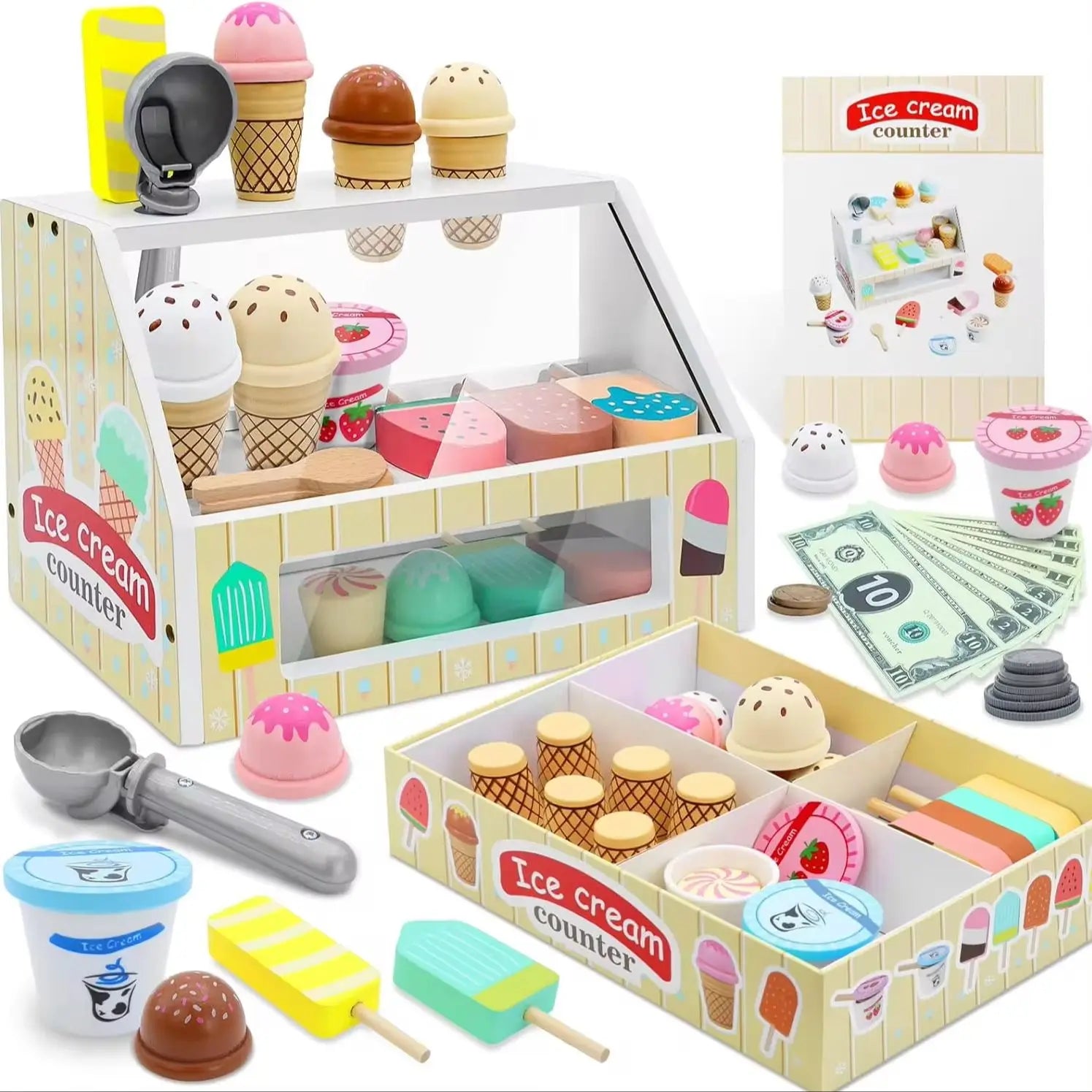
Early childhood toys designed to encourage learning through everyday play. See it in action.
Why Early Childhood Toys Matter More Than You Think
Children learn best when they actively participate in play. Learning through play encourages experimentation, communication, creativity, and problem-solving in ways that passive entertainment cannot. Open-ended toys invite children to make choices, test ideas, and repeat activities as their abilities grow.
Research in early childhood education consistently shows that meaningful play experiences help strengthen a wide range of developmental skills, including:
- Fine and gross motor coordination through reaching, stacking, sorting, and building
- Language development during conversations, storytelling, and pretend play
- Problem-solving through trial, error, and hands-on exploration
- Social-emotional skills such as sharing, cooperation, empathy, and self-confidence
Interactive toys do not need flashing lights or complicated electronics to be educational. Blocks, puzzles, pretend-play sets, art supplies, and sensory materials often provide richer learning experiences because children remain active participants instead of passive observers.
Explore curated options in Baby Growth & Learning to discover activities and toy ideas that support every stage of development.
Choosing Toys by Development Stage
The most effective learning toys match both a child's age and current developmental skills. Rather than rushing toward more advanced toys, choose materials that provide an achievable challenge while leaving plenty of room for creativity and exploration.
0–12 Months: Sensory Exploration Made Safe
During the first year, babies learn by observing, touching, listening, and mouthing objects. Toys should provide safe sensory experiences while encouraging early motor development without overwhelming them.
- High-contrast visual toys that encourage visual tracking
- Soft textures and fabric toys for sensory exploration
- Easy-to-grasp rattles and teethers that strengthen hand coordination
- Non-toxic materials with securely attached parts for safe exploration
Look for safe toys for toddlers with learning benefits that prioritize quality materials, simple interaction, and age-appropriate design over excessive lights or sounds.
Pair sensory toys with essentials from Sensory Toys to encourage safe, engaging early learning experiences.
1–3 Years: Building Motor Skills and Confidence
As toddlers begin walking, climbing, sorting, and experimenting, learning becomes increasingly hands-on. Toys that encourage movement, repetition, and simple problem-solving help build confidence while supporting growing independence.
- Stacking blocks and nesting toys for fine motor development
- Push and pull toys that encourage balance and coordination
- Simple shape sorters and beginner puzzles that introduce problem-solving
- Pretend play materials that encourage language and imagination
Children develop at different rates, so choose toys that match their abilities rather than their age alone. Safe play spaces remain just as important as selecting the right learning materials.
Support active exploration by combining learning toys with guidance from Health & Safety .
3–6 Years: Encouraging Independence Through Play
Preschoolers become increasingly capable of planning, imagining, communicating, and solving problems independently. This is when the best Montessori toys for 3 to 6 year olds, building sets, creative materials, and role-play activities can support deeper learning through play.
- Role-play sets that encourage communication and real-world thinking
- Building toys that introduce early engineering and spatial reasoning
- Creative art materials that promote self-expression and imagination
- Games and puzzles that strengthen memory, reasoning, and cooperation
Choose open-ended toys that can be used in multiple ways instead of products with only one fixed activity. Versatile toys continue supporting learning as children develop new interests and abilities.
Explore growth-focused tools in Mobility & Training to encourage active, independent development alongside everyday play.
How to Choose the Right Toy for Your Child
Selecting learning toys is easier when you focus on how children play rather than how many features a toy offers. The best toys encourage repeated exploration, adapt to a child's growing abilities, and make learning through play enjoyable instead of overwhelming.
- Match developmental readiness – Choose toys that provide a manageable challenge without causing frustration.
- Prioritize safety and quality – Select non-toxic materials, sturdy construction, and age-appropriate designs without choking hazards.
- Look for open-ended play – Toys that can be used in many different ways encourage creativity, flexible thinking, and longer-lasting engagement.
- Support real-life learning – Pretend play, building activities, sorting games, and creative projects help children practice practical skills naturally.
- Avoid overstimulation – Simple toys that require children to imagine, build, or solve problems often provide richer educational value than toys with constant lights and sounds.
Parents often feel pressure to buy the newest educational products, but meaningful learning rarely depends on having the most expensive toy.
A thoughtfully chosen collection of versatile toys usually provides more opportunities for learning than a room full of single-purpose gadgets.
Learn step-by-step how to choose the right baby gear for every stage.
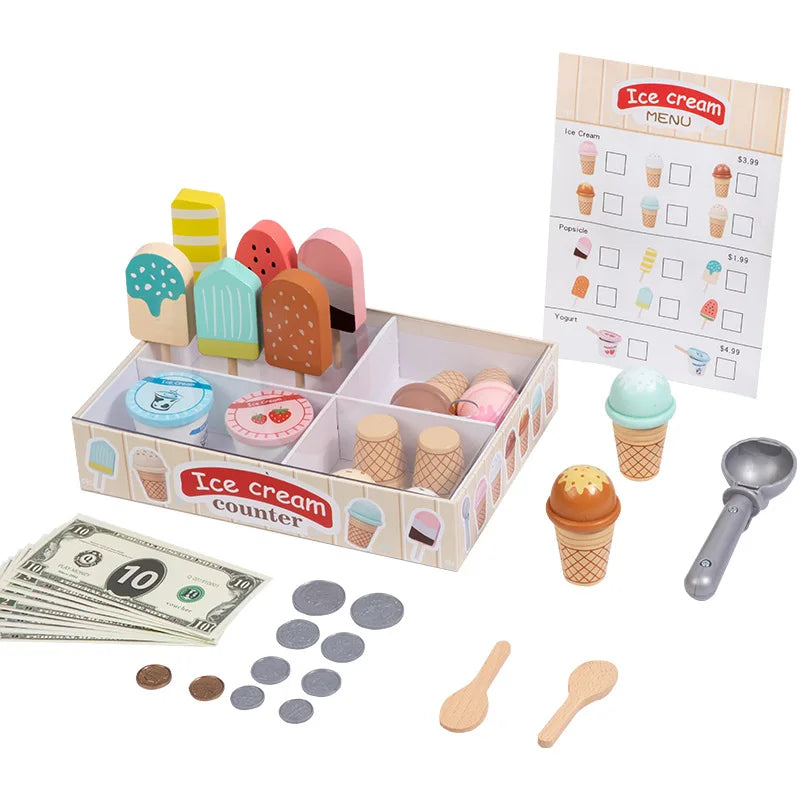
Toys for early childhood development that encourage creativity, exploration, and independent learning. See it in action.
Comparing Toy Types by Development Benefits
| Toy Type | Best For | Key Learning Benefits | Representative Examples |
|---|---|---|---|
| Sensory Toys | Babies and young toddlers | Supports sensory exploration, early motor skills, and cause-and-effect learning | Texture balls, rattles, sensory bins |
| Building Toys | Toddlers and preschoolers | Develops fine motor control, spatial reasoning, creativity, and early STEM thinking | Wooden blocks, magnetic tiles, construction sets |
| Role-Play Toys | Preschool-aged children | Strengthens language, social interaction, imagination, and real-world problem-solving | Ice cream counter playset for kids , play kitchens, doctor kits |
| Puzzles and Sorting Toys | Toddlers through preschoolers | Improves concentration, memory, logical thinking, and hand-eye coordination | Shape sorters, wooden puzzles, matching games |
| Electronic Toys | Older children when used intentionally | Can introduce interactive concepts but should complement—not replace—hands-on play | Interactive learning devices |
Rather than choosing toys by category alone, consider the learning goal. Building toys encourage experimentation, pretend-play toys strengthen communication, puzzles develop problem-solving, and sensory toys provide valuable early learning experiences through exploration.
For most families, a balanced collection of open-ended toys offers greater long-term educational value than relying primarily on electronic entertainment.
Common Mistakes Parents Make When Choosing Toys
Even well-intentioned purchases can miss the mark if they don't match how children naturally learn. Avoiding these common mistakes helps create a play environment that supports curiosity, confidence, and long-term skill development.
- Choosing toys based only on marketing claims – Labels such as "educational" are less important than whether a toy encourages active participation and exploration.
- Buying toys that are too advanced – Toys that are beyond a child's current abilities often lead to frustration rather than meaningful learning.
- Collecting too many single-purpose toys – A smaller collection of versatile, open-ended toys usually provides richer learning experiences than dozens of novelty items.
- Prioritizing screens over hands-on play – Screen-based entertainment has its place, but children also benefit from manipulating objects, building, creating, and pretending.
- Ignoring safety and durability – Always choose toys made from child-safe materials that can withstand regular play and are appropriate for your child's age.
Thoughtfully selected learning toys encourage repeated practice, creativity, and independent discovery. Rotating a small number of engaging toys can also keep play fresh without constantly buying new products.
Pair learning activities with healthy daily routines using products from Sleep & Comfort to help support your child's overall well-being.
What Makes a Toy Truly "Educational"?
A genuinely educational toy encourages children to think, explore, experiment, and create rather than simply pressing buttons or watching automatic responses. The strongest learning toys remain engaging because children actively shape the experience themselves.
Active Participation
Children learn more when they build, sort, imagine, test ideas, and solve simple problems. Toys that require active involvement support deeper understanding than passive entertainment.
Open-Ended Exploration
Open-ended toys can be used in multiple ways as children grow. Blocks, pretend-play materials, art supplies, and construction toys allow new challenges and creative ideas to emerge with every play session.
Appropriate Challenge
The best toys offer just enough difficulty to keep children engaged while remaining achievable. A gradual increase in complexity encourages persistence, confidence, and problem-solving without causing unnecessary frustration.
Repeat Play and Skill Practice
Children develop skills through repetition. Toys that remain interesting over months or years provide ongoing opportunities to strengthen language, coordination, creativity, and critical thinking while adapting to changing interests.
Before purchasing a toy, ask yourself a simple question: Will my child actively create, explore, or solve something while using it? If the answer is yes, the toy is far more likely to support meaningful learning through play.
How to Build a Balanced Toy Collection at Home
A thoughtfully chosen toy collection gives children opportunities to explore different ways of learning without creating unnecessary clutter. Rather than buying every trending toy, aim for a balanced mix of open-ended options that can be used repeatedly as your child develops new interests and abilities.
- Sensory toys that encourage exploration through textures, sounds, and movement
- Construction toys that develop fine motor skills, spatial awareness, and creative thinking
- Pretend-play toys that strengthen language, social interaction, and imagination
- Puzzles and problem-solving games that build concentration, reasoning, and persistence
- Creative materials such as drawing supplies or craft kits that encourage self-expression
A small collection of versatile learning toys is often more valuable than dozens of toys that are quickly forgotten. Rotating toys every few weeks can also help maintain interest while encouraging children to rediscover familiar activities in new ways.
Explore more ideas in Baby Care Tips & Advice .
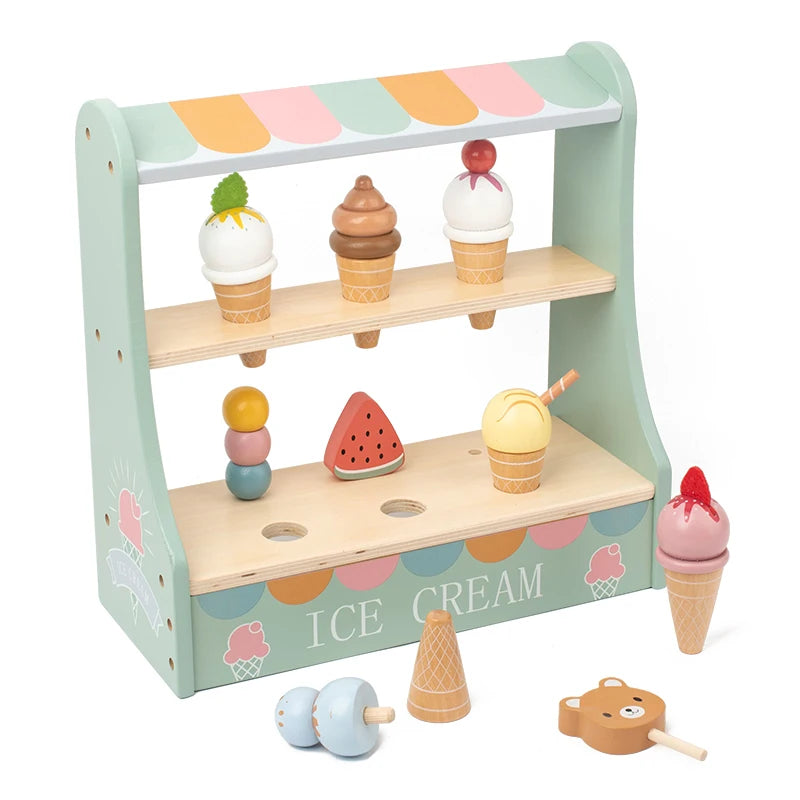
Open-ended Montessori-inspired toys encourage independence, creativity, and hands-on learning. See it in action.
Choose learning toys that grow with your child and support meaningful play every day.
FAQs About Learning Through Play Toys
How can toys support learning for preschool-aged children?
Learning through play toys help preschoolers develop language, problem-solving, creativity, fine motor skills, and social confidence. Building sets, pretend-play materials, puzzles, and art supplies encourage children to actively explore ideas instead of simply observing them.
What are the best toys for preschool learning?
The best toys for preschool learning are open-ended and age-appropriate. Popular choices include building blocks, pretend-play sets, sorting games, beginner science activities, art materials, and simple puzzles that encourage creativity and independent thinking.
Are screen-free toys better for learning?
Screen-free toys often provide more opportunities for hands-on exploration, communication, and imaginative play. While educational technology can complement learning in moderation, children benefit greatly from activities that involve building, creating, moving, and solving problems independently.
How do I choose educational toys by age?
Select toys that match your child's current developmental abilities rather than choosing the most advanced option available. Babies benefit from sensory exploration, toddlers enjoy sorting and building, while preschoolers are ready for more complex pretend play, creative projects, and problem-solving activities.
How much should I spend on learning toys?
Educational value is not determined by price. A small collection of durable, versatile toys that children return to repeatedly often provides better long-term learning opportunities than a large collection of expensive novelty items.
Related Articles:
- Toy Ice Cream Shop: How to Create a Fun Learning Setup
- Educational Toys for 5 Year Olds: How to Use Them Right
- Toys Role Play: How to Build Confidence Through Play
- Pretend Play for 5 Year Olds: 7 Easy Activities That Work
Pillar Articles:





