

Toys Role Play: Why Pretend Play Matters at Every Age
How do toys role play help children build confidence?
Toys role play help children build confidence by giving them a safe space to practice everyday situations, solve problems, and express emotions without fear of making mistakes. Whether they're pretending to be a doctor, chef, shopkeeper, or teacher, children learn to communicate clearly, make decisions independently, and interact with others in positive ways.
These playful experiences also strengthen pretend play social skills such as listening, cooperation, empathy, and turn-taking. Over time, repeated practice helps children feel more comfortable speaking up, trying new ideas, and handling real-life social situations with greater confidence.
- Builds communication through conversations and storytelling
- Develops confidence through repeated practice
- Encourages creativity and flexible thinking
- Strengthens emotional regulation and empathy
- Supports independent decision-making during play
Toys Role Play: How to Build Confidence Through Play
Pretend play for 5 year olds isn't just entertaining—it plays an important role in developing communication, confidence, creativity, and problem-solving skills. This guide explores how role play supports healthy child development, the best role play toys for different ages, practical activities parents can use at home, and how to choose toys that encourage meaningful, open-ended learning.
⏱ 9 min read
Ever noticed your child hesitating to speak up, share ideas, or join group activities? Many children simply need opportunities to rehearse real-life situations in a relaxed environment before they feel confident doing them for real.
That's exactly where role play becomes one of the most valuable learning tools in early childhood.
Discover practical ways to encourage confidence, communication, and imagination through everyday role play.
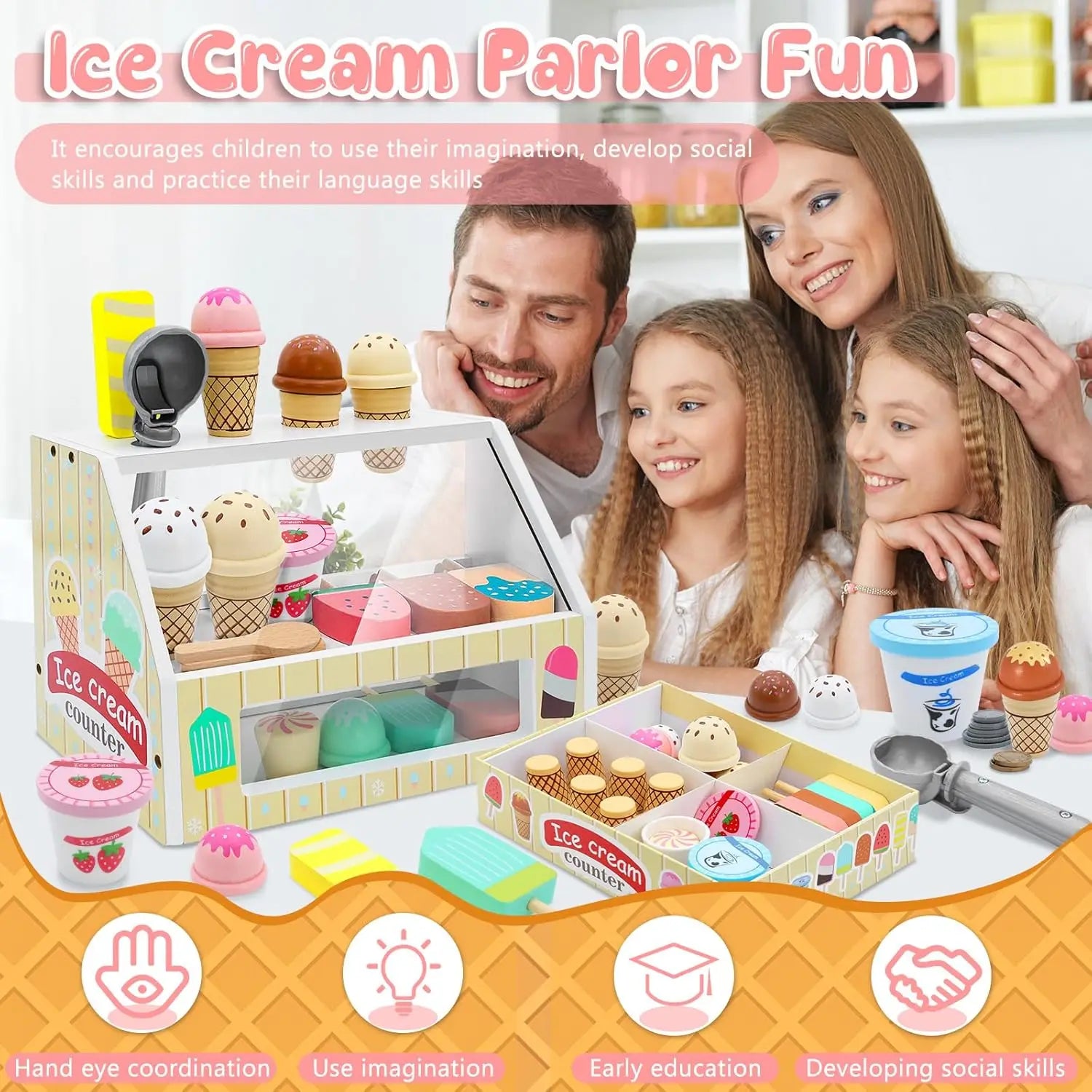
toys role play + how to build social skills through toys • See it in action
What Are Role-Play Toys?
Role play toys are toys designed to encourage children to imitate everyday experiences through imaginative play. They include pretend kitchens, doctor kits, grocery stores, cash registers, costumes, puppets, tool benches, and other themed playsets that inspire storytelling.
Role-play toys vs. pretend play activities
Role-play toys provide physical props that make pretend scenarios more immersive, while pretend play activities can happen with or without toys. A cardboard box can become a spaceship, while a doctor's kit makes medical role play feel even more realistic.
Why role-play differs from structured games
Unlike games with fixed rules and winners, role play is open-ended. Children decide what happens next, negotiate storylines, solve unexpected problems, and invent conversations. This freedom encourages creativity while strengthening language, social interaction, and emotional understanding.
- Practice real-world conversations
- Explore different perspectives
- Develop creative thinking
- Learn through experimentation instead of memorization
This is why many parents turn to Baby Growth & Learning resources to support early development through play.
Why Role Play Is Important for Child Development
Cognitive development
Pretend scenarios encourage planning, sequencing, memory, and flexible thinking. Children learn to solve problems as stories naturally evolve during play.
Language and communication
Role play expands vocabulary, sentence structure, and conversational skills. Children practice asking questions, explaining ideas, and listening to others.
Emotional growth
By acting out different roles, children safely explore feelings like excitement, frustration, kindness, disappointment, and compassion. This helps build emotional awareness and self-regulation.
Social development
Playing together teaches cooperation, negotiation, compromise, and empathy. Children learn how their actions affect others while developing healthy relationships through shared storytelling.
How Role Play Builds Confidence and Social Skills
One of the biggest benefits of role play toys is that they let children practice social situations without real-world pressure. Every pretend interaction becomes a chance to develop confidence through play.
Communication
Children practice greetings, conversations, asking questions, and explaining ideas naturally during pretend scenarios.
Empathy
Switching between customer and shopkeeper or doctor and patient helps children understand different perspectives.
Problem-solving
Unexpected situations during play encourage children to think creatively and make decisions independently.
Cooperation
Group role play promotes turn-taking, teamwork, and conflict resolution while reducing the lack of social interaction during playtime .
| Without Regular Role Play | With Regular Role Play |
|---|---|
| Limited conversation practice | Confident communication |
| Passive entertainment | Active problem-solving |
| Fewer opportunities to cooperate | Improved teamwork and empathy |
| Less imaginative thinking | Creative storytelling and decision-making |
Parent insight: "After introducing pretend shop games into our evening routine, my son became much more comfortable starting conversations with other children."
Step-by-Step: How to Build Social Skills Through Toys
Set up play
- Choose familiar situations. Grocery shopping, cooking, doctor visits, restaurants, or birthday parties are easy for children to understand.
- Gather simple props. Everyday household objects work just as well as dedicated playsets.
Model conversations
Demonstrate greetings, polite requests, and simple questions before encouraging your child to continue the conversation independently.
Encourage turn-taking
Take turns being the customer, chef, patient, or cashier so children experience different viewpoints and practice empathy.
Reflect after play
Ask open-ended questions such as "What happened in your shop today?" or "How did your patient feel?" to strengthen language and emotional understanding.
Small daily role play routines often build confidence more effectively than occasional long play sessions.
Which Pretend Play Toys Improve Social Skills?
The most effective pretend play toys encourage conversation, cooperation, and open-ended storytelling rather than simply pressing buttons.
Kitchen playsets
Support teamwork, sharing, sequencing, and communication while preparing imaginary meals.
Doctor kits
Help children develop empathy, reduce anxiety about medical visits, and practice caring for others.
Grocery stores and cash registers
Teach counting, decision-making, polite conversation, and basic money concepts.
Tool benches
Encourage planning, fine motor development, and collaborative problem-solving.
Dress-up costumes and puppets
Allow children to experiment with different personalities, emotions, and storytelling styles.
Explore more tools designed for interactive learning in Sensory Toys .
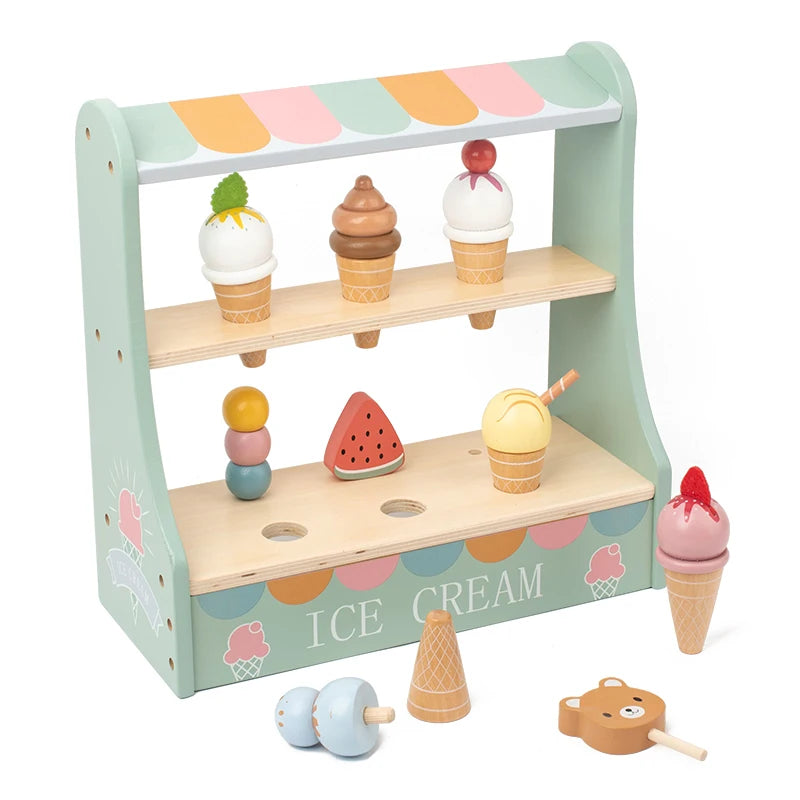
which pretend play toys improve social skills • See it in action
Best Role-Play Toys by Age
| Age | Recommended Toys | Development Focus |
|---|---|---|
| 1–2 years | Soft food sets, dolls, toy phones | Language, imitation, fine motor skills |
| 3–4 years | Kitchen sets, doctor kits, puppets | Social interaction, empathy, imagination |
| 5–7 years | Shop sets, restaurants, tool benches, costumes | Confidence, storytelling, teamwork, problem-solving |
Easy Role Play Ideas You Can Start Today
You don't need elaborate setups to encourage meaningful pretend play.
Home
Invite your child to prepare dinner, answer pretend phone calls, or care for a baby doll.
Store
Create a small grocery shop where children practice shopping, counting, and customer service.
Restaurant
Take turns being chef, waiter, and customer while practicing manners and conversation.
Vet clinic
Use stuffed animals as patients to build empathy and reduce anxiety around caring for others.
These activities pair perfectly with tools from Feeding Tools to simulate real-life routines.
Common Mistakes That Limit Imaginative Play
- Over-directing every part of the story instead of letting children lead.
- Providing too many toys at once, making focused play difficult.
- Replacing imaginative play with excessive screen time.
- Ignoring a child's interests and forcing specific scenarios.
- Correcting pretend stories instead of encouraging creativity.
Tip: The richest learning usually happens when children control the story while adults participate as supportive play partners.
How to Choose the Right Role-Play Toys
Safety
Select age-appropriate toys made from durable, non-toxic materials without small parts that could present choking hazards.
Durability
Role play toys are often used daily, so sturdy construction helps them withstand repeated imaginative adventures.
Open-ended play
The best toys can become many different things instead of supporting only one scripted activity.
Educational value
Choose toys that naturally encourage communication, creativity, counting, cooperation, and problem-solving while matching your child's interests and developmental stage.
Why This Ice Cream Playset Makes Learning Fun
The right role play toy encourages children to create their own stories instead of following predetermined scripts. An interactive playset can support communication, confidence, numeracy, and imaginative thinking in one activity.
This ice cream counter playset for kids offers multiple opportunities for open-ended learning.
- Encourages conversations between customers and shopkeepers
- Supports counting, sorting, and simple decision-making
- Promotes creative storytelling with different scenarios
- Provides repeated opportunities to practice confidence through play
Parent feedback: "Within a few weeks, my daughter was confidently welcoming customers, explaining menu choices, and inventing new shop stories every day."
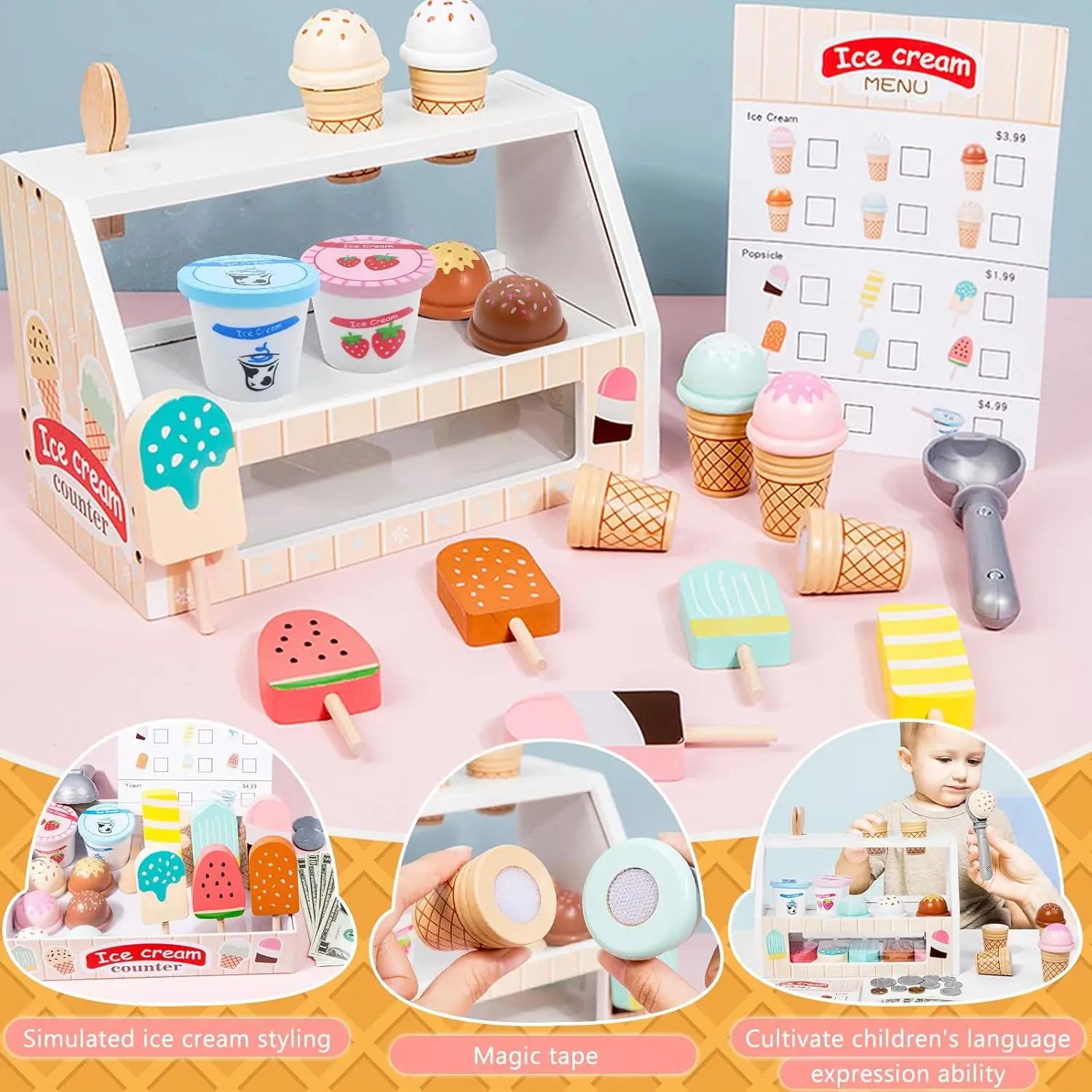
toys role play + creative role play ideas for young kids • See it in action
Explore imaginative role play that supports confidence, communication, and joyful learning every day.
Frequently Asked Questions
What are role-play toys?
Role-play toys are themed toys that encourage children to act out everyday situations, helping them develop imagination, communication, and social skills.
What is the difference between role-play toys and pretend play toys?
The terms are often used interchangeably. Role-play toys are physical props that support pretend play, while pretend play refers to the activity itself.
Which role-play toys improve social skills the most?
Kitchen sets, doctor kits, grocery stores, dress-up costumes, and shop playsets encourage conversation, cooperation, empathy, and teamwork.
How does role play build confidence?
Role play lets children rehearse conversations and problem-solving in a low-pressure environment, making them more comfortable expressing themselves in real life.
What role-play toys are best for toddlers?
Simple pretend food, dolls, toy telephones, soft animal figures, and large play accessories designed for toddlers encourage early imaginative play safely.
Can role play reduce lack of social interaction during playtime?
Yes. Shared pretend play naturally promotes conversation, cooperation, listening, and turn-taking, helping children become more comfortable interacting with others.
How do I choose safe role-play toys?
Select age-appropriate toys made from durable materials, avoid choking hazards for younger children, and look for products designed for open-ended, active play.
Can children benefit from role play without expensive toys?
Absolutely. Household objects, recycled materials, and simple props often inspire just as much imaginative learning as elaborate playsets.
Pillar Article: Learning with Toys: How to Turn Play into Daily Lessons
Other Related Articles:
- Toy Ice Cream Shop: How to Create a Fun Learning Setup
- Educational Toys for 5 Year Olds: How to Use Them Right
- Pretend Play for 5 Year Olds: 7 Easy Activities That Work
Explore More:





