

Sensory Play for 4 Year Olds: Easy Activities That Engage
Does sensory play for 4 year olds really work?
Sensory play for 4 year olds gives children opportunities to explore the world through touch, movement, sound, sight, and sometimes smell in a safe, playful way. These hands-on experiences strengthen the connections between the brain and body while making everyday learning enjoyable.
The benefits of sensory play for preschoolers extend beyond entertainment. Regular activities can improve fine motor control, problem-solving, language development, emotional regulation, creativity, and early math skills. Even 15 to 20 minutes of purposeful sensory play each day can support healthy child development.
Age 4 is an ideal time because preschoolers naturally enjoy sorting, pouring, building, matching, and experimenting. They are developing longer attention spans, stronger hand muscles, richer vocabulary, and greater independence. Throughout this guide, you'll discover practical sensory play ideas for 4 year olds, safety tips, daily routines, and easy activities you can set up with common household materials.
Sensory Play for 4 Year Olds: What Makes It Effective
⏱ 8 min read
Sensory play for 4 year olds can turn everyday playtime into valuable learning opportunities. If your preschooler struggles with boredom, has endless energy, or finds it difficult to focus on quiet activities, the right sensory experiences can encourage curiosity, confidence, and important developmental skills without feeling like schoolwork.
Explore Sensory Toys
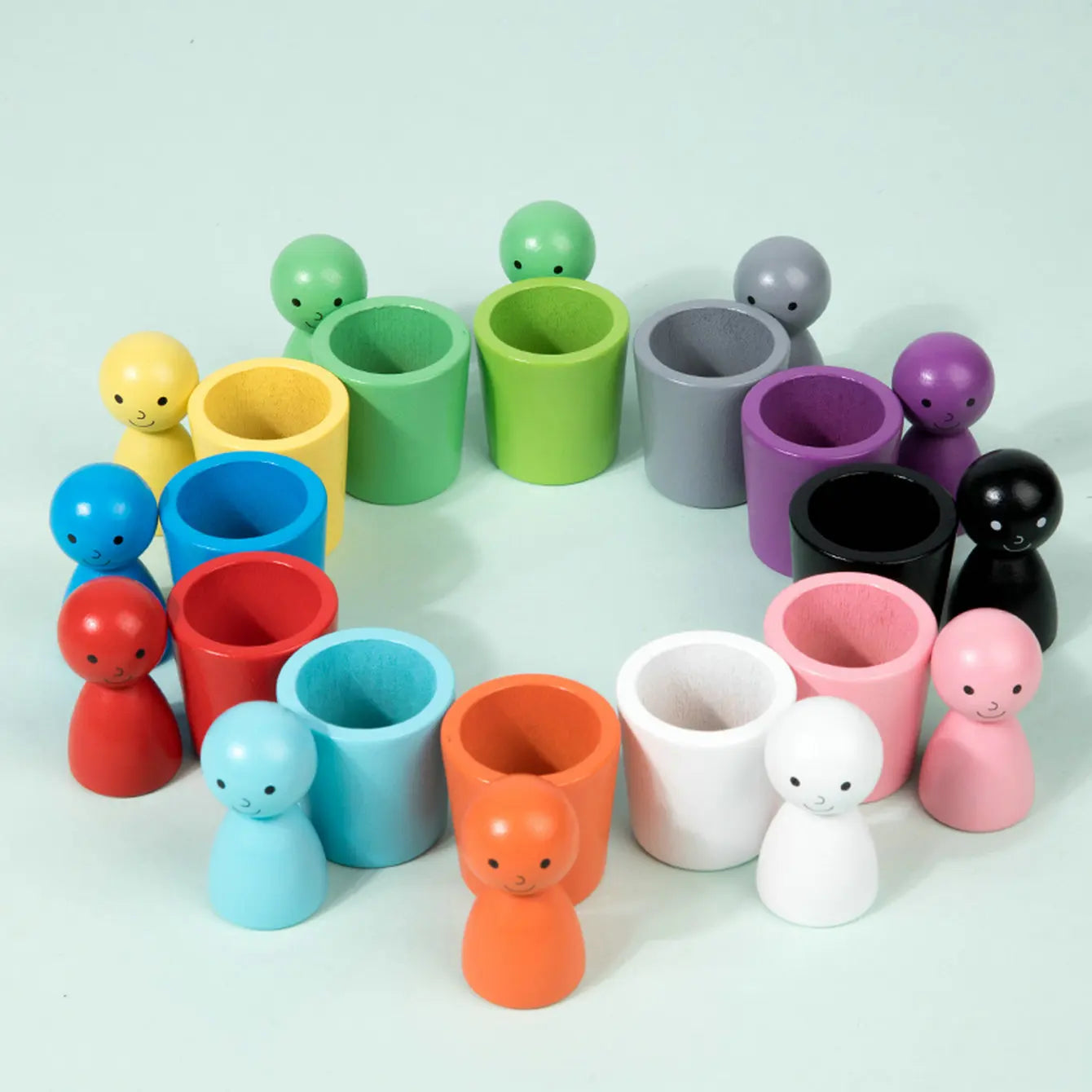
Sensory play for 4 year olds with engaging hands-on learning activities. See it in action.
Why Sensory Play Works So Well at Age 4
Four-year-olds learn best through exploration. Every time they squeeze, stack, scoop, pour, or sort objects, they strengthen the brain pathways that support learning, communication, movement, and emotional control. That's why the benefits of sensory play for preschoolers reach far beyond simple fun.
Cognitive development
Sensory experiences encourage children to observe, compare, predict outcomes, recognize patterns, and solve simple problems. Activities like sorting by color or size also introduce early math concepts naturally.
Fine and gross motor skills
Picking up small objects, transferring materials with tongs, balancing blocks, and carrying containers build the hand strength and coordination children need for drawing, writing, cutting, and self-care tasks.
Language and communication
Talking about textures, colors, sounds, temperatures, and actions introduces new vocabulary while encouraging children to describe what they see and experience.
Emotional regulation
Many sensory activities provide calming, repetitive movements that help children settle their emotions, manage frustration, and transition between daily routines more smoothly.
Social learning
Playing with siblings or classmates teaches sharing, turn-taking, teamwork, and communication while children work together to build, sort, or complete simple challenges.
- Strengthens hand muscles for writing and drawing
- Encourages curiosity and independent thinking
- Supports speech and vocabulary growth
- Improves coordination and body awareness
- Builds confidence through hands-on success
Hands-on exploration often teaches preschoolers more effectively than passive screen time because children actively participate instead of simply watching.
Best Sensory Play Ideas for 4 Year Olds
The best sensory activities for 4 year olds match your child's interests while supporting specific developmental goals. You don't need expensive supplies—many engaging activities use everyday household items.
Indoor sensory activities
| Activity | Developmental Goal | Difficulty | Cleanup |
|---|---|---|---|
| Color sorting | Logic and visual discrimination | Easy | Low |
| Stacking blocks | Planning and balance | Easy | Low |
| Puzzle races | Problem-solving | Medium | Low |
| Transfer games with tongs | Fine motor skills | Medium | Low |
| Pattern building | Early math skills | Medium | Low |
Outdoor sensory activities
- Digging and scooping in sand
- Collecting leaves, stones, and sticks
- Watering plants with small watering cans
- Nature scavenger hunts
- Obstacle courses using cones and stepping stones
Sensory bins for 4 year olds
Sensory bins are easy sensory play activities at home because you can customize them around a theme.
- Dry rice with measuring cups
- Pom-poms and plastic tweezers
- Dried beans with hidden letters
- Shredded paper treasure hunts
- Pasta sorting stations
Water and messy play
- Floating and sinking experiments
- Foam washing stations for toy animals
- Water transfer using cups and funnels
- Homemade play dough sculpting
- Finger painting outdoors
Nature sensory play
- Create bark and leaf texture rubbings
- Compare smooth and rough rocks
- Sort flowers by color
- Build nature collages
- Listen for different outdoor sounds
Calm sensory activities
- Fabric matching games
- Wooden stacking toys
- Quiet sorting activities
- Weighted stuffed animals during reading
- Slow breathing while tracing shapes
Fine motor sensory games
- Threading large beads
- Peg boards
- Sticker placement activities
- Clothespin color matching
- Building towers with small wooden blocks
Seasonal sensory play ideas
- Spring flower sorting
- Summer water tables
- Autumn leaf collections
- Winter cotton-ball snow scenes
See the Montessori Color Sorting Toy
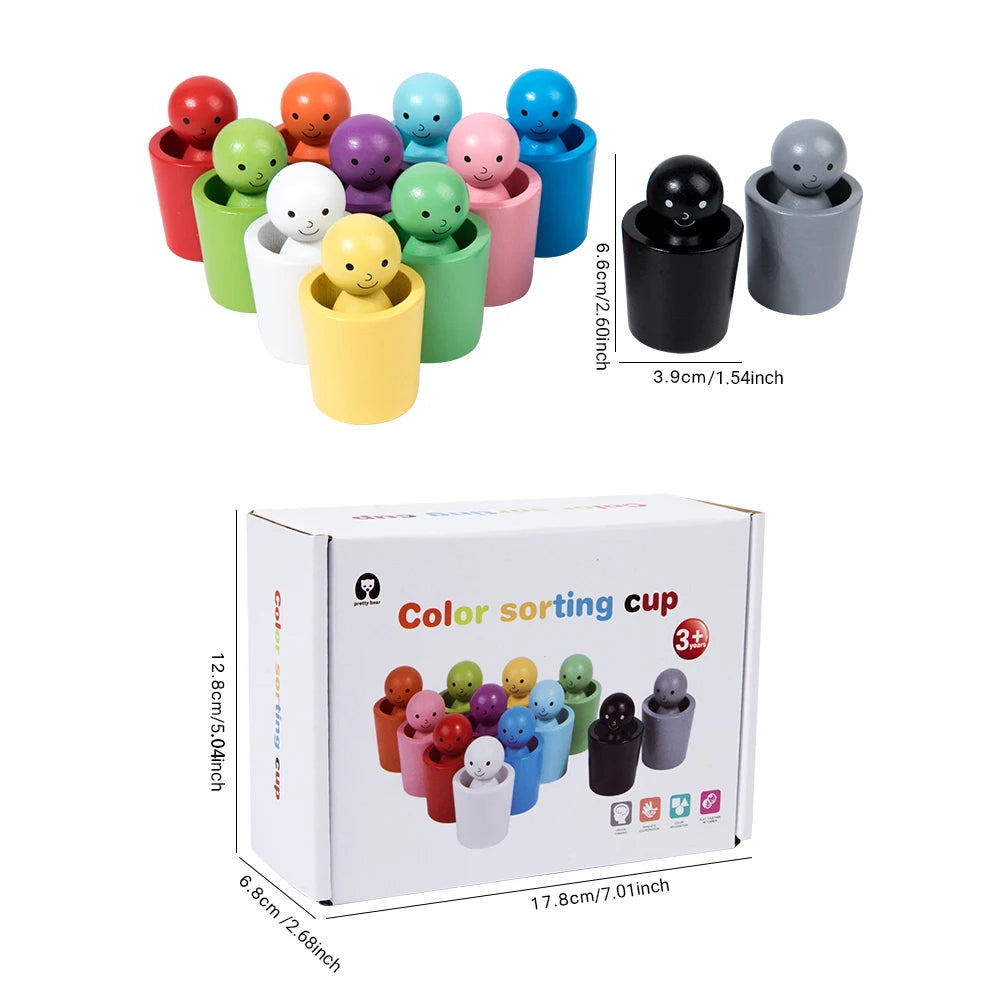
Best sensory play ideas for toddlers adapted for preschool success. See it in action.
How to Choose the Right Sensory Activity
By developmental goal
Choose sorting, threading, or transfer games to strengthen fine motor skills. Building challenges improve problem-solving, while water and movement activities encourage coordination and gross motor development.
By sensory preference
Some children enjoy messy play, while others prefer dry materials or structured activities. Start with your child's comfort level and gradually introduce new textures as confidence grows.
By available time
If you only have five to ten minutes, choose quick color sorting, matching games, or simple building challenges. Longer sessions allow for sensory bins, water play, or nature exploration.
By household materials
Many excellent sensory games use everyday items such as measuring cups, paper tubes, clothespins, recycled containers, cereal, cotton balls, wooden blocks, or kitchen utensils. Creative setups often matter more than expensive toys.
Sensory Play Safety Tips
Choking hazards
Always supervise preschoolers around small objects. Choose materials appropriate for your child's age and avoid items that could be swallowed.
Allergy awareness
Consider food allergies before using ingredients such as flour, beans, or oats. Wash hands after messy activities and clean reusable materials regularly.
Adult supervision
Children benefit most when adults observe, ask questions, and encourage exploration rather than directing every step of play.
Easy cleanup
Place washable mats under sensory bins, use containers with raised edges, and involve children in cleaning up to build responsibility and independence.
How to Make Sensory Play Part of Your Daily Routine
You don't need elaborate setups to make sensory play a regular habit. Small, consistent sessions often provide the greatest developmental benefits.
5-minute activities
- Color sorting before breakfast
- Quick building challenge after school
- Matching games before bedtime stories
Rainy day ideas
- Indoor obstacle courses
- Play dough creations
- Sensory bins on a washable mat
- Paper collage activities
Low-mess options
- Wooden sorting toys
- Large puzzles
- Stacking cups
- Fabric texture matching
Weekly activity rotation
- Monday: Sorting and matching
- Tuesday: Building challenges
- Wednesday: Nature exploration
- Thursday: Water or transfer activities
- Friday: Creative sensory art
- Weekend: Family sensory games outdoors
Short, consistent routines help children know what to expect while giving them frequent opportunities to practice important developmental skills.
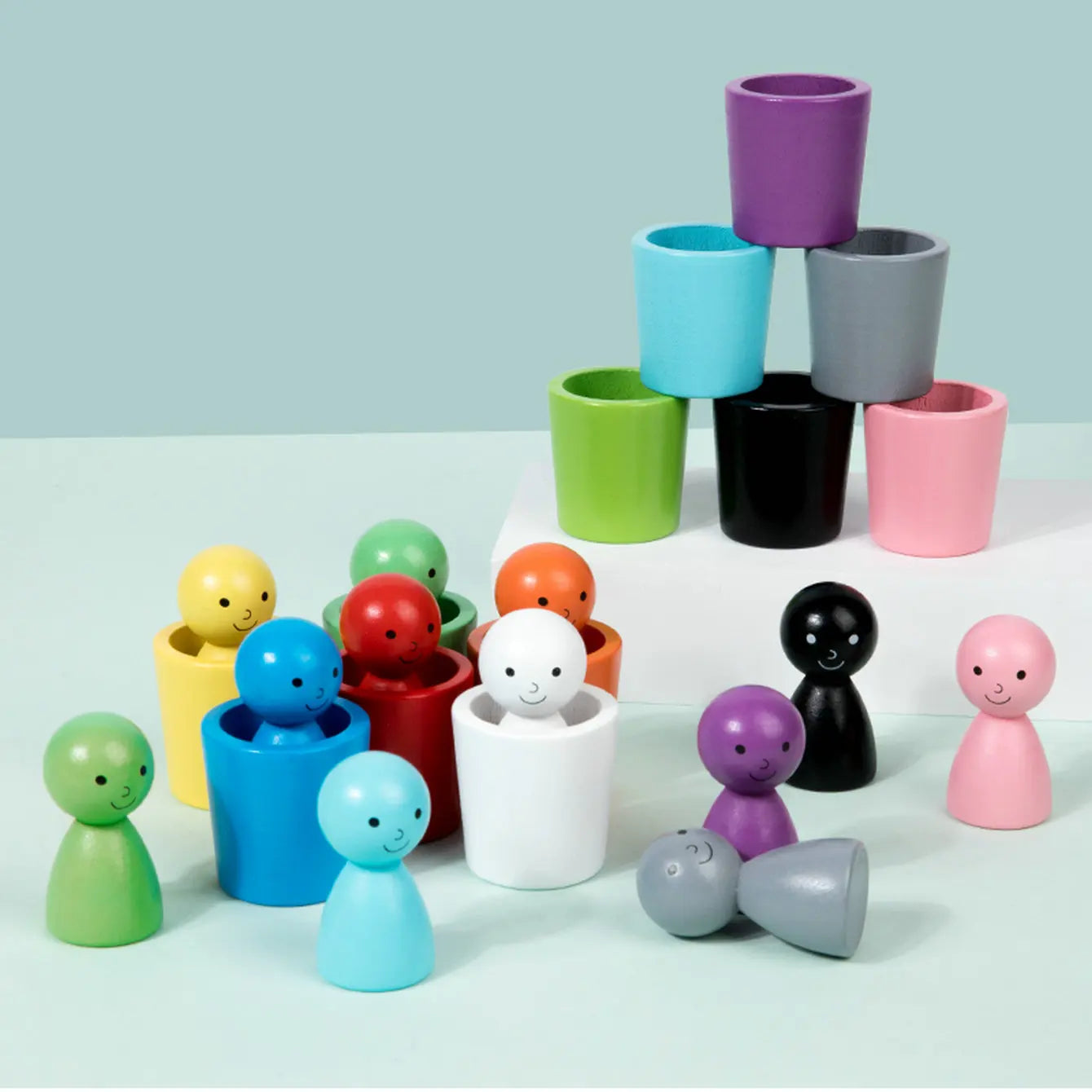
Sensory play for 4 year olds that encourages calm focus and confident learning. See it in action.
Get yours now
Frequently Asked Questions
What is the best sensory play for 4 year olds?
Activities that combine movement, problem-solving, and hands-on exploration—such as sorting, scooping, building, threading, and sensory bins—provide excellent opportunities for learning through play.
How long should sensory play last?
Most preschoolers benefit from 15 to 20 minutes of focused sensory play. Short daily sessions are usually more effective than occasional long activities.
Can sensory play help with attention span?
Yes. Purposeful sensory activities encourage children to stay engaged with one task, gradually building concentration, patience, and self-control.
What if my child dislikes messy play?
Choose low-mess activities like wooden sorting toys, stacking games, puzzles, fabric texture matching, or dry sensory bins using large objects.
How often should preschoolers do sensory play?
Daily opportunities are ideal, even if each session lasts only 10 to 20 minutes.
What materials are safest for sensory bins?
Use age-appropriate, non-toxic materials such as large wooden pieces, pom-poms under supervision, dry pasta, fabric scraps, or clean recycled containers while avoiding choking hazards.
Are sensory activities good for speech development?
Yes. Talking about textures, colors, shapes, movements, and observations naturally expands vocabulary and conversation skills.
Can sensory play be done indoors?
Absolutely. Many indoor sensory play activities for toddlers and preschoolers use common household materials and require very little preparation or cleanup.
Pillar Article: Toys That Improve Fine Motor Skills: Key Benefits Explained
Other Related Articles:
Explore More:





