

toys for fine motor skills: Best Development Toys Compared 2026
Do toys for fine motor skills really work?
Toys for fine motor skills can significantly improve hand strength, coordination, and precision when chosen correctly. The best toys for fine motor skill development encourage grasping, stacking, threading, and problem-solving, helping toddlers build essential skills faster while avoiding passive play that limits real developmental progress.
toys for fine motor skills: Best Development Toys Compared 2026
Toys for fine motor skills can make or break your child’s early development—but are you choosing the right ones? In this guide, we compare toys for fine motor skill development that actually deliver results, reveal surprising ways to improve toddler fine motor skills faster, and expose common toys not improving fine motor skills as promised. If you’ve been searching for the best toys for fine motor skill development without wasting money, you’re about to discover what truly works—and what most parents overlook. ⏱ 8 min read
Why Fine Motor Skills Matter More Than You Think
Struggling with buttons, crayons, or feeding themselves? These everyday challenges often come down to fine motor development.
Fine motor skills control small muscle movements in the hands and fingers—critical for writing, eating, and independence.
👉 Discover the safest toys for your baby
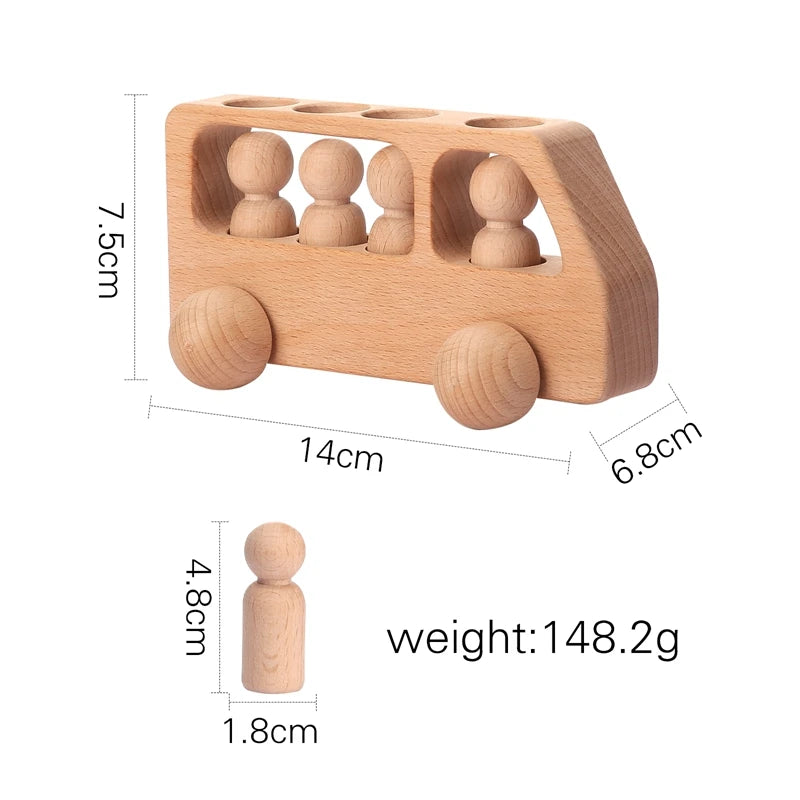
Toys for fine motor skill development that boost hand-eye coordination 💡 See it in action
Quick question: Is your child playing—or actually developing skills?
Many toys entertain but don’t challenge. The difference matters more than most parents realize.
Best Toys for Fine Motor Skills Compared
| Toy Type | Best For | Skill Focus | Age Range | Pros | Cons |
|---|---|---|---|---|---|
| Stacking Blocks | Beginners | Grip & coordination | 1–3 yrs | Simple, effective | Limited challenge over time |
| Threading Beads | Precision | Finger control | 2–5 yrs | High skill-building | Requires supervision |
| Puzzle Boards | Problem-solving | Hand-eye coordination | 2–4 yrs | Engaging | Can frustrate beginners |
| Wooden Train Sets | All-round development | Grip, movement, planning | 1.5–5 yrs | Multi-skill play | Needs space |
👉 A versatile option like the wooden train toy for kids combines multiple skill-building actions in one engaging setup.
What Makes a Toy Actually Effective?
Toys for fine motor skills work best when they require active engagement—not passive watching.
- Encourages grasping, pinching, or twisting
- Requires problem-solving or coordination
- Offers repeatable challenges
- Grows with your child’s ability
Explore more development-focused options in Baby Growth & Learning to build a well-rounded play routine.
👉 Learn step-by-step how to choose the right baby gear
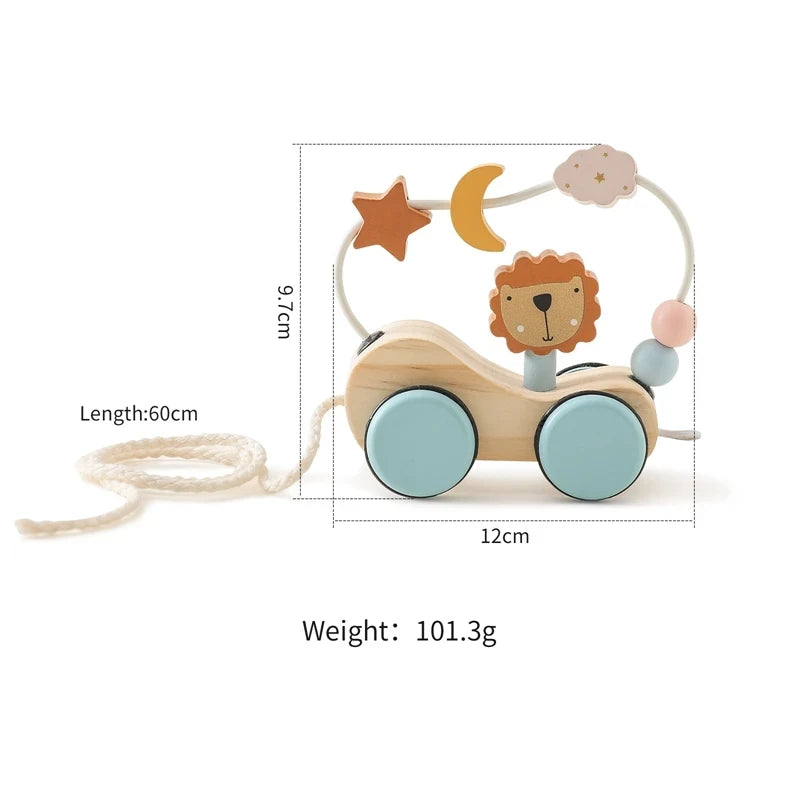
Best toys for fine motor skill development improving toddler coordination 💡 See it in action
Common Toys Not Improving Fine Motor Skills
Not all toys labeled “educational” deliver results.
- ❌ Electronic toys with minimal interaction
- ❌ Oversized pieces that don’t challenge grip
- ❌ Toys focused only on lights and sounds
- ❌ One-step toys with no progression
These may entertain—but they don’t build real skills.
Instead, mix in tactile options from Sensory Toys to encourage hands-on exploration.
How to Choose the Right Toy for Your Child
- Match the toy to your child’s current ability
- Look for multi-step interaction (stack, connect, move)
- Prioritize safe, durable materials
- Choose toys that grow with your child
Parents often see faster progress when combining structured toys with everyday activities like feeding and dressing.
Complement learning with tools from Feeding Tools to reinforce real-life skills.
Real Parent Experiences & Results
Parents consistently report noticeable improvements within weeks when switching to skill-focused toys.
- “My toddler started holding crayons properly after 2 weeks.”
- “We saw better coordination during meals almost immediately.”
- “The train set kept my child engaged longer than any toy before.”
Combining play with structured tools like the wooden train toy for kids often leads to faster, more visible progress.
Final Thoughts: What Actually Works
The best toys for fine motor skill development aren’t the flashiest—they’re the ones that challenge your child just enough to grow.
Focus on interaction, progression, and engagement.
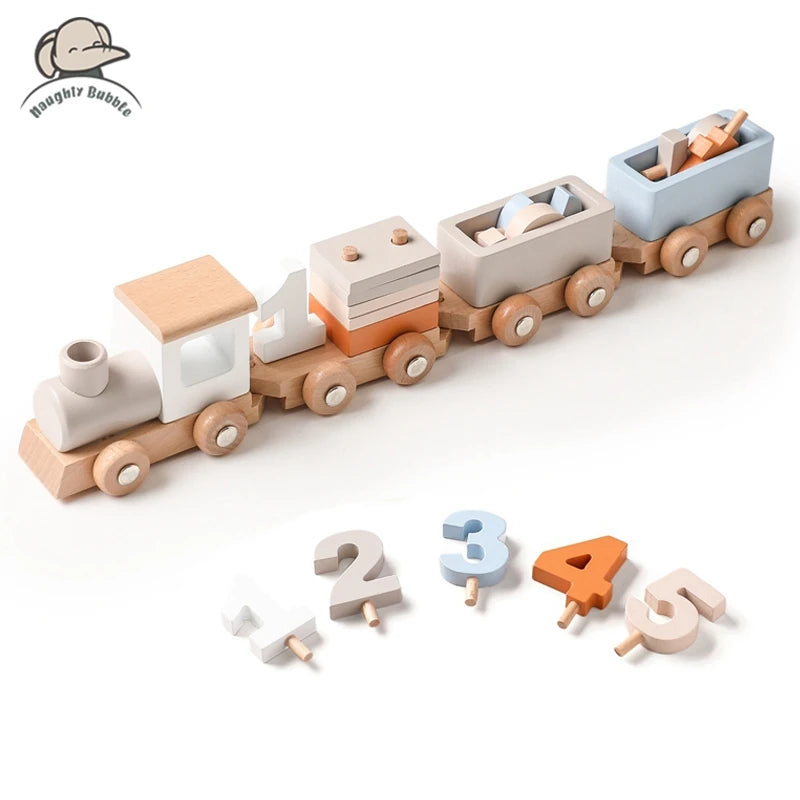
Ways to improve toddler fine motor skills with engaging toys 💡 See it in action
👉 Get yours now — limited stock!
FAQs
What are the best toys for fine motor skills?
Toys that require grasping, stacking, threading, and coordination—like blocks, beads, and train sets—are among the most effective for developing fine motor skills in toddlers.
How can I improve my toddler’s fine motor skills at home?
Use hands-on toys, encourage self-feeding, drawing, and simple tasks like stacking or sorting objects to strengthen finger control and coordination.
Why are some toys not improving fine motor skills?
Many toys focus on passive entertainment rather than active engagement, which limits opportunities for developing hand strength and coordination.
Pillar Article: educational toys for 4 year olds: Montessori vs Traditional Best Picks
Other Related Articles:
- educational toys for 6 year olds: Top Picks vs Real Learning Impact
- educational toys for 3 year olds: Best vs Worst Value Toys Reviewed
- great toys for 2 year olds: Top Picks Compared for Learning Value
- learning toys for 5 year olds: Best Educational Toy Comparison Guide
Explore More:





