

Electric Breast Pumping 101: Step-by-Step Guide for New Moms
Electric breast pumping can feel overwhelming at first, but once you understand how a quiet breast pump, a bpa free electric breast pump, and the right pumping accessories work together, the whole routine becomes far simpler and more comfortable—so what unexpected benefit will surprise you most?
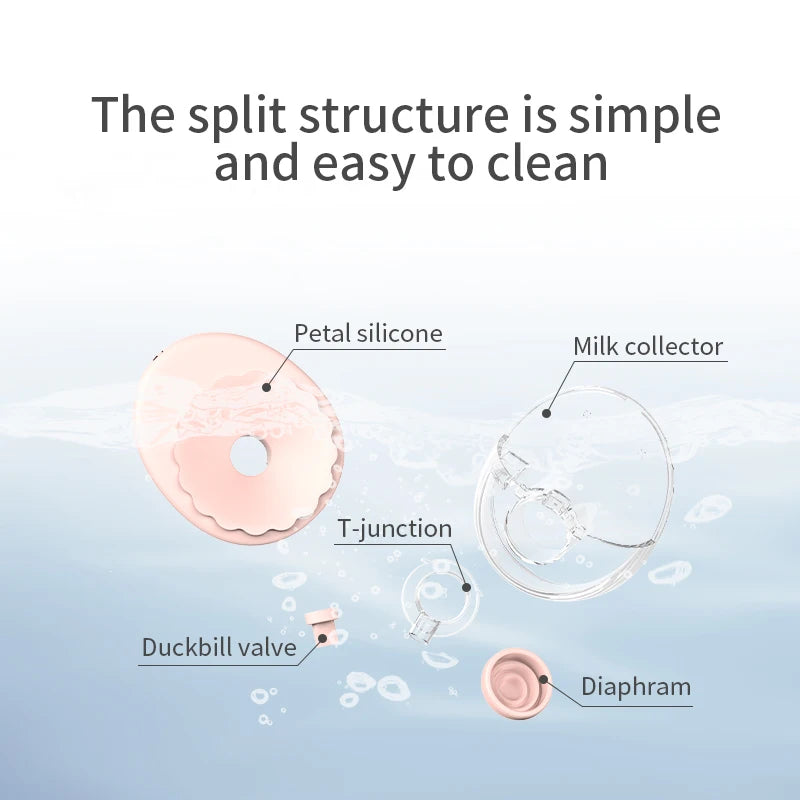
💡 See a quiet breast pump and bpa free electric breast pump in action
What Is Electric Breast Pumping?
Electric breast pumping is the use of a motorized device to express breast milk efficiently. Unlike manual pumps, a quiet breast pump allows you to pump discreetly without disturbing your baby or your surroundings. Modern pumps are designed to be BPA-free and compatible with various pumping accessories for comfort and convenience.
Does electric breast pumping really work?
Yes! Electric breast pumping can save time, maintain milk supply, and reduce strain. With a quiet and BPA-free design, mothers can pump comfortably at home or on the go, especially when paired with proper pumping accessories for better efficiency and hygiene.
Benefits of Electric Pumping
Using an electric pump offers multiple advantages for new moms:
- ✅ Faster milk expression, saving valuable time.
- ✅ Gentle suction for comfort and less nipple soreness.
- ✅ Quiet operation for discreet pumping.
- ✅ BPA-free construction ensures milk safety.
- ✅ Compatibility with pumping accessories for easy customization.
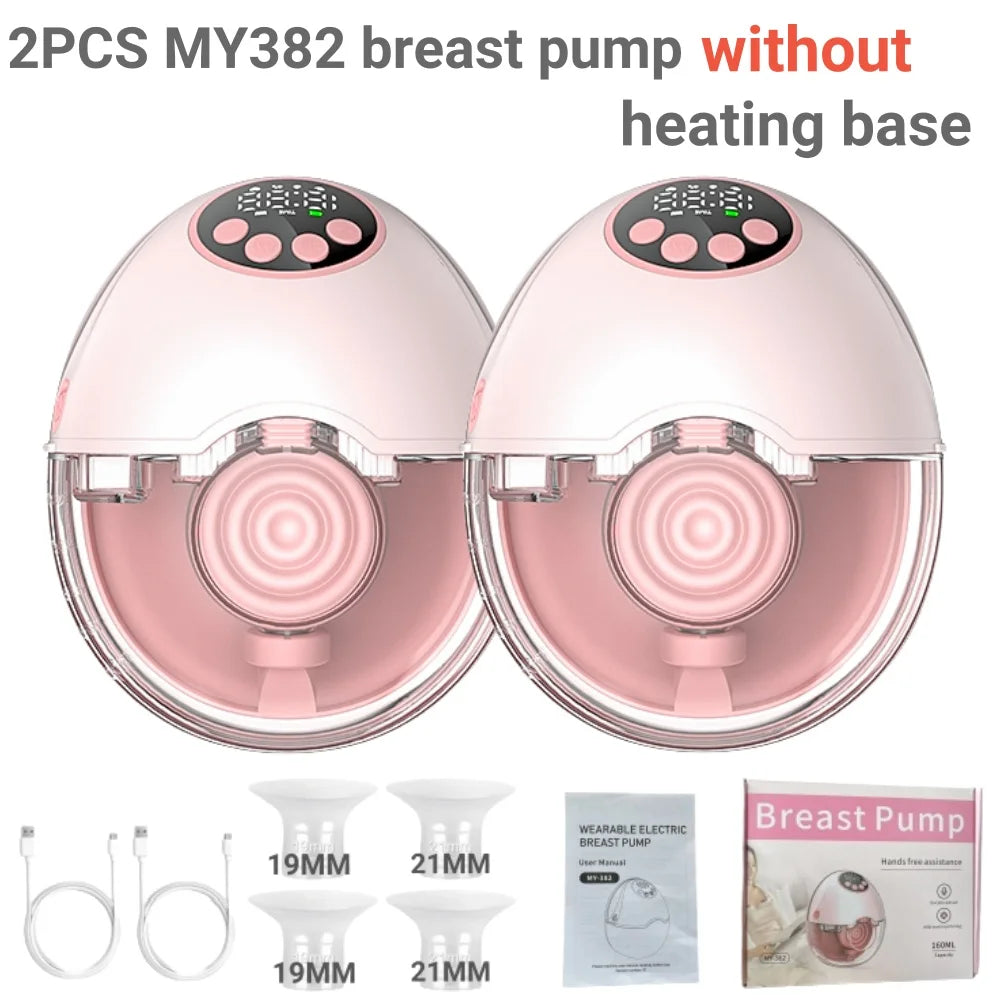
💡 Enhance your routine with bpa free electric breast pump + pumping accessories
Step-by-Step Guide to Electric Breast Pumping
Follow these steps to maximize efficiency and comfort:
- Wash your hands and sterilize the pump parts using sterilization devices.
- Assemble your BPA-free electric breast pump and ensure all connections are secure.
- Choose the right suction level; start low and gradually increase to comfort.
- Position the breast shield properly over your nipple to create a good seal.
- Start pumping, alternating sides if needed, and let the pump run until milk flow slows.
- Store the milk safely in BPA-free containers or breast milk storage bags.
- Clean all parts thoroughly after each session.
Tips for hands-free pumping
- Use a supportive pumping bra or hands-free accessory from Breastfeeding Aids.
- Keep a small cooler or storage bag nearby for immediate milk storage.
- Stay hydrated and relaxed—stress can affect milk flow.
Choosing the Right Pumping Accessories
Pumping accessories enhance comfort and efficiency:
- Breast shields in various sizes to prevent soreness.
- Milk storage containers and bags for safe milk preservation.
- Hands-free bras or straps for multitasking.
- Cooling bags for travel or daycare transport.
Check out Breastfeeding Aids for the latest accessories that fit your lifestyle.
Common Challenges and Solutions
| Challenge | Solution |
|---|---|
| Low milk output | Ensure proper latch on the pump and try double pumping. |
| Nipple discomfort | Use correct shield size and gentle suction settings. |
| Noisy pumping | Invest in a quiet breast pump for discreet sessions. |
| Time management | Schedule pumping sessions and use hands-free accessories to multitask. |
FAQ
How often should I use an electric breast pump?
Most new moms benefit from pumping every 2-3 hours, aligning with the baby’s feeding schedule to maintain supply.
Can I travel with an electric breast pump?
Yes! BPA-free electric pumps are lightweight and portable. Pair with pumping accessories for easy travel.
Is electric pumping safe for my baby’s milk?
Absolutely. Use a bpa free electric breast pump and sterilize all components after each session to ensure safety and hygiene.
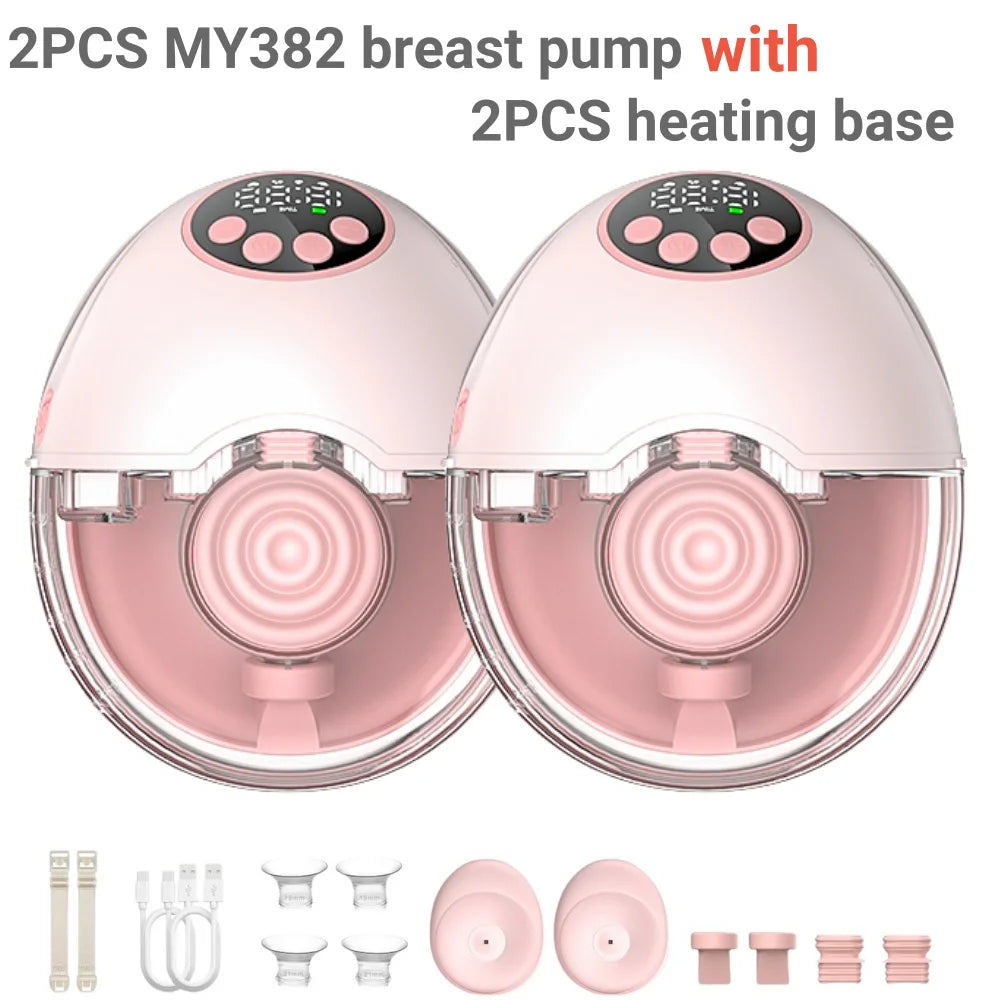
💡 Boost your milk supply with quiet breast pump + BPA-free electric design
Pillar Article: How to Increase Milk Flow: Proven Tips for Consistent Supply
Other Related Articles:
- Storage of Breast Milk Guidelines: Step-by-Step for Fresh Milk
- Breastfeeding for Working Moms: Effective Pumping Strategies
- Breast Milk Safety Tips: How to Store and Handle Milk Correctly
Explore More:





