

Does electric pumping really help increase milk flow?
Yes — using the right electric breast pumping routine and accessories can improve milk expression and support a consistent supply. Focus on frequent, effective removal (breastfeeding or pumping), comfort-driven settings, proper flange fit, relaxation techniques, and small lifestyle adjustments to boost how to increase milk flow reliably.
⏱ 18 min readHow to Increase Milk Flow: Proven Tips for Consistent Supply
Feeling frustrated by slow pumps or unpredictable output? You’re not alone. Many new moms worry about supply, juggling work, sleep, and baby care. This practical guide explains step-by-step tactics—comfort settings, milk expression technique, posture, and the best pumping accessories—to help you increase milk flow, pump more efficiently, and feel more confident while feeding or returning to work.
Why milk flow matters (and what “supply” really means)
Milk flow is the moment-to-moment rate of milk removal; supply is the ongoing production level your body maintains. Regular, effective removal (suckling or pumping) is the signal your body uses to make more. In short: the more effectively milk is removed, the better chance you have to increase milk flow and sustain supply.
Explore trusted picks to keep baby engaged while you pump or rest.
Quick answer: How to increase milk flow
To increase milk flow, prioritize frequent, effective milk removal, use correctly sized flanges, choose a pump with adjustable comfort settings, hydrate and rest when possible, and add gentle stimulation (hand expression, breast compressions). Small, consistent changes often yield faster improvements than dramatic one-off tricks.
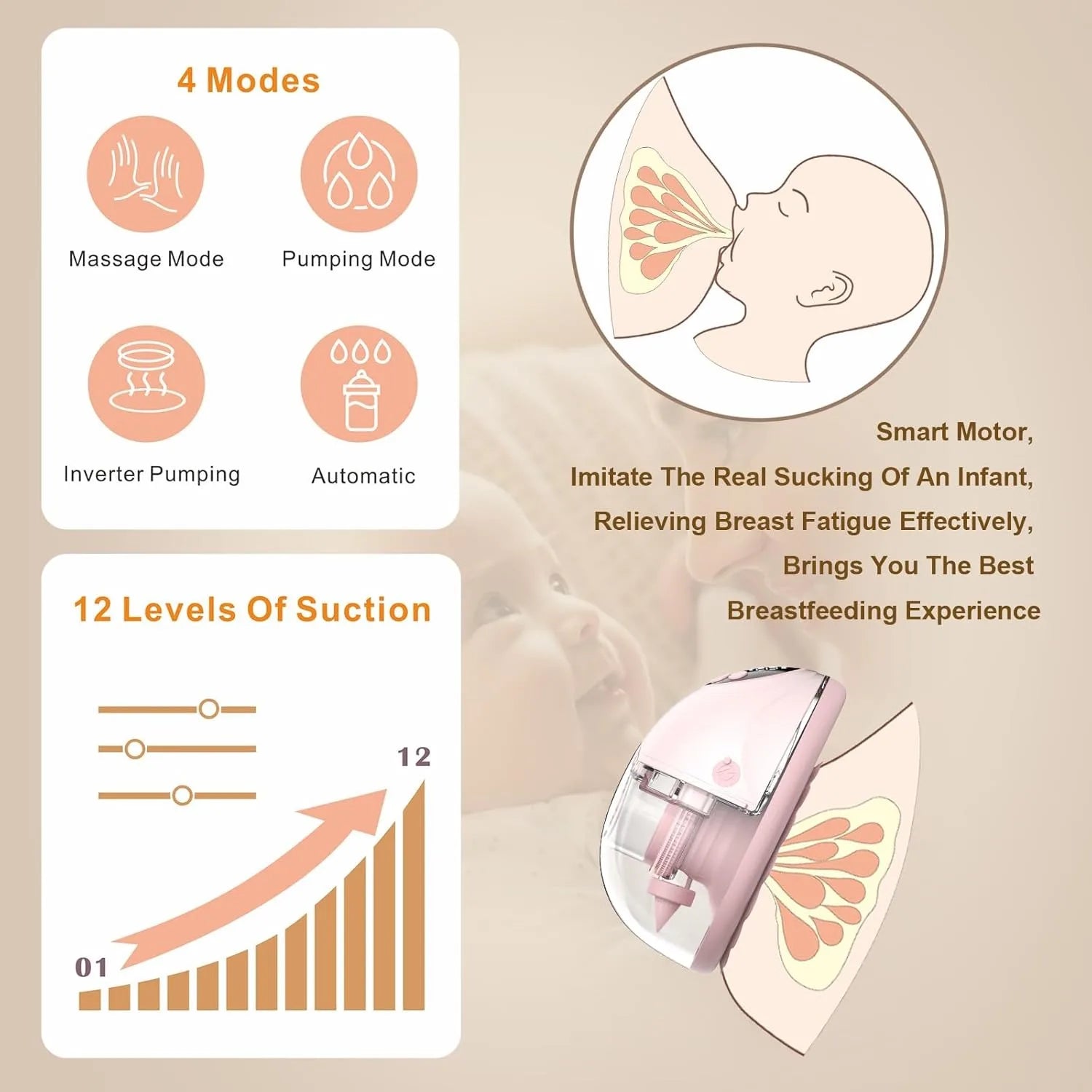
how to increase milk flow + milk expression — 💡 See it in action
Step-by-step pumping & expression routine (ordered list)
Follow this practical routine every time you pump or express to build a consistent signal for more milk production.
- Start with a brief warm compress or skin-to-skin for 2–5 minutes to encourage letdown.
- Do 1–2 minutes of gentle breast massage, moving from chest toward the nipple.
- Begin pumping on a “stimulation” setting (fast, light suction) for 2–5 minutes to mimic baby’s initial nursing pattern.
- Switch to a slower, stronger suction (expression mode) once milk begins to flow. Pump for 15–20 minutes or until output declines significantly.
- Use breast compressions during the session to empty pockets of milk—press and hold for 10–20 seconds repeatedly.
- Finish with 1–2 minutes of hand expression to remove residual milk and send an “empty” signal to your body.
- Store milk safely or offer to baby. Track sessions so removal stays frequent (every 2–3 hours when establishing supply).
Why this order works
Babies nurse in two phases: quick stimulation to trigger letdown, then slower, deeper suckling to remove milk. Mimicking that pattern with an electric pump and massage improves immediate flow and long-term supply.
Comfort & fit: the #1 hidden factor to increase milk flow
Many moms assume pump power matters most, but an ill-fitting flange or poor positioning is the real flow killer. Discomfort causes clogged ducts, inefficient drainage, and stress—all of which slow production.
How to check flange fit
- Center the nipple in the tunnel; if the areola is pulled into the tunnel a lot, the flange is too large.
- If the nipple rubs the tunnel sides or feels squished, try a larger flange size.
- Look for smooth, rhythmic milk ejection—small, steady drops at first, then a steady flow.
- Comfortable suction settings are key—if it hurts, lower suction or use a softer flange cushion.
If you use a hands-free system, make sure the pump stays stable and the flange seals are intact—air leaks reduce suction and efficiency.
Equipment essentials & accessories that help increase milk flow
Modern pumps and accessories can make a big difference in how fast you get milk out and how often you choose to pump.
Must-have items
- Quiet, reliable electric pump: A pump with adjustable stimulation and expression modes helps mimic baby and improves letdown.
- Correct flange sizes and soft cushions: For comfort and better seal.
- Pumping cushions or padded bras: Hold flanges steady and enable hands-free sessions so you can relax or multitask.
- Spare bottles and tubing sets: Rotate so you always have clean parts ready.
- Cooling bag / insulated cooler: Keep expressed milk fresh when you’re on the go.
Looking for a tool that simplifies hands-free pumping? Try our hands-free electric breast pump for ease of use during work breaks or evening routines.
Find pump features that match your daily rhythm—quiet motor, adjustable cycles, and easy-clean parts.
Pumping cushions: comfort that helps output
Pumping cushions add softness, improve the seal, and reduce nipple friction. When your body feels comfortable, oxytocin (the letdown hormone) releases more easily—so you’ll often see better initial flow.
Breastfeeding and working full time: a practical plan
Balancing a career and breastfeeding is possible with planning, employer support, and realistic expectations. The key is maintaining regular removal and protecting time for pumping.
Simple schedule when returning to work
- Before work: pump as close to the last feed as possible to top up supply.
- At work: plan for 2–3 pumping sessions (every 3–4 hours) depending on baby’s age and your supply needs.
- After work: add an extra pumping session or longer evening session to compensate for missed daytime feed cues.
Discussing a private pumping space and short breaks with your employer ahead of time reduces stress and helps you stick to the plan.
To bring or to freeze: storage basics
- Use labeled bottles or bags; keep a simple rotation so oldest milk is used first.
- At room temperature (68–72°F): 4 hours is safe for freshly expressed milk; in a cooler with an ice pack, up to 24 hours.
- In the freezer: standard freezer compartments last 3–6 months; deep freezers can keep milk 6–12 months.
Nutrition, hydration, and lifestyle habits that support supply
There’s no single “magic” food, but a balanced approach helps. Hydration, nutrient-rich meals, and rest are the foundation for steady milk production.
Practical nutrition tips
- Eat regular meals with whole grains, healthy fats, lean protein, and colorful vegetables.
- Include iron-rich foods (lean meat, beans, leafy greens) to prevent fatigue-related dips in supply.
- Snack smart: nuts, yogurt, oats, and banana + nut butter are portable, calorie-dense, and useful between sessions.
- Discuss supplements with your healthcare provider if you suspect low levels of vitamin D, iron, or others.
Hydration and rest
Drink to thirst and add a small extra glass before and after pumping sessions. While total sleep may be limited with a newborn, micro-rests and shared nighttime caregiving help preserve energy and reduce stress.
Techniques to stimulate letdown and improve immediate milk expression
Small tactile and sensory rituals send strong signals to your brain that it’s time to feed. Try several and keep what works.
Top techniques
- Warm compresses: 2–5 minutes before pumping to increase circulation.
- Gentle massage: Circular strokes toward the nipple right before and during pumping sessions.
- Breast compressions: Press and release to speed milk flow when output slows.
- Skin-to-skin: When possible, a few minutes of bare chest contact triggers oxytocin and faster letdown.
- Smell of baby: Keep a piece of baby-worn clothing nearby—familiar scent can help with letdown when separated.
Common myths about increasing milk flow (debunked)
-
Myth: Drinking gallons of water will instantly increase output.
Reality: Hydration helps, but overdrinking won’t push the body to make more milk beyond its physiological limits. -
Myth: Stronger suction equals more milk.
Reality: Comfort and correct flange fit are more important; painful suction reduces effectiveness and hormones for letdown. -
Myth: Pumping more once will fix low supply.
Reality: Consistent, frequent, and effective removal over days is what increases supply.
Quick comparison: common milk-boosting approaches
| Approach | Speed to results | Ease | When to use |
|---|---|---|---|
| Frequent pumping/feeding | Days to weeks | Moderate | Primary method to increase supply |
| Improved flange fit & comfort | Immediate to days | Easy | Always—first fix for low output |
| Herbal supplements (galactagogues) | Variable | Easy | Consider with provider’s guidance |
| Breast compressions & hand expression | Immediate | Moderate | When sessions lag or to empty pockets |
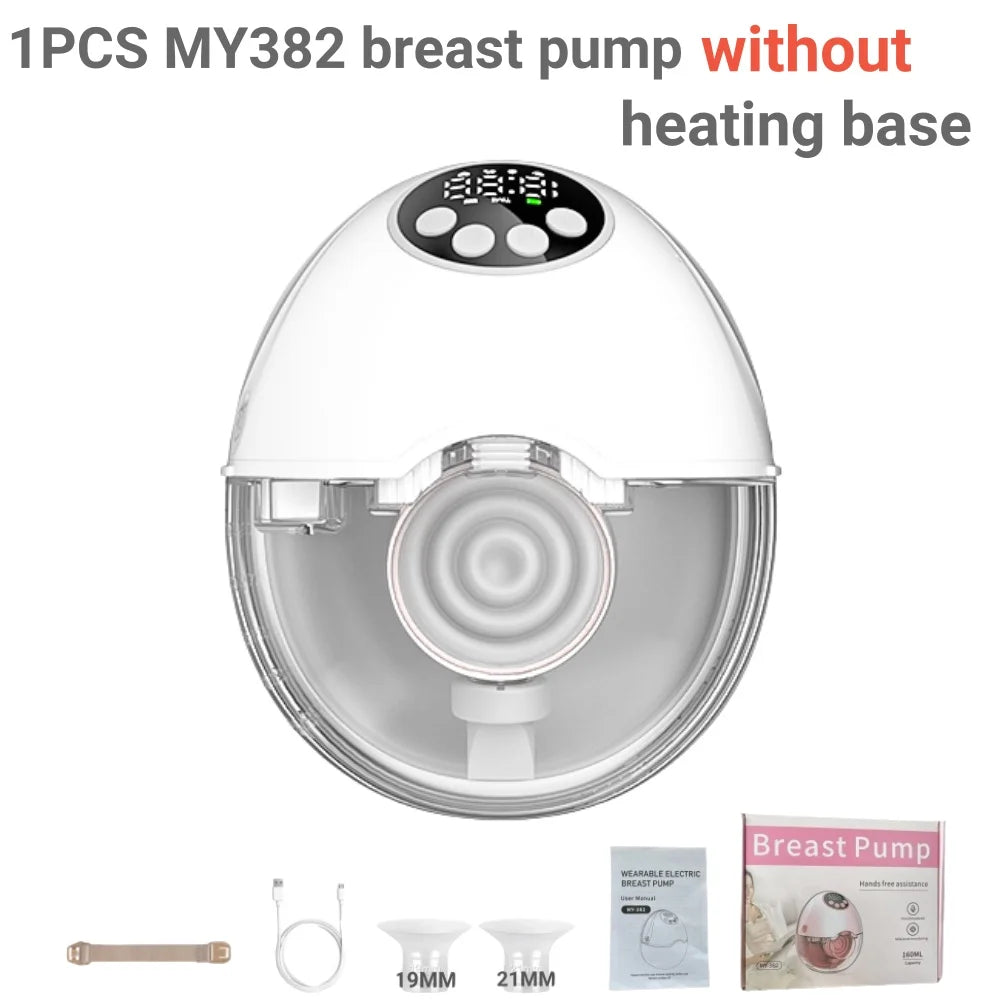
increase milk flow + pumping cushions — 💡 See it in action
Troubleshooting: slow or inconsistent pumping sessions
If sessions feel inefficient, run through this checklist:
- Flange fit correct and comfortable?
- Pump settings appropriate—stimulation then expression?
- Are you relaxed and warm before pumping?
- Have you done hand expression/compression to clear residual milk?
- Any signs of blocked ducts or infection—redness, localized pain, fever? Seek care.
When to contact a lactation consultant or provider
Ask for help if supply stays low after 3–5 days of consistent pumping, if pain or infection symptoms appear, or if baby isn’t gaining weight adequately. A consultant can observe latch and pumping technique and suggest tailored fixes.
Real parent tips and quick wins
Parents often report simple changes have outsized effects—try one at a time and track results.
- “Switching flange cushion to a softer size gave me 30% more in one session.” — new mom
- “Putting on a shirt worn by my baby for the first two minutes helped me get faster letdown at work.” — working parent
- “Adding five minutes of hand massage before pump made the pump feel more effective.” — parent returning to work
Advanced tips for stubborn low output
- Power pumping: Mimic cluster feeding by pumping 10 minutes, resting 10, pumping 10, resting 10, pumping 10 (total ~50 minutes). Do once daily for several days to boost signals for production.
- Double pumping: Use a double electric pump to save time and increase prolactin response.
- Evening pumping: Prolactin tends to be higher at night—longer evening sessions may increase overall daily milk production.
- Swap nursing: Offer both breasts during a single feeding; this can increase stimulation and signal production.
Safety and hygiene when expressing milk
Clean, well-maintained equipment protects baby and keeps sessions efficient. Replace parts per manufacturer guidance and sterilize bottles and connectors regularly.
- Wash hands before pumping or expressing.
- Air-dry parts on a clean rack; store in a sealed container if not using immediately.
- Replace soft cushions and tubing if they crack or discolor.
Cost vs. value: picking the right pump for your needs
High-end pumps aren’t necessary for every mom, but features to prioritize include adjustable cycle patterns, quiet motors, comfortable flanges, and easy cleaning. If you plan to pump for months while working, investing in a reliable, quiet electric pump often pays off in saved time and less stress.
Before you buy: quick checklist
- Is the pump easy to disassemble and clean?
- Does it offer both stimulation and expression modes?
- Are replacement parts readily available?
- Is the pump motor quiet enough for your environment?
- Does the manufacturer offer a warranty or customer support?
Explore related gear in our Breastfeeding Aids collection to find cushions, replacement parts, and accessories that keep sessions smooth.
Make the switch to a more comfortable pumping setup today and see the difference in output and confidence.
Sample daily plan for a parent breastfeeding and working full time
- 6:00 AM — Early feed with baby or 15–20 minute pump session.
- 9:00 AM — Pump at work (stimulation + expression, 20–25 minutes).
- 12:00 PM — Pump at lunch (15–20 minutes).
- 3:30 PM — Short pump session (15 minutes) or feed if available.
- 7:00 PM — Longer evening pumping session or full feed with baby.
- Before bed — Optionally pump again if supply is a concern.
Mini FAQ
-
How often should I pump to increase supply?
For establishing supply, aim for every 2–3 hours (8–12 times/day). When returning to work, 2–4 pumping sessions during the day plus early morning and evening sessions helps maintain supply.
-
Does hand expression actually help?
Yes. Hand expression and breast compressions remove residual milk that a pump may miss, helping empty the breast and send a “make more” signal to your body.
-
Are there foods or herbs that always increase milk?
Some moms find fenugreek, oats, or brewer’s yeast helpful, but results vary and supplements should be discussed with your healthcare provider—especially if you have health conditions or take medications.
-
What if pumping is painful?
Check flange size and latch, reduce suction, try a different cushion, and consult a lactation specialist if pain continues—pain is not normal and can signal an underlying problem.
-
Can stress reduce milk flow?
Yes. Stress and fatigue can reduce oxytocin release and slow letdown. Using relaxation tools—deep breathing, warm compresses, or a short walk—can help restore flow.
Final notes: small changes, steady progress
Improving milk flow usually comes from consistent, small adjustments: better flange fit, regular removal, comfortable settings, and simple rituals that trigger letdown. Track sessions and output for a week, try one change at a time, and celebrate small wins. If challenges persist, reach out to a lactation professional—support is available and effective.

how to increase milk flow + pumping accessories — 💡 See it in action
Try one change today
Pick one small improvement—correct flange fit, a 5-minute warm compress before pumping, or a quieter pump with adjustable modes—and test it for 3–7 days. Small steps add up to consistent results.
Related collections: Mom Essentials · Feeding & Nursing · Breastfeeding Aids
Structured FAQ (schema-ready)
How can I increase milk flow quickly?
Use a warm compress, do 2–5 minutes of massage, start pumping on stimulation mode, switch to expression mode, add breast compressions, and finish with hand expression. Repeat consistently.
Is pumping as effective as feeding to increase supply?
Direct feeding is most efficient for many babies, but double pumping with correct technique can match or exceed single-breast removal and supports supply, especially when combined with skin-to-skin and regular sessions.
When should I see a lactation consultant?
If supply remains low after a week of consistent, correct pumping, if you have persistent pain, or if baby isn’t gaining weight well, contact a lactation consultant or healthcare provider.
Related Articles:
- Storage of Breast Milk Guidelines: Step-by-Step for Fresh Milk
- Breastfeeding for Working Moms: Effective Pumping Strategies
- Breast Milk Safety Tips: How to Store and Handle Milk Correctly
- Electric Breast Pumping 101: Step-by-Step Guide for New Moms
Pillar Articles:
- Breast Pump Quiet Reviews: Top Models Moms Recommend
- Breastfeeding Tips for First Time Moms: Tailored Strategies That Work
- Breast Pump Travel Guide: Choosing the Right Pump for Your Trips
- Double Breast Pumps Electric: Features That Maximize Milk Output
- Best Wearable Breast Pump 2025: Reviews and Top Picks for Moms
- Hands-Free Electric Breast Pump Reviews: Which Model Fits Your Lifestyle





