

Does breastfeeding for working moms really work?
Answer: Yes — breastfeeding for working moms is achievable with a clear pumping plan, reliable storage routines, and the right tools. Prioritize consistent pumping schedules, safe breast milk storage guidelines, and a portable hands free electric breast pump to maintain supply and make feeding at work simple and stress-free.
⏱ 8 min readBreastfeeding for Working Moms: Effective Pumping Strategies
Balancing a career and nursing feels like juggling on a tightrope: you want to protect your milk supply, keep milk safe, and make feeds predictable. This guide gives step-by-step pumping routines, safety-focused milk handling tips, hands-free options, and simple habits that preserve nutrients while saving time and stress.
Why a pumping plan matters
Working full time doesn't mean you need to stop breastfeeding. A thoughtful plan preserves milk supply, reduces stress, and prevents waste. A plan also helps you choose the right equipment—like a portable breast pump hands free model—for your schedule and commute.
Quick answer: breastfeeding while working
Breastfeeding while working works best when you pump at roughly the same intervals your baby feeds, store milk safely, and use a pump that fits your lifestyle. Short on time? A hands free electric breast pump paired with simple fridge storage rules can reduce pumping time and emotional load.
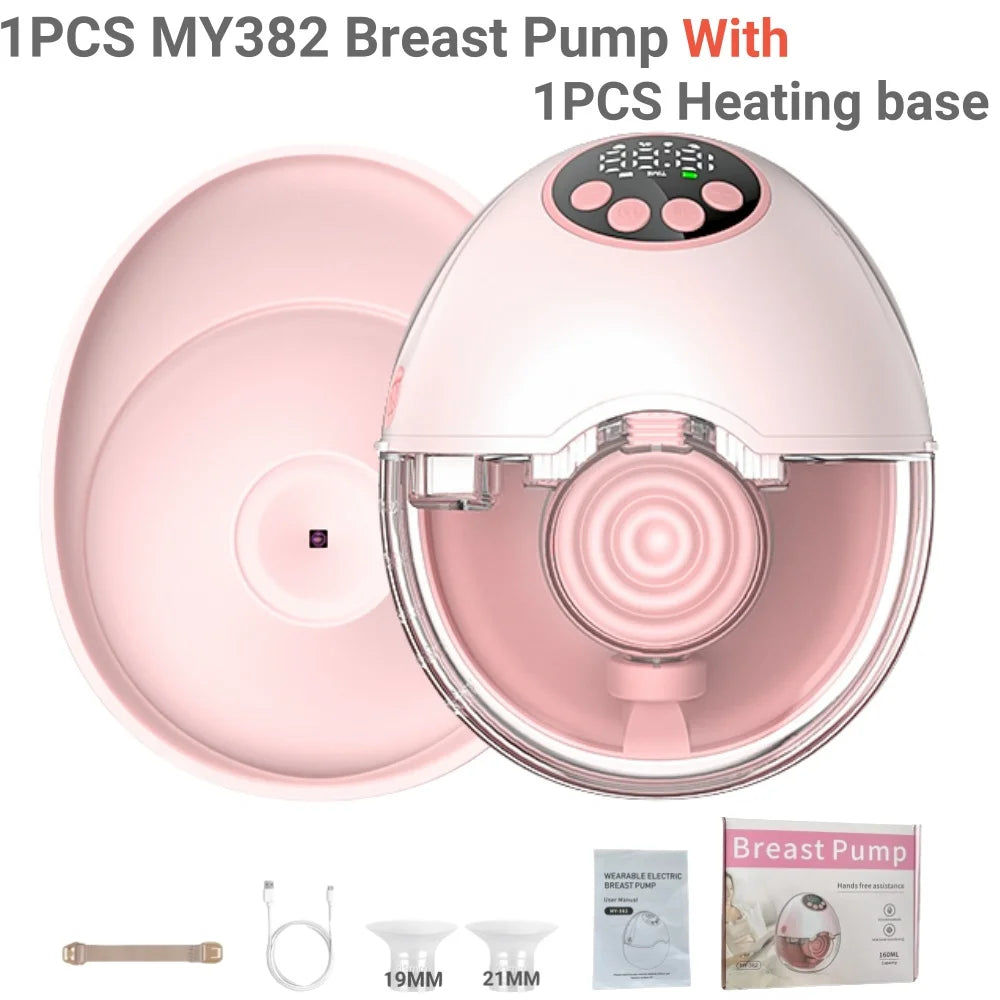
breastfeeding for working moms + breastfeeding while working — 💡 See it in action
How to set a pump schedule that keeps supply
Consistency is the single most important factor for milk supply. Replicate your baby's feeding rhythm when possible.
Step-by-step daily pumping schedule
- Morning pump (upon waking): your fullest supply — aim for 15–20 minutes.
- Mid-morning (2–3 hours later): 10–15 minutes to mimic baby’s feed.
- Lunch pump: quick 10-minute session; focus on comfort and efficient flange fit.
- Afternoon (2–3 hours after lunch): another 10–15 minutes session.
- Evening/night: feed at home and pump once after baby sleeps to maintain supply.
Tip: If your workplace allows two 15–20 minute breaks plus a lunch break, you can preserve supply with three daytime pumping sessions. If your commute is long, pack a small cooler and frozen ice packs per milk transport tips below.
Gear that makes pumping easier (and actually gets used)
Choose tools that reduce friction: fast-clean parts, quiet operation, and hands-free options for multitasking.
- Hands-free electric breast pump: frees your hands for emails or a snack; consider a model compatible with hands-free shields.
- Portable breast pump hands free: small, battery-powered units are handy for short breaks or travel.
- Milk storage bottles and labels: pre-label with date/time to rotate oldest milk first.
- Sterilization devices and Sterilization Devices for nightly deep-clean cycles.
- Bottle warmers for fast, even warming at home or in a break room — see Bottle Warmers.
Comparison: pros & cons at a glance
| Type | Pros | Cons |
|---|---|---|
| Hands-free electric | Multitask-friendly, consistent suction | Higher cost, needs charging |
| Portable hands-free | Discreet, lightweight | Lower suction for some users |
| Double electric (traditional) | Fast, efficient volume | Less discreet, bulkier |
Breast milk safety & storage guidelines
Safe handling protects nutrients and prevents waste. Follow simple temperature and timing rules.
Quick rules for expressed breast milk
- Room temperature (up to 77°F / 25°C): use within 4 hours.
- Fridge (39°F / 4°C or below): store up to 4 days; ideally use within 3 days for best nutrients.
- Freezer (at -4°F / -20°C): up to 6 months best quality, 12 months acceptable.
- Thawed milk (refrigerated): use within 24 hours; never refreeze once thawed.
Heating and sterilization
Gently warming milk preserves immune components. Avoid microwave heating. Use warm water baths or Bottle Warmers for even warmth. UV sterilization devices can be used for pump parts or utensils—see Sterilization Devices for options.
Hands-free pumping: real-life tips that save time
Hands-free pumps are a game-changer for working parents who need to respond to messages, eat, or type while pumping.
- Wear a well-fitting, supportive pumping bra—comfort equals longer, more effective sessions.
- Practice at home first to dial in suction levels and flange fit before using at work.
- Use a small towel under the pump to catch leaks; bring spare pump parts in a labeled zip bag.
- Keep an emergency stash of frozen milk in the office freezer if possible—label clearly and rotate.
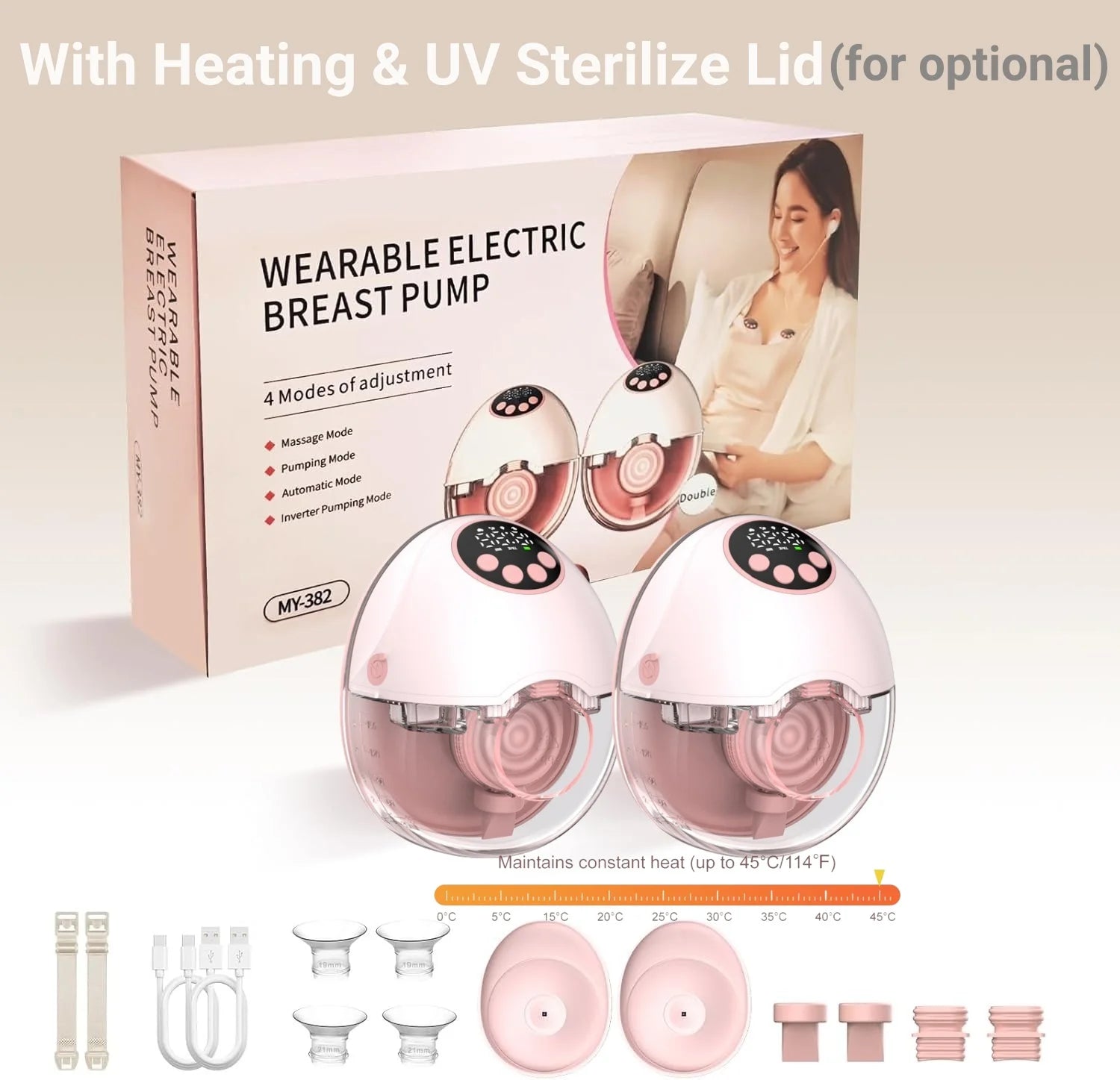
breastfeeding while working + hands free electric breast pump — 💡 See it in action
Pumping at work: privacy, transport, and etiquette
Small workplace conversations now can pay off later. Ask HR about a private lactation room and fridge access.
Transporting milk safely
- Use a cooler bag with frozen ice packs for the commute home; transfer to fridge or freezer immediately.
- Label each bottle with date and time. Use the oldest-first rotation to reduce waste.
- If fridge access is limited, keep milk in a small cooler in your locked desk drawer until you can refrigerate.
Simple etiquette when pumping at work
- Book the lactation room ahead if required.
- Keep sessions efficient — have all parts cleaned and ready to reduce time spent.
- Offer a short note to HR or your manager outlining your plan to reassure them about breaks and storage needs.
Visual comparison: which pump suits your commute?
- Daily long commute: portable breast pump hands free + cooler bag.
- Office with private room: double electric or hands-free electric for speed.
- On-the-go meetings: small, quiet hands-free model you can use discreetly.
Daily pumping checklist (printable)
- Charged pump battery / spare batteries
- Clean flanges and tubing in labeled zip bag
- Pre-labeled storage bottles or bags with dates
- Cooler bag + frozen ice pack
- Sanitizer wipes for the pump surface
What other moms say (real-world wins)
"Switching to a hands-free electric pump changed my workday. I could answer emails and pump during meetings without missing a beat." — Jenna, marketing manager
"A strict schedule and good labeling cut my milk waste in half." — Maria, nurse
Before/after: many parents report reduced pumping time by 20–30% after switching to a hands-free setup and following a strict schedule.
Mini FAQ
-
How often should I pump at work?
Ideally every 2–3 hours to match your baby's feeding, but three well-timed sessions can keep most supplies steady.
-
Can I warm frozen milk safely?
Yes — thaw in the fridge overnight, then warm in a bottle warmer or warm water bath. Never microwave.
-
Which pump is best when returning to work?
Choose based on your schedule: double electric for maximum speed, or a hands-free electric/portable hands-free if you need mobility and multitasking.
Final notes & resources
Breastfeeding for working moms is achievable with planning, the right gear, and clear milk safety habits. Use a consistent schedule, invest in a comfortable hands-free option if you multitask, and follow refrigerator/freezer guidelines to protect nutrients and prevent waste. For gear that supports daily use, browse Breastfeeding Aids and Feeding & Nursing.
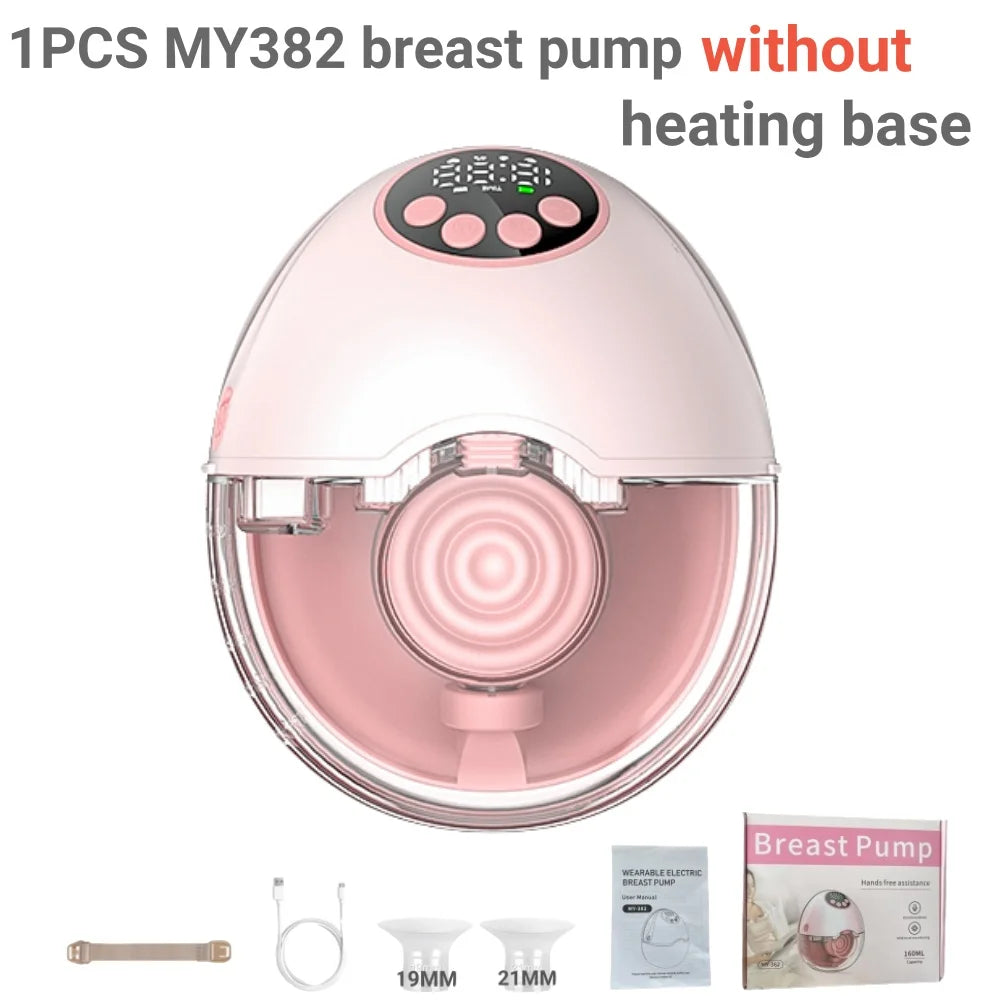
portable breast pump hands free + breastfeeding while working — 💡 See it in action
Quick printable: daily checklist (short)
- Charge pump
- Pack cooler + ice pack
- Label milk
- Pump every 2–3 hours at work
- Transfer to fridge/freezer promptly
Need a hands-free solution?
When you’re ready to try a hands-free electric breast pump built for busy days, the product link below is where to start:
Hands-free electric breast pump
FAQ (schema-ready)
Can I keep breastfeeding when I return to full-time work?
Yes. With a consistent pumping routine, reliable storage, and supportive equipment, most working parents continue breastfeeding successfully.
How should I store expressed breast milk in the fridge?
Store at 4°C/39°F or below and use within 4 days—label each container with date/time and rotate oldest first.
Is hands-free pumping worth it?
For multitasking and discretion, hands-free pumps reduce time pressure and make it easier to stick to a pumping schedule while working.
Pillar Article: How to Increase Milk Flow: Proven Tips for Consistent Supply
Other Related Articles:
- Storage of Breast Milk Guidelines: Step-by-Step for Fresh Milk
- Breast Milk Safety Tips: How to Store and Handle Milk Correctly
- Electric Breast Pumping 101: Step-by-Step Guide for New Moms
Explore More:





