

Breast Pump Quiet Reviews: Top Models Moms Recommend
⏱ 12 min read
Does a truly quiet breast pump exist?
Answer: Yes. A truly quiet breast pump can make nighttime pumping, office sessions, and shared living much more comfortable. The best quiet breast pumps combine a low-noise or silent motor, efficient suction, properly fitted flanges, and vibration-reducing engineering. While no electric pump is completely silent, many modern wearable and portable models operate quietly enough that they blend into normal household background noise without disturbing others.
If you're looking for a quiet electric breast pump that won't interrupt naps, meetings, or late-night routines, this guide compares some of the quietest breast pumps available. You'll learn what actually makes a pump quieter, how quiet mode breast pumps compare with traditional electric models, typical noise levels to expect, and which designs work best for different lifestyles.
What makes a breast pump quiet?
A breast pump's noise level depends on more than its motor. Modern quiet pumps typically use improved motor insulation, smoother suction cycles, vibration-dampening materials, and compact enclosed designs. Wearable pumps also eliminate much of the tubing vibration that older tabletop pumps can produce.
- Brushless or low-vibration motor technology.
- Stable suction cycles that minimize pulsing noise.
- Well-sealed collection cups that reduce rattling.
- High-quality valves and membranes that stay properly aligned.
- Soft silicone components that absorb vibration.
Do quiet mode breast pumps work as well as regular ones?
Yes. Lower operating noise does not automatically mean weaker suction. Many of today's best quiet electric breast pumps provide multiple expression modes and adjustable suction strengths comparable to larger traditional units. Milk output depends far more on proper flange fit, consistent pumping technique, and comfort than on how loud the motor sounds.
Typical breast pump noise comparison by decibel range
| Noise Level | Typical Sound | Pumping Experience |
|---|---|---|
| 35-45 dB | Quiet library or soft whisper | Very quiet wearable and premium portable pumps |
| 45-55 dB | Quiet conversation | Most quality quiet electric breast pumps |
| 55-65 dB | Normal conversation | Many standard electric double pumps |
| 65+ dB | Busy office or louder appliance | Older or hospital-style pumps under higher suction settings |
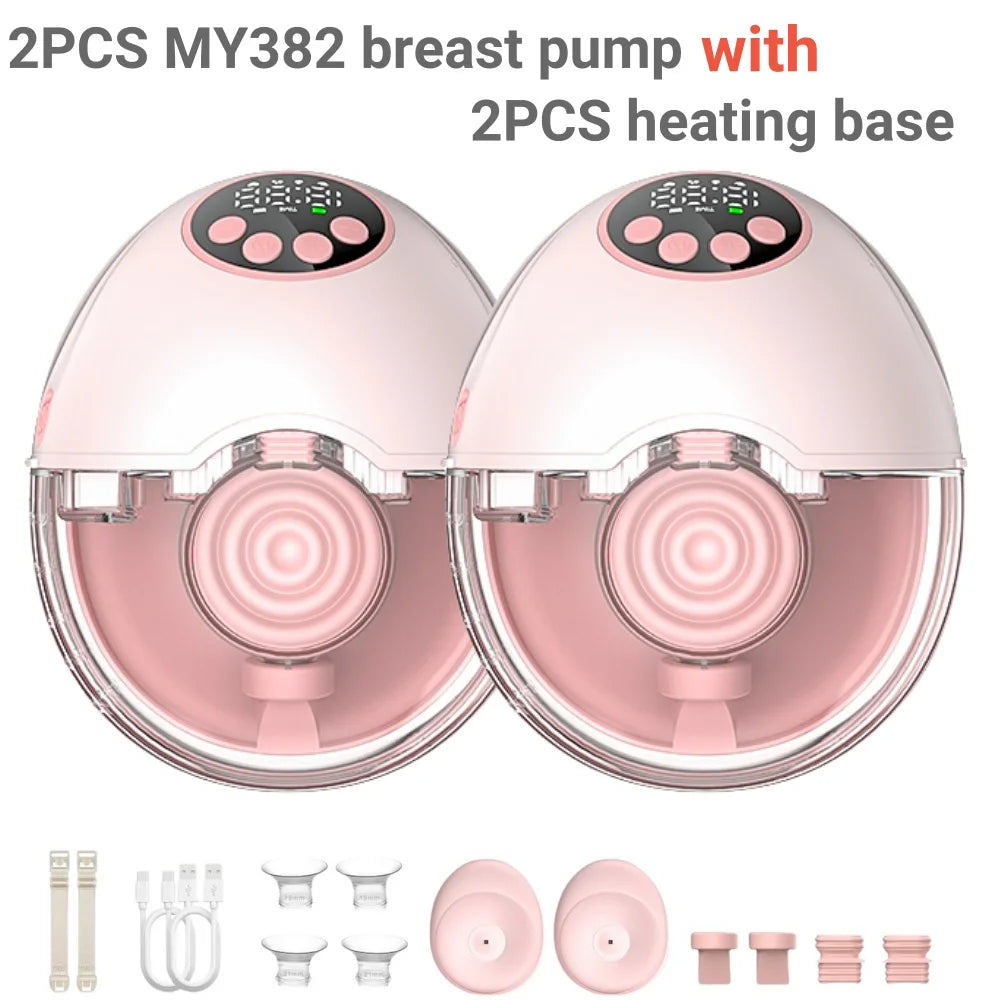
quiet breast pump, silent motor — See it in action
How a quiet pump makes parenting easier
A quieter breast pump offers more than convenience—it can make pumping feel less disruptive throughout the day. Whether you're expressing milk beside a sleeping newborn, pumping during work breaks, or sharing a room with family members, reduced motor noise improves comfort and privacy while helping you stay relaxed during each session.
Common pain points a quiet pump solves
- Reduces the chance of waking a sleeping baby or partner during overnight pumping.
- Provides greater privacy when pumping at work, while traveling, or in shared spaces.
- Creates a calmer environment that may help parents stay relaxed during milk expression.
- Makes multitasking easier with compact wearable designs that reduce bulky tubing and motor noise.
Top quiet electric breast pumps moms recommend
The following quiet breast pumps consistently receive positive feedback for balancing low operating noise, effective suction, portability, and comfort. Each serves a different type of parent, from exclusive pumpers to occasional travelers.
Why nan stands out
nan stands out by combining a near-silent motor with consistent suction performance in a lightweight, wearable design. Parents looking for discreet pumping often appreciate its compact profile, comfortable fit, and ability to support hands-free sessions at home, during work breaks, or overnight without producing the louder mechanical sound common in older electric pumps.
Hands-Free Electric Breast Pump — Best for nighttime pumping
Why moms like it: This wearable design delivers quiet operation while allowing hands-free pumping when paired with a compatible nursing bra. Its compact size, rechargeable battery, and discreet profile make it especially useful for nighttime sessions and multitasking throughout the day.
- Best for: Nighttime pumping, multitasking, and everyday portability.
- Pros: Quiet motor, comfortable wearable design, portable, simple controls, rechargeable battery.
- Cons: Smaller milk collection capacity than some full-size electric pumps.
Buy or learn more at Hands-Free Electric Breast Pump .
Wearable Mini Pump — Best for on-the-go
Why moms like it: Designed for maximum portability, wearable mini pumps fit discreetly inside most nursing bras while maintaining low operating noise for commuting, errands, or office use.
- Best for: Travel, commuting, and occasional pumping away from home.
- Pros: Compact, lightweight, battery powered, discreet, low-noise operation.
- Cons: May offer less suction than larger hospital-grade electric pumps for some users.
Double Electric Pump (Compact) — Best value for frequent pumping
Why moms like it: Compact double electric pumps provide efficient milk removal while using improved sound insulation to operate noticeably quieter than many older tabletop units.
- Best for: Frequent pumping, establishing supply, and working parents.
- Pros: Strong adjustable suction, efficient dual pumping, quieter motor than many previous-generation models.
- Cons: Larger footprint and more components than fully wearable breast pumps.
How to choose the best quiet electric breast pump
The best quiet electric breast pump should match your pumping routine, comfort needs, and daily schedule—not just advertise a silent motor. Comparing noise levels alongside suction performance, flange fit, portability, and maintenance will help you choose a pump that stays comfortable and effective over months of regular use.
1. Noise level — compare decibels whenever possible
Manufacturers do not always publish official decibel ratings, so look beyond marketing terms like "whisper quiet" or "silent motor." Independent reviews, demonstration videos, and real-world recordings often provide a more realistic idea of how loud a pump sounds during both stimulation and expression modes. Remember that increasing suction levels may slightly increase operating noise on any electric pump.
A quiet breast pump should still provide strong, consistent suction. Look for adjustable vacuum levels, multiple pumping modes, and expression patterns that mimic a baby's natural nursing rhythm. Efficient milk removal is far more important than motor volume alone, especially for parents who pump multiple times each day.
3. Flange fit and overall comfort
Proper flange sizing directly affects both comfort and milk output. A poorly fitting flange may cause discomfort, reduce milk expression, and encourage users to increase suction unnecessarily. Pumps that support multiple flange sizes or compatible inserts provide greater long-term flexibility as your needs change.
4. Battery life and portability
If you frequently pump away from home, prioritize rechargeable batteries, lightweight construction, and compact wearable designs. Reliable battery life reduces interruptions and makes discreet pumping easier during work, travel, or overnight sessions without needing immediate access to a power outlet.
5. Cleaning, replacement parts, and compatibility
Choose a pump with easily removable components and readily available replacement valves, membranes, and flanges. Fewer parts generally mean faster cleaning, while compatibility with milk storage bottles, hands-free nursing bras, and sterilization products helps simplify your daily routine.
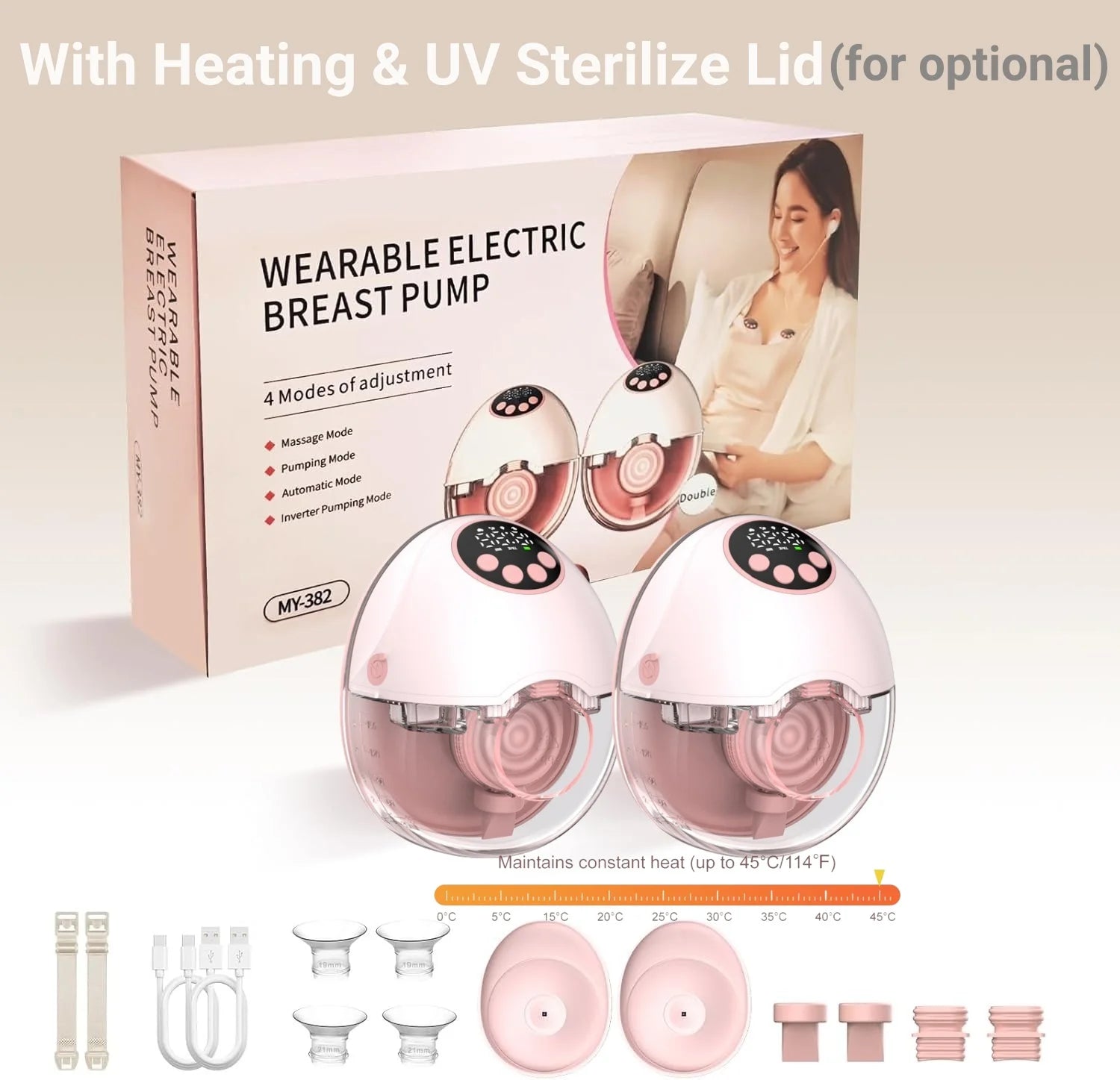
best quiet electric breast pump, quiet breast pump — See it in action
Tips to make any breast pump quieter
Even the quietest breast pump can become noisier if components wear out or the pump is assembled incorrectly. These practical steps can help minimize vibration while maintaining efficient milk expression.
- Begin with stimulation mode: Use short, gentle pulses for the first two to three minutes before switching to expression mode to encourage natural let-down.
- Check flange sizing regularly: Proper flange fit improves comfort and often allows effective pumping at lower suction settings.
- Replace worn valves and membranes: Aging silicone components can increase vibration, reduce suction efficiency, and create extra operating noise.
- Place the pump on a stable, soft surface: A folded towel, silicone mat, or fabric pad helps reduce vibration transferred to tables and countertops.
- Keep all parts clean and properly assembled: Loose connectors or improperly seated components may produce rattling sounds and reduce performance.
- Use a supportive hands-free pumping bra: Keeping collection cups stable reduces movement and improves comfort during longer sessions.
- Create a calm nighttime setup: Dim lighting and organizing supplies before pumping can make overnight sessions quicker and less disruptive.
Quick comparison table — what each pump delivers
| Model | Noise Level | Power Source | Best For | Key Advantages |
|---|---|---|---|---|
| Hands-Free Electric Breast Pump | Very low | Rechargeable battery (approximately 6–8 sessions per charge) | Nighttime pumping, multitasking, daily use | Quiet motor, wearable design, hands-free convenience, portable |
| Wearable Mini Pump | Low | Rechargeable or replaceable battery depending on model | Travel, commuting, office pumping | Compact size, discreet inside clothing, lightweight |
| Double Electric Pump (Compact) | Low to moderate | AC power with battery capability on selected models | Frequent or exclusive pumping | Strong suction, efficient double pumping, reliable milk expression |
Accessories that support quieter, more comfortable pumping
Accessories cannot make a pump completely silent, but they can reduce vibration, improve comfort, and simplify your routine. Choosing compatible accessories also helps maintain consistent suction and minimizes unnecessary movement during pumping sessions.
- Hands-free nursing bra: Keeps wearable or collection cups securely positioned while allowing you to work, read, or care for your baby.
- Soft silicone flange cushions or inserts: Improve comfort and reduce friction during longer pumping sessions.
- Insulated bottle cooler: Helps safely transport expressed milk while traveling or returning from work.
- Sterilization case: Makes daily sanitizing faster and more convenient. See Sterilization Devices .
- Replacement valves and membranes: Regular replacement helps maintain suction performance and prevents pumps from becoming louder over time.
- Milk storage bags and labels: Keep expressed milk organized for refrigeration, freezing, or daycare use.
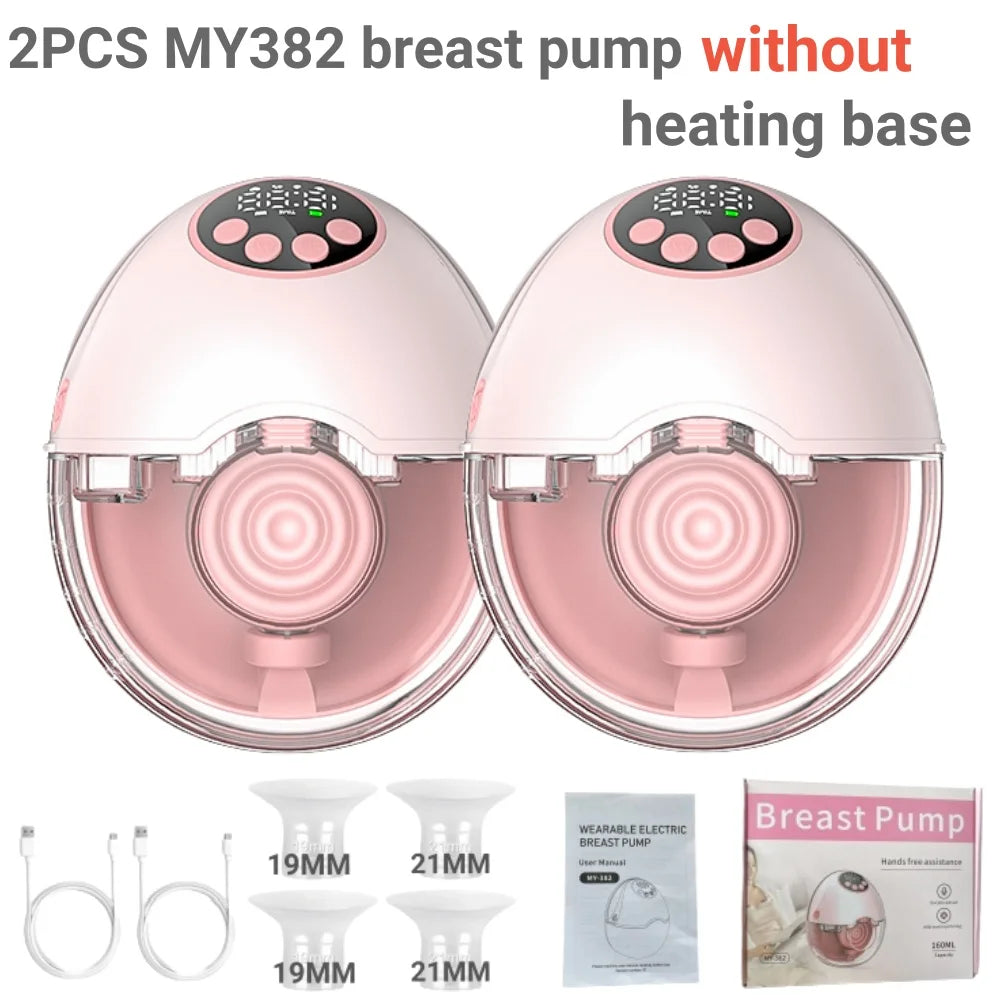
silent motor, pumping accessories — See it in action
If you're looking for a wearable option that prioritizes quiet operation and everyday convenience, learn more about the hands-free electric breast pump .
Extra tips for quieter, safer, and more comfortable pumping
- Pump after feeding or during your usual routine: Establishing a consistent schedule can make let-down easier and help maintain milk supply.
- Place the pump on a padded surface: A folded towel or silicone mat helps absorb vibration and reduces noise transmitted through hard furniture.
- Replace wearable parts regularly: Valves, membranes, and duckbill components naturally wear over time. Replacing them helps preserve suction performance and prevents unnecessary motor strain.
- Keep spare pumping parts available: Extra flanges, bottles, and valves reduce interruptions if a component needs cleaning or replacement.
- Store expressed milk with clear labels: Record the pumping date and time to simplify refrigeration, freezing, and daycare organization.
Safety and cleaning — keeping your pump performing at its best
Routine cleaning protects your baby's milk while also helping your breast pump maintain consistent suction and quieter operation. Milk residue, worn parts, and improper assembly can reduce efficiency and increase operating noise over time.
- Wash every part that comes into contact with breast milk after each pumping session using warm water and dish soap or follow the manufacturer's cleaning instructions.
- Allow components to dry completely before reassembly to reduce moisture buildup.
- Sterilize pump parts daily if recommended for newborns, premature infants, or babies with weakened immune systems.
- Inspect valves, membranes, tubing (when applicable), and connectors regularly for cracks, stretching, or wear, replacing damaged parts promptly to maintain optimal suction.
- Store clean components in a dry, covered container until the next pumping session.
Frequently asked questions
Do quiet mode breast pumps work as well as regular ones?
Yes. A quiet breast pump can be just as effective as a louder model when it offers consistent suction, multiple expression modes, and the correct flange size. Motor noise alone is not an indicator of milk removal efficiency.
What is the quietest wearable breast pump?
The quietest wearable breast pumps typically use compact brushless motors, enclosed sound insulation, and vibration-reducing designs. Hands-free wearable models are often quieter than traditional external pumps because the motor sits closer to the body and produces less noticeable vibration.
What is the quietest portable breast pump for travel?
A lightweight rechargeable wearable pump is usually the best choice for travel. Look for a quiet portable breast pump with USB charging, several pumping sessions per charge, leak-resistant collection cups, and a discreet profile that fits comfortably under clothing.
How many decibels is a quiet breast pump?
Most quiet breast pumps operate around 40–50 dB, roughly comparable to a quiet library or a soft conversation. Actual sound levels vary depending on suction settings, assembly, and the surface beneath the pump.
Are hospital-grade pumps louder than wearable pumps?
Often, yes. Hospital-grade pumps prioritize powerful suction for establishing or maintaining milk supply, and that extra performance can produce more audible motor noise. Modern wearable pumps generally sacrifice a small amount of suction power in exchange for quieter operation and greater portability.
Can I pump beside a sleeping baby without waking them?
In many cases, yes. Pair a low-noise pump with dim lighting, proper flange fit, and a vibration-absorbing surface such as a folded towel or silicone mat. While no pump is completely silent, quieter models are much less likely to disturb light sleepers.
Why has my breast pump become louder over time?
Increasing noise often indicates worn valves, stretched membranes, loose connections, or buildup around moving components. Replacing consumable parts, checking seals, and cleaning according to the manufacturer's instructions can often restore quieter performance.
Does suction strength affect breast pump noise?
Higher suction settings may create slightly more motor and airflow noise, but the difference is usually modest on well-designed pumps. Choosing the highest comfortable suction rather than the maximum setting often provides an excellent balance between milk output and quiet operation.
Final thoughts
Choosing the best quiet breast pump comes down to balancing noise level, suction performance, comfort, portability, and ease of maintenance. Parents who pump during overnight feeds, while working, or during travel often benefit most from a quiet portable breast pump that minimizes distractions without compromising milk expression.
Real-world recommendations by lifestyle
Nighttime pumping
A wearable or hands-free model with a low-noise motor helps reduce household disruptions during overnight sessions. Pairing it with proper flange sizing and a soft surface underneath the pump can further minimize vibration.
Office and work
If you pump during meetings or breaks, prioritize discreet wearable designs, reliable battery life, and quiet operation. Compact collection cups make pumping more comfortable under regular clothing while reducing unwanted attention.
Travel
Frequent travelers should look for a quiet portable breast pump with USB charging, lightweight construction, and minimal parts to clean. A rechargeable battery and compact carrying case simplify pumping away from home.
Exclusive pumping
Parents who pump multiple times each day should focus on long-term comfort, consistent suction, replacement part availability, and efficient double pumping. Quiet operation becomes increasingly valuable when pumping several sessions every day.
If a hands-free solution best fits your routine, you can learn more about the Hands-Free Electric Breast Pump . Evaluating comfort, flange fit, suction quality, battery life, and motor noise together will help you choose a pump that supports both milk production and everyday convenience.
Related Articles:
Pillar Articles:
- Breast Pump Travel Guide: Choosing the Right Pump for Your Trips
- Double Breast Pumps Electric: Features That Maximize Milk Output
- How to Increase Milk Flow: Proven Tips for Consistent Supply
- Best Wearable Breast Pump 2025: Reviews and Top Picks for Moms
- Hands-Free Electric Breast Pump Reviews: Which Model Fits Your Lifestyle





