

Does following breastfeeding tips for first time moms really make full time breastfeeding easier?
Answer: Yes — breastfeeding tips for first time moms that focus on positioning, scheduled milk expression, using a hands free electric breast pump, and comfortable pumping cushions reduce pain, improve milk supply, and make full time breastfeeding more manageable. These practical steps save time, protect comfort, and boost confidence for new mothers.
⏱ 18 min readBreastfeeding Tips for First Time Moms: Tailored Strategies That Work
Starting with breastfeeding can feel equal parts joyful and overwhelming. If you’re a new parent wondering how to make full time breastfeeding sustainable, this guide shares clear, practical strategies — from better latch techniques to using a hands free electric breast pump and pumping cushions — so you can feed with confidence, comfort, and fewer interruptions.
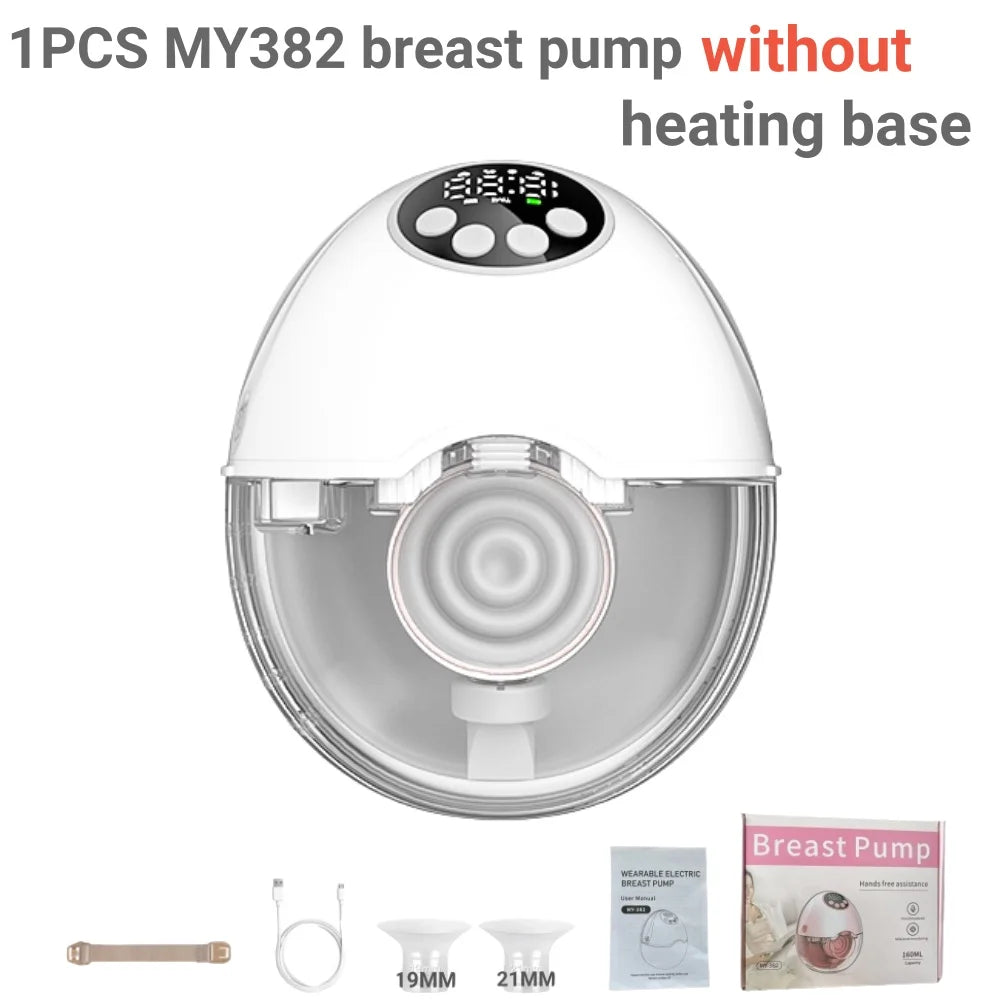
breastfeeding tips for first time moms + hands free electric breast pump — 💡 See it in action
Why this matters: what first-time moms actually gain
Every mom wants to feed her baby safely while protecting her own well-being. The right approach to breastfeeding reduces nipple pain, lowers the risk of mastitis, helps you build a reliable milk supply, and makes day-to-day life less stressful. Practical tips and the right tools mean you spend less time worrying and more time bonding.
Fast wins (if you only try three things today)
- Make sure the latch is deep — it prevents pain and improves milk transfer.
- Use scheduled milk expression (a mix of short pumping sessions and occasional baby-led feeds) to protect supply.
- Get a hands free electric breast pump and pumping cushions to pump comfortably while you rest or multitask.
How to fix latch & positioning: immediate relief
Correct latch is the single biggest change you can make. A shallow latch causes pain and poor milk transfer; a deep latch protects nipples and helps baby get enough milk.
Step-by-step: a latch that works
- Support your breast with a “C” hold, thumb on top, fingers below — but give the areola enough room.
- Bring baby to your breast (not breast to baby). Aim the nipple at the roof of the baby’s mouth.
- Wait for a wide open mouth, then bring baby quickly to your breast so they take plenty of areola into the mouth.
- Listen for rhythmic swallowing and a gentle jaw movement. If it hurts, break suction and try again.
Quick checks: Baby’s chin should touch the breast; more areola should be visible above the top lip than below the bottom lip; baby’s nose and mouth should be aligned.
When to call a lactation consultant
If pain persists beyond the first week, you notice poor weight gain, or you see signs of blocked ducts, a lactation consultant can assess positioning, tongue tie, and more. Local hospital postpartum services or community breastfeeding groups often offer free or low-cost help.
Milk expression basics (pumping & hand expression)
Milk expression is more than a convenience. It’s a strategy to protect supply, share feeding, and return to work confidently. Here’s how to do it well.
How to hand express (simple, no equipment)
- Wash hands and sit comfortably. Put a warm compress on the breast for a few minutes.
- Place fingers in a “C” around the areola and press-back then compress toward the chest wall — don’t rub or slide your fingers.
- Collect drops, then move fingers around the areola to empty other ducts.
Basic pump strategy
Use an assembly that fits, pump in short bursts to mimic baby’s initial quick sucks, then switch to slower stronger strokes. For many moms, 15–20 minutes per session, 2–3 times during daytime and once at night helps protect supply if baby isn’t feeding efficiently.
Tools that help: pumping cushions, hands free electric breast pump, and more
Choosing the right tools is a low-effort, high-impact step. The right pump + comfortable cushions reduce leaks, skin trauma, and fatigue.
Why a hands free electric breast pump helps
A hands free electric breast pump lets you pump while holding baby, working on your laptop, or simply resting. This is especially valuable for full time breastfeeding mothers who still need to express milk during the day.
- Freed hands = more time for skin-to-skin or simple tasks.
- Consistent stimulation helps keep supply steady.
- Discreet options make pumping in public or at work easier.
See a dedicated option here: /products/hands-free-electric-breast-pump
Pumping cushions: comfort matters
Pumping cushions act like a padded adapter — they help create a seal, reduce pressure points, and improve milk flow by aligning the flange more comfortably against your breast. When cushions fit, you feel less fatigue and often collect milk more efficiently.
Comfort strategies for long-term breastfeeding
Comfort is cumulative: small habits add up to weeks of less discomfort and more confidence.
Daily comfort checklist
- Hydrate and eat balanced meals (more proteins and healthy fats on pumping days).
- Use lanolin or recommended nipple balms after each feed (only water to clean nipples before next feed).
- Rotate pillow positions: use one under your arm, one behind your back, and a pumping cushion on your lap for symmetry.
- Wear breathable nursing bras with removable cups for pumping access.
Related gear for comfort and safety: Feeding & Nursing, Sleep & Comfort, and Breastfeeding Aids.
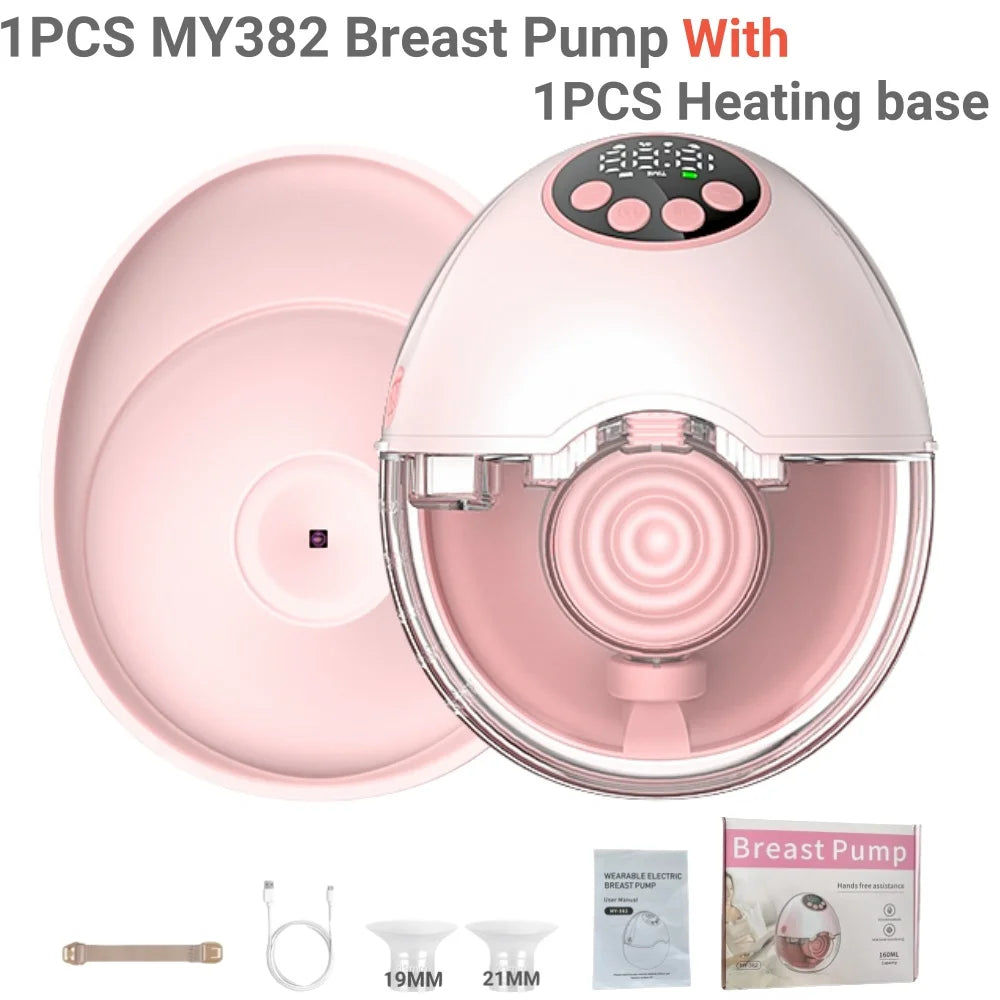
full time breastfeeding + pumping cushions — 💡 See it in action
Balancing feeding schedule, sleep, and full time breastfeeding
Full time breastfeeding often feels like it runs the clock. Planning and small routines preserve sleep and protect supply.
Practical schedule tips
- Cluster feed before long sleep windows: an evening cluster feed can give you a longer stretch of sleep.
- Combine feeds with pumping: pump for 10–15 minutes after a nursing session to top up supply and create a freezer stash.
- Use expressed milk strategically: let partners or caregivers handle one nighttime feeding per week to help you recover.
Protecting sleep
Try to coordinate 1–2 “rest shifts” per week where you focus on uninterrupted sleep — have bottles of expressed milk ready for your partner. Even short stretches of uninterrupted sleep double as powerful recovery.
Compare options: pumps, cushions, and competitor notes
Direct answer: For many new moms, a hands free electric breast pump paired with quality pumping cushions provides the best balance of comfort, output, and convenience — outperforming manual pumps in time savings and hospital-grade units in portability and ease.
| Option | Best for | Pros | Cons |
|---|---|---|---|
| Hands free electric pump | Busy moms, returning to work | Multitask, consistent output, comfortable | Cost, needs cleaning |
| Manual pump | Occasional expression | Cheap, portable | Fatiguing, slow |
| Hospital-grade pump | Moms with low supply or medical needs | Powerful suction, proven | Bulky, expensive, not hands-free |
Short verdict
For everyday life and full time breastfeeding, the hands free electric pump plus pumping cushions is the sweet spot — portable, time-saving, and comfortable for extended use.
Real mom stories & quick case studies
Case study: Jenna, first-time mom — regained control
Problem: Jenna struggled with painful latch and inconsistent daytime supply while balancing a newborn and remote work. Solution: She worked with a lactation consultant for latch fixes, started short, frequent pumping sessions with a hands free electric breast pump at midday, and used pumping cushions for comfort. Result: Within three weeks she had stable supply and a freezer stash that allowed her partner to do one nighttime feeding per week.
Case study: Maria — returning to work
Problem: Maria needed to maintain supply during daycare days. Solution: She introduced scheduled pumps every 3–4 hours, used a hands free electric breast pump for discreet pumping on the go, and labeled frozen milk. Result: Maria maintained supply and felt less anxious about daycare transitions.
How to choose the right gear (checklist)
Picking the right pieces can end the guessing game. Use this checklist when you shop.
- Fit & flange size: Ensure flange size matches your anatomy — ill-fitting flanges reduce output.
- Noise level: Quieter motors are better for discreet pumping at work.
- Portability: Battery options or compact units help if you travel or commute.
- Accessories: Look for pumping cushions, extra valves, and travel cases.
- Cleaning ease: Fewer parts = faster cleaning between sessions.
Want a tested option to start with? Check the product page: /products/hands-free-electric-breast-pump.
Pros & Cons: make a confident decision
| Benefit | Why it matters |
|---|---|
| Hands-free pumping | Saves time and reduces stress — you can hold baby or work while expressing milk. |
| Pumping cushions | Protect nipples and create a better seal for improved flow. |
| Scheduled expression | Stabilizes supply, helps when baby misses feeds, and builds freezer milk. |
Testimonials & proof
“I thought breastfeeding would control me — but learning simple milk expression techniques and getting a hands free electric breast pump changed everything. I pump while working 2–3 days a week and still nurse on demand. The cushions made pumping painless.” — Lauren, 32
“The difference between an uncomfortable pump and one I can use every day is huge. More milk, less stress.” — Priya, 29
How to use your hands free electric breast pump effectively (simple routine)
- Start with a warm shower or compress to increase flow.
- Use cushions and correct flange size for a comfortable seal.
- Begin with short bursts (2–3 minutes) at higher speed to simulate baby’s initial suckling, then lower speed for expression.
- Combine pumping with skin-to-skin after sessions to reinforce supply signaling.
Safety and hygiene: quick rules
- Clean pump parts after each use with warm soapy water and air-dry. Replace valves and membranes when worn.
- Store expressed milk in labeled bottles or bags, use oldest-first, follow storage temperature guidelines.
- Inspect cushions and flanges for cracks and replace periodically.
Evidence & numbers that help you decide
Studies show that frequent, comfortable pumping increases expressed volume over time and helps mothers transition back to work without losing supply. Many lactation specialists recommend combination feeding (nurse + pump) to maintain supply when direct breastfeeding is inconsistent.
Final decision: why this approach reduces last doubts
Combining skilled latch care, strategic milk expression, and supportive gear resolves the three main worries new mothers list most: pain, inadequate milk, and lost time. The hands free electric breast pump + pumping cushions are the bridge between nursing goals and daily realities.
Buy Hands Free Electric Breast Pump
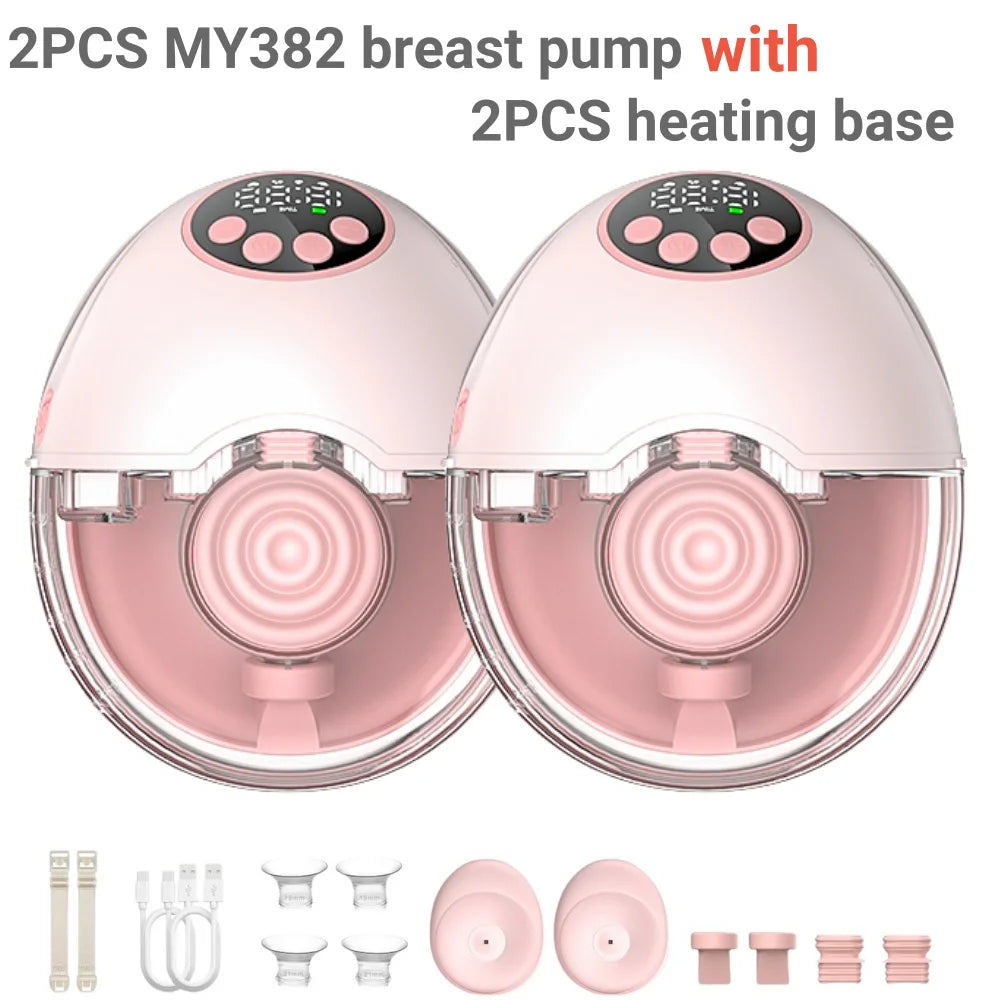
milk expression + pumping cushions — 💡 See it in action
Mini FAQ
- 1. How often should I pump if I’m exclusively breastfeeding?
- Answer: If baby nurses well, pumping is optional. To build a stash or prepare for return-to-work, pump 2–3 times during long days and consider one night session. Keep sessions short and frequent to mimic baby’s pattern.
- 2. Will a hands free electric breast pump reduce my milk supply?
- Answer: No — when used correctly, a hands free electric breast pump supports supply by providing regular stimulation. Ensure correct flange size and pumping schedule to avoid under-stimulation.
- 3. Do pumping cushions really help?
- Answer: Yes — pumping cushions improve comfort and seal, which can increase output and reduce sore nipples. They’re especially helpful for moms with sensitive skin or those who pump frequently.
- 4. Can I use the same pump for occasional and daily pumping?
- Answer: Many hands free electric pumps are suitable for both occasional and daily use, but check motor durability and manufacturer guidance if you plan heavy daily use.
- 5. What if my baby has a tongue tie?
- Answer: A tongue tie can affect latch and supply. A lactation consultant or pediatrician can assess and discuss corrective options if needed.
Extra resources & related collections
For supportive gear and more reading, consider these categories: Breastfeeding Aids, Feeding & Nursing, and Mom Essentials.
Closing — a short plan to start tomorrow
Start with one change: fix latch, or add 10 minutes of pumping after a nursing session. Add one tool — cushions or a hands free pump — and measure progress across two weeks. Small changes compound into reliable routines that protect your sleep, health, and joy as a new parent.
How can I improve milk flow quickly?
Try warm compresses, gentle breast massage toward the nipple, and short pumping bursts, then move to slower expression. Correct latch and skin-to-skin contact also trigger better flow.
Is it normal to need a pump even when exclusively breastfeeding?
Yes. Many breastfeeding parents use pumps to build a milk stash, to let others feed the baby, or to manage supply during work or travel. Pumping complements nursing when done strategically.
What should I look for in pumping cushions?
Look for soft silicone with ergonomic shape, easy-to-clean materials, and compatibility with your pump flanges. Cushions that evenly distribute pressure avoid hotspots and improve seal.
Related Articles:
Pillar Articles:
- Breast Pump Travel Guide: Choosing the Right Pump for Your Trips
- Double Breast Pumps Electric: Features That Maximize Milk Output
- How to Increase Milk Flow: Proven Tips for Consistent Supply
- Best Wearable Breast Pump 2025: Reviews and Top Picks for Moms
- Hands-Free Electric Breast Pump Reviews: Which Model Fits Your Lifestyle





