

Does a digital stethoscope with recording really help you listen better?
A digital stethoscope with recording captures and stores heart and lung sounds so you can replay, compare, and review them in detail. This improves accuracy when identifying faint heart sounds, tracking changes over time, and building confidence during heart sound assessment—especially for learners and busy clinicians.
Digital Stethoscope With Recording: How to Use It Correctly
⏱ 8 min read
Learning to trust what you hear during auscultation isn’t always easy—especially when heart sounds are subtle or patients are restless. A recording-capable stethoscope changes that experience. Instead of relying on memory alone, you can capture, replay, and truly understand patient heart sounds. Are you getting the full picture from every listen?
Explore trusted options in Health & Safety.
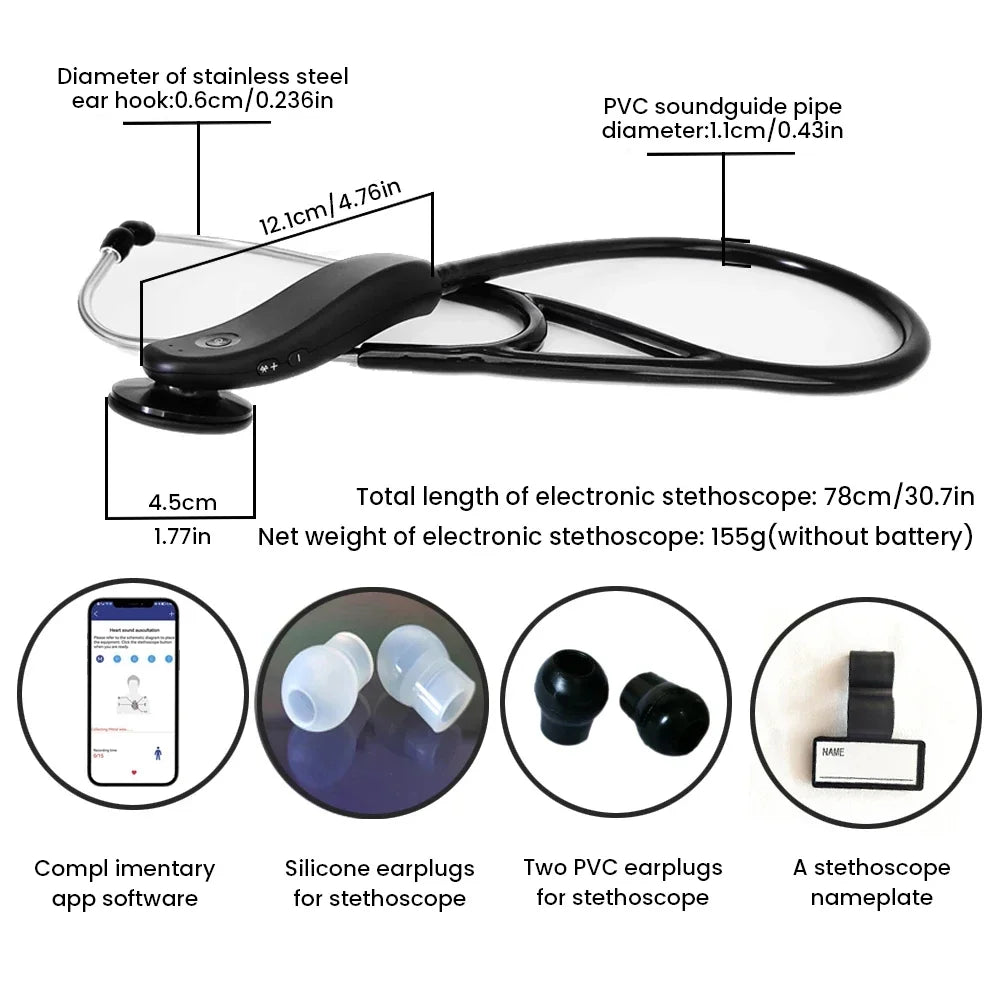
Digital stethoscope with recording capturing patient heart sounds clearly — 💡 See it in action
Why Recording Heart and Lung Sounds Matters
Heart lung sounds often change subtly before symptoms become obvious. Recording allows you to revisit those changes instead of relying on a single live listen. This is especially helpful when dealing with faint heart sounds, pediatric patients, or noisy environments.
- Replay sounds to confirm what you heard
- Compare recordings over time for trend tracking
- Share recordings securely for learning or second opinions
- Build confidence in cardiac auscultation skills
Key Features That Improve Listening Accuracy
Not all recording-enabled devices are equal. A well-designed digital stethoscope recording system focuses on clarity, ease of use, and reliable storage.
- Sound amplification: Enhances faint heart sounds without distortion
- Noise reduction: Filters background noise for cleaner recordings
- Integrated storage: Saves multiple sessions for later review
- Wireless connectivity: Transfers recordings smoothly to other devices
How to Use a Digital Stethoscope With Recording Correctly
A digital stethoscope with recording works best when used methodically. Proper setup and positioning make the difference between clear, useful recordings and confusing noise.
- Ensure the device is fully charged and paired if needed
- Select the correct listening mode for heart or lung sounds
- Place the chest piece firmly but comfortably
- Start recording before adjusting position
- Remain still for several full breathing or heart cycles
Browse expert-picked options in Monitoring Devices.
Best Practices for Recording a Heartbeat
Recording a heartbeat requires patience and consistency. Small adjustments can dramatically improve sound quality and interpretation.
- Ask the patient to breathe normally and remain quiet
- Record for at least 15–20 seconds per position
- Use consistent anatomical landmarks each session
- Label recordings immediately to avoid confusion
These habits make it easier to recognize a normal heart waveform and spot deviations that might otherwise be missed.
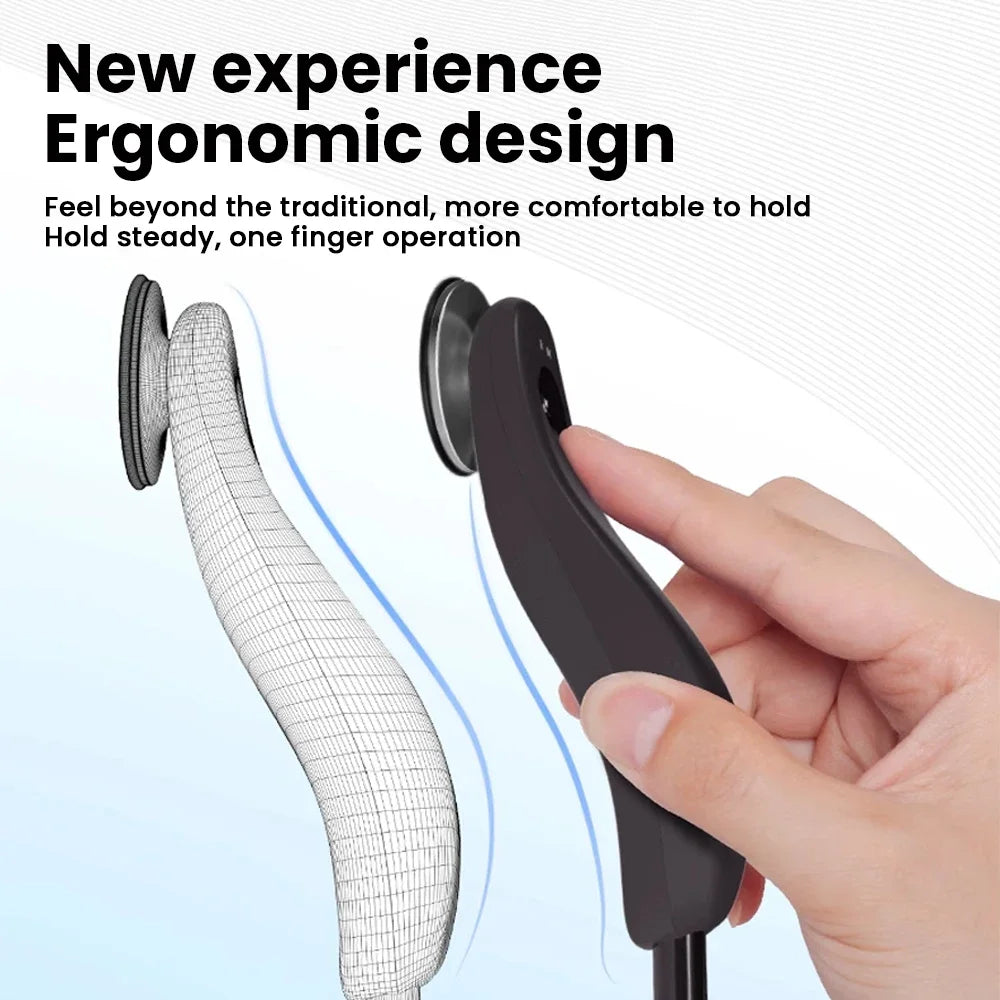
Stethoscope with recorder in daily clinical use — 💡 See it in action
How Playback Improves Learning and Confidence
Playback is where a digital stethoscope with recording truly shines. Being able to pause, rewind, and replay helps you connect textbook descriptions with real patient heart sounds.
Students often report faster improvement in recognizing murmurs and abnormal rhythms. Experienced clinicians benefit by confirming borderline findings or documenting subtle changes.
Digital vs Traditional Stethoscopes
| Feature | Digital With Recording | Traditional |
|---|---|---|
| Sound amplification | Adjustable and enhanced | Fixed |
| Recording of heart sounds | Yes | No |
| Playback and comparison | Available | Not possible |
| Learning support | High | Limited |
Common Mistakes to Avoid
- Recording too briefly to capture full cycles
- Moving the chest piece during recording
- Ignoring background noise sources
- Failing to organize saved recordings
Avoiding these mistakes ensures each digital stethoscope recording remains a reliable reference rather than a missed opportunity.
Who Benefits Most From a Stethoscope With Recorder
While anyone can benefit, certain groups find recording especially valuable:
- Medical and nursing students learning cardiac auscultation
- Clinicians monitoring faint heart sounds over time
- Practitioners comparing lung sound changes during recovery
- Care-focused households tracking wellness trends
For families prioritizing wellness tools, pairing listening devices with thoughtful self-care routines from Beauty & Wellness collections can support a calmer, more informed approach to health.
To explore a well-designed option, see the digital stethoscope with recording that combines clarity, comfort, and intuitive playback.
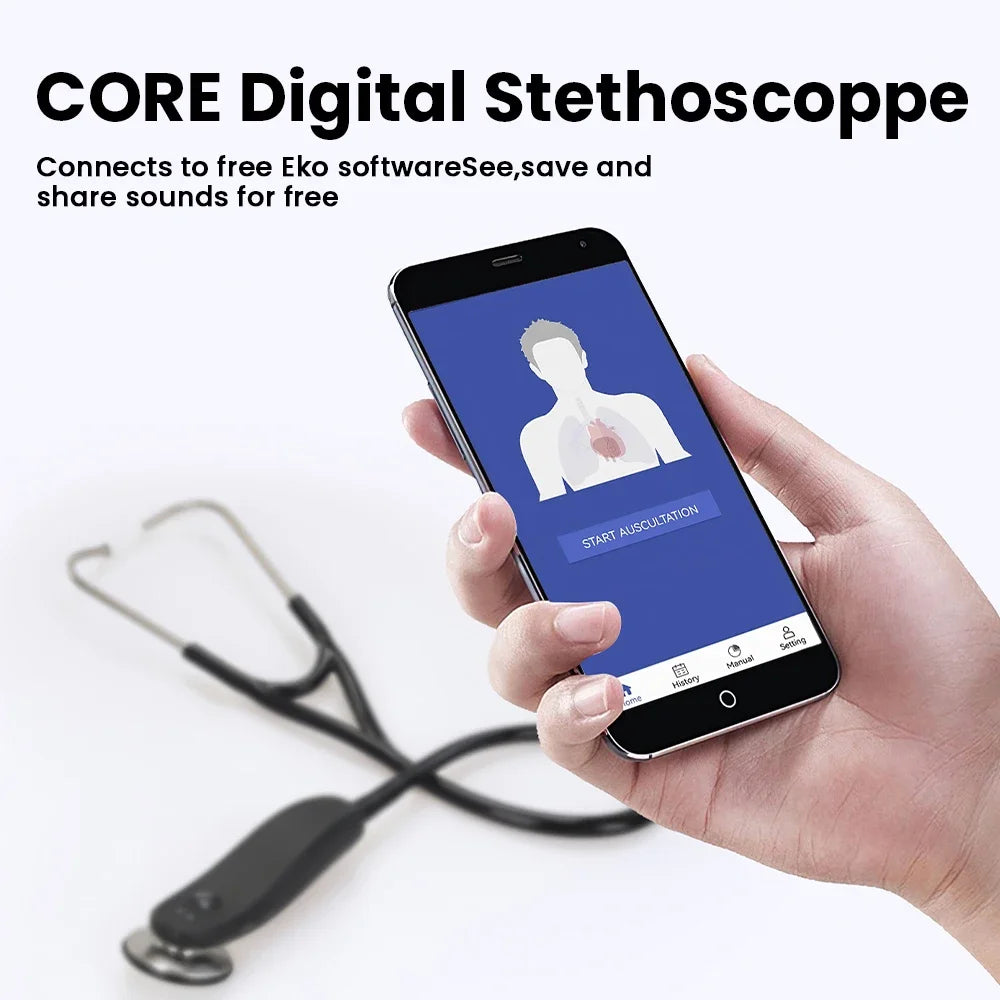
Recording heart and lung sounds for accurate review — 💡 See it in action
Take a closer look at the recording-enabled stethoscope designed for real-world use.
Frequently Asked Questions
Can recorded heart sounds really help identify problems?
Yes. Playback allows repeated listening, making faint heart sounds meaning clearer and helping distinguish normal variations from concerning changes.
How long should each recording be?
Most clinicians recommend at least 15–20 seconds per position to capture complete cycles for reliable heart sound assessment.
Is a digital stethoscope recording useful outside clinics?
It can be. Recording supports learning, monitoring trends, and improving clinical listening skills wherever careful observation matters.
Pillar Article: Not Found
Other Related Articles:
- Intelligent Auscultation Noise Filtering: Why It Matters
- Electronic Stethoscope Recording App: Step-by-Step Setup
Explore More:





