

Does intelligent auscultation noise filtering really work?
Intelligent auscultation noise filtering works by isolating clinically relevant body sounds while suppressing background interference in real time. Using intelligent auscultation noise filtering, clinicians hear clearer heart and lung signals even in noisy clinical auscultation environments, improving diagnostic confidence, reducing repeat exams, and supporting faster, more accurate clinical decisions.
Intelligent Auscultation Noise Filtering: Why It Matters
⏱ 6 min read
Have you ever struggled to hear subtle heart or lung sounds while alarms beep, carts roll by, and conversations echo around you? In modern care settings, sound clarity isn’t a luxury—it’s essential. Intelligent auscultation noise filtering helps clinicians focus on what truly matters by cutting through distractions and restoring confidence in every exam.
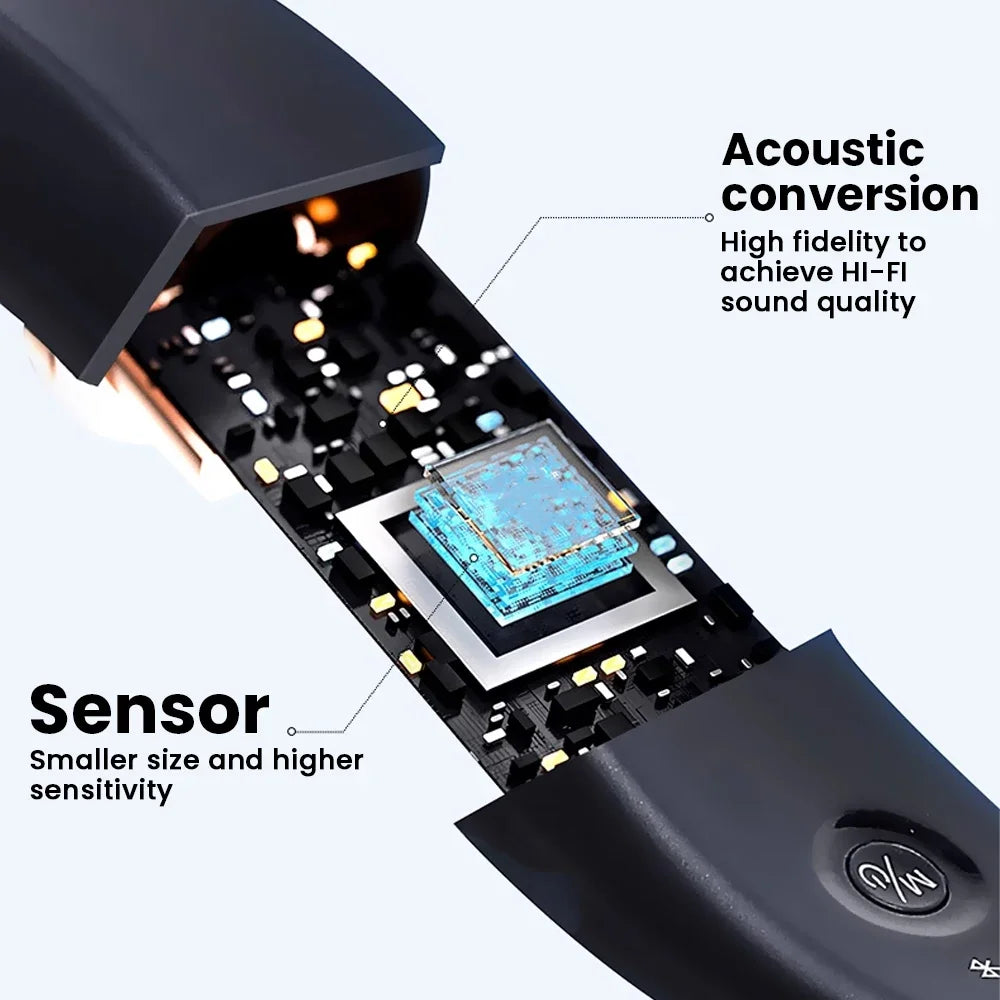
Intelligent auscultation noise filtering paired with intelligent noise reduction helps clinicians hear critical sounds clearly — 💡 See it in action
Why Noisy Auscultation Is a Growing Problem
Hospitals and clinics are louder than ever. Monitors, ventilators, phones, and open layouts all contribute to noisy clinical auscultation. For clinicians, this means subtle murmurs or fine crackles can easily be masked, increasing cognitive load and the risk of missed findings.
Many providers report repeating exams or relying on additional imaging simply because sound quality is unreliable. Over time, this leads to inefficiency, fatigue, and reduced confidence—especially in high-pressure environments like emergency departments or busy wards.
Explore Monitoring Devices
What Is Intelligent Auscultation Noise Filtering?
Intelligent auscultation noise filtering uses advanced digital processing to separate body sounds from ambient noise in real time. By analyzing sound patterns and frequencies, the system preserves clinically important signals while suppressing irrelevant background interference.
Unlike basic amplification, this approach adapts dynamically to changing environments, acting like a noise cancellation stethoscope for the human body. The result is a cleaner, more natural listening experience that supports accurate assessment.
How It Works in Practice
- Identifies heart and lung sound frequencies
- Reduces non-biological background noise
- Maintains natural sound texture for interpretation
- Adapts instantly as surroundings change
How Intelligent Noise Reduction Improves Results
Intelligent noise reduction improves exams by lowering listening fatigue and enhancing signal clarity. When clinicians can clearly hear subtle changes, they make faster, more confident decisions and reduce the need for repeat assessments.
Studies and user feedback consistently show that clearer auscultation supports earlier detection of abnormalities, particularly in respiratory and cardiac assessments where timing and nuance matter.
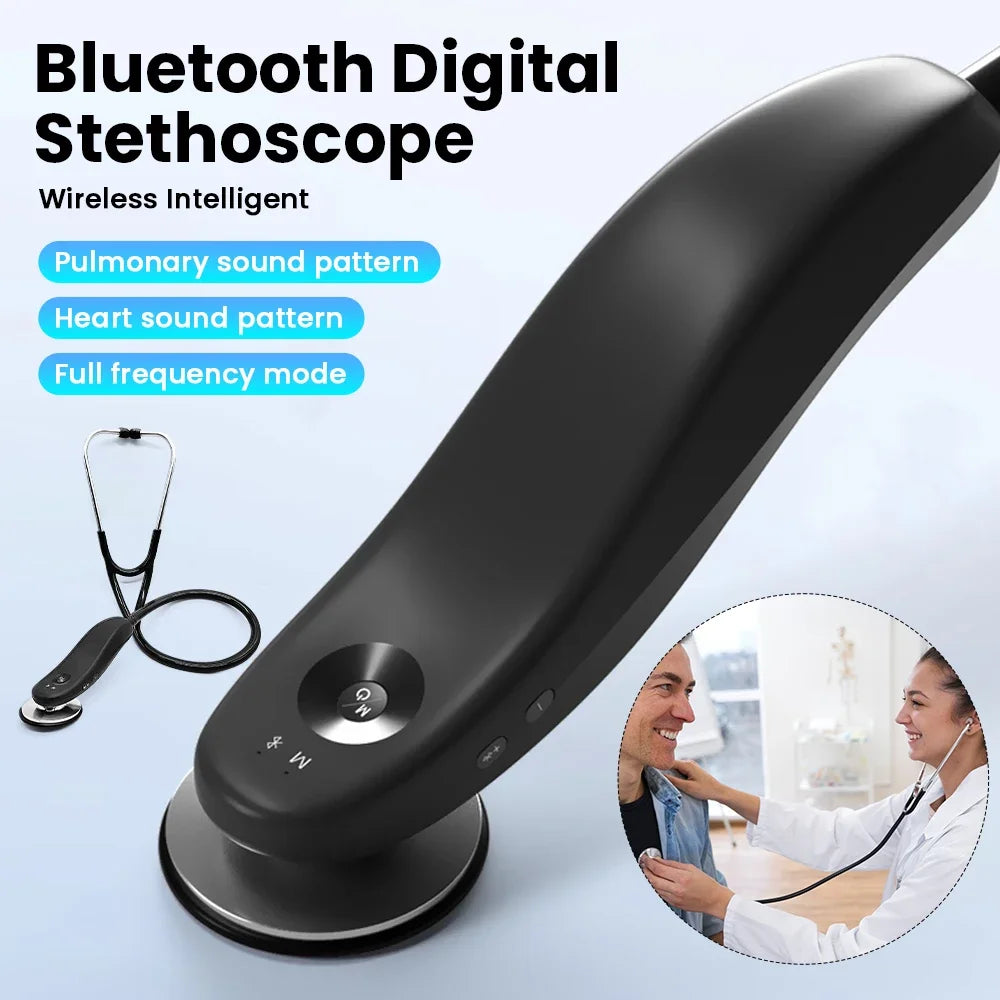
Intelligent noise reduction transforms noisy clinical auscultation into clear, usable sound — 💡 See it in action
Electronic Stethoscope Noise Reduction Explained
Electronic stethoscope noise reduction combines sensitive digital sensors with intelligent filtering algorithms. Instead of simply amplifying everything, it selectively enhances desired sounds while minimizing distractions.
This approach allows clinicians to adjust listening profiles for heart, lung, or bowel sounds, making electronic stethoscope noise reduction especially valuable in complex or crowded settings.
- Customizable listening modes
- Consistent sound quality across patients
- Reduced dependence on quiet rooms
- Improved teaching and collaboration
Discover the Electronic Stethoscope
Real-World Clinical Benefits You Can Hear
In real-world use, clinicians report fewer missed sounds, less strain, and greater confidence during exams. Cleaner audio also improves documentation and handoffs, as findings are easier to confirm and communicate.
In teaching hospitals, learners benefit from hearing the same clear signals as instructors, accelerating skill development and reducing frustration during training.
| Benefit | Impact |
|---|---|
| Clearer heart sounds | Improved murmur detection |
| Reduced background noise | Less listening fatigue |
| Consistent audio quality | More reliable assessments |
Traditional vs Intelligent Listening Compared
Traditional acoustic tools depend heavily on environmental quiet and clinician hearing. Intelligent systems adapt to noise, supporting consistent performance regardless of setting.
- Traditional: sound easily masked by ambient noise ❌
- Intelligent: focused body sounds even in busy areas ✅
- Traditional: higher repeat exam rates ❌
- Intelligent: faster, clearer assessments ✅
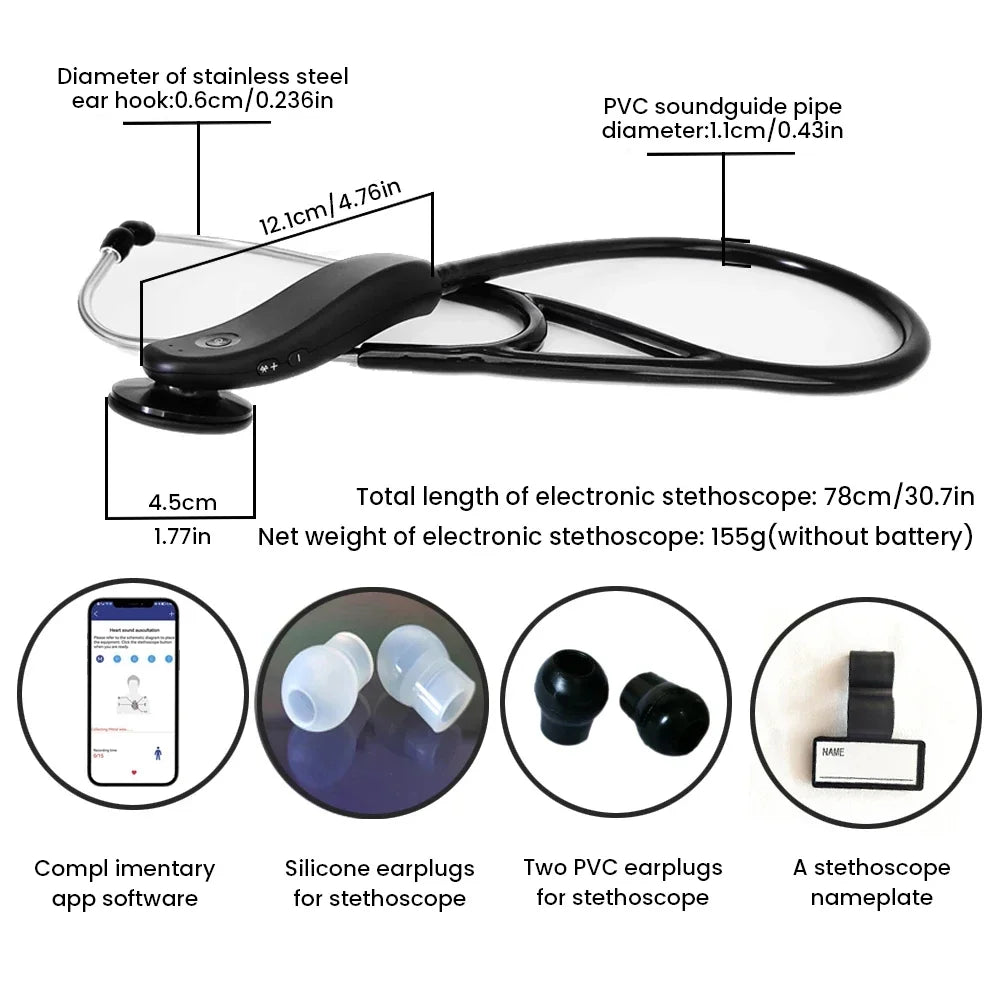
Electronic stethoscope noise reduction delivers clarity where traditional tools struggle — 💡 See it in action
Who Benefits Most From Cleaner Auscultation?
Any clinician working in distraction-heavy environments benefits from intelligent auscultation noise filtering. Emergency providers, ICU teams, pediatric clinicians, and home-care professionals all report improved confidence and efficiency.
For wellness-focused households and caregivers interested in safer monitoring, related tools can be explored in Health & Safety and Monitoring Devices collections.
Get yours now — limited stock!
Frequently Asked Questions
Can intelligent auscultation noise filtering replace clinical judgment?
No. It enhances listening clarity but does not replace training or experience. It supports better decisions by improving sound quality.
Does electronic stethoscope noise reduction work in very loud environments?
Yes. Intelligent noise reduction adapts in real time, maintaining usable sound even in busy wards or emergency settings.
Is this technology difficult to learn?
Most users adapt quickly. Controls are intuitive, and the improved clarity often feels natural within minutes of use.
Pillar Article: Not Found
Other Related Articles:
- Electronic Stethoscope Recording App: Step-by-Step Setup
- Digital Stethoscope With Recording: How to Use It Correctly
Explore More:





