

Does poor stethoscope sound quality really affect diagnosis?
Poor stethoscope sound quality can reduce diagnostic accuracy by masking subtle heart, lung, or bowel sounds clinicians rely on. Whether the cause is worn components, improper technique, or excessive background noise, reduced acoustic performance makes it harder to distinguish clinically important findings. Modern electronic solutions, including an amplified stethoscope with intelligent noise reduction, can improve clarity by enhancing body sounds while minimizing ambient interference.
Poor Stethoscope Sound Quality? Devices That Fix It
Poor stethoscope sound quality can quietly undermine even the most experienced clinician, but identifying the root cause often restores performance without immediately replacing your equipment. This guide explains how to troubleshoot muffled or faint sound, maintain acoustic performance, and determine when an amplified or electronic stethoscope is the better long-term solution for clearer auscultation.
⏱ 9 min read
Have you ever adjusted your earpieces, repositioned the chestpiece several times, or questioned whether a faint sound came from the patient or your stethoscope? Before assuming your instrument has failed, a systematic inspection can usually identify the real problem.
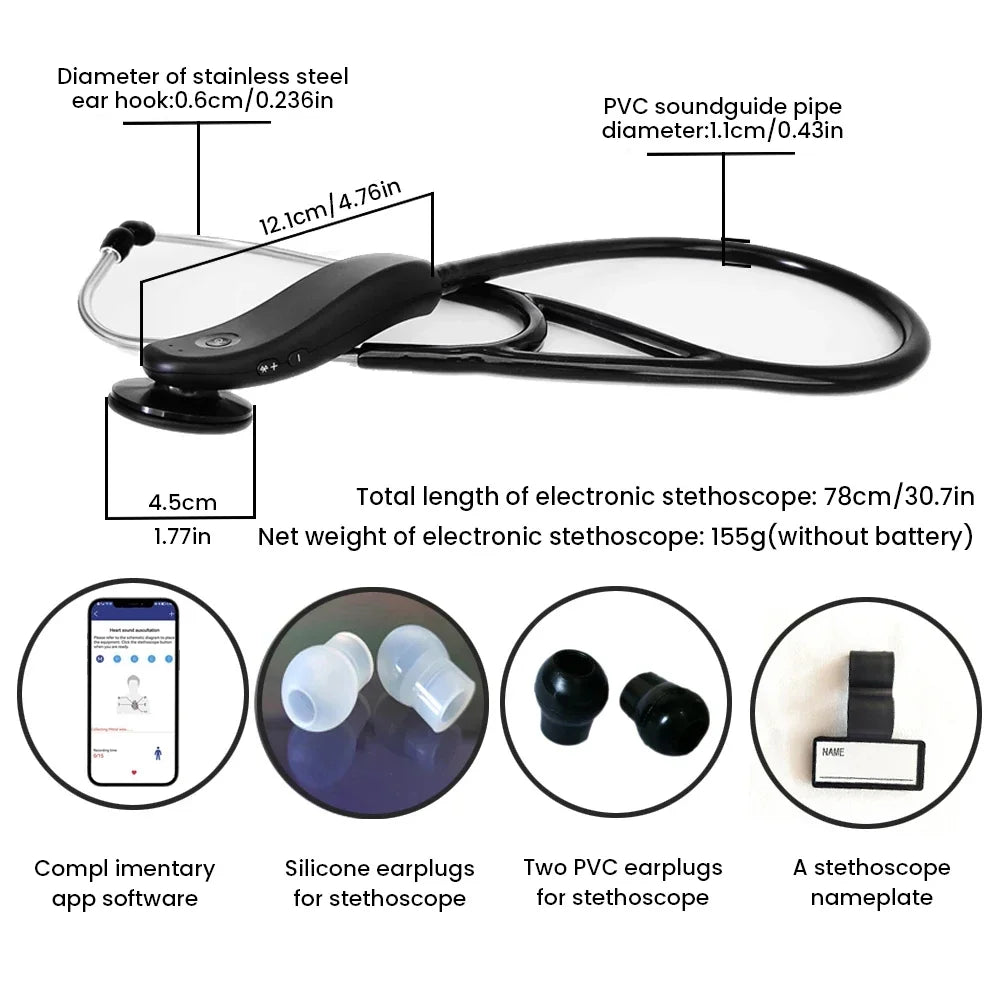
Poor stethoscope sound quality solved with amplified stethoscope technology. See it in action.
Stethoscope Sound Quality Problems: Quick Diagnosis Checklist
Many stethoscope sound quality problems can be identified in just a few minutes. Start with the simplest possibilities before disassembling the instrument or purchasing replacement parts.
Match your symptom to the most likely cause
| Symptom | Most Likely Cause | First Step |
|---|---|---|
| Muffled sound | Loose diaphragm or blocked chestpiece | Inspect and clean diaphragm |
| Very low volume | Poor ear tip seal or tubing leak | Check ear tips and tubing |
| Intermittent sound | Loose connections or cracked tubing | Tighten fittings and inspect tubing |
| One ear louder than the other | Incorrect headset alignment or blocked ear tip | Adjust headset and clean ear tips |
Test your stethoscope with a known reference sound
Before assuming the patient is difficult to auscultate, test your stethoscope using a consistent reference. Rub your fingers gently across the diaphragm or listen to your own heartbeat in a quiet room. If the sound remains faint or distorted, the issue is more likely related to the instrument or its setup than clinical technique.
Why Stethoscope Sound Quality Matters
Every component of a stethoscope contributes to sound transmission. Even a small defect can noticeably reduce volume and clarity, making subtle murmurs, wheezes, crackles, or bowel sounds more difficult to identify.
How acoustic transmission works
Sound travels from the diaphragm or bell through the air-filled tubing into the headset and ear tips. Any interruption along this path—including loose fittings, damaged tubing, poor ear tip seals, or improper headset orientation—reduces acoustic efficiency. Improving stethoscope acoustics is often less about increasing volume and more about preserving sound quality throughout this pathway.
Common Causes of Poor Stethoscope Sound Quality
Poor stethoscope sound quality usually results from user technique, equipment wear, environmental conditions, or a combination of all three.
User technique issues
- Ear tips facing backward instead of forward
- Insufficient chestpiece pressure
- Listening through clothing instead of directly on skin when appropriate
- Poor patient positioning that weakens transmitted sounds
Equipment defects
- Worn or hardened ear tips
- Loose diaphragm retaining ring
- Cracked tubing causing air leaks
- Damaged bell or chestpiece components
- Incorrect headset spring tension
Patient and environmental factors
- Busy emergency departments with high ambient noise
- Mechanical ventilation and monitoring equipment
- Thick chest wall or obesity reducing sound transmission
- Patient movement during examination
If you're wondering, "Why is my stethoscope quiet?" the answer is often several small factors rather than a single major defect.
Step-by-Step: How to Fix Stethoscope Sound Quality
Follow this inspection sequence before replacing your stethoscope.
Check ear tip fit and orientation
- Confirm the ear tips point forward toward your nose.
- Replace hardened or loose ear tips.
- Adjust headset tension if the seal feels weak.
Inspect diaphragm and bell
- Ensure the diaphragm sits firmly without gaps.
- Remove debris that may block sound transmission.
- Verify the bell and diaphragm selector rotates fully into position.
Look for tubing leaks and loose parts
- Inspect tubing for cracks or stiff sections.
- Tighten threaded chestpiece connections.
- Replace damaged tubing if leaks are suspected.
Clean and reassemble correctly
After cleaning, reassemble each component carefully and retest after every adjustment. Making one correction at a time makes it easier to identify the actual source of poor performance instead of replacing functioning parts unnecessarily.
Maintenance Schedule to Prevent Future Sound Problems
Cleaning best practices
Wipe the diaphragm, bell, tubing, and ear tips after each clinical session using manufacturer-approved disinfectants. Avoid harsh solvents that may damage tubing over time.
Inspection frequency
- Weekly: inspect ear tips and diaphragm.
- Monthly: examine tubing for cracks and stiffness.
- Every 6–12 months: inspect headset tension and threaded connections.
When tubing should be replaced
If tubing becomes brittle, develops visible cracks, or no longer seals properly, replacement generally restores acoustic performance more effectively than repeated repairs. Proper storage away from excessive heat and direct sunlight also helps prevent premature degradation.
For additional maintenance guidance, see our How to clean a stethoscope and Stethoscope maintenance guide .
When a Standard Stethoscope Is No Longer Enough
Sometimes the limitation isn't maintenance—it is the technology itself. Electronic stethoscopes offer capabilities that conventional acoustic models cannot provide.
Electronic stethoscope sound quality
Electronic stethoscopes amplify clinically relevant frequencies while reducing unwanted background noise. Many also allow recording, playback, and visualization of heart or lung sounds.
- Acoustic models rely entirely on passive sound transmission.
- Digital systems can amplify faint sounds selectively.
- Electronic processing may improve signal-to-noise ratio in busy clinical environments.
Amplified options for hearing loss
Clinicians with mild age-related hearing changes may benefit from amplified stethoscopes designed to increase sound without significantly altering frequency characteristics. These devices help reduce listening fatigue during long shifts.
Noise reduction features
A modern noise cancelling stethoscope uses intelligent filtering to suppress steady background sounds while preserving transient clinical sounds such as murmurs, crackles, and wheezes. This can be especially valuable in emergency departments, intensive care units, and outpatient clinics.
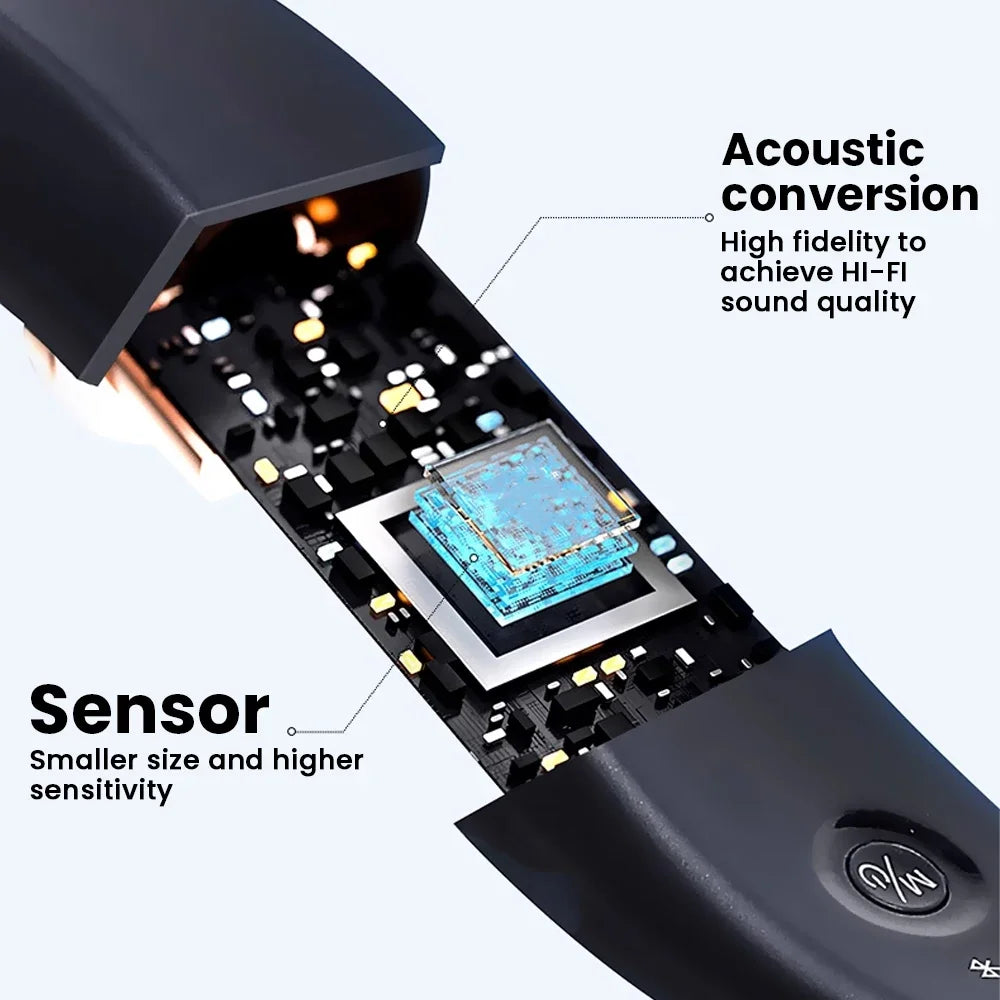
Noise cancellation stethoscope with intelligent noise reduction. See it in action.
If you're ready to upgrade, many clinicians choose an electronic stethoscope with Bluetooth that combines amplification, wireless connectivity, recording capability, and intelligent noise reduction in a single device.
You may also find these guides helpful:
- How to use a stethoscope correctly
- Acoustic vs electronic stethoscope comparison
- Best stethoscope for hearing impaired
- Replacement ear tips and tubing guide
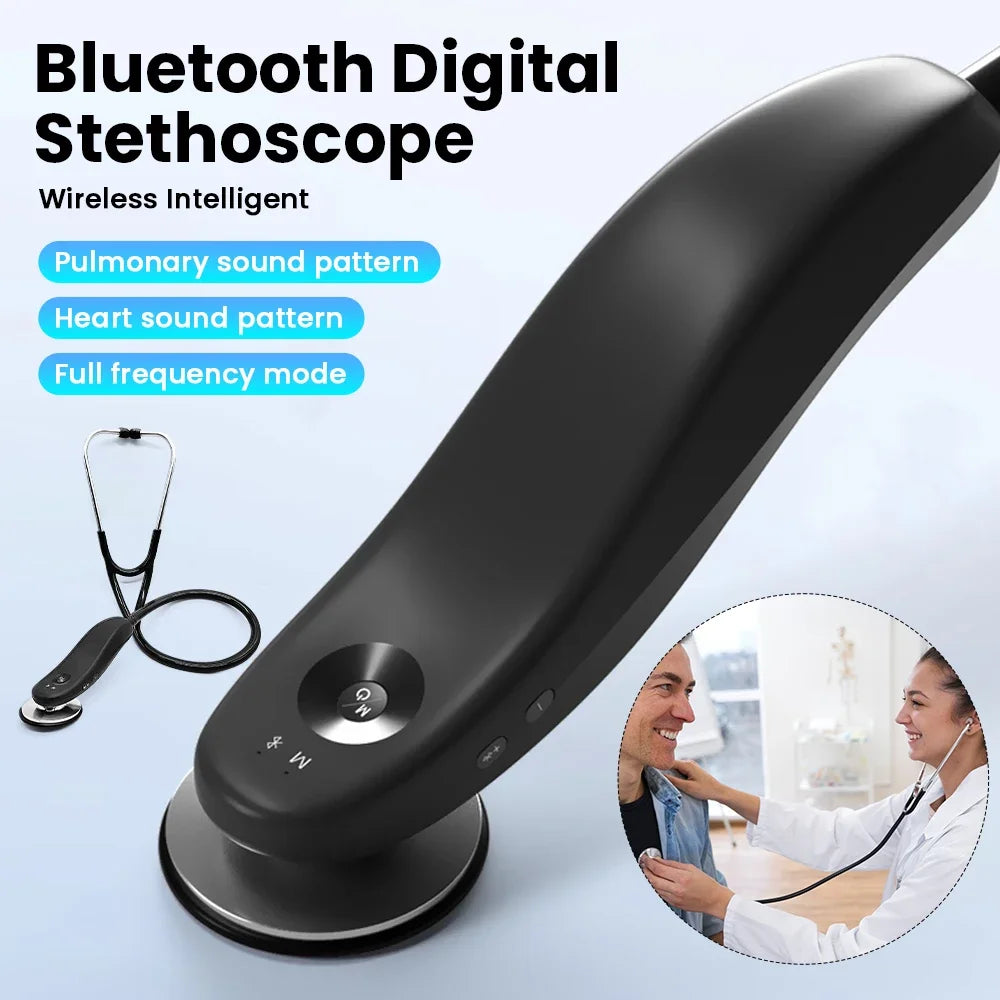
Amplified stethoscopes for hearing impaired clinicians. See it in action.
Repair, Replace Parts, or Buy a New Stethoscope?
When replacement parts make sense
Replacing ear tips, diaphragms, tubing, or retaining rings is usually worthwhile when the chestpiece and headset remain in good condition. These inexpensive repairs often restore performance close to the original acoustic level.
Signs it's time for a new stethoscope
- Multiple components require replacement simultaneously.
- The headset or chestpiece is damaged.
- You routinely work in noisy clinical environments.
- Your hearing needs have changed and amplification would improve clinical confidence.
If troubleshooting repeatedly fails to improve performance, upgrading to a higher-quality acoustic model or an electronic stethoscope may provide better long-term value than continued repairs.
Frequently Asked Questions
Why is sound louder in one ear?
This usually results from incorrect headset alignment, blocked ear tips, unequal headset tension, or a poor ear tip seal on one side.
Why is my stethoscope quiet after cleaning?
A diaphragm may have been reinstalled incorrectly, moisture may remain inside components, or threaded parts may not have been fully tightened during reassembly.
Can old tubing reduce sound quality?
Yes. Aging tubing becomes stiff, develops microscopic cracks, and loses its ability to transmit sound efficiently.
Do electronic stethoscopes improve faint heart and lung sounds?
Many electronic stethoscopes enhance clinically important frequencies while reducing background noise, making subtle sounds easier to distinguish than with standard acoustic models.
How can I test whether my stethoscope has a tubing leak?
Listen to a known reference sound after gently bending different sections of the tubing. Changes in volume during movement may indicate a leak or internal damage.
Can a cracked diaphragm reduce sound quality?
Yes. Even small cracks alter vibration transmission and significantly reduce clarity.
How often should stethoscope tubing be replaced?
Replacement intervals vary with usage, but tubing should be replaced whenever cracks, stiffness, or persistent air leaks develop.
Does cleaning affect stethoscope acoustics?
Routine cleaning improves hygiene without reducing performance when recommended cleaning agents are used and components are reassembled correctly.
Can hearing loss make an acoustic stethoscope seem quieter?
Yes. Mild hearing changes can make normal acoustic output seem inadequate, which is why amplified electronic models are increasingly used by experienced clinicians.
When should I repair my stethoscope instead of replacing it?
Repair is appropriate when only wearable components have deteriorated. Replacement becomes more practical when structural damage, repeated failures, or changing clinical needs justify an upgrade.
Pillar Article: Stethoscope With Bluetooth: Best Options Compared
Other Related Articles:
- Electronic Stethoscope for Telemedicine: Best Picks
- Pulmonary Sounds Audio: Top Digital Tools Compared
- Heart Sound Recording Devices Reviewed Side by Side
- Sound Waves Visualization Tools: Which Devices Perform Best
Explore More:





