

Pulmonary Sounds Audio: Top Digital Tools Compared
⏱ 8 min read
What is pulmonary sounds audio and why does it matter?
Pulmonary sounds audio refers to digitally captured and enhanced lung and heart sounds that help clinicians hear subtle respiratory details more clearly. By reducing background interference and amplifying faint signals, pulmonary sounds audio improves accuracy during noisy clinical auscultation and supports better interpretation of faint heart sounds meaning.
Pulmonary sounds audio can completely change how clinicians interpret subtle respiratory clues in real time. In environments plagued by noisy clinical auscultation, modern digital tools clarify what traditional listening often misses. From understanding faint heart sounds meaning to benefiting from electronic stethoscope noise reduction, today’s platforms pair smart filtering with amplified stethoscope technology to reveal cleaner, more reliable signals. The real question is which solution actually delivers clinical confidence when every sound matters most?
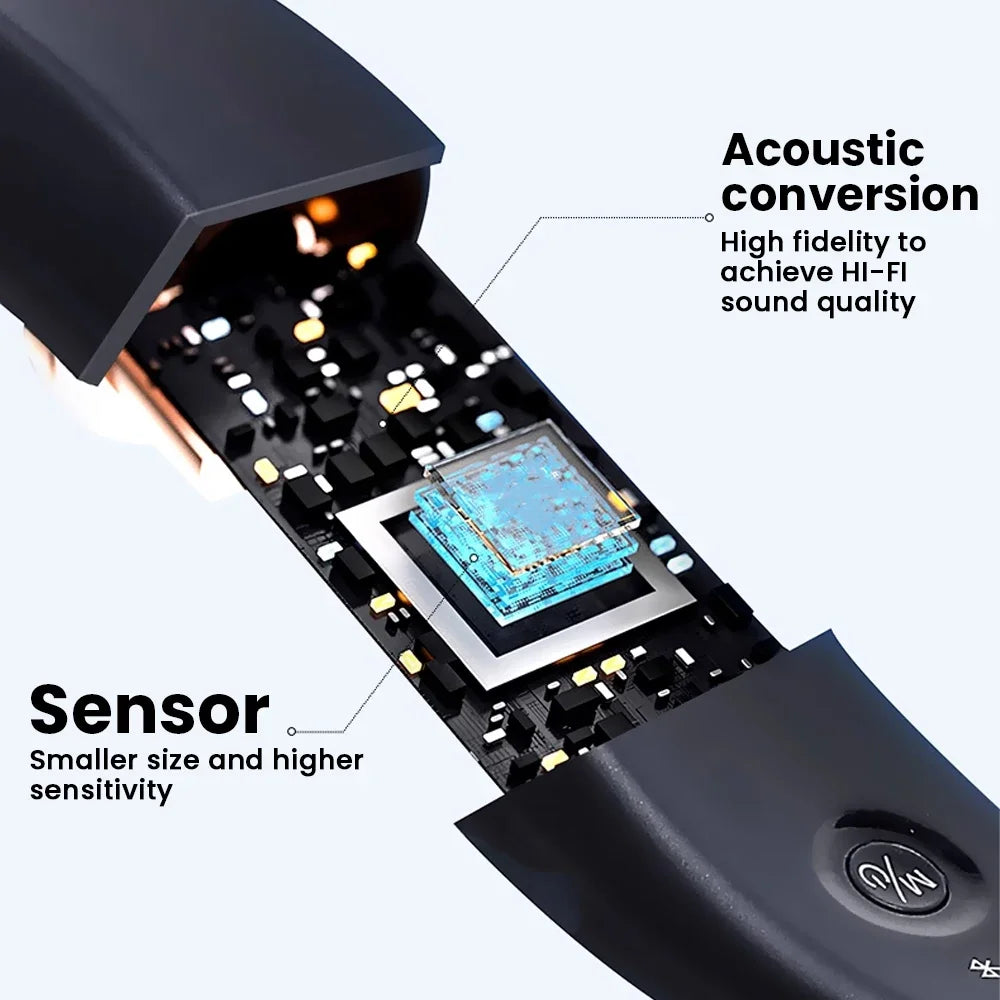
Pulmonary sounds audio clarity in action during noisy clinical auscultation 💡 See it in action
Why Digital Tools Help in Noisy Environments
Noisy wards, busy clinics, and emergency settings make accurate listening difficult. Traditional acoustic devices often struggle when background sounds overpower subtle respiratory cues. Digital solutions approach this challenge differently by filtering, amplifying, and recording sounds for later review.
- Reduced ambient interference through electronic stethoscope noise reduction
- Enhanced volume for faint heart sounds meaning clearer interpretation
- Ability to replay and share pulmonary sounds audio for collaboration
- More consistent assessments across different environments
Clinicians balancing family-centered care and safety often explore tools alongside broader Health & Safety solutions, especially when accuracy directly impacts outcomes.
Side-by-Side Comparison of Popular Tools
Below is a simplified comparison highlighting how common digital listening tools differ when handling pulmonary sounds audio.
| Tool Type | Noise Reduction | Amplification Level | Best Use Case |
|---|---|---|---|
| Traditional Acoustic Stethoscope | Minimal | Low | Quiet exam rooms |
| Amplified Stethoscope | Moderate | High | General clinical practice |
| Electronic Stethoscope | Advanced filtering | Adjustable | Noisy clinical auscultation |
How Electronic Stethoscopes Improve Clarity
Electronic stethoscopes are designed to handle complex sound environments. By converting acoustic signals into digital data, they can isolate lung sounds, suppress background noise, and deliver consistent pulmonary sounds audio.
In practice, this means:
- Clearer differentiation between wheezes, crackles, and normal breath sounds
- Better understanding of faint heart sounds meaning during combined assessments
- Improved teaching and documentation through recorded audio
Some clinicians pair these devices with connected platforms like the electronic stethoscope with Bluetooth to review findings later or share with colleagues.

Electronic stethoscope noise reduction revealing subtle pulmonary sounds audio 💡 See it in action
Who Benefits Most From These Tools
Not every setting requires advanced amplification, but certain users see clear advantages:
- Healthcare professionals working in emergency or high-traffic wards
- Clinicians training students who need repeatable audio examples
- Care teams monitoring respiratory changes over time
Parents and caregivers interested in broader monitoring technologies often explore related Monitoring Devices to stay informed and prepared.
How to Choose the Right Option
Choosing among digital listening tools depends on environment, experience, and goals. Ask yourself:
- How noisy is the typical setting where auscultation occurs?
- Is amplification alone enough, or is advanced filtering needed?
- Will recorded pulmonary sounds audio support follow-up or collaboration?
- Does portability matter for daily routines?
For clinicians balancing professional demands with personal wellness, tools that integrate smoothly into daily life often align with broader Beauty & Wellness priorities focused on ease and confidence.
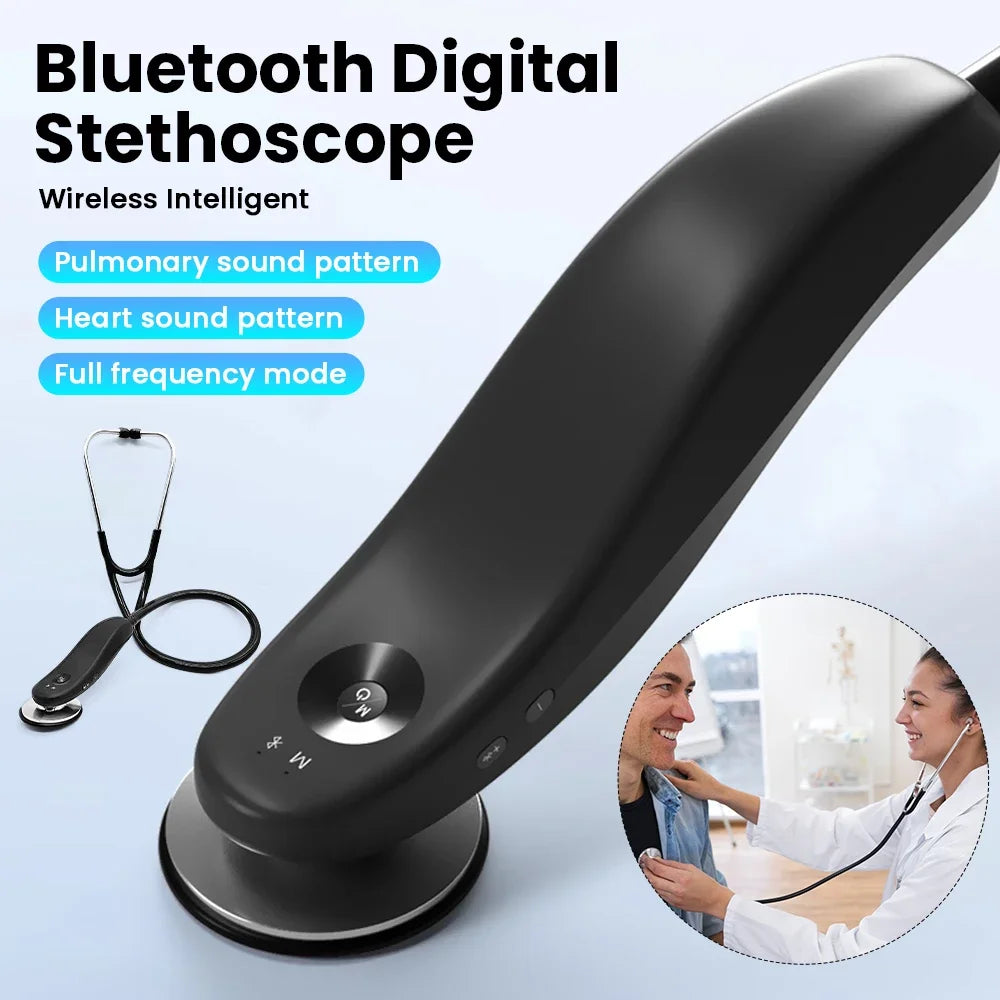
Amplified stethoscope performance highlighting faint heart sounds meaning 💡 See it in action
Frequently Asked Questions
Can pulmonary sounds audio replace traditional listening?
Pulmonary sounds audio enhances, rather than replaces, traditional auscultation. Digital tools add clarity and consistency, especially in noisy clinical auscultation, while clinicians still rely on experience and context for interpretation.
Does amplification distort normal lung sounds?
Quality amplified stethoscope designs focus on preserving natural sound profiles. With proper electronic stethoscope noise reduction, amplification highlights subtle details without overwhelming normal respiratory patterns.
Are digital stethoscopes difficult to learn?
Most electronic models are intuitive. After brief familiarization, clinicians often find pulmonary sounds audio easier to interpret, particularly when reviewing recordings or comparing changes over time.
Pillar Article: Stethoscope With Bluetooth: Best Options Compared
Other Related Articles:
- Poor Stethoscope Sound Quality? Devices That Fix It
- Electronic Stethoscope for Telemedicine: Best Picks
- Heart Sound Recording Devices Reviewed Side by Side
- Sound Waves Visualization Tools: Which Devices Perform Best
Explore More:





