

Is feeding infant formula safe and easy to do at home?
Feeding infant formula is safe and straightforward when you follow the right steps. By using clean equipment, measuring correctly, and heating milk to 110 degrees, parents can ensure comfortable, stress-free feeds. The right tools, like a universal bottle warmer, help reduce bottle frustration and protect your baby’s health.
Feeding Infant Formula Safely: Step-by-Step Preparation Guide
⏱ 7 min read
Feeding infant formula can feel overwhelming at first—especially during those late-night feeds when your baby is crying and you’re worried about doing everything right. Are you mixing it correctly? Is the temperature safe? Could small mistakes cause bottle frustration or tummy discomfort? This guide walks you through every step so you can prepare formula confidently, safely, and with less stress.
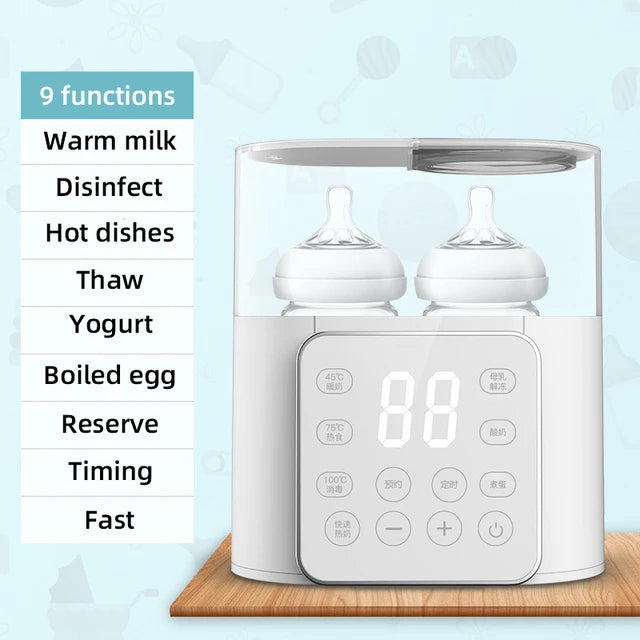
Feeding infant formula with confidence starts with safe preparation and the right tools 💡 See it in action
Why Feeding Infant Formula Safely Matters
Feeding infant formula isn’t just about filling a bottle—it’s about protecting your baby’s developing digestive system and creating a calm feeding routine. Incorrect measurements, unsafe temperatures, or rushed prep can lead to gas, spit-up, or bottle frustration that turns feeding time into a battle.
Parents often worry about:
- Overheating or underheating milk
- Wasting formula due to poor prep
- Baby refusing the bottle mid-feed
- Keeping everything clean and safe
Which feeding setup suits your newborn best? Read on to see how small changes make a big difference.
Step-by-Step Formula Preparation for Peace of Mind
Feeding infant formula safely starts with a consistent routine. When each step becomes second nature, feeding feels calmer for both you and your baby.
- Wash your hands thoroughly before handling bottles or formula.
- Sterilize bottles and nipples using tools from Sterilization Devices for newborns.
- Measure water first, following the formula manufacturer’s instructions exactly.
- Add formula powder using the provided scoop—no packing or guessing.
- Mix gently by swirling, not shaking, to reduce air bubbles.
Consistency here prevents digestion issues and keeps feeding infant formula predictable and comfortable.
How to Heat Milk to 110 Degrees Without Risk
Heating milk to 110 degrees creates a warm, breastmilk-like temperature that many babies prefer. Too hot can destroy nutrients or burn your baby’s mouth; too cold may cause refusal.
Using a thermometer or tools from Temperature Tools helps ensure accuracy every time.
- Aim for around 110°F (43°C), not boiling.
- Never microwave bottles—hot spots are dangerous.
- Test milk on your wrist; it should feel warm, not hot.
This small detail often makes the difference between smooth feeding and bottle frustration.
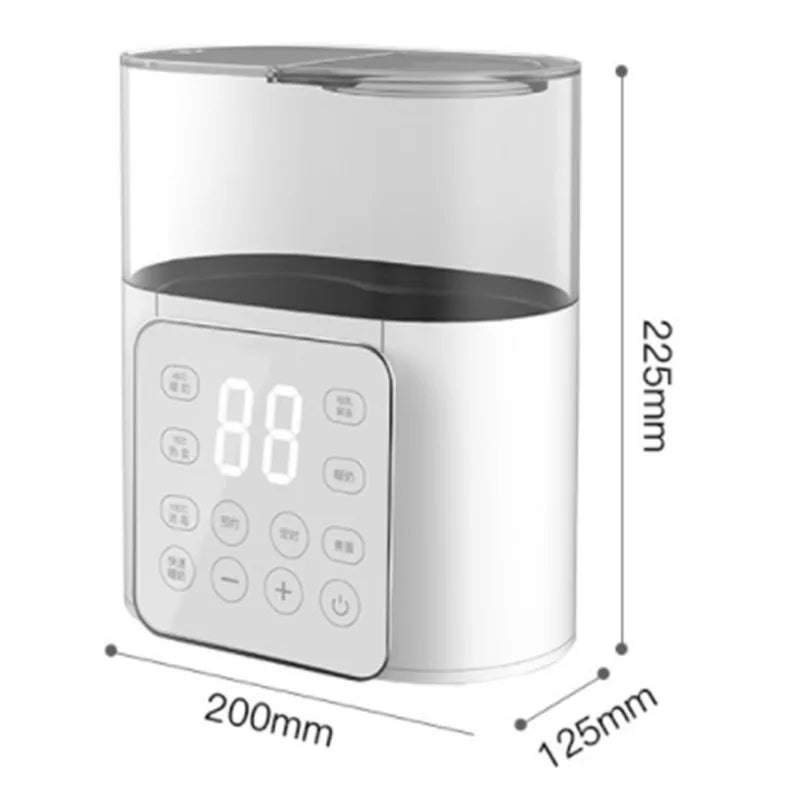
Heating milk to 110 degrees helps reduce bottle frustration and keeps feeds calm 💡 See it in action
How to Reduce Bottle Frustration During Feeds
Feeding infant formula should be comforting, not stressful. Bottle frustration often comes from temperature issues, slow flow nipples, or uncomfortable feeding positions.
Parents report calmer feeds when they:
- Warm milk evenly and consistently
- Choose age-appropriate nipples
- Pause to burp midway through feeds
- Feed in a quiet, dimly lit space
One parent shared that once they fixed milk temperature, their baby finished bottles without crying or pulling away.
Why a Universal Bottle Warmer Makes Feeding Easier
Feeding infant formula becomes simpler when you remove guesswork. A universal bottle warmer handles consistent heating, especially during busy mornings or midnight feeds.
Benefits parents appreciate include:
- Even heating without hot spots
- Compatibility with different bottle sizes
- Hands-free warming while you soothe your baby
- Reduced formula waste
Explore options in Bottle Warmers to streamline your feeding routine.
👉 Curious how one tool can simplify every feed? Check out the multi-function baby bottle warmer parents rely on for stress-free prep.
Night Feeding Tips for Tired Parents
Night feeds are when feeding infant formula feels hardest. Keeping supplies organized and prep steps minimal helps you respond quickly without fumbling.
- Pre-measure formula in advance
- Keep bottles and warmers nearby
- Use soft lighting to keep baby calm
- Rely on tools from Feeding & Nursing to stay consistent
Less stress for you means a calmer baby who settles back to sleep faster.
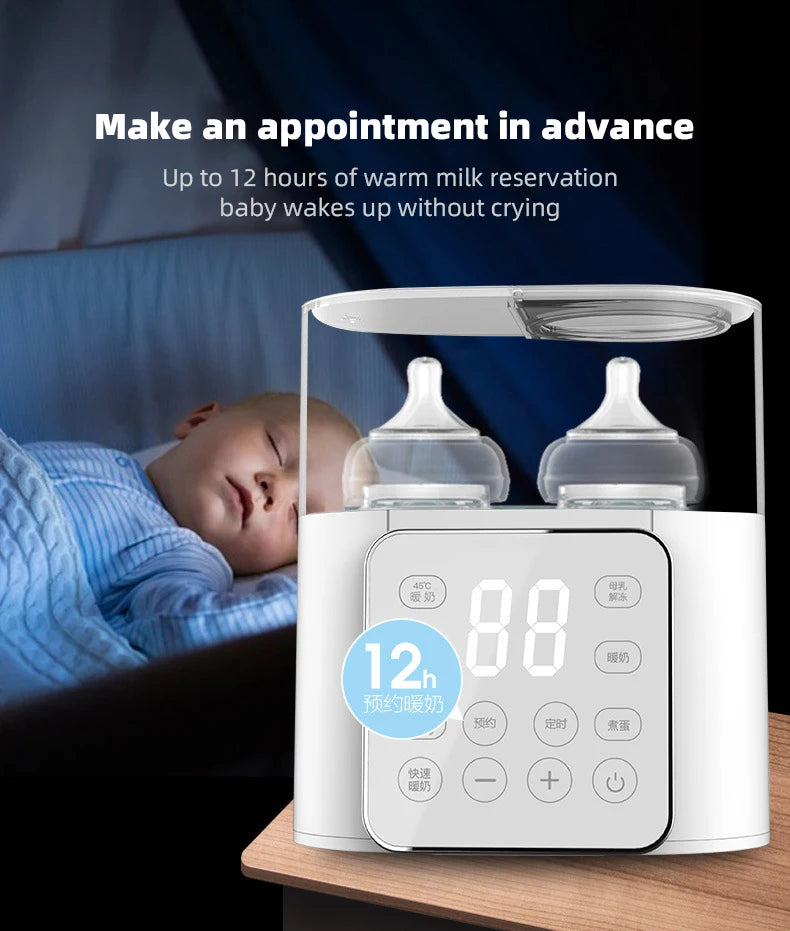
A universal bottle warmer supports feeding infant formula even during late-night feeds 💡 See it in action
👉 Ready to make feeding simpler tonight? The multi-function baby bottle warmer helps you heat milk to 110 degrees safely, reduce bottle frustration, and feed with confidence.
Feeding Infant Formula FAQs
What temperature should formula milk be?
Feeding infant formula is most comfortable for babies when milk is warmed to about 110 degrees. This mimics natural warmth and reduces refusal during feeds.
Can I prepare formula in advance?
Yes, you can prepare formula ahead of time and store it safely. Warm only what you need and always check temperature before feeding.
Why does my baby get fussy during bottle feeds?
Bottle frustration often comes from uneven heating, air bubbles, or nipple flow issues. Adjusting temperature and technique usually improves feeding quickly.
👉 Discover tools designed for safer, calmer feeding in Baby Care Essentials and enjoy more confident feeding moments every day.
Pillar Article: How to Sterilize Bottles by Boiling: Step-by-Step Guide for Parents
Other Related Articles:
- Steam Sterilization for Bottles: How to Do It at Home Safely
- How to Warm Breast Milk from Fridge: Quick Steps for Busy Moms
- How to Use Bottle Sterilizer: Tips for Safe and Efficient Feeding
Explore More:





