

How do you safely warm breast milk from the fridge?
How to warm breast milk from fridge starts with gentle, even heat. Place the bottle in warm water for 5–10 minutes or use a regulated warmer to reach body temperature (98–99°F). Avoid microwaves and boiling water to protect nutrients and prevent hot spots.
How to Warm Breast Milk from Fridge: Quick Steps for Busy Moms
⏱ 7 min read
If you’ve ever stood in the kitchen at 2 a.m. with a hungry newborn, you know the pressure. How to warm breast milk from fridge safely—without guessing, rushing, or losing precious nutrients—can feel overwhelming. The good news? There are simple, reliable ways to warm milk gently, even on the busiest days, so feeding stays calm and predictable.
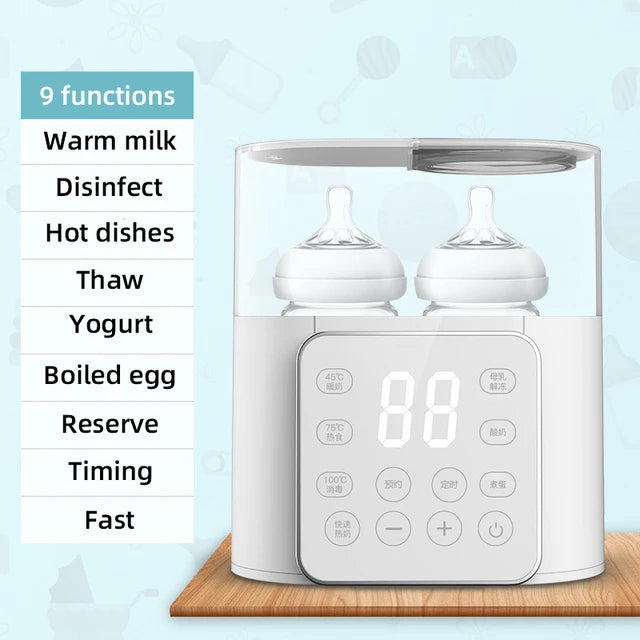
How to warm breast milk from fridge safely for busy moms — 💡 See it in action
Why Gentle Heat Matters for Breast Milk
Breast milk is living nutrition. Gentle warming protects antibodies, enzymes, and fats that support your baby’s growth. High heat can break down these components and create hot spots that risk burns. That’s why slow, even warming is always the goal.
- Preserves immune-boosting properties
- Prevents uneven temperatures
- Keeps texture and taste familiar for baby
- Reduces feeding-time fussiness
Parents often pair safe warming habits with trusted tools from Feeding & Nursing and Health & Safety to simplify routines.
How to Warm Breast Milk from Fridge (Fast & Safe)
How to warm breast milk from fridge works best when you aim for body temperature—never hot. The method below balances speed with safety, even during hectic moments.
Direct answer: How to warm breast milk from fridge involves placing the bottle in warm (not hot) water for several minutes, gently swirling to mix fats, and testing a few drops on your wrist. Target 98–99°F so milk feels neutral, not warm.
- Remove milk from the fridge and check the date.
- Stand the bottle in a bowl of warm water for 5–10 minutes.
- Gently swirl—do not shake—to blend separated fat.
- Test temperature on your wrist before feeding.
For families feeding multiple times a day, a reliable option like a multi-function bottle warmer can remove guesswork.
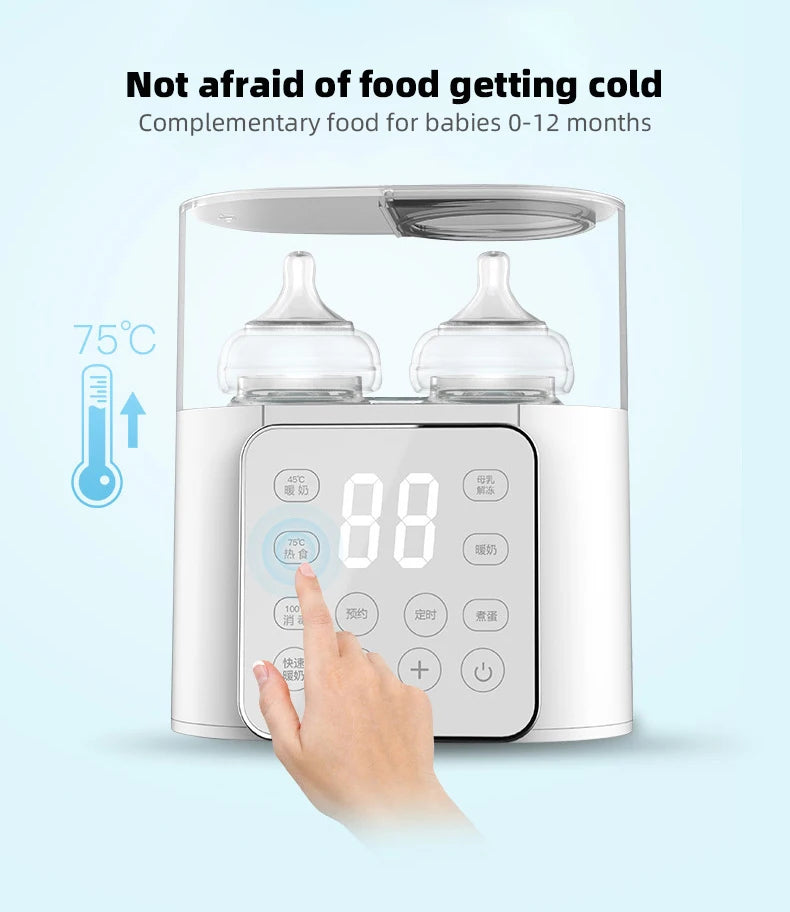
Warming breast milk without bottle warmer or with one — 💡 See it in action
Warming Breast Milk Without Bottle Warmer
Warming breast milk without bottle warmer is common when traveling, visiting family, or simplifying your kitchen. These methods are safe when done correctly.
- Warm water bath: The most consistent option at home.
- Running tap water: Use warm (not hot) water over the bottle.
- Room temperature wait: Takes longer but works in a pinch.
- Insulated mug: Fill with warm water to hold heat longer.
Keep a thermometer from Temperature Tools nearby if you’re unsure about heat levels.
Using a Bottle Warmer the Right Way
Following bottle warmer directions ensures consistent results and protects milk quality.
Direct answer: Bottle warmer directions typically recommend adding measured water, selecting the correct setting for refrigerated milk, and warming for 3–8 minutes depending on volume. Always swirl and test before feeding to ensure even temperature.
- Read the manufacturer’s guide for milk volume settings
- Choose the refrigerated milk mode, not frozen
- Stop warming once milk reaches body temperature
- Never rewarm the same milk twice
Many parents explore curated options in Bottle Warmers to match their feeding style.
How to Avoid Overheating Breast Milk in Bottle Warmer
Overheating breast milk in bottle warmer is one of the most common mistakes—and the easiest to prevent.
| Do | Avoid |
|---|---|
| Use low, gradual settings | High heat or steam modes |
| Swirl gently to mix | Shaking the bottle |
| Test before feeding | Assuming it’s ready |
If milk feels hot, let it cool naturally—never add cold water to fix temperature.
Time-Saving Tips That Fit Real Life
Busy moms benefit from small habits that save minutes every feed.
- Store bottles in ready-to-grab spots
- Pre-measure water for warm baths
- Use consistent bottle sizes
- Keep essentials together from Baby Care Essentials
One mom shared, “Once I stopped guessing and used the same routine every time, night feeds became calmer and faster.”
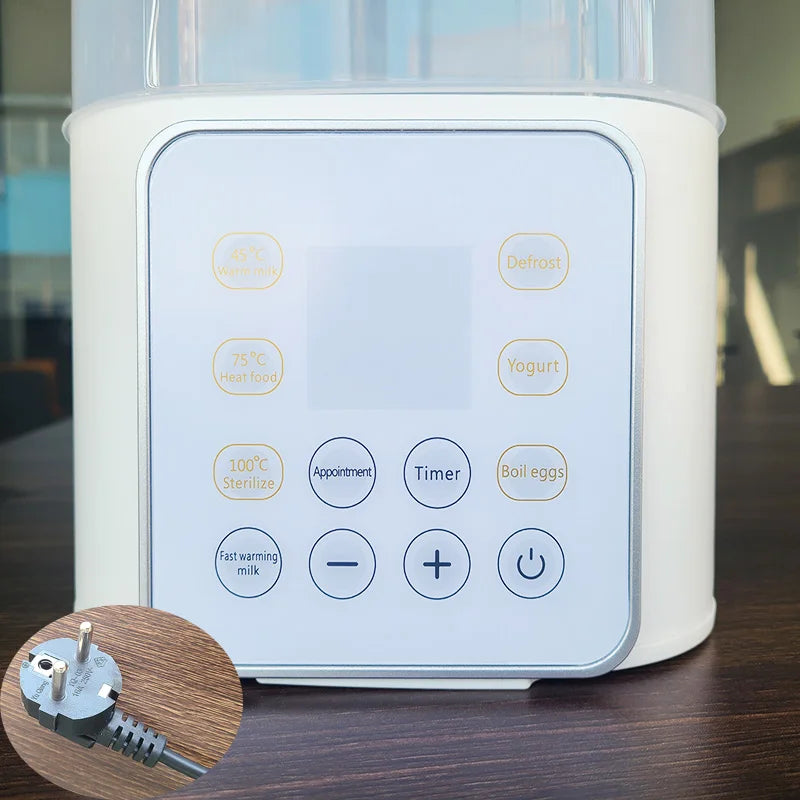
Bottle warmer directions made simple — 💡 See it in action
Final Safety Checks Before Feeding
- Milk should feel neutral, not warm
- No hot spots when swirled
- Discard leftovers after feeding
- Clean tools regularly using items from Sterilization Devices
Pairing safe habits with dependable gear from Feeding & Nursing can make daily routines smoother.
Mini FAQ
Can I microwave breast milk?
No. Microwaves heat unevenly and can destroy nutrients and create hot spots.
How long does warming usually take?
Most methods take 5–10 minutes, depending on volume and starting temperature.
Is it okay if milk separates?
Yes. Gently swirl to recombine fat before feeding.
What’s the safest target temperature?
Body temperature—about 98–99°F—so it feels neutral on your wrist.
Pillar Article: How to Sterilize Bottles by Boiling: Step-by-Step Guide for Parents
Other Related Articles:
- Steam Sterilization for Bottles: How to Do It at Home Safely
- Feeding Infant Formula Safely: Step-by-Step Preparation Guide
- How to Use Bottle Sterilizer: Tips for Safe and Efficient Feeding
Explore More:





