

What is steam sterilization for bottles?
Steam sterilization for bottles uses high-temperature steam, typically above 212°F (100°C), to kill bacteria, viruses, and mold on baby feeding items without chemicals. This steam sterilization method is fast, reliable, and effective, making steaming bottles sterilization a safer choice than shortcuts like sterilizing bottles dishwasher cycles.
Steam Sterilization for Bottles: How to Do It at Home Safely
Steam sterilization for bottles is one of the most trusted ways parents protect their baby’s feeding routine. If you’ve ever worried about invisible germs lingering on bottles, nipples, or pump parts, you’re not alone. Between late-night feeds and busy days, families need a method that’s fast, consistent, and safe—without adding stress to an already full plate.
⏱ 7 min read
Have you ever wondered if simply washing bottles is enough—or if there’s a better way to protect your baby’s developing immune system? Let’s break it down step by step and make sterilizing bottles feel simple, not overwhelming.
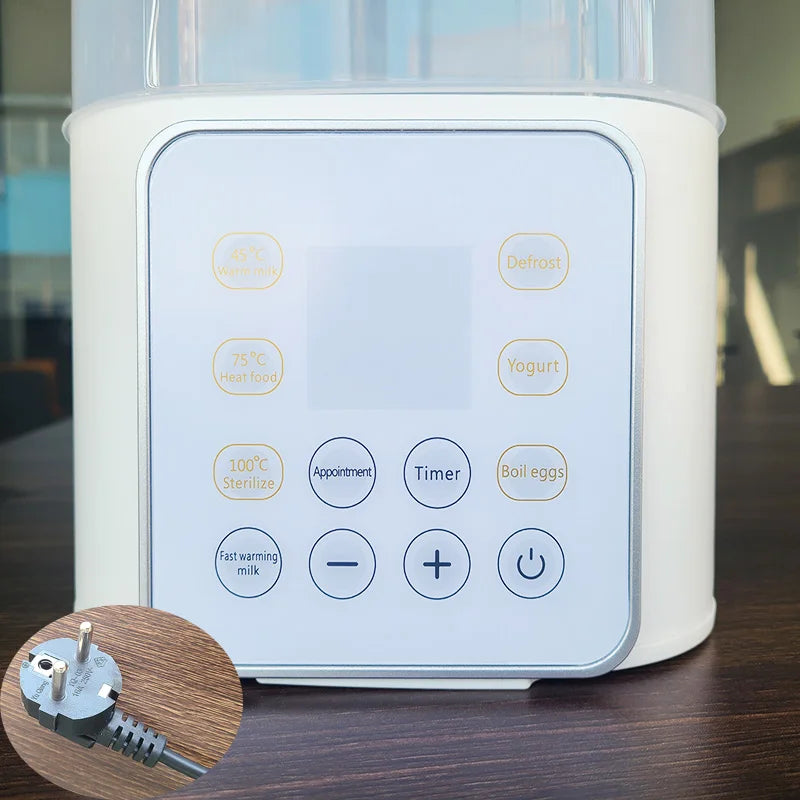
Steam sterilization for bottles at home using a safe, reliable steam sterilization method 💡 See it in action
Why Steam Sterilization Matters for Baby Health
Steam sterilization for bottles plays a critical role during a baby’s first year, when immune defenses are still developing. Even tiny amounts of leftover milk can become breeding grounds for bacteria if bottles aren’t properly sanitized.
- Helps reduce exposure to harmful germs
- Uses heat instead of chemical residue
- Supports safer feeding preparation
- Gives parents peace of mind
Many families browsing Baby Care Essentials or Feeding & Nursing solutions are looking for exactly this balance of safety and convenience.
How Does Steam Sterilization for Bottles Work?
Steam sterilization for bottles works by exposing feeding items to high-temperature steam long enough to destroy bacteria, viruses, and mold. Unlike surface cleaning, steam reaches crevices like nipple valves and bottle threads.
This steam sterilization method typically involves:
- Thoroughly washing bottles with soap and water
- Placing items in a steamer or sterilizer
- Heating until steam circulates for several minutes
- Allowing items to cool and dry safely
Parents often compare this to sterilizing bottles dishwasher cycles, but steam offers more controlled heat and consistent results.
Step-by-Step: Steaming Bottles Sterilization at Home
Steam sterilization for bottles is easy once you have a repeatable routine. Whether you’re a first-time parent or juggling multiple kids, consistency is key.
- Wash first: Always clean bottles with warm water and mild soap.
- Disassemble fully: Separate nipples, rings, and caps.
- Arrange properly: Place items open-side down for steam flow.
- Run the cycle: Follow your device’s recommended time.
- Air dry: Let bottles cool before handling.
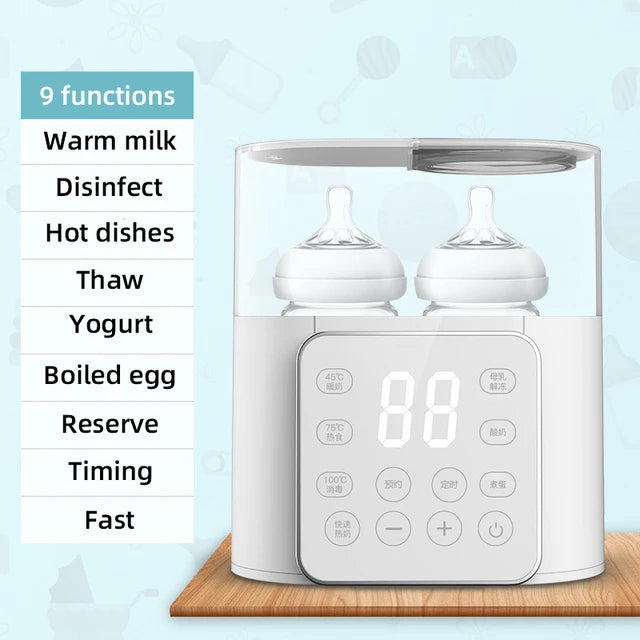
Steaming bottles sterilization done right for everyday baby bottle hygiene 💡 See it in action
Steam vs Other Ways to Sterilize Bottles
Parents often ask which method fits best into real life. Here’s a clear comparison:
| Method | Pros | Limitations |
|---|---|---|
| Steam Sterilization | Chemical-free, fast, reliable | Needs heat-safe tools |
| Boiling Water | No equipment needed | Time-consuming, burn risk |
| Sterilizing Bottles Dishwasher | Hands-off option | Inconsistent heat, residue concerns |
This is why many parents exploring Health & Safety or Sterilization Devices gravitate toward steam solutions.
Safety Tips Every Parent Should Know
Steam sterilization for bottles is safe when done correctly. Keep these tips in mind:
- Always allow steam to vent before opening lids
- Use heat-resistant tongs if needed
- Keep sterilizers out of children’s reach
- Check bottle materials for heat compatibility
These small habits prevent burns and protect feeding tools long term.
Tools That Make Bottle Sterilizing Easier
Modern parents rely on smart tools to simplify routines. Multi-function warmers and sterilizers reduce clutter and save time, especially during nighttime feeds.
Many families browsing Bottle Warmers or Baby Hygiene Gadgets appreciate having one device handle multiple tasks.
Helpful features to look for:
- Automatic shut-off
- Fast steam cycles
- Compact countertop design
- Easy-clean surfaces
One example parents often choose is a multi-function bottle warmer that supports steam sterilization for bottles alongside warming and defrosting: Baby Bottle Warmer Multi-Function.
Building a Stress-Free Daily Routine
Consistency turns steam sterilization into second nature. Try sterilizing once daily if your baby is under 12 months, or after illness, travel, or missed cleanings.
Pairing bottle care with other routines—like prepping tomorrow’s feeds—keeps evenings calmer and mornings smoother.
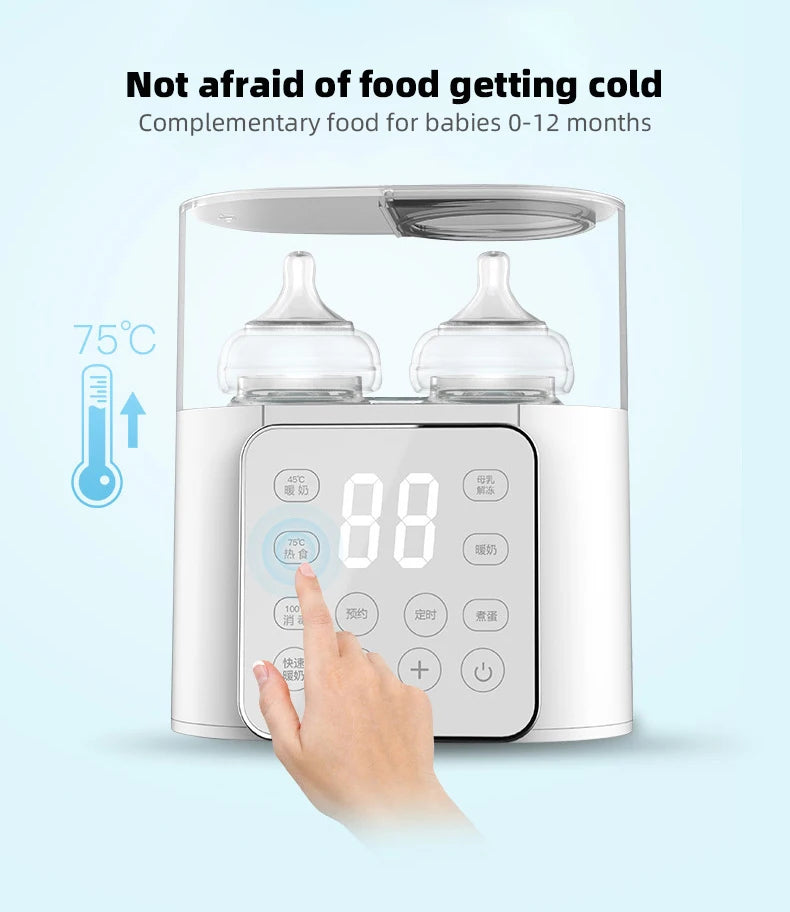
Steam sterilization method that fits real family routines 💡 See it in action
Quick FAQ
How often should I use steam sterilization for bottles?
Most parents sterilize daily during the first year, then as needed after sickness or travel.
Is steam better than sterilizing bottles dishwasher cycles?
Steam provides more consistent heat and avoids detergent residue, especially for nipples and small parts.
Can all bottles handle steam sterilization?
Most BPA-free plastic, glass, and silicone bottles are safe, but always check manufacturer guidelines.
Do I need to sterilize after every feeding?
No. Regular washing plus daily steam sterilization is usually sufficient for healthy babies.
Pillar Article: How to Sterilize Bottles by Boiling: Step-by-Step Guide for Parents
Other Related Articles:
- Feeding Infant Formula Safely: Step-by-Step Preparation Guide
- How to Warm Breast Milk from Fridge: Quick Steps for Busy Moms
- How to Use Bottle Sterilizer: Tips for Safe and Efficient Feeding
Explore More:





