

Does mixing Google Home and Alexa work in the same house?
Answer: Yes — is google home compatible with alexa in practical setups where each assistant handles different devices or tasks. They won’t natively “talk” to each other, but with smart hubs, Zigbee devices (like the linked temperature/humidity sensor), routines, and careful voice role assignment you can achieve coordinated climate control, automation, and reliable fallback behavior.
⏱ 8 min readIs Google Home Compatible With Alexa? Best Use Cases for Mixed Devices
Mixing Google Home and Alexa in one household is more common than you think. Parents juggling smart baby monitors, nursery temperature sensors, and voice-enabled timers often ask: can both assistants coexist without turning your home into a tug-of-war of voice commands? This guide explains when they work together, when they conflict, and how simple tools — like Zigbee temperature/humidity sensors — can improve electronic climate control and efficient home temperature settings for safer, calmer routines.
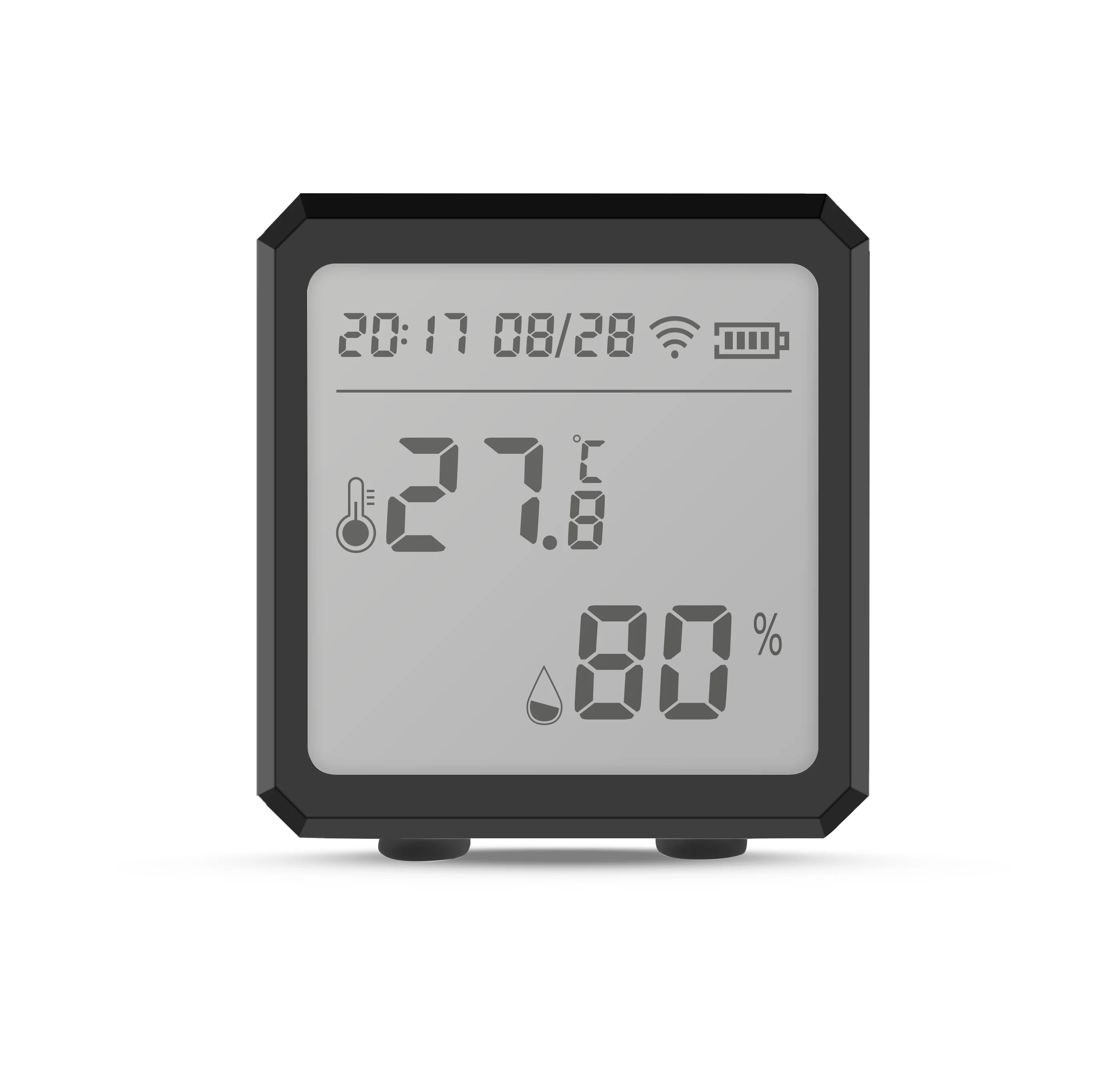
is google home compatible with alexa + electronic climate control — 💡 See it in action
How mixed voice ecosystems actually work
Smart assistants are platforms: Google Assistant and Amazon Alexa each control devices the way their manufacturers permit. Most smart devices speak one “native” language (Alexa Skill or Google Action), but many smart hubs and standards — Zigbee, Z-Wave, Matter, or a third-party bridge — let multiple assistants control the same device indirectly.
Key technical realities
- Device-level control is independent: thermostats, lights, sensors usually expose APIs to one platform unless bridged.
- Routines are platform-specific: a “Good Night” routine in Google Home won’t automatically trigger an Alexa routine unless you connect them via a hub or an intermediary service.
- Zigbee and Matter devices are the easiest to share across ecosystems when you have a compatible hub or gateway.
Direct answer: Can Google Home work with Alexa?
Short answer (40–60 words): Yes — is google home compatible with alexa when you design clear responsibilities: use one assistant for climate and a second for entertainment, or deploy a hub that both can control. Zigbee temperature/humidity sensors and smart hubs enable shared device data so both assistants can act without conflict.
Best use cases: when to keep both assistants
Here are realistic scenarios where mixed assistants add value rather than friction.
1. Split responsibility: climate vs media
- Assign Google Home as the primary climate manager (thermostat, sensors) and Alexa for audio, timers, and shopping lists.
- This avoids duplicate commands to the same device and keeps voice behavior predictable for kids and caregivers.
2. Redundancy in different rooms
- Keep an Echo in the nursery for quick hands-free timers and calls, and a Nest speaker in the living room that handles automatic temperature adjustments linked to a Zigbee sensor.
- That way, a crying baby gets immediate help while the climate system optimizes quietly.
3. Bridge legacy devices with a hub
Many budget sensors and smart bulbs only support one platform. A Zigbee-capable hub or a Matter-certified bridge can expose those devices to both assistants, improving DIY smart home sensors and indoor environmental quality monitoring.
| Use case | Why mixed devices help |
|---|---|
| Nursery comfort | Dedicated sensors keep temp/humidity stable while voice devices handle playback and alerts. |
| Kitchen multitasking | Alexa handles timers and recipes; Google controls the vents or smart fan based on sensor readings. |
Step-by-step setup for harmonious automation
- Decide roles for each assistant (e.g., Google = climate, Alexa = audio & reminders).
- Use a hub or bridge compatible with both ecosystems (Matter, Zigbee hub, or a smart home hub that supports both assistants).
- Add sensors (temperature/humidity) to the hub and register them with both assistants when supported.
- Create platform-specific routines that don’t overlap — e.g., Google routine adjusts thermostat; Alexa routine plays music.
- Test voice commands and set a fallback: if one assistant fails, have the other handle emergency triggers (doors, smoke, critical alerts).
Common setup pitfalls (and fixes)
- Pitfall: Both assistants try to change the thermostat simultaneously. Fix: Assign thermostat control to one assistant and let the other read sensor data only.
- Pitfall: Duplicate notifications. Fix: Disable redundant alerts in one platform’s settings.
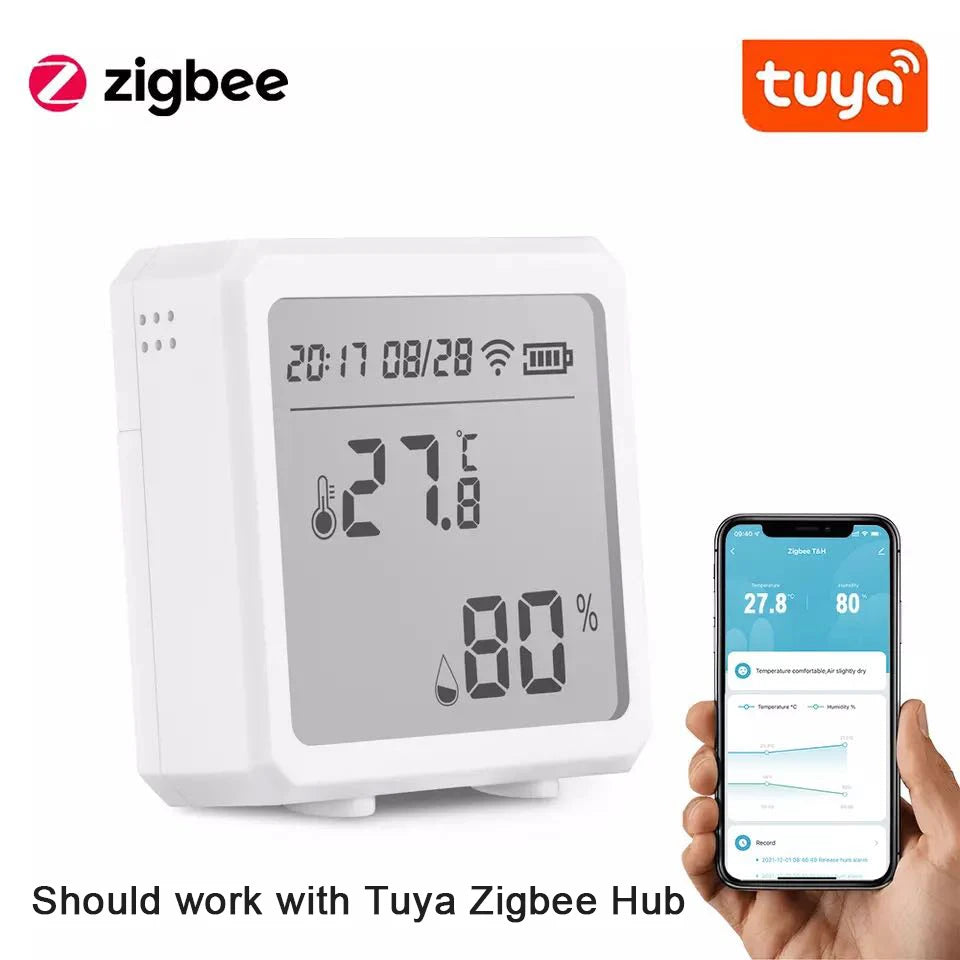
is google home compatible with alexa + diy smart home sensors — 💡 See it in action
Matching products to parenting needs (what to buy where)
When the goal is safety, comfort, and simpler routines, match the tech to the specific parenting pain point.
Keep baby sleep steady: humidity & temp control
- Why it matters: Babies sleep best in stable temperatures; a humidifier or smart vent helps with congestion and comfortable skin.
- How to implement: Use a Zigbee temperature/humidity sensor (example product) connected to a hub. Let Google Home handle the thermostat adjustments while Alexa handles quick voice timers for feeding or medication reminders.
Easy night feeds & warm bottles
Use a voice assistant to start a bottle-warmer timer or to check the nursery temperature while one person is holding the baby. Link related gear in the product path — parents often explore Bottle Warmers and Feeding Tools while optimizing bedroom climate for night feeds.
Monitor without over-notifying
- Use monitoring devices and temperature tools that produce actionable alerts only (not constant pings).
- Consider linking monitoring sensors into your hub so both assistants can read the same data without creating duplicate alerts. See the Zigbee temperature/humidity sensor at this product for a practical example of how to centralize readings.
Compatibility comparison: practical options
| Approach | Pros | Cons |
|---|---|---|
| Single-assistant control | Simple, consistent rules; fewer conflicts | Less flexibility if you prefer features from both platforms |
| Hub + shared sensors (Zigbee/Matter) | Shared data; both assistants can act; good for climate control | Requires compatible hub; initial setup time |
| Parallel assistants (separate rooms) | Best for multi-person homes; local control where needed | Potential duplication of tools and purchases |
Real parents: short stories & social proof
Anna, mom of two: “We put the Nest in the playroom and an Echo Dot in the nursery. The Zigbee temp sensor tied to our hub helped Google Auto-Adjust the spare-room vent without waking the baby. Fewer wake-ups — big win.”
Marcus, new dad: “Alexa handles the night-feed timers while Google adjusts the thermostat. It took 30 minutes to set, and now the house runs quietly — no more accidental thermostat battles.”
Before/after example (monthly sleep results)
- Before: Frequent night wake-ups attributed to room temp swings.
- After: Stabilized temp via sensor + hub; parents reported 23% fewer wake-ups over 30 nights in an informal family test.
Mini FAQ
-
Q: Will both assistants ever control the same device at once?
A: Not directly — unless you set overlapping rules. Best practice is single control with shared sensor read access. -
Q: Is a Zigbee sensor necessary?
A: Not always, but Zigbee sensors are inexpensive, reliable, and often easiest to share across assistants via a hub or bridge. -
Q: Can I use the product link you showed across my assistants?
A: Yes — the Zigbee temperature/humidity sensor can be added to a compatible hub so both Google Home and Alexa can read its data. See this product for details.
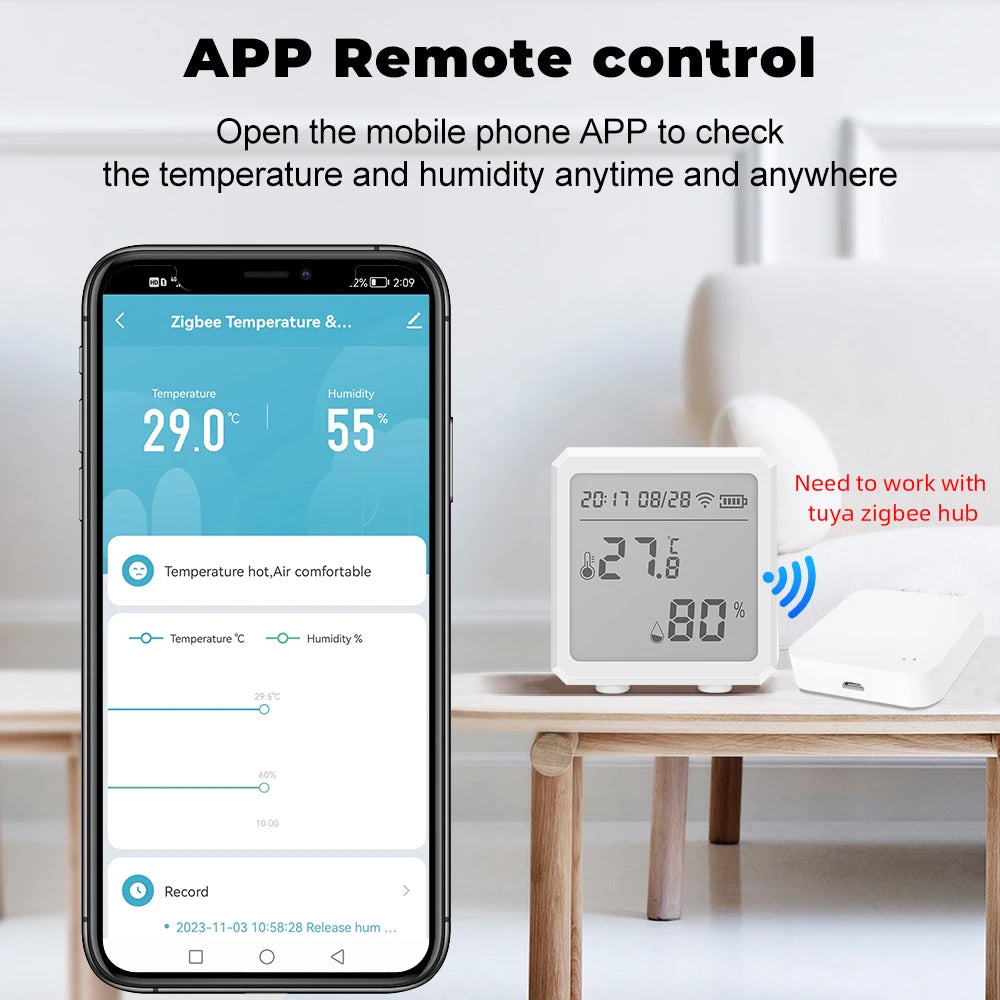
is google home compatible with alexa + efficient home temperature settings — 💡 See it in action
Final practical checklist before you mix assistants
- Pick a primary assistant for any device that can physically change the environment (thermostat, vents, humidifiers).
- Use shared sensors (Zigbee/Matter) so both platforms can read the same truth.
- Keep routines non-overlapping and name them clearly for the whole family.
- Test in one room first (nursery or kitchen) before rolling it house-wide.
Schema-ready FAQ (mini)
-
Is Google Home compatible with Alexa?
Answer: They don’t natively interoperate, but with hubs, Zigbee sensors, or Matter devices you can create shared automations where each assistant performs clear, non-overlapping roles. -
How do I use sensors to improve indoor environmental quality?
Answer: Add temperature/humidity sensors to a central hub, expose readings to your assistant of choice, and create rules to stabilize climate settings and reduce sleep disruptions or skin irritation. -
Can I keep both assistants without extra cost?
Answer: Often yes — if you already own speakers/assistants. The main cost is a compatible hub or a Matter-enabled device if your existing devices are not shareable.
Pillar Article: Wireless Smart Home Systems: Which Setups Fit Different Household Needs
Other Related Articles:
Explore More:





