

How to Improve Indoor Air Quality: Top Smart Monitors Compared
Improving indoor air quality starts with understanding what is happening inside your home. A modern indoor air quality monitor measures key environmental factors such as particulate matter (PM2.5), carbon dioxide (CO₂), humidity, and temperature, helping you identify pollution sources before they affect comfort or health. Whether you're protecting a nursery, reducing allergy symptoms, or creating a healthier living space, smart monitoring removes the guesswork by providing real-time data and actionable insights.
In this guide, you'll compare today's leading smart monitoring solutions, learn which features matter most, and discover how smart humidity sensors and electronic climate control can work together to create a cleaner, healthier indoor environment with less manual effort.
Reading time: 7 minutes
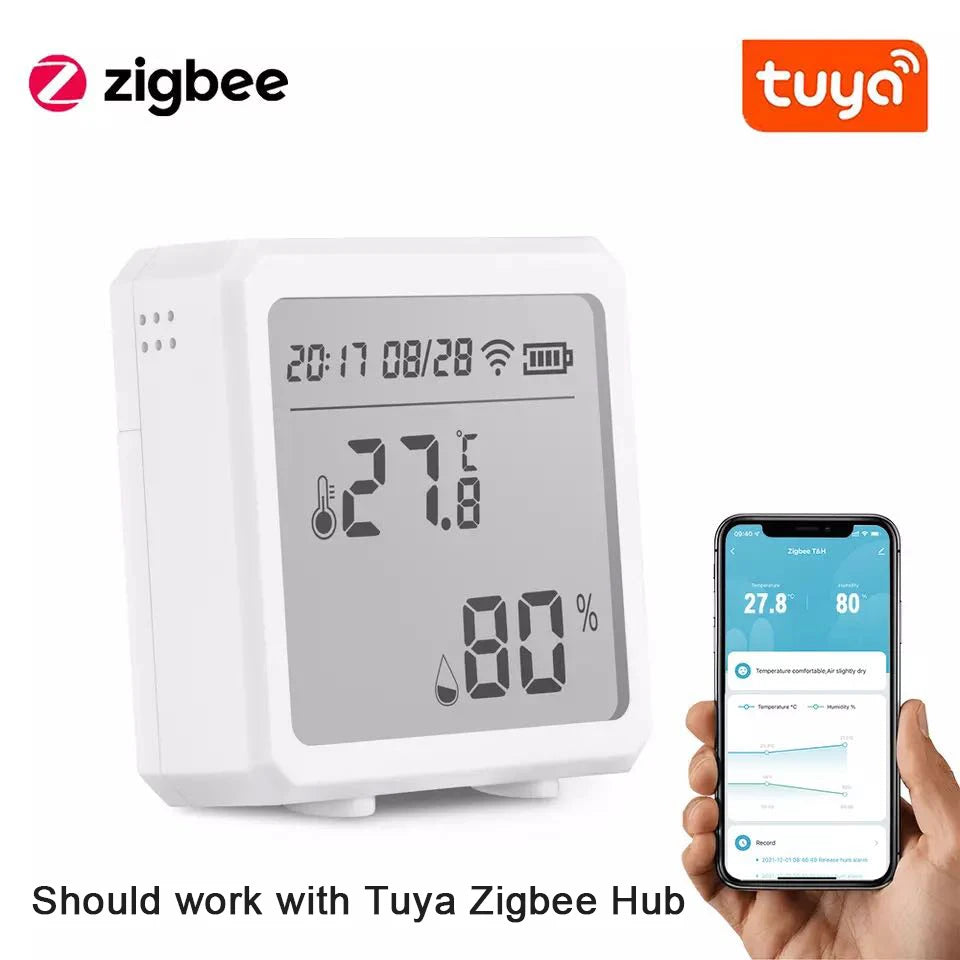
How to improve indoor air quality with smart monitoring and environmental sensors.
Top Smart Monitors Compared
Quick answer: The best indoor air quality monitors continuously measure PM2.5, humidity, temperature, and CO₂ while providing timely alerts and automation options. Models that integrate with HVAC systems, smart fans, air purifiers, or dehumidifiers deliver the greatest long-term improvement because they turn environmental data into immediate corrective action.
What to expect from a quality smart monitor
A reliable smart indoor air quality monitor should do more than display numbers. The most useful systems identify trends, send alerts before conditions become unhealthy, and integrate with smart home devices that automatically improve air quality.
- Accurate PM2.5 monitoring to detect smoke, cooking emissions, wildfire particles, and traffic pollution.
- Responsive humidity sensing that helps maintain an ideal indoor humidity range while reducing mold and dust mite growth.
- Reliable CO₂ measurement to indicate when ventilation should be increased.
- Smart automation support for HVAC equipment, air purifiers, fans, smart plugs, or electronic climate control systems.
- Historical reporting that reveals recurring pollution events and seasonal indoor air quality changes.
Device A — Best for families who want automation
Best for: Smart homes that automatically respond to changing air quality.
Device A combines accurate PM2.5 monitoring, dedicated CO₂ sensing, and dependable humidity tracking with powerful automation capabilities. Families can create routines that activate ventilation, filtration, or climate controls whenever preset thresholds are exceeded, making it an excellent long-term solution for busy households.
- Pros: Excellent automation, detailed historical reports, multi-room support, strong app experience.
- Cons: Higher purchase price and slightly more involved setup.
Device B — Best budget monitor
Best for: Homeowners seeking reliable indoor climate monitoring without paying for advanced automation.
Device B focuses on dependable humidity and temperature readings while providing simple notifications for elevated particulate levels. Although it lacks extensive smart-home integrations, it offers excellent value for users who primarily want visibility into indoor environmental conditions.
- Pros: Affordable, accurate humidity readings, excellent battery life, easy installation.
- Cons: Limited automation and fewer integration options.
Device C — Best for detailed environmental control
Best for: Allergy sufferers, asthma-sensitive households, and users who want comprehensive environmental data.
In addition to PM2.5, humidity, and CO₂, Device C measures volatile organic compounds (VOC) and formaldehyde while offering advanced reporting and data export capabilities. Its expanded sensor suite makes it well suited for households that want deeper insight into indoor environmental quality.
- Pros: Comprehensive sensing package, advanced alerts, detailed trend analysis, ideal for allergy-sensitive homes.
- Cons: Premium pricing and a steeper learning curve.
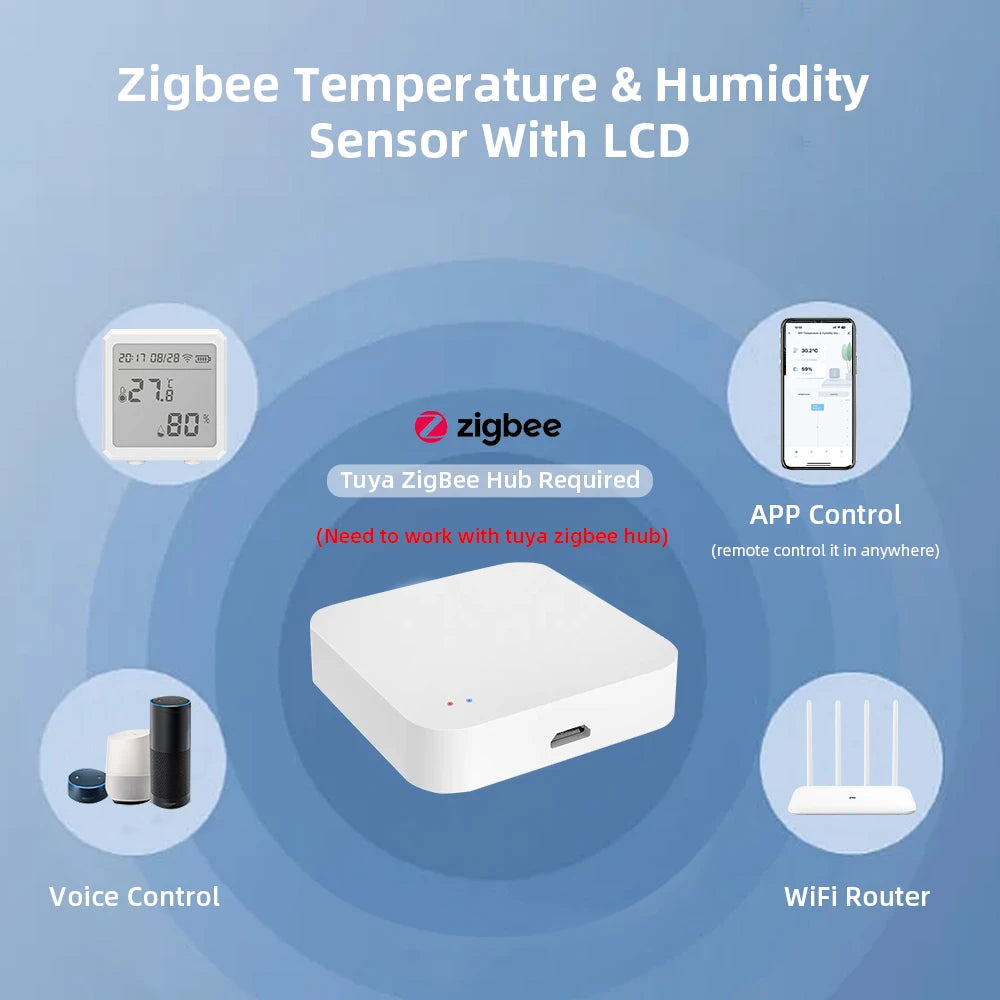
Smart humidity sensors and indoor environmental monitoring help maintain healthier living spaces.
How to Use Smart Monitors to Improve Indoor Air Quality
Installing an indoor air quality monitor is only the first step. The biggest improvements come from responding to the data your monitor provides. By combining accurate measurements with ventilation, filtration, and humidity control, you can reduce airborne pollutants while maintaining a healthier indoor environment throughout the year.
- Place monitors strategically. Position monitors in frequently occupied rooms such as bedrooms, nurseries, living rooms, or home offices. Keep them away from windows, HVAC vents, direct sunlight, and cooking appliances so readings reflect average room conditions.
- Create actionable alert thresholds. Configure notifications for conditions that require attention, such as PM2.5 above 12 µg/m³, humidity outside the recommended 30–50% range, or CO₂ levels exceeding roughly 800–1,000 ppm, prompting additional ventilation when needed.
- Automate your response. Connect compatible monitors to air purifiers, smart plugs, exhaust fans, or HVAC controls so corrective actions begin automatically whenever air quality declines.
- Maintain healthy humidity. Use a humidifier or dehumidifier to keep relative humidity within the recommended range while cleaning water reservoirs and filters regularly to prevent mold and bacteria buildup.
- Review historical trends. Analyze weekly reports to identify recurring pollution sources such as cooking, cleaning products, heavy occupancy, or seasonal outdoor air quality events, then adjust household routines accordingly.
Automation: When Monitoring Becomes Action
Modern smart indoor air quality monitors become significantly more valuable when paired with automation. Instead of simply displaying measurements, they can trigger air purifiers during particulate spikes, activate ventilation when CO₂ increases, or adjust humidifiers whenever indoor humidity drifts outside the ideal range.
Integration with electronic climate control systems, smart thermostats, and smart plugs also improves energy efficiency because equipment operates only when sensors detect a genuine need, reducing unnecessary runtime while maintaining consistently healthier indoor air.
Room-by-Room Tips to Improve Indoor Environmental Quality
Nursery & Baby Rooms
- Install the monitor several feet from the crib at approximately breathing height rather than directly beside windows, vents, or humidifiers.
- Maintain indoor humidity around 40–50% during colder months to support respiratory comfort while avoiding prolonged humidity above 55%, which encourages mold and dust mites.
- Pair a HEPA air purifier with smart monitoring so filtration automatically increases during elevated PM2.5 events.
Kitchen & Living Areas
- Cooking is one of the largest indoor sources of fine particles. Use a range hood or nearby air purifier whenever frying, grilling, or baking.
- If paints, cleaning products, candles, or fragrances are frequently used, monitor VOC levels when available and increase ventilation after use.
- Track recurring PM2.5 spikes to identify household activities that contribute most to indoor pollution.
Bedrooms
- Maintain consistent nighttime temperatures to improve sleep comfort and reduce large overnight climate fluctuations.
- Monitor humidity and overnight CO₂ levels to determine whether additional ventilation is needed while sleeping.
- Keep monitors away from heating vents, portable fans, and open windows for more representative readings.
Buying Guide: Features That Matter Most
Choosing the right indoor air quality monitor depends on your home, health concerns, and automation goals. Focus on measurement quality before advanced features, since accurate data is the foundation of effective indoor air management.
- PM2.5 sensor quality: Choose monitors that use proven laser particle sensors with documented accuracy or factory calibration.
- Humidity performance: A responsive smart humidity sensor with approximately ±2–3% RH accuracy helps maintain a stable indoor climate.
- CO₂ monitoring: True NDIR CO₂ sensors generally provide better accuracy than estimated values and are especially valuable in bedrooms, offices, and classrooms.
- Smart home compatibility: Look for integration with smart thermostats, HVAC systems, air purifiers, smart plugs, or home automation platforms if automatic responses are important.
- App experience: Historical charts, customizable notifications, trend analysis, and data export make it easier to identify recurring indoor air quality issues.
- Maintenance requirements: Consider whether the monitor supports calibration reminders, firmware updates, and long-term sensor reliability before purchasing.
Comparison Table: Top Indoor Air Quality Monitors
| Feature | Device A | Device B | Device C |
|---|---|---|---|
| Primary sensors | PM2.5, CO₂, humidity, temperature | PM2.5, humidity, temperature | PM2.5, CO₂, VOC, formaldehyde, humidity |
| PM2.5 performance | High accuracy | Good for everyday monitoring | High accuracy with calibration support |
| Humidity monitoring | Smart humidity sensor (±3% RH) | High accuracy (±2% RH) | Historical humidity trends |
| CO₂ monitoring | Yes (NDIR sensor) | No | Yes |
| Smart home integration | Advanced HVAC automation | Notifications only | Smart plug and automation rules |
| Best suited for | Families wanting full automation | Budget-conscious households | Allergy and asthma management |
| Overall value | Excellent | Very Good | Premium |
If you're primarily interested in automating your home's indoor climate, Device A offers the strongest combination of smart home integration and air quality monitoring. Device B provides excellent value for everyday household use, while Device C is best suited for users who require detailed environmental analysis and advanced pollutant tracking.
Looking for an easy way to monitor indoor temperature and humidity? The Zigbee temperature & humidity sensor (LCD, wireless) offers reliable environmental monitoring and integrates well into compatible smart home systems.
Maintenance, Calibration & Common Mistakes
Even the most accurate indoor air quality monitor requires occasional maintenance to deliver dependable readings. Following a few simple practices helps extend sensor lifespan while reducing inaccurate measurements and false alerts.
- Clean connected humidity equipment regularly. Humidifiers and dehumidifiers should be cleaned weekly to prevent mold, bacteria, and mineral buildup inside water reservoirs.
- Maintain healthy indoor humidity. Prolonged humidity above approximately 55% encourages mold growth and dust mites, while excessively dry air can cause respiratory discomfort and dry skin.
- Verify sensor accuracy periodically. If possible, compare lower-cost PM2.5 monitors with a trusted reference monitor or outdoor air quality reports to identify sensor drift.
- Install monitors correctly. Avoid placing sensors directly beside windows, HVAC vents, kitchens, fireplaces, or humidifiers where localized conditions can distort measurements.
- Keep firmware updated. Manufacturers often improve sensor performance, app stability, and automation reliability through software updates.
- Allow stabilization after installation. Many indoor air quality monitors require several hours after setup before readings become fully representative of normal household conditions.
Frequently Asked Questions
What does an air quality monitor measure?
Most indoor air quality monitors measure a combination of PM2.5, temperature, relative humidity, and carbon dioxide (CO₂). Advanced models may also monitor volatile organic compounds (VOC), formaldehyde, PM10, and calculate an overall Air Quality Index (AQI) to provide a more complete picture of indoor environmental conditions.
Which air quality metrics matter most for homes?
For most households, PM2.5, CO₂, humidity, and temperature provide the most useful information. Together, these measurements indicate ventilation quality, airborne particle levels, moisture balance, and overall indoor comfort.
How accurate are indoor air quality monitors?
Accuracy varies by manufacturer and sensor technology. Models equipped with laser particle sensors, NDIR CO₂ sensors, and factory-calibrated humidity sensors generally provide the most reliable readings for residential monitoring. Periodic maintenance and proper placement also improve long-term accuracy.
How do I choose the best indoor air quality monitor?
Prioritize monitors that accurately measure PM2.5, humidity, temperature, and CO₂. Consider smart home compatibility, historical reporting, mobile app quality, calibration support, and automation features if you want the monitor to control air purifiers or HVAC equipment automatically.
Can a smart indoor air quality monitor control other devices?
Many smart indoor air quality monitors integrate with compatible smart home ecosystems, allowing them to activate air purifiers, exhaust fans, humidifiers, dehumidifiers, or HVAC systems automatically whenever indoor conditions exceed preset thresholds.
Do I need CO₂ monitoring or just PM2.5?
PM2.5 monitoring helps detect airborne particles from cooking, smoke, and outdoor pollution, while CO₂ monitoring indicates whether ventilation is adequate. For most homes, monitoring both provides a more complete understanding of indoor air quality.
Where is the best place to install an air quality monitor?
Place monitors in frequently occupied rooms such as bedrooms, living rooms, nurseries, or home offices. Avoid positioning them directly beside windows, doors, HVAC vents, cooking appliances, or humidifiers to ensure representative readings.
How often should sensors be calibrated?
Calibration requirements depend on the manufacturer. Most consumer monitors benefit from periodic firmware updates, occasional comparison with trusted reference instruments, and following the manufacturer's recommended maintenance schedule to maintain reliable performance.
Related reads: explore Temperature Tools for devices that help maintain a consistent indoor climate, or browse Monitoring Devices to compare smart sensors, automation options, and environmental monitoring solutions.
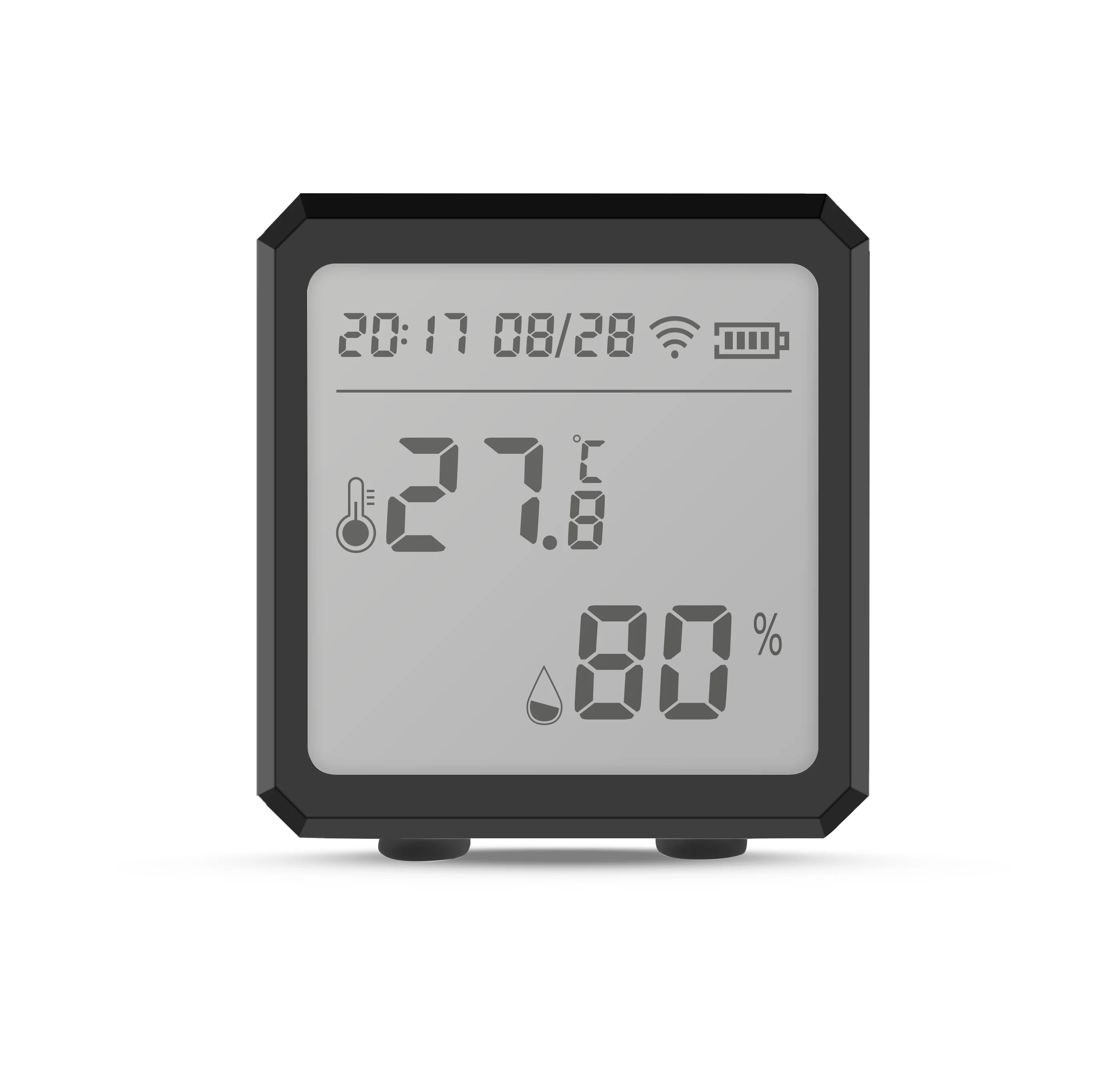
Smart humidity sensors and electronic climate control help maintain healthier indoor air every day.
Pillar Article: Smart Sensors for Home: Honest Comparison of Top Climate Monitoring Picks
Other Related Articles:
- Humidity Too High in House? Best Smart Detectors to Fix It Fast
- Temperatur Sensor Google Home: Top Options That Sync Smoothly
- How to Control the Humidity: Which Smart Sensors Actually Work Best
- How to Prevent Mold in Home: Best Sensors Reviewed for Early Detection
Explore More:





