

Does a wireless home automation system really stabilize indoor temperature?
Yes — a wireless home automation system can reduce thermostat temperature jumping by using smart schedules, adaptive setpoints, and local Zigbee temperature and humidity sensors to make faster, smaller corrections. That means fewer cold/hot spikes, more consistent rooms for sleeping little ones, and energy savings without constant manual tuning.
⏱ 8 min readWireless Home Automation System Benefits for Homes With Fluctuating Climate
A wireless home automation system can make fluctuating climates easier to handle by reducing thermostat temperature jumping, helping stabilize temperature, and pairing seamlessly with a zigbee temperature and humidity sensor to fine-tune your climate control settings—so why are most homeowners still missing out on these smarter, calmer upgrades?
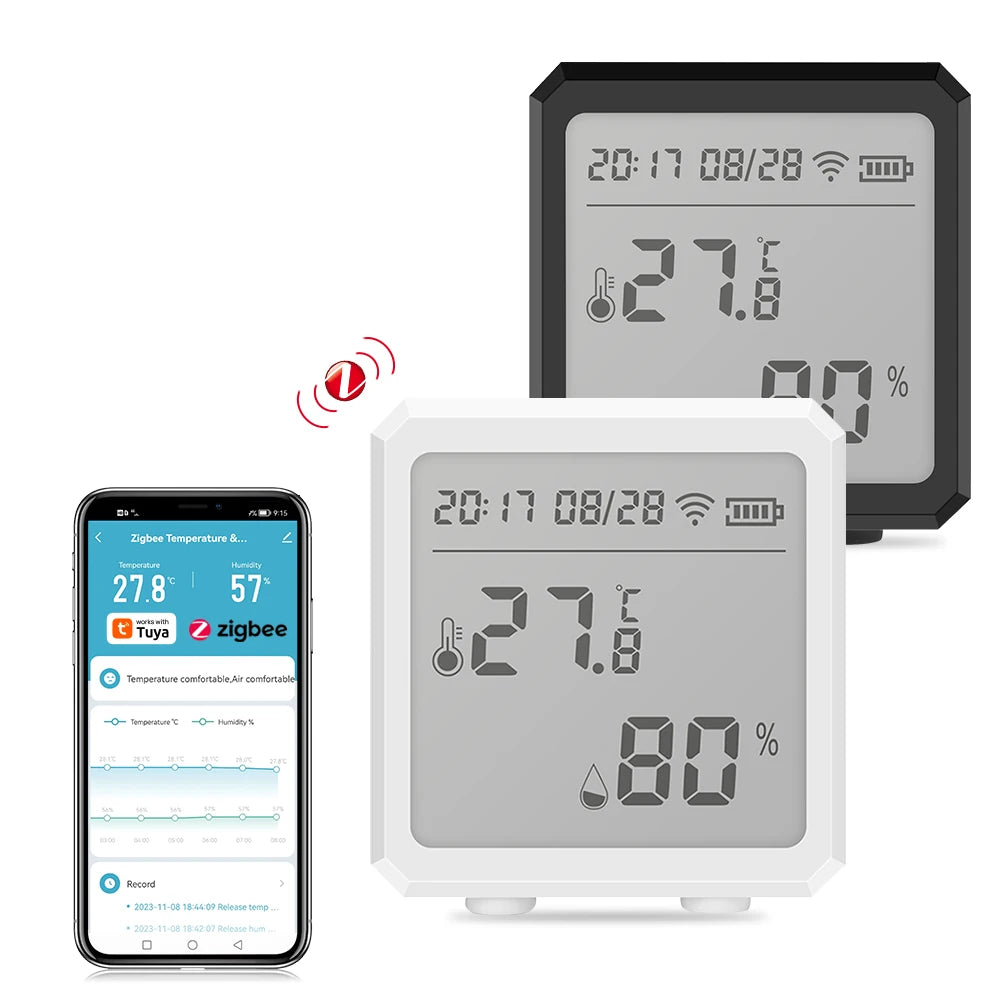
wireless home automation system + thermostat temperature jumping — 💡 See it in action.
Start by learning how smart climate tools keep the nursery stable and cozy.
Introduction — Why temperature swings matter for families
Parents notice temperature swings quickly: a baby who wakes from cold, a toddler who sweats in the afternoon, or an elderly relative uncomfortable overnight. Thermostat temperature jumping — when the set temperature bounces up and down — makes these problems worse. A wireless home automation system gives you centralized control and local sensing to stabilize temperature where people actually sleep and play.
How a wireless home automation system helps
Start with the result: fewer spikes, steadier comfort, and less fiddling. Here’s how the system does it:
- Local sensing: Zigbee temperature and humidity sensor data tells the hub what each room really feels like instead of relying on one hallway thermostat.
- Adaptive control: Smart thermostats use algorithms to prevent short cycling and thermostat temperature jumping by predicting heating/cooling needs.
- Scene-based rules: Bedrooms can use slightly different setpoints and humidity targets than living rooms, activated by schedules or occupancy sensors.
- Remote adjustments: Change climate control settings from your phone when you know a nap or bedtime is coming.
Featured snippet — key benefits (ordered)
- Reduces thermostat temperature jumping by smoothing setpoint changes.
- Stabilizes temperature using room-level Zigbee temperature and humidity sensor data.
- Improves sleep and comfort with tailored climate control settings per room.
- Saves energy by avoiding frequent on/off cycles and inefficient overshoots.
Key components: sensors, hubs, and smart thermostats
To stop temperature swings you need data, a brain, and an actuator. Here’s what each piece does.
- Zigbee temperature and humidity sensor: Measures local conditions — vital when the thermostat’s location doesn’t reflect nursery or bedroom temps.
- Smart thermostat: Receives instructions from the hub and runs HVAC equipment more smoothly to avoid short cycles.
- Hub or bridge: Orchestrates rules, schedules, and sensor inputs across the system.
- Optional add-ons: Window/door sensors, occupancy detectors, and smart vents for room-by-room airflow control.
How each component reduces thermostat temperature jumping
- Sensors provide granular readings so the hub only makes necessary corrections.
- Thermostats with adaptive control lengthen cycles slightly to prevent frequent toggling.
- Schedules prevent sudden demand spikes (for example, pre-warming before sleep) that cause overshoot.
Real-life scenarios: match needs to solutions
Match your household to the right setup—examples below help you visualize what matters most.
Scenario A — Newborn in a room colder than the rest of the house
- Pain: Nursery thermostat reads warmer, newborn wakes shivering.
- Solution: Add a Zigbee temperature and humidity sensor in the nursery and create a temperature hold between 68–70°F at night.
- Result: Targeted heating keeps the baby comfortable without overheating the whole house.
Scenario B — Upstairs rooms overheat in afternoon sun
- Pain: Overheated rooms trigger quick AC cycles and thermostat temperature jumping.
- Solution: Install sensors upstairs, use staggered cooling setpoints, and automate blinds or smart vents if available.
- Result: More stable temps and fewer AC on/off cycles.
Which baby gear suits your newborn best? Read on!
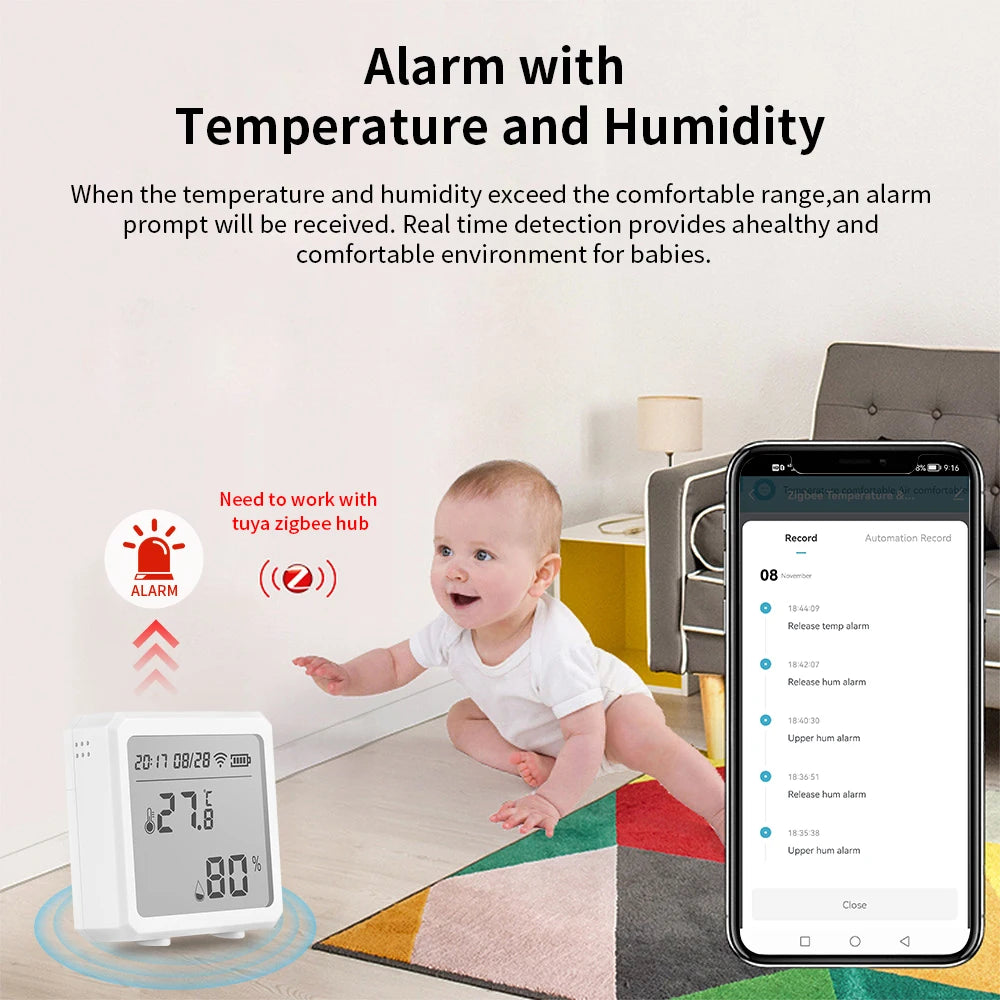
stabilize temperature + zigbee temperature and humidity sensor — 💡 See it in action.
Explore how sensors and thermostats work together for nursery comfort.
Simple setup and tuning steps
Follow these steps to reduce thermostat temperature jumping and stabilize temperature throughout your home.
- Place a Zigbee temperature and humidity sensor in the room you want to stabilize (avoid direct sunlight and drafts).
- Pair the sensor with your hub and link the hub to a smart thermostat.
- Create a room-specific climate control settings profile: target temperature range and humidity limit.
- Use adaptive schedules (wake, away, sleep) and set gradual transition times to avoid abrupt changes.
- Monitor for a week and fine-tune: adjust offsets or hold times to reduce short cycling.
Quick comparison: manual control vs. automation
| Feature | Manual control | Wireless automation |
|---|---|---|
| Thermostat temperature jumping | Common — frequent user overrides | Reduced — adaptive logic prevents short cycles |
| Room-level accuracy | Low — depends on thermostat location | High — Zigbee temperature and humidity sensors add precision |
| User convenience | Manual adjustments required | Remote and automated adjustments |
| Energy efficiency | Variable | Improved — fewer overshoots and short cycles |
Social proof & parent stories
“We saw night-time temp swings drop and our newborn slept longer.” — Jessica, mom of one. After adding room sensors and tuning the sleep profile, she reported fewer wake-ups and a calmer nursery environment.
“Our upstairs stopped overheating in the afternoons.” — Marcus, DIY dad. Staggered cooling setpoints and a sensor upstairs reduced AC runtime and stabilized the bedroom temps for better naps.
Buying guide & where to look
When shopping, focus on compatibility (Zigbee support), battery life, accuracy (±0.5°F preferred), and signal range. If your family uses baby tech, consider integration with Monitoring Devices or Temperature Tools to centralize gear.
- Choose sensors labeled for Zigbee compatibility for reliable pairing.
- Look for humidity sensing if dry or damp conditions are a concern — humidity affects perceived temperature and comfort.
- Check whether the smart thermostat supports adaptive algorithms and 3rd-party sensors.
Product highlight: the Zigbee temperature and humidity sensor pairs easily and displays local data — check the product page for details: Zigbee temperature & humidity sensor.
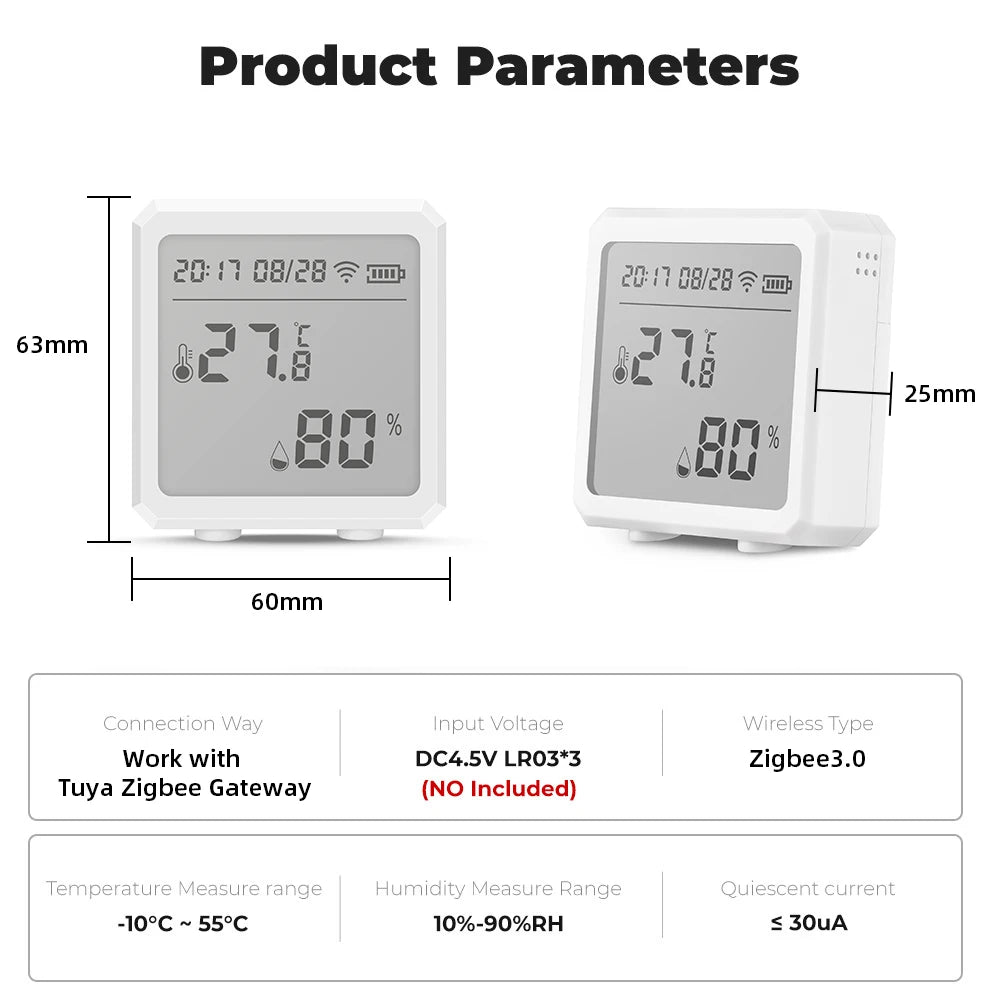
stabilize temperature + thermostat temperature jumping — 💡 See it in action.
Order the Zigbee temperature and humidity sensor to stabilize nursery and bedroom climate control settings.
Mini FAQ
Will adding a Zigbee temperature and humidity sensor stop thermostat temperature jumping?
Adding a Zigbee sensor reduces thermostat temperature jumping by feeding room-level data to the hub and smart thermostat, enabling smoother corrections and fewer short cycles.
How many sensors do I need to stabilize temperature in my home?
Start with sensors in rooms where comfort matters most (nursery, master bedroom, upstairs living areas). Two to four sensors cover most homes; add more for uneven layouts.
Can automation save on my energy bill while improving comfort?
Yes — by preventing constant on/off cycles and avoiding overshoot, a wireless home automation system can lower runtime and small inefficiencies that add up on your bill.
Related categories to explore: Smart Baby Gadgets, Sleep & Comfort, and Health & Safety.
Pillar Article: Wireless Smart Home Systems: Which Setups Fit Different Household Needs
Other Related Articles:
Explore More:





