

⏱ 8 min read
Baby Hates Bath Time? Practical Tips to Make Baths Enjoyable
If your baby hates bath time , you're not alone. Many parents notice that a baby who once enjoyed baths suddenly cries, stiffens, or refuses to enter the tub. Whether your 2 month old hates baths , your 4 month old hates bath , or your 9 month old hates bath , this behavior is usually temporary and often linked to normal development, sensory changes, or bath-time routines. This guide explains why bath refusal happens and how simple, gentle adjustments can help make bath time calm and enjoyable again.
Why does my baby suddenly hate bath time?
When a baby hates bath time , the cause is rarely just the water itself. Babies experience rapid physical and emotional development during their first year, and even small changes can make bath time feel unfamiliar or overwhelming. Identifying the likely reason behind your baby's reaction helps you choose the most effective solution instead of relying on trial and error.
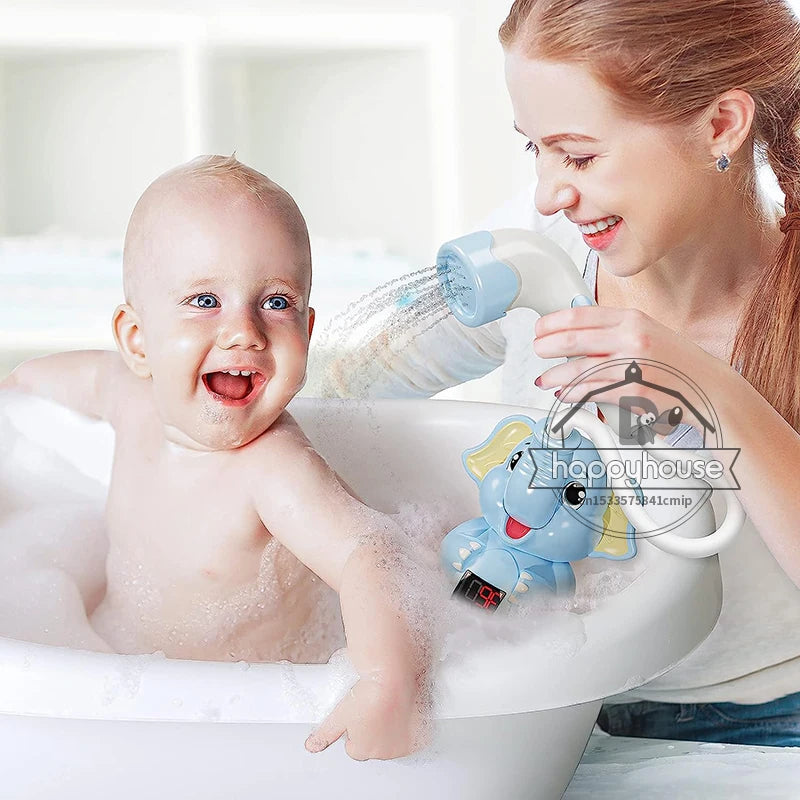
Baby hates bath time? Small changes to the routine can help create a calmer experience.
Common developmental reasons
A baby who previously enjoyed baths may suddenly become upset as they become more aware of their surroundings. Around 4 to 9 months, babies often develop stronger preferences, increased mobility, and separation awareness. This can make new sensations feel more intense, even if nothing about the bath has changed.
- Developmental leaps can increase sensitivity to unfamiliar experiences.
- Growing independence may lead babies to resist being placed in the tub.
- Changes in sleep schedules can make bath time happen when your baby is overtired.
- A previous startling experience may temporarily create fear of the bath.
Sensory triggers and environmental factors
Many babies are especially sensitive to temperature, sound, and touch. What feels comfortable to an adult may feel surprising to an infant.
- Water or room temperature that feels too cool.
- Bright bathroom lighting or loud echoes.
- Slippery surfaces that make babies feel unsupported.
- Fast pouring of water over the face or head.
- Baths scheduled when baby is hungry, tired, or overstimulated.
Illness or discomfort that can make baths painful
Sometimes bath refusal has a medical explanation rather than a behavioral one. If your baby suddenly cries intensely during every bath after previously enjoying them, consider whether they may be uncomfortable.
- Diaper rash or irritated skin may sting when exposed to water.
- Dry skin or eczema can become more uncomfortable in warm water.
- Ear infections may cause pain when lying back for hair washing.
- Fever or illness can make any extra stimulation unpleasant.
Most episodes of bath refusal are short-lived and improve once the underlying trigger is addressed. Observing exactly when your baby becomes distressed is often the first step toward making bath time enjoyable again.
Which baby gear suits your newborn best? Read on!
How to calm a crying baby in the tub — simple routine
Direct answer: If your baby hates bath time , consistency is more effective than trying a different approach every night. A calm routine with a warm environment, gentle handling, and positive experiences helps many babies feel secure and gradually reduces crying.
Prepare the room and water
Set up everything before undressing your baby so the transition is smooth and unhurried.
- Warm the room: Keep the bathroom comfortably warm and place a dry towel within easy reach.
- Check the water: Aim for 98–100°F using a thermometer from Temperature Tools .
Keep baths short and predictable
Short, calm baths are often more successful than trying to extend bath time while your baby is already upset.
- Undress gradually: Wrap your baby in a warm towel while removing clothing to reduce sudden temperature changes.
- Lower baby in slowly: Support the head and shoulders while speaking in a calm, reassuring voice.
Rebuild positive associations
Once your baby is comfortable in the water, focus on creating enjoyable experiences instead of trying to complete every part of the bath quickly.
- Introduce gentle play: Let your baby watch or touch a single bath toy. Keeping play simple prevents overstimulation. Many parents start with the Electric Elephant available on the product page .
Adjust your routine if needed
If one approach doesn't work immediately, make only one change at a time and repeat it for several baths before trying something different.
- Finish with warmth and comfort: Wrap your baby in a warm towel immediately after the bath and follow with cuddling, feeding if appropriate, or a gentle massage to reinforce a positive ending.
Learn step-by-step how to choose the right baby gear — check curated picks like Baby Bath Accessories .
Age-specific bath refusal solutions
The reasons a baby hates bath time often change with age. Matching your approach to your baby's developmental stage can make bath time much less stressful.
Newborn hates bath
- Keep baths brief, usually just a few minutes.
- Maintain skin contact as long as possible before placing your baby in the water.
- Pour warm water gently over the body to prevent feeling cold.
Young infant (2–6 months)
- Follow the same routine each bath using familiar songs or soothing voices.
- Use slow, gentle water movement instead of sudden splashing.
- Offer one simple sensory toy if your baby shows curiosity. Browse age-appropriate options in Sensory Toys .
Older baby (6–12 months)
- Allow your baby to hold a cup or floating toy to encourage participation.
- Give extra time to explore the water safely before washing.
- Praise calm behavior to build confidence during each bath.
Toddler bath resistance
- Offer simple choices, such as selecting a toy or washcloth.
- Turn bath time into part of a familiar bedtime routine.
- Avoid rushing, as toddlers often cooperate better when they know what comes next.
Common mistakes that make bath anxiety worse
Forcing the bath
Trying to finish a bath while your baby is crying intensely can increase anxiety over time. If your baby becomes very distressed, pause, offer comfort, and try again later rather than forcing the experience. Building trust is more valuable than completing a long bath.
Changing too many things at once
Introducing a new toy, changing water temperature, switching tubs, and altering the bedtime routine all at once makes it difficult to know what actually helped. Change one factor at a time and give your baby several baths to adjust before making another change.
Bathing when baby is tired or hungry
Even babies who usually enjoy water may become upset if they're hungry, overtired, or overstimulated. Whenever possible, schedule baths when your baby is calm, alert, and comfortably fed rather than immediately before naps or bedtime if those times consistently lead to crying.
- Choose one adjustment to focus on during the week.
- Repeat the same routine for 5–7 baths before evaluating the results.
- Avoid bathing within about 30 minutes after a full feeding to reduce discomfort.
- Keep a simple record of bath time, length, and your baby's response to identify patterns.
Final reassurance: your baby can learn to love baths
Most babies who resist baths eventually become comfortable again with patience and a consistent routine. Rather than trying to eliminate every tear immediately, focus on creating positive, predictable experiences. A warm room, comfortable water, gentle handling, and familiar routines help many babies build confidence over time.
If your baby responds well to a familiar bath toy, keeping the same toy in the routine may help reinforce positive expectations. Many parents choose the Electric Elephant as a consistent part of bath time.
Frequently Asked Questions
Why does my baby suddenly hate baths?
Sudden bath refusal is commonly caused by developmental changes, sensory sensitivity, a previous unpleasant experience, or changes in routine. Most babies improve once the underlying trigger is identified and the routine becomes predictable again.
How long does bath refusal usually last?
For many babies, bath resistance lasts from several days to a few weeks. Consistent routines and gentle exposure often help shorten this adjustment period.
How often should I bathe my baby if they hate baths?
Newborns generally only need two or three baths per week. On other days, gently clean the face, neck, hands, and diaper area while gradually rebuilding positive bath experiences.
What if my baby cries every time they enter the tub?
Slow the transition by warming the room, lowering your baby into the water gradually, and keeping part of the body covered with a warm washcloth until they settle.
Can an ear infection make a baby hate baths?
Yes. Ear infections, skin irritation, eczema, or other painful conditions can make bathing uncomfortable. If bath refusal begins suddenly and is accompanied by fever, persistent crying, or signs of illness, contact your pediatrician.
What water temperature is best for babies during bath time?
Most babies are comfortable with water between 98°F and 100°F. Using a thermometer helps maintain a consistent, comfortable temperature.
Should I skip baths if my newborn hates them?
You can reduce the frequency of full baths while keeping your newborn clean with sponge baths as needed. Resume short, gentle baths once your baby becomes more comfortable.
How can I make hair washing less stressful?
Pour water slowly from back to front, keep soap away from the eyes, and use a calm voice throughout. Washing hair at the end of the bath, after your baby has relaxed, is often easier than doing it immediately.
Pillar Article: Infant Bath Time Routine: Step-by-Step Guide for Calm Baths
Other Related Articles:
- Toddler Afraid of Water? Step-by-Step Guide to Build Confidence
- Safe Bath Temperature for Newborn: Tips for Stress-Free Baths
- Infant Thermometer Rectal: How to Measure Baby Temperature Safely
Explore More:





