

Toddler Afraid of Water? Step-by-Step Guide to Build Confidence
A toddler afraid of water may need time, patience, and positive experiences before bath time feels comfortable. Gentle exposure, playful routines, and simple bathtub play ideas for toddlers can help transform fear into curiosity. Learn how to build water confidence safely while supporting your child’s emotions, independence, and natural development.
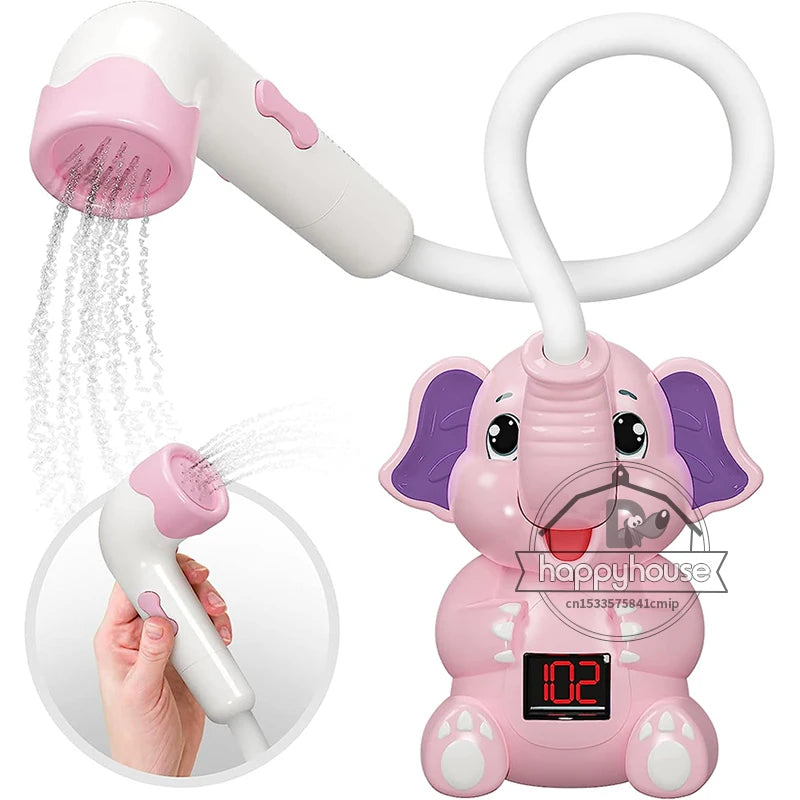
Gentle bathtub play ideas for toddlers can help create positive water experiences.
Why Is My Toddler Afraid of Water?
A toddler afraid of water is experiencing a common childhood concern that can come from new sensations, uncertainty, or a previous uncomfortable moment. Many toddlers are still learning how to understand their surroundings, so water running over their face, slippery surfaces, or unexpected splashes may feel overwhelming.
Understanding the fear of water in toddlers causes helps parents respond with reassurance instead of pressure. With calm guidance and gradual practice, most children can develop comfort and confidence around water.
Common Causes of Fear of Water in Toddlers
- Sensory sensitivity: Some toddlers dislike the feeling of water on their skin, wet hair, strong shower pressure, or changes in temperature.
- Unfamiliar experiences: A large bathtub, swimming pool, or running water can feel intimidating when a child has limited experience.
- Negative past experiences: A sudden splash, soap near the eyes, slipping in the tub, or a rushed bath can create a lasting association with fear.
- Need for control: Toddlers often feel safer when they can choose how and when they interact with water.
- Temperament differences: Some children naturally need more time to adjust to new environments or physical sensations.
Bath Fear vs Pool Fear vs Shower Fear
Not every child experiences water fear in the same way. A child who is afraid of bath water may feel comfortable playing with water outside the tub, while another child may enjoy baths but feel nervous around a large swimming pool.
- Bath fear: Often relates to slippery surfaces, hair washing, water near the face, or feeling trapped in a small space.
- Pool fear: May come from the size of the pool, unfamiliar depth, echoes, crowds, or not feeling secure in the environment.
- Shower fear: Frequently involves sensitivity to water pressure, noise, or water flowing directly onto the body.
Identifying the specific trigger allows parents to choose a slower, more comfortable approach instead of treating all water fears the same.
When Fear Is a Normal Developmental Stage
Many toddlers go through temporary fears as they become more aware of risks and unfamiliar situations. A toddler scared of water may simply need repeated positive experiences to understand that water can be safe and enjoyable.
Normal signs include hesitation at first, asking to stop, watching others play with water, or gradually becoming more curious after repeated exposure. Supporting your child’s pace and avoiding pressure can help build trust during this stage.
Step-by-Step Plan to Help Your Toddler Overcome Fear of Water
How to help toddler overcome fear of water? The most effective approach is gradual exposure combined with patience, encouragement, and predictable routines. The goal is not to force immediate comfort but to help your child create positive memories with water.
A structured approach can reduce toddler bath anxiety by allowing children to explore at their own pace. Small successes, such as touching water or pouring a cup, can become important steps toward long-term water confidence.
- Start With Dry Water Play: Begin away from the bathtub by letting your toddler explore cups, toy water sprinklers, or water-related games without direct contact. This helps introduce the idea of water as something fun rather than stressful.
- Introduce Small Amounts of Water: Start with a shallow amount of warm water and allow your child to sit, touch, or splash only when they feel ready. Increase exposure slowly as confidence grows.
- Build Positive Bath Experiences: Use familiar routines, favorite songs, and playful activities to make bath time predictable. Let your toddler participate by pouring water, choosing toys, or washing a toy first.
- Use Parent-Led Demonstration: Children often learn by watching caregivers. Staying relaxed, smiling, and showing that water is safe can reduce uncertainty.
- Practice Gentle Water Contact: Allow your toddler to explore water with hands, feet, and arms before introducing more challenging experiences like wet hair or water near the face.
- Transition to Pools and Swimming: Once your child feels comfortable with smaller water experiences, introduce pools gradually. Stay close, use reassuring language, and allow your toddler to observe before participating.
Expert Tips From Pediatric and Child Development Specialists
Helping a toddler overcome water fear is usually a gradual process rather than a quick fix. Child development specialists often recommend focusing on emotional safety, predictable routines, and small achievements. The goal is to help your child feel in control while creating positive associations with water.
How Long Does It Take to Overcome Water Fear?
There is no exact timeline for overcoming a toddler afraid of water situation because every child responds differently. Some toddlers become comfortable after a few positive experiences, while others may need several weeks or longer to build confidence.
Progress may look small at first, such as touching water with one hand, sitting near the bathtub, allowing hair to get slightly wet, or playing with water toys without hesitation. These steps are meaningful because they show your child is learning that water can be safe and enjoyable.
Avoid comparing your toddler’s progress with other children. Following your child’s pace helps prevent additional anxiety and supports long-term confidence.
Creating a Consistent Routine
A predictable routine can make bath time feel more familiar for a child experiencing toddler bath anxiety . Repeating the same steps helps toddlers understand what will happen next and reduces uncertainty.
- Keep bath time predictable: Use a similar sequence each time, such as preparing toys, checking water temperature, playing briefly, then washing.
- Offer simple choices: Let your toddler choose a toy, pick a song, or decide whether to wash hands or feet first.
- Stay calm and encouraging: Children often notice caregiver emotions, so a relaxed approach can help them feel secure.
- Celebrate small progress: Praise attempts and curiosity instead of focusing only on completing a full bath.
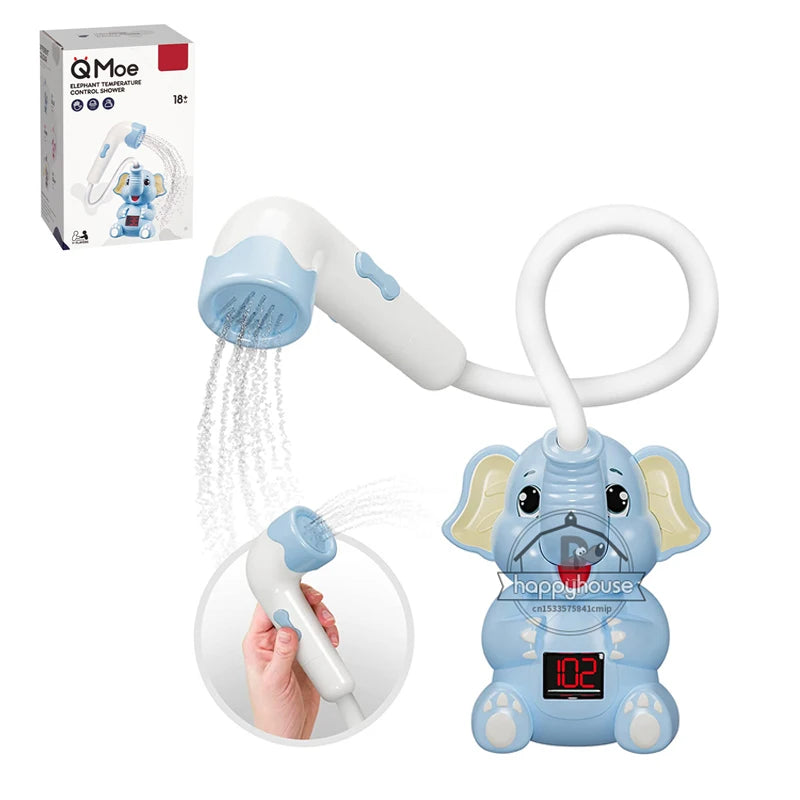
Consistent routines and gentle bathtub play ideas for toddlers can support water confidence.
Frequently Asked Questions
Why is my toddler suddenly afraid of water?
A toddler may suddenly become afraid of water because of a new developmental stage, increased awareness of danger, sensory sensitivity, or a recent uncomfortable experience. Even a small event, such as getting water in the eyes or slipping in the bathtub, can make water feel unsafe.
Parents can help by staying calm, acknowledging the fear, and returning to gentle water experiences without pressure. Small steps, such as touching water with hands or playing beside the bathtub, can rebuild confidence over time.
How long does it take for a toddler to overcome fear of water?
The timeline varies depending on the child’s personality, previous experiences, and level of anxiety. Some toddlers adjust quickly, while others need weeks or longer of gradual practice.
Consistent routines, positive reinforcement, and following your toddler’s comfort level are more important than reaching a specific deadline.
Should I force my toddler into the bath if they refuse?
No. Forcing a child into the bath can increase fear and make future water experiences more stressful. Instead, offer reassurance, provide choices, and introduce water gradually.
Allowing your toddler to participate in small ways, such as choosing a bath toy or pouring water into a cup, can help them regain a sense of control.
Can a bad bath experience cause water anxiety?
Yes. A negative experience, such as unexpected splashing, slippery surfaces, or discomfort during hair washing, may contribute to water anxiety in some toddlers. However, positive repeated experiences can help replace that memory with safer associations.
How do I help a child who is afraid of bath water but not swimming?
If your child enjoys pools or outdoor water play but dislikes baths, the issue may be related to the bathtub environment rather than water itself. Try making bath time more predictable with familiar routines, comfortable temperatures, and playful activities.
What if my toddler is scared of the swimming pool but likes baths?
A toddler who enjoys baths but fears pools may feel overwhelmed by the larger space, deeper water, noise, or unfamiliar surroundings. Before swimming lessons, allow your child to observe the pool, play near the water, and become familiar with the environment gradually.
Can sensory issues make toddlers afraid of water?
Yes. Some toddlers have stronger reactions to textures, sounds, temperature changes, or water movement. Sensory play activities for toddlers, including gentle pouring games and supervised water exploration with Sensory Toys , may help children become more comfortable with different sensations.
When should I seek professional help for my toddler's fear of water?
Consider speaking with a pediatrician or child development professional if the fear is severe, continues for a long time, affects daily hygiene, causes extreme distress, or develops after a traumatic water-related event.
Professional guidance can help identify whether the fear is related to anxiety, sensory challenges, or another concern and provide strategies that support your child’s emotional development.
Pillar Article: Infant Bath Time Routine: Step-by-Step Guide for Calm Baths
Other Related Articles:
- Baby Hates Bath Time? Practical Tips to Make Baths Enjoyable
- Safe Bath Temperature for Newborn: Tips for Stress-Free Baths
- Infant Thermometer Rectal: How to Measure Baby Temperature Safely
Explore More:





