

Does an infant thermometer rectal really give the most accurate baby temperature?
Answer: Yes — an infant thermometer rectal typically gives the most precise core-body temperature for newborns and infants. When used correctly it reduces false negatives and helps caregivers act faster, especially for babies under 3 months or when fever decisions affect medical care.
⏱ 8 min readInfant Thermometer Rectal: How to Measure Baby Temperature Safely
Worried you might miss a fever or get a wrong reading from a forehead or armpit check? Using an infant thermometer rectal properly gives clear, reliable results so you can decide quickly and confidently. This guide walks you through why rectal readings matter, how to do them safely, alternatives like a newborn thermometer armpit , and how to judge the safe bath temperature for babies — including newborn bath temperature in Fahrenheit — with real parent tips, comparisons, and purchase-ready guidance.
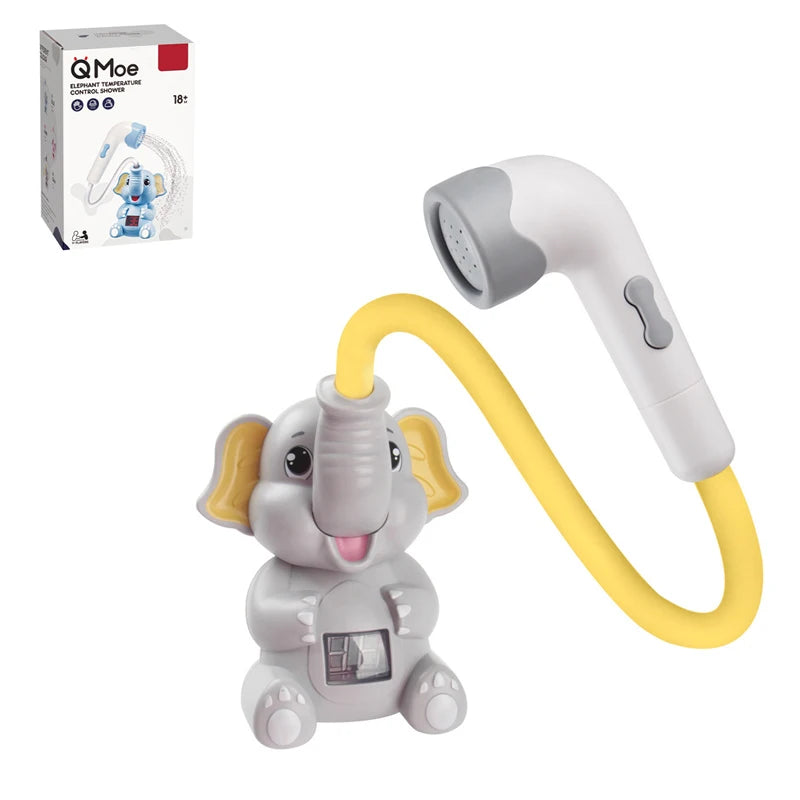
infant thermometer rectal + newborn thermometer armpit — See it in action
Why choose an infant thermometer rectal for newborns?
Rectal readings measure the body's core temperature and are the clinical standard for infants under 3 months. A small difference of 0.5–1.0°F can be the difference between watchful waiting and a call to a clinician — so accuracy matters.
Quick answer: How to take a rectal reading (one-paragraph)
To take a safe rectal reading, lubricate the tip with a water-based gel, place your infant belly-down across your lap, and insert the thermometer no more than 1/2 inch (about 1–1.5 cm) into the rectum. Hold gently and wait for the beep or stable reading — typically 10–30 seconds for digital models — then clean the tip thoroughly.
Step-by-step: Safe rectal temperature for babies
- Wash hands and prepare a clean, digital rectal thermometer designated for baby use only.
- Apply lubricant (water-based gel or petroleum) to the tip to reduce discomfort.
- Position safely: lay baby on their stomach over your lap or on a firm surface with knees slightly bent.
- Insert gently: no more than 1/2 inch for newborns (1–1.5 cm); stop if you feel resistance.
- Hold steady: keep the baby calm and hold the thermometer in place until it signals a stable reading.
- Read & clean: record the temperature, sanitize the tip per manufacturer instructions, and store separately from oral/axillary thermometers.
When to call a doctor
- Any rectal temperature ≥100.4°F (38°C) in infants under 3 months.
- Persistent fever in babies 3–6 months or fever plus lethargy, poor feeding, or unusual breathing.
- If rectal reading is inconsistent or you suspect inaccurate placement.
Rectal vs armpit vs forehead temperature: Which method is best for babies?
Each temperature-taking method has advantages, but they differ in accuracy, speed, and the situations where they are most appropriate. Readings from different methods should not be considered directly interchangeable, especially in newborns and young infants.
Which method is generally most accurate for young infants?
| Method | Typical accuracy | Speed | Recommended use |
|---|---|---|---|
| Rectal (infant thermometer rectal) | Highest; closest estimate of core body temperature | 10–30 seconds | Newborns, infants under 3 months, and whenever an accurate measurement is clinically important |
| Armpit (newborn thermometer armpit) | Moderate; readings may differ from rectal measurements | 10–60 seconds | Convenient screening for older infants, with rectal confirmation if results are concerning |
| Forehead / temporal | Variable; affected by technique and environmental conditions | 1–2 seconds | Fast checks in older babies when a non-invasive option is preferred |
When other methods may be useful
For healthy older infants, forehead and armpit thermometers can be practical for routine screening because they are quick and less disruptive. However, if your baby appears ill, has symptoms that do not match the reading, or a screening temperature is unusually high or low, a rectal measurement is commonly used to confirm the result.
Choosing the appropriate method depends on your baby's age, symptoms, and the level of accuracy required. When in doubt, follow your pediatrician's guidance for your child's specific situation.
Pros and cons of taking an infant's temperature rectally
Rectal temperature measurement remains the preferred method when the most accurate reading is needed for newborns and young infants. Like any medical procedure, it offers important benefits while requiring careful technique and good hygiene.
| Advantages | Considerations |
|---|---|
|
|
Common mistakes when taking a baby's temperature rectally
Using the wrong thermometer
Always use a digital thermometer that is intended and labeled for rectal use. Glass thermometers and devices not designed for infants should not be used.
Inserting too far or forcing the thermometer
Insert the thermometer only as recommended for your baby's age and the manufacturer's instructions. If you feel resistance or your baby moves suddenly, stop immediately rather than forcing the thermometer farther.
Taking a reading immediately after overheating
If your baby has been heavily bundled, crying intensely, or has just come in from a very warm environment, allow a few minutes for them to settle before measuring their temperature. This helps provide a more reliable reading.
Failing to clean the thermometer
Cleaning the probe after every use is essential. A thermometer used for rectal measurements should be cleaned according to the manufacturer's instructions and kept separate from thermometers used for oral or underarm measurements whenever possible.
How to clean and store an infant thermometer after a rectal reading
Proper cleaning and storage help maintain accurate readings while reducing the risk of spreading germs.
- Wash the probe with warm water and mild soap or use an approved disinfecting wipe if recommended by the manufacturer.
- Dry the thermometer completely before storing it.
- Keep it in its protective case to prevent damage.
- Label or dedicate the thermometer for rectal use to avoid confusion with other household thermometers.
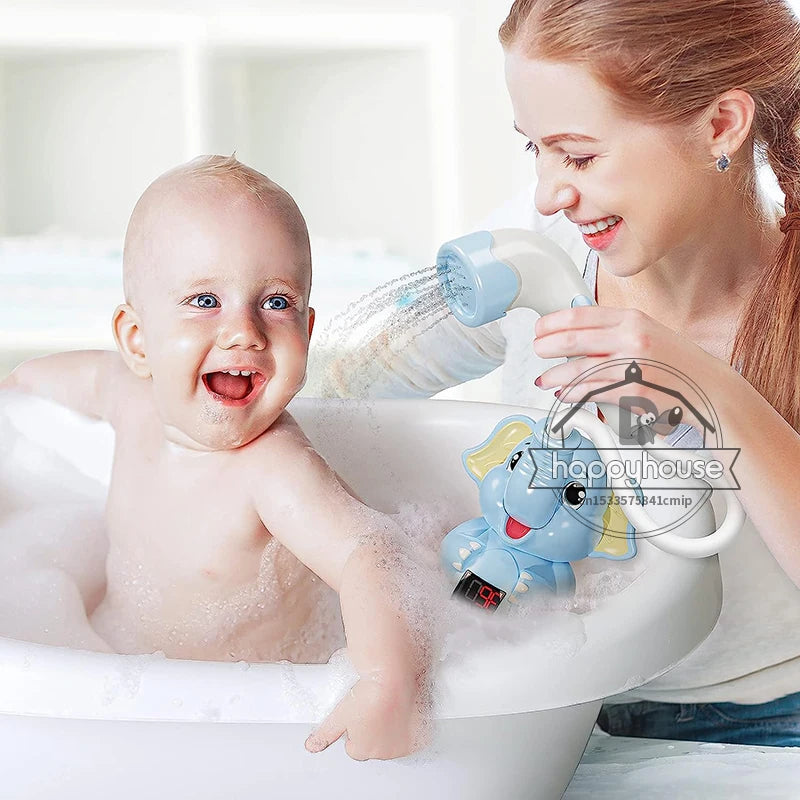
Proper cleaning and storage help keep your infant thermometer accurate and ready for future temperature checks.
If you're looking for a simple way to make routine care more enjoyable after temperature checks, the electric elephant bath toy can help create a calm, positive experience for many babies during their regular care routine.
Quick safety checklist for taking an infant's rectal temperature
- Use a clean digital thermometer intended for infant rectal use.
- Wash your hands before and after taking the temperature.
- Apply a small amount of water-based lubricant or petroleum jelly to the thermometer tip.
- Keep your baby securely positioned and never leave them unattended during the measurement.
- Insert the thermometer only as far as recommended for your baby's age and the manufacturer's instructions.
- Never force the thermometer if you feel resistance or your baby suddenly moves.
- Clean and dry the thermometer thoroughly after every use before storing it.
- Record the temperature, the time it was taken, and any symptoms if you need to contact your pediatrician.
Frequently asked questions about taking an infant's rectal temperature
-
How do you take an infant's rectal temperature safely?
Use a digital thermometer designed for rectal use, apply a small amount of lubricant, position your baby securely, insert the thermometer only as directed for your baby's age, and hold it steady until the reading is complete. Clean the thermometer thoroughly after each use.
-
Is a rectal temperature the most accurate temperature for infants?
Yes. For newborns and young infants, rectal measurement is generally considered the most accurate method because it provides the closest estimate of core body temperature.
-
How far should a thermometer go in a baby's rectum?
For most newborns and young infants, about 1/2 inch (1-1.5 cm) is sufficient. Never force the thermometer or insert it beyond the manufacturer's instructions.
-
Should you use lubricant when taking a baby's temperature rectally?
Yes. A small amount of water-based lubricant or petroleum jelly helps the thermometer slide in more comfortably and reduces friction.
-
How often can you take an infant's rectal temperature?
You can repeat the measurement if you believe the first reading was inaccurate, but frequent unnecessary checks are usually not needed. Follow your pediatrician's advice if your baby is ill or being monitored for a fever.
-
What should you do if a rectal temperature reading seems inaccurate?
Check that the thermometer is clean, functioning properly, and positioned correctly. If the result still seems inconsistent with your baby's condition, repeat the measurement carefully or contact your pediatrician.
-
What temperature is considered a fever in an infant?
A rectal temperature of 100.4°F (38°C) or higher is generally considered a fever. Infants younger than 3 months with a fever should receive prompt medical evaluation.
-
When should you call a pediatrician about an infant's rectal temperature?
Call promptly if your baby is under 3 months old and has a rectal temperature of 100.4°F (38°C) or higher, or if your child has difficulty breathing, poor feeding, unusual sleepiness, persistent fever, or any symptoms that concern you.
-
Can you use the same thermometer for rectal and other temperature readings?
It is best to dedicate one thermometer exclusively to rectal use or clearly label it to prevent cross-contamination.
-
How should you clean a thermometer after taking a baby's temperature rectally?
Clean the probe with warm water and mild soap or according to the manufacturer's cleaning instructions, dry it completely, and store it in a protective case before the next use.
Key takeaways for safe and accurate infant temperature checks
An infant thermometer rectal provides the most reliable measurement of core body temperature for newborns and young infants when used correctly. Careful positioning, gentle insertion, proper cleaning, and following the thermometer manufacturer's instructions all contribute to accurate results and safer temperature checks.
Quick reminder: If your baby is under 3 months old and has a rectal temperature of 100.4°F (38°C) or higher, contact your pediatrician immediately. If you are ever unsure about a reading or your baby's symptoms, seek medical advice rather than relying on repeated temperature checks alone.
Pillar Article: Infant Bath Time Routine: Step-by-Step Guide for Calm Baths
Other Related Articles:
- Toddler Afraid of Water? Step-by-Step Guide to Build Confidence
- Baby Hates Bath Time? Practical Tips to Make Baths Enjoyable
- Safe Bath Temperature for Newborn: Tips for Stress-Free Baths
Explore More:





